Ever wondered how your furry best friend came to be? The process of breeding dogs is as fascinating as it is complex.
Whether you're considering adding a new pup to your family or simply curious about how different breeds are created, understanding the art and science behind dog breeding can be truly enlightening. Imagine having the insider knowledge that not only enhances your appreciation for your pet but also equips you with insights to make informed decisions.
You'll discover the secrets behind breeding, debunk common myths, and learn how responsible practices can lead to healthier, happier dogs. Prepare to dive into a world where genetics meet passion, and find out how you can play a role in the future of canine companionship.

Credit: www.wikihow.com
History Of Dog Breeding
Dog breeding has a rich and fascinating history that stretches back thousands of years. It’s a tale of human ingenuity, adaptation, and the quest to harness the unique qualities of our canine companions. Understanding how dog breeding evolved helps you appreciate the diverse breeds you see today and offers insights into the future of breeding practices.
Origins Of Breeding Practices
Dog breeding began when humans realized that they could shape the behaviors and physical traits of wolves. Early humans selected wolves based on their ability to hunt or guard, gradually transforming them into domestic dogs.
Imagine living in ancient times, relying on wolves not just for protection but also companionship. This mutual relationship was the cornerstone of early breeding practices. The domestication process was slow, but it formed the foundation of the breeds we cherish today.
Evolution Of Breeding Techniques
As civilizations advanced, so did breeding techniques. Ancient Egyptians, Romans, and Chinese are known for their deliberate breeding efforts, crafting dogs to suit specific roles like hunting, herding, and guarding.
During the Middle Ages, breeding became more refined. Specific traits such as size, coat color, and temperament were meticulously selected. This period marked a significant shift towards the diversity we see in dog breeds today.
Think about how breeding has changed over time. Today, modern breeders use genetic testing and advanced methods to ensure healthy and desirable traits. This evolution reflects our growing understanding of genetics and our commitment to improving the welfare of our furry friends.
As you look at your dog, consider how centuries of human effort have crafted the loyal companion by your side. Do you think these historical changes have made dogs better suited to modern life? Perhaps our dogs mirror the changes in human society itself.

Credit: www.wikihow.pet
Selecting Breeding Dogs
Breeding dogs is both an art and a science, requiring careful consideration and planning. When choosing which dogs to breed, you're essentially setting the foundation for the next generation. This decision carries weight, as it impacts everything from the puppies' health to their temperament. Selecting breeding dogs isn't just about matching two dogs and hoping for the best—it's about making informed choices that lead to strong, healthy offspring.
Traits To Consider
What qualities do you want to pass on to the puppies? Think about traits like temperament, size, and coat type. If you're aiming for friendly family pets, choose dogs known for their gentle nature. Maybe you’re looking for athletic prowess; in that case, focus on agility and strength. Don't overlook breed standards, as they guide you in maintaining the breed’s integrity. Each trait you select influences the future puppies' characteristics.
Health Assessments
Ensuring the health of breeding dogs is crucial. Regular vet check-ups are essential, but there's more to it. Genetic testing helps identify potential hereditary conditions. Imagine the heartbreak of discovering a preventable health issue in a litter. You can avoid this by assessing the dogs’ health beforehand. Screening for hip dysplasia, eye conditions, and other genetic issues provides peace of mind. Healthy parents typically lead to healthy puppies.
Have you ever thought about how a single choice can impact a dog's entire lineage? Each decision in the breeding process has lasting effects. By selecting dogs with desirable traits and solid health backgrounds, you're contributing to the well-being of future generations. Consider what legacy you want to leave in the world of dog breeding. Your choices today shape the dogs of tomorrow.
Genetic Considerations
Breeding dogs involves careful genetic consideration to maintain desirable traits and health. Responsible breeders select parents based on genetics, ensuring offspring inherit positive characteristics. This approach reduces the risk of genetic disorders and promotes a healthier lineage.
Breeding dogs is not just about pairing two animals and expecting healthy puppies. It requires a deep understanding of genetics to ensure the offspring are healthy, strong, and free from hereditary issues. Genetic considerations are crucial in making informed decisions that shape the health and temperament of future generations.
Understanding Genetics
Genetics play a pivotal role in dog breeding. Every dog carries genes that influence traits like color, size, and behavior. Knowing how these genes work helps breeders predict the traits of future puppies. Imagine wanting a litter of golden retrievers with a specific coat color. Understanding dominant and recessive genes can help achieve this goal. Breeders often use genetic testing to determine potential outcomes. Have you ever wondered why some dogs in a litter look so different from each other? It’s all about the genetic lottery each puppy plays.
Avoiding Genetic Disorders
Breeding without genetic considerations can lead to unwanted health issues. Genetic disorders can be passed down if not carefully managed. Think about hip dysplasia in large breeds or heart conditions in certain small breeds. Testing breeding pairs for common genetic disorders is essential. It’s like ensuring your family doesn’t have a history of heart disease before planning children. How can you ensure your dogs have the best chance at a healthy life? By selecting breeding pairs with a clean genetic slate. This proactive approach saves heartache and helps create stronger, healthier dogs. In your experience, have you come across a breed-specific health concern? Breeders who prioritize genetic health make a significant difference in the lives of their dogs and their future owners. Being informed and cautious can lead to successful and rewarding breeding practices.
Breeding Methods
Dog breeding involves selecting the right methods to ensure healthy puppies. Understanding these methods helps breeders achieve desired traits. Two primary methods used are natural breeding and artificial insemination. Each method has its own benefits and challenges. Let's explore these methods further to understand their impact on breeding.
Natural Breeding
Natural breeding allows dogs to mate naturally. It usually occurs when a male and female dog are in heat. The male dog will mount the female dog to mate. Timing is crucial. The female's heat cycle determines the best time for mating. Breeders often monitor the cycle closely. They look for signs of readiness. This method is straightforward and involves minimal intervention.
Natural breeding ensures a higher chance of pregnancy. It also allows dogs to exhibit natural behaviors. Yet, it may not work for all dogs. Sometimes, dogs may have health issues or behavioral problems. These can hinder successful mating. In such cases, breeders might consider alternative methods.
Artificial Insemination
Artificial insemination involves collecting sperm from a male dog. The sperm is then inserted into the female dog. This method offers more control over the breeding process. It is useful when dogs are geographically separated. It also helps if the male or female has physical limitations.
Artificial insemination requires expertise. Veterinarians or experienced breeders usually perform the procedure. This method can increase genetic diversity. It allows breeders to use sperm from distant or deceased dogs. Health and timing still play a crucial role. The female must be in heat for successful insemination.
While effective, artificial insemination can be costly. It requires specialized equipment and knowledge. Breeders must weigh the benefits and costs. The method offers flexibility and precision in breeding. Yet, it demands careful planning and execution.
Pregnancy And Birth
Breeding dogs involves careful planning and care. Pregnancy and birth are crucial stages. These moments require attention and understanding. Knowing how to support a pregnant dog ensures a healthy birth. It also ensures happy puppies.
Monitoring Pregnancy
A dog's pregnancy lasts about 63 days. Regular vet visits are important during this time. The vet checks the dog's health and monitors the puppies' growth.
Watch for signs of pregnancy like increased appetite and weight gain. A pregnant dog may also seek more attention.
Providing a balanced diet is essential. It supports the mother and the developing puppies. Ensure she has a quiet place to rest.
Supporting Birth Process
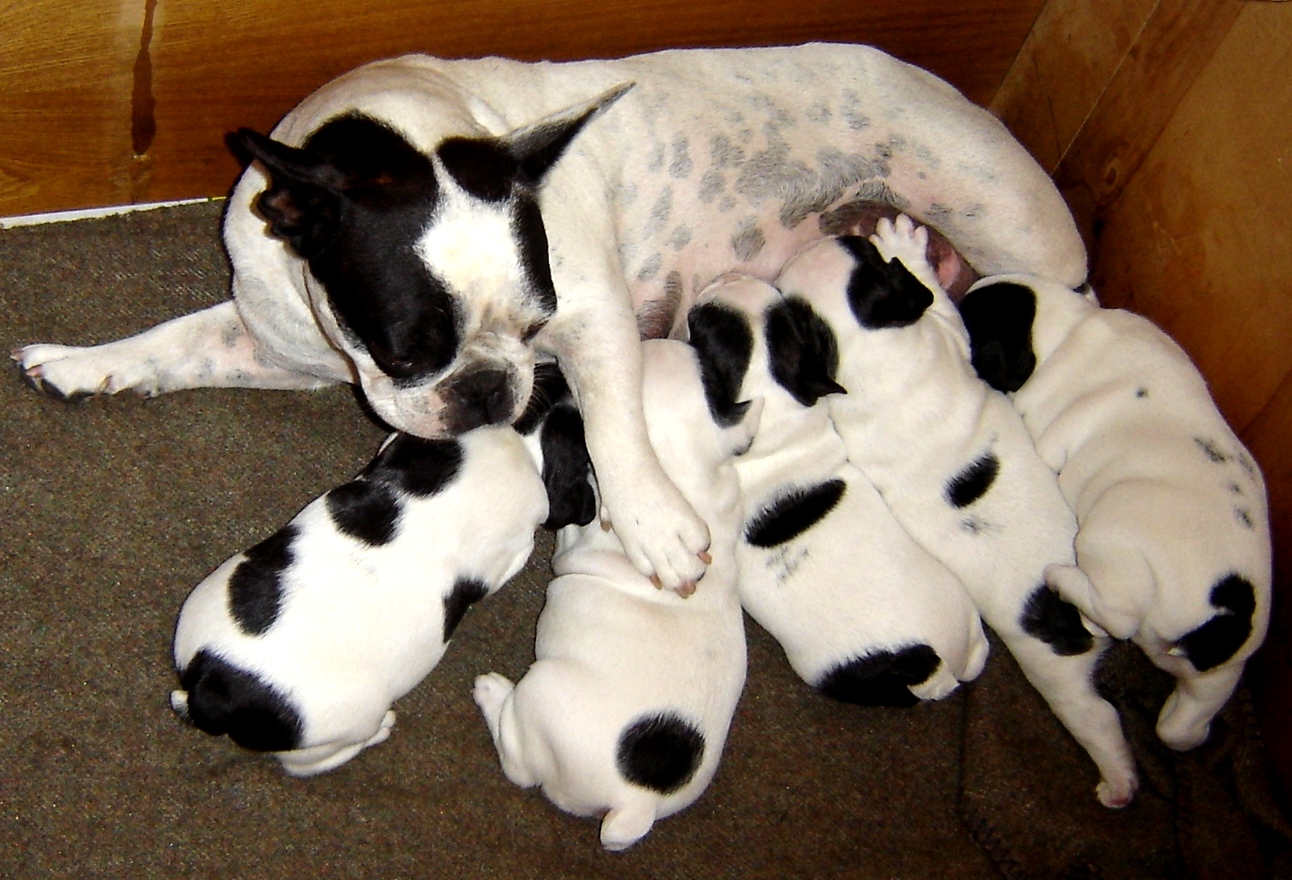
As the due date approaches, prepare for the birth. Create a calm environment for the mother. A whelping box is useful. It provides a safe space for birthing.
During birth, the mother may need help. Be ready to assist if necessary. Have a vet's number handy for emergencies.
Observe each puppy's arrival carefully. Ensure each breathes properly. Clean and dry the puppies gently. The mother usually takes care of them.
After birth, provide warmth and comfort. Monitor the mother and puppies closely. Ensure they are nursing and healthy.
Puppy Care And Development
Caring for a puppy goes beyond feeding and shelter. It's about nurturing a young life. Puppies need proper care to grow healthy and strong. Their early days are crucial for their development. Understanding their needs ensures they thrive. Let's explore how to care for puppies.
Early Puppy Care
Young puppies require frequent feeding. Their diet should be rich in nutrients. Warmth is also essential for newborns. Keep their environment cozy and safe. Regular vet visits ensure they're healthy. Vaccinations protect them from diseases. Monitor their weight and growth closely.
Socialization And Training
Socialization is key for a puppy's confidence. Introduce them to various sounds and people. This helps reduce fear and anxiety later. Basic training starts with simple commands. Teach them to sit, stay, and come. Consistency and patience are vital in training. Reward good behavior with treats and praise. This builds a positive learning environment.
Ethical Considerations
Breeding dogs involves ethical considerations like ensuring animal welfare and preventing health issues. Responsible breeders prioritize the health, temperament, and genetic diversity of dogs. They carefully select parent dogs to reduce the risk of inherited diseases.
Breeding dogs is a topic that often stirs passionate discussions, especially when it comes to ethical considerations. Ensuring the well-being of dogs while maintaining the integrity of their breeds is crucial. How do we balance the demands of potential pet owners with the responsibility of caring for these animals? Let's explore some key aspects of responsible dog breeding, focusing on ethical considerations.
Responsible Breeding
Responsible breeding is about more than just producing cute puppies. It involves careful planning, a deep understanding of genetics, and a commitment to the well-being of both the puppies and their parents. Reputable breeders prioritize health over profit. They screen for genetic diseases and ensure that their dogs are healthy before breeding. Have you considered how many dogs are already looking for homes? Before breeding, it's essential to think about the current population of dogs in shelters. Responsible breeders make sure they have a plan for every puppy, ensuring each one goes to a loving home.
Animal Welfare
Animal welfare should be at the heart of any breeding program. This means providing dogs with a clean, safe, and nurturing environment. Dogs need regular veterinary care, nutritious food, and plenty of exercise. They also need love and attention. Breeding should never compromise a dog's quality of life. Have you thought about the emotional and physical needs of the dogs involved? It's important to ensure that breeding dogs are not overbred and have time to recover between litters. By focusing on these ethical considerations, you can help promote a more humane approach to dog breeding. What steps will you take to ensure that breeding practices are ethical and beneficial for the animals involved?
Credit: en.wikipedia.org
Frequently Asked Questions
What Is Selective Breeding In Dogs?
Selective breeding involves mating dogs with desired traits to enhance or preserve specific qualities. Breeders focus on health, temperament, and appearance. This method aims to produce offspring with predictable characteristics, ensuring consistency in breed standards and improving genetic health over generations.
How Are Purebred Dogs Created?
Purebred dogs are created through controlled breeding of dogs with documented ancestry. Breeders select dogs that exhibit specific breed standards, ensuring offspring inherit these traits. This process involves careful planning, health screenings, and adherence to recognized breed guidelines to maintain genetic integrity and predictability.
Why Is Genetic Diversity Important In Dog Breeding?
Genetic diversity reduces the risk of inherited diseases and increases resilience against environmental changes. It ensures healthier offspring with varied traits. Maintaining genetic diversity prevents the negative effects of inbreeding, preserving the breed's vitality and adaptability over generations.
What Role Do Dog Breeders Play?
Dog breeders play a crucial role in preserving breed standards and promoting healthy genetics. They select mating pairs based on health, temperament, and appearance. Responsible breeders ensure proper care, conduct health screenings, and adhere to ethical practices to produce well-adjusted, healthy puppies.
Conclusion
Breeding dogs takes knowledge and responsibility. Careful selection ensures healthy puppies. Understanding genetics helps achieve desired traits. Breeders must prioritize health and temperament. Proper care and environment are crucial for mother and pups. Ethical breeding respects both dogs and future owners.
Research and patience lead to successful breeding. Never rush the process. Always focus on the well-being of the dogs. A responsible approach benefits everyone involved. With dedication, you can contribute positively to the dog community. Your effort ensures the happiness of both dogs and their new families.