Are you curious about which dog breeds can be trained as service dogs? You're not alone.
Understanding the best breeds for service work can help you or someone you know gain more independence and support. Service dogs aren't just any dogs; they are specially trained to perform tasks that assist people with disabilities. Whether you are considering getting a service dog or just want to learn more about the possibilities, knowing the right breeds can make a world of difference.
From the gentle Labrador Retriever to the intelligent German Shepherd, there are breeds that might surprise you with their ability to change lives. Stay with us as we explore the breeds that have the traits and temperament to become exceptional service dogs. You might just find the perfect match for your needs or discover something new that could help someone you care about.
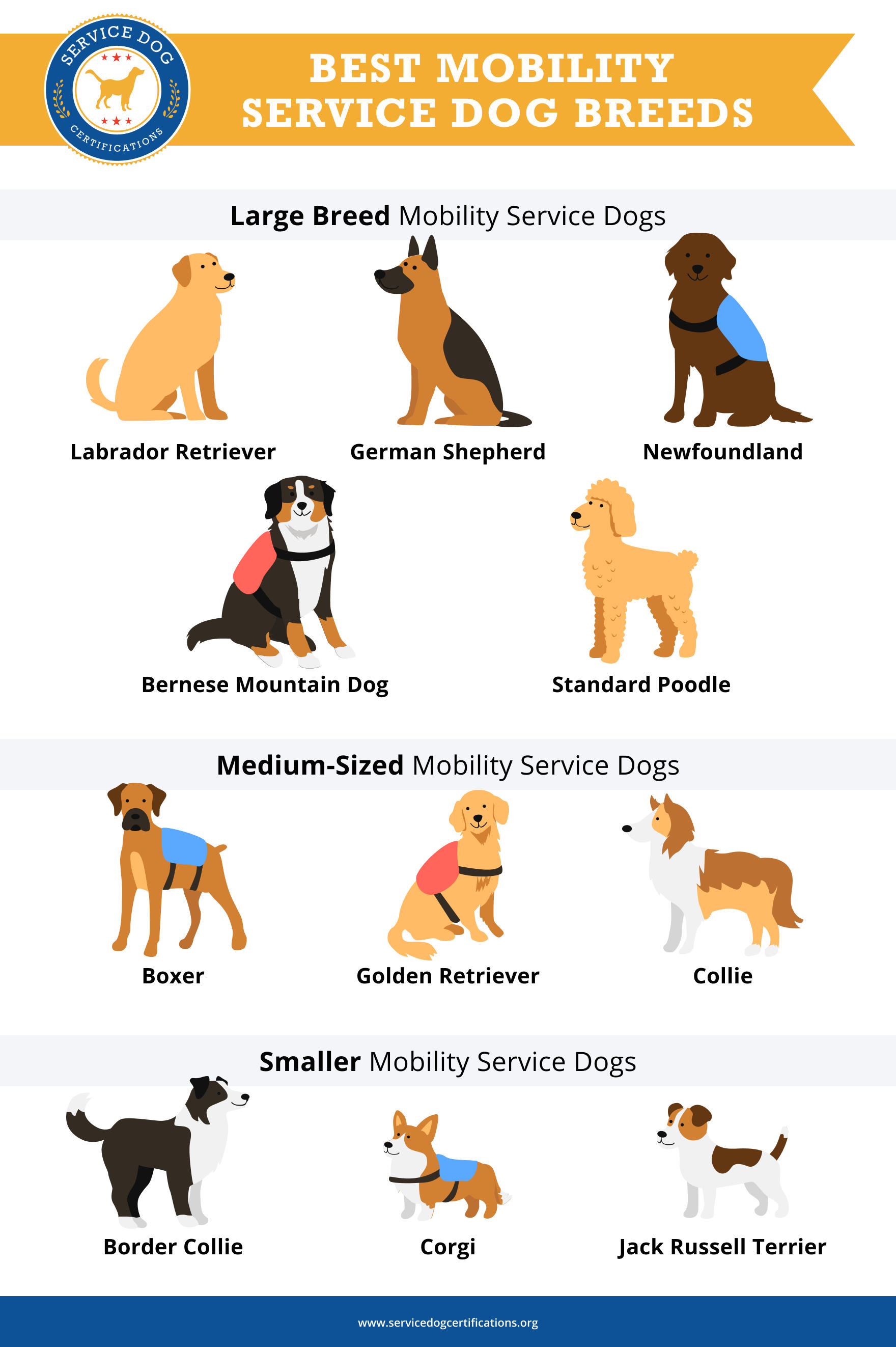
Credit: www.servicedogcertifications.org
Popular Service Dog Breeds
Service dogs play a crucial role in many people's lives. These dogs assist with daily tasks and provide emotional support. Certain breeds excel in this role due to their intelligence and temperament. Let's explore some popular breeds.
Labrador Retrievers
Labradors are friendly and eager to please. Their intelligence makes them easy to train. They have a gentle nature and adapt well to different environments. Their strong work ethic is commendable. Labradors are great for tasks like retrieving dropped items. They also help with mobility support.
Golden Retrievers
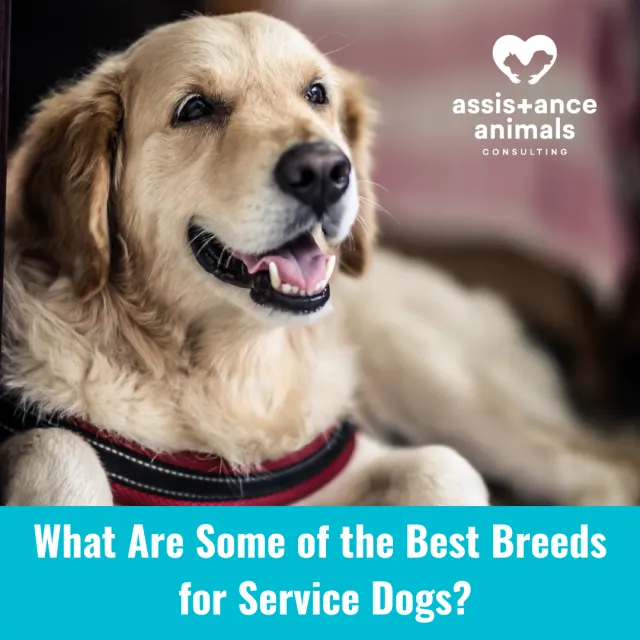
Golden Retrievers are known for their patience and kindness. They form strong bonds with their handlers. Their intelligence allows them to learn complex tasks. Goldens are often used for guiding the visually impaired. They also provide comfort to those with PTSD. Their calm demeanor is reassuring.
German Shepherds
German Shepherds are loyal and protective. They possess high intelligence and focus. These traits make them excellent service dogs. They are often seen assisting in police and military roles. German Shepherds excel in guiding and mobility assistance. Their alertness ensures safety for their handlers.
Traits Of Ideal Service Dogs
Golden Retrievers and Labradors often become service dogs due to their intelligence and calm nature. German Shepherds excel in tasks requiring focus and discipline. Poodles, known for their adaptability, also serve well in assisting individuals with disabilities.
Traits of Ideal Service Dogs When selecting a service dog, understanding the traits that make a dog suitable for this important role is crucial. The perfect service dog isn't just about the breed; it's about the individual dog's unique qualities. These traits ensure that the dog can perform tasks effectively and fit seamlessly into your daily life.
Temperament
A service dog must have a calm and stable temperament. An even-tempered dog can handle stress and distractions without becoming anxious or aggressive. Have you ever noticed how some dogs remain unfazed in chaotic environments? That's the kind of temperament needed for a service dog. Consistency in behavior is key. Dogs with unpredictable moods might struggle with tasks. Consider whether your dog remains friendly and approachable, even when faced with unfamiliar situations.
Trainability
Trainability is a critical trait for service dogs. A dog that learns quickly and responds well to commands can be trained to perform specific tasks efficiently. Have you ever tried teaching a trick to a willing dog? The process becomes a fun experience for both of you. Look for dogs that show eagerness to please. This trait often translates into faster learning and better task performance. It's not just about intelligence but also about the dog's willingness to follow your lead.
Physical Capability
Physical capability ensures a dog can perform the tasks required of them. A service dog must have the right size and strength for the job. For instance, a guide dog needs enough strength to lead a person safely. Consider the dog's endurance and agility. Can they keep up with your daily activities? Physical health is crucial, so regular vet check-ups are essential. Selecting a dog with the right physical traits means they can serve you effectively, without risking their own health. By understanding these traits, you can make an informed decision when choosing a service dog. What qualities does your dog have that might make them a good fit?
Unique Service Dog Breeds
Labradors, Golden Retrievers, and German Shepherds are popular service dog breeds. Poodles, Boxers, and Border Collies also excel. Each breed offers unique skills for assisting those with disabilities.
When thinking about service dogs, the usual breeds like Labradors and Golden Retrievers often come to mind. However, there are several unique breeds that excel in this role too. These dogs bring their own special traits and abilities to the table, making them exceptional companions for those who need them. Let's explore some of these unique service dog breeds.
Poodles
Poodles are not just about fancy haircuts and dog shows. They are highly intelligent and trainable, which makes them excellent service dogs. Their hypoallergenic coat is a bonus for those with allergies. In my neighborhood, a young girl relies on her Poodle to alert her to seizures. The Poodle's keen sense of awareness and quick response has made a significant impact on her life. Poodles are also known for their gentle nature, making them perfect companions for those with anxiety.
Border Collies
Border Collies are renowned for their intelligence and work ethic. Known primarily for herding sheep, their problem-solving skills are unmatched. These dogs thrive on mental stimulation, which is crucial for service work. A friend of mine has a Border Collie that assists him with mobility tasks. This dog's ability to anticipate needs and react swiftly has provided immense support. Have you ever seen a dog open doors or retrieve specific items on command? A Border Collie can do just that with the right training.
Boxers
Boxers may not be the first breed you think of for service work, but they are surprisingly effective. Their strong build and loyal nature make them great for mobility and emotional support tasks. I once met a veteran whose Boxer helped him manage PTSD. The dog's unwavering presence and intuitive nature provided a sense of calm during distressing moments. Boxers are also very social and enjoy interacting with people, which can be comforting for their handlers. Have you considered what breed might best suit your needs if you're looking into service dogs? Each of these breeds offers unique qualities that can make a world of difference in someone's life.
Credit: www.assistanceanimalsconsulting.com
Small Breeds For Service Work
Many small dog breeds excel as service dogs. Breeds like Pomeranians, Papillons, and Miniature Schnauzers offer companionship and support. Their intelligence and adaptability make them ideal for service roles, providing invaluable assistance in various tasks.
When you think of service dogs, large breeds like Labradors might come to mind. However, small breeds can be just as effective in service roles. These pint-sized companions offer unique advantages, such as being easier to transport and often having longer lifespans. Small breeds can excel in specific service tasks, providing vital assistance to those in need. Let's explore some small breeds that are making a big impact in the world of service dogs.
Cavalier King Charles Spaniel
The Cavalier King Charles Spaniel is known for its gentle and affectionate nature. These dogs are particularly suitable for emotional support roles. Their intuitive sense of human emotions makes them great companions for individuals dealing with anxiety or depression. Their small size means they're easy to carry and travel with. I've seen them comfortably accompany their owners in tight spaces like airplanes or public transport. If you're looking for a dog that offers love and emotional balance, this breed might be your perfect match.
Miniature Schnauzer
Miniature Schnauzers are intelligent and eager to please, making them excellent service dogs. These dogs are highly trainable and can learn complex tasks quickly. Their keen sense of alertness makes them great for people who need a little extra help around the house. One Miniature Schnauzer owner I spoke to mentioned how her dog could alert her to the sound of the doorbell, something she struggled to hear. They can also be trained to remind you to take medication or even fetch small items. Can you imagine a more helpful furry friend?
Pomeranian
Pomeranians are small but mighty when it comes to service work. Known for their intelligence and vivacity, they are perfect for therapy roles. Their cheerful disposition can brighten anyone's day, making them ideal for visiting hospitals or nursing homes. Despite their tiny stature, they are quite robust and can accompany you on various errands. A friend of mine has a Pomeranian who helps her manage stress by performing calming routines. Wouldn't you love a little ball of fluff that also serves as your emotional anchor? In choosing a small breed for service work, remember that personality and ability are as crucial as size. Small dogs can have a big impact on your life, offering both companionship and essential services. Which small breed would you choose to make your everyday life a little easier?
Choosing The Right Breed
Various breeds can serve as service dogs, including Labrador Retrievers, Golden Retrievers, and German Shepherds. Each breed offers unique traits, making them ideal for different tasks. It's important to consider temperament and size when selecting a service dog breed.
Choosing the right breed for a service dog is a decision that requires careful thought. Not all breeds are suited for every type of service work. The bond between the handler and the dog is vital for their partnership to thrive. Understanding your specific needs and lifestyle can guide you to the perfect breed that will support you effectively.
Assessing Needs
Consider what tasks you need your service dog to perform. Some breeds excel in physical tasks while others are better suited for emotional support. If you require mobility assistance, larger breeds like Labrador Retrievers or Golden Retrievers might be a good fit. On the other hand, if you need a dog for alerting to sounds, a more agile and attentive breed like the Border Collie could be ideal. Think about the dog's temperament as well. A calm and focused dog is essential for a person with anxiety. Meanwhile, a person with hearing impairments might need a more energetic and responsive dog. Identifying your primary needs will narrow down the breed options significantly.
Lifestyle Considerations
Your lifestyle plays a crucial role in choosing the right breed. A high-energy breed may not be suitable for a quieter lifestyle. Daily exercise and mental stimulation are non-negotiable for many breeds. If you live in a small apartment, a smaller breed like a Poodle might be more manageable. However, if you have a spacious home with a backyard, a larger breed could be a great companion. Your daily routine, activity level, and living space should align with the breed's requirements.
Compatibility With Handler
A strong bond between the handler and the dog is essential for a successful partnership. Consider how a breed's natural traits will mesh with your personality. Are you patient and consistent? Breeds that require firm training might be a challenge if you're not prepared for it. Reflect on your past experiences with dogs. If you've had a positive experience with a particular breed, it might be wise to consider it again. The key is finding a breed that complements your temperament and meets your service needs. Choosing the right service dog breed is more than just picking a cute puppy. It's about finding a partner that will support and enhance your life. What breed do you think would be your perfect match?
Training And Certification
Training and certification are crucial for service dogs. They ensure the dog is ready to assist individuals with specific needs. Different breeds require tailored training to suit their unique abilities. Certification confirms the dog's competence in performing tasks. This process involves various stages, each essential for the dog’s role as a service provider.
Basic Obedience
Basic obedience is the first step in service dog training. Dogs learn commands like sit, stay, and come. These commands establish a foundation for future training. Obedient dogs are easier to manage and teach. Consistency in training helps reinforce these basic skills. Owners and trainers must work closely with the dog daily.
Task-specific Training
Task-specific training tailors skills to individual needs. Dogs learn tasks like opening doors, retrieving items, or alerting to sounds. Each dog’s training is unique. Trainers assess the dog's strengths and assign tasks accordingly. This training ensures the dog can effectively assist its handler. Regular practice helps maintain task proficiency.
Certification Requirements
Certification requirements verify a service dog’s capabilities. Tests assess obedience, task performance, and behavior. Dogs must meet high standards to earn certification. This process ensures reliability and safety. Certification bodies set strict criteria for approval. Handlers receive documentation once certification is achieved.
:strip_icc()/service-dog-breeds-b19c144519874f17a2cc35218486b3e5.jpg)
Credit: www.thesprucepets.com
Frequently Asked Questions
What Breeds Make The Best Service Dogs?
Labrador Retrievers, Golden Retrievers, and German Shepherds are top service dog breeds. They are intelligent, trainable, and have a calm demeanor. These breeds excel in tasks like guiding, mobility assistance, and emotional support. Their friendly nature makes them ideal companions for individuals with disabilities.
Can Small Breeds Be Service Dogs Too?
Yes, small breeds can be service dogs. Breeds like Poodles and Cocker Spaniels are often used for hearing or psychiatric assistance. Their compact size allows them to assist in crowded spaces. Despite their size, they are intelligent and capable of performing various service tasks effectively.
Are Mixed Breeds Suitable As Service Dogs?
Mixed breeds can be excellent service dogs. Their suitability depends on temperament, intelligence, and trainability. Many organizations evaluate mixed breeds for service roles. They can perform tasks like mobility assistance or emotional support. A well-assessed mixed breed can be as effective as purebred service dogs.
How Do Breeds Affect Service Dog Training?
The breed affects service dog training due to inherent traits. Breeds like Labradors and Golden Retrievers are easier to train. Their natural intelligence and willingness to learn make them ideal. Each breed requires customized training to match its abilities and the specific needs of the handler.
Conclusion
Understanding which breeds make the best service dogs is vital. Not every dog fits the role. Some breeds naturally excel. Labrador Retrievers are popular. Golden Retrievers too. Poodles also serve well. Their intelligence and temperament help greatly. Each breed has unique traits.
These traits aid in specific tasks. Selecting the right breed is crucial. It ensures the service dog performs well. Training and care are essential too. They enhance the dog's abilities. With the right match, service dogs change lives. They bring independence and support.
Choose wisely. Your perfect service dog awaits.