
Choosing the right service dog is a crucial decision that can significantly impact your life or the life of someone you care about. Imagine having a loyal companion by your side, ready to assist you with daily tasks and provide comfort when you need it most.
But with so many breeds out there, how do you know which one is the best fit for your needs? You deserve a dog that not only meets practical requirements but also forms a strong, lasting bond with you. We'll delve into the specific breeds that excel as service dogs, helping you make an informed choice that enhances your life and well-being.
Get ready to discover the perfect partner that will make a real difference in your world.
Characteristics Of Ideal Service Dogs
Certain dog breeds excel as service dogs due to their intelligence and temperament. Labrador Retrievers, Golden Retrievers, and German Shepherds are popular choices. These breeds are known for their loyalty, trainability, and calm demeanor, making them ideal for assisting individuals with various needs.
Understanding the Characteristics of Ideal Service Dogs is essential when considering which breeds make the best service companions. Service dogs have life-changing impacts on individuals who rely on them for assistance. The right traits ensure these dogs can perform their duties effectively and compassionately. If you're curious about what makes a dog an exceptional service animal, read on to discover the key characteristics that set them apart.
Temperament Traits
Service dogs need to exhibit a calm and stable temperament. They must be able to handle unexpected situations without becoming anxious or aggressive. Think of a bustling airport or a crowded subway; a service dog needs to remain composed and focused on their handler's needs. Friendliness and a strong desire to please are critical. Dogs that naturally enjoy being around people and are eager to engage with them make excellent service dogs. These dogs thrive on interaction and are driven to help, making them invaluable to their handlers. Have you ever noticed how some dogs seem almost empathetic? This trait is essential for service dogs, allowing them to sense their handler's emotions and respond appropriately. A dog that can detect stress and provide comfort is a true asset.
Intelligence And Trainability
Intelligent dogs are more adept at learning complex tasks and commands. Breeds known for their intelligence, such as Labrador Retrievers and Golden Retrievers, often excel in service roles. They can understand and execute tasks that enhance their handler's daily life. Trainability is just as important as intelligence. A dog that is eager to learn and responds well to training will adapt quickly to the specific needs of its handler. Consistent positive reinforcement helps them remember and perform tasks reliably. Does your dog pick up new commands with ease? A service dog's ability to learn quickly and retain information is crucial. This ensures they can perform their duties efficiently and respond to new challenges as they arise.
Physical Attributes
The physical attributes of a service dog also play a significant role in their effectiveness. Size is often a consideration; larger dogs can assist with mobility tasks, while smaller breeds might be more suitable for alerting or psychiatric support. Consider a service dog's stamina and endurance. They need to accompany their handlers throughout the day, sometimes for long periods. A dog with good physical health and energy levels is better equipped to handle the demands of the job. Finally, grooming needs and general maintenance can impact a service dog's suitability. Breeds with coats that require minimal upkeep, such as Poodles, are often preferred, as they allow the handler to focus on more important tasks. What do you think is most important when selecting a service dog? Understanding these characteristics can help you make an informed decision, ensuring you or someone you know finds the perfect service companion.
Popular Breeds For Service Work
Labradors and Golden Retrievers are often chosen as service dogs for their intelligence and gentle nature. German Shepherds also excel due to their strong work ethic and loyalty. Poodles, known for their hypoallergenic coats, are excellent for those with allergies.
Each breed brings unique strengths to service work.
When considering a service dog, not all breeds are created equal. Some dogs naturally excel in service work due to their temperament, intelligence, and physical abilities. These breeds have been carefully selected for their unique traits, making them ideal companions for those in need. From the loyal Labrador to the intelligent Poodle, each breed brings something special to the table. Let's dive into some of the most popular breeds for service work and discover what makes them stand out.
Labrador Retrievers
Labrador Retrievers are a top choice for service work. Their friendly and outgoing nature makes them easy to train. Labs are known for their patience and adaptability, which are essential qualities in a service dog. Have you ever noticed how a Lab's gentle demeanor can instantly calm a room? This is why they are often chosen as guide dogs for the visually impaired. Labs are also highly intelligent. They learn tasks quickly and follow commands with precision. This breed's eagerness to please their handler makes them ideal for complex service tasks. Whether it's retrieving items or providing mobility support, a Labrador Retriever can excel in a variety of roles.
Golden Retrievers
Golden Retrievers are another popular breed for service work. They share many qualities with Labradors, such as intelligence and a gentle disposition. Goldens are particularly known for their empathy, making them excellent emotional support animals. Imagine having a companion who intuitively understands your needs—this is the magic of a Golden Retriever. Their beautiful coats and friendly faces make them approachable, even to strangers. This can be beneficial in public settings where a service dog needs to navigate crowds. Golden Retrievers are also versatile and can be trained for various tasks, including assisting people with physical disabilities or alerting those with hearing impairments.
German Shepherds
German Shepherds are renowned for their loyalty and protective instincts. These traits make them exceptional service dogs, especially for individuals requiring a sense of security. German Shepherds are highly trainable and excel in tasks that require problem-solving. Have you ever seen a German Shepherd work with law enforcement? Their ability to focus and stay calm under pressure is second to none. This breed's strength and agility allow them to perform physically demanding tasks. They are often used in search and rescue operations, showcasing their ability to adapt to challenging situations. German Shepherds are also known for forming strong bonds with their handlers, providing both companionship and protection.
Poodles
Poodles might not be the first breed that comes to mind for service work, but their intelligence and versatility make them a great choice. They are highly trainable and can learn a wide range of tasks. Poodles are hypoallergenic, which is a bonus for individuals with allergies. Have you ever considered how a dog's coat might affect your choice? Poodles offer a solution without compromising on service capabilities. Their elegant appearance often surprises people when they see Poodles performing service tasks. Yet, beneath their stylish exterior, Poodles are hardworking and diligent. They can be trained for roles such as alerting to medical conditions or assisting individuals with mobility challenges. Their adaptability and intelligence make them an unexpected but effective service dog option. Choosing the right breed for service work is a personal decision. Each of these breeds has unique qualities that can meet different needs. Which breed aligns with your lifestyle and service requirements? Considering this question will help you find a loyal and capable partner in your service journey.
Lesser-known Breeds With Service Potential
Exploring lesser-known breeds, the Icelandic Sheepdog and Leonberger exhibit strong service dog potential. These breeds possess intelligence and calm temperaments, making them suitable for service roles. Their unique characteristics often remain undiscovered, yet they can offer exceptional support and companionship.
Service dogs play vital roles in many lives. While Labradors and Golden Retrievers are popular choices, other breeds also excel. These breeds often remain under the radar. Their unique skills make them exceptional service companions. Let's explore some lesser-known breeds with service potential.
Border Collies
Border Collies are renowned for their intelligence. This trait makes them excellent service dogs. They learn tasks quickly and efficiently. Their energy levels help them stay active throughout the day. They can assist with tasks like fetching items. Their agility and responsiveness are outstanding. Border Collies are also very loyal. They form strong bonds with their handlers.
Boxers
Boxers have a strong, muscular build. This makes them great at physical tasks. They are known for their alertness. This characteristic aids in providing security. Boxers are gentle and patient with people. Their friendly nature makes them approachable. They excel in tasks requiring strength and endurance. Boxers often serve as mobility assistance dogs.
Doberman Pinschers
Doberman Pinschers are highly intelligent. Their alertness aids in quick response to needs. They are protective and loyal to their handlers. Dobermans are trainable and eager to learn. They excel in tasks requiring precision and focus. Their calm demeanor helps in stressful situations. Dobermans are also great at guiding and alerting. `
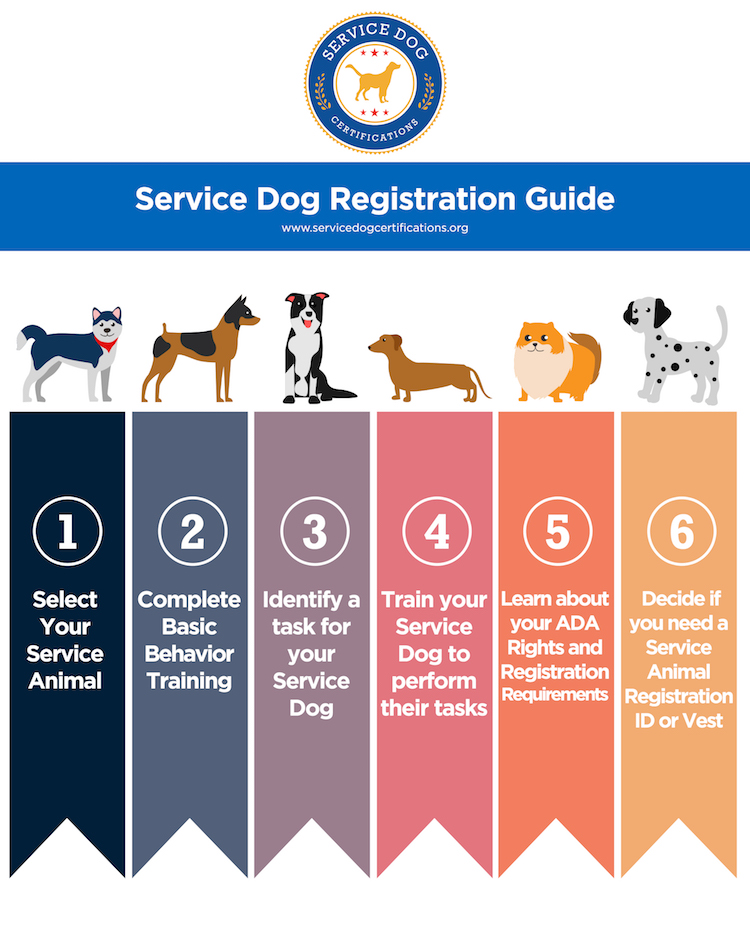
Credit: www.servicedogcertifications.org
Breed Selection Based On Specific Needs
Labrador Retrievers and Golden Retrievers excel as service dogs due to their intelligence and gentle nature. German Shepherds are also a top choice, known for their loyalty and strong work ethic. These breeds adapt well to various tasks, making them ideal companions for those in need.
Choosing the right service dog breed depends on specific needs. Different breeds excel in various tasks. Knowing their strengths can guide your decision. Whether it's mobility support, guiding the visually impaired, or emotional support, each need matches a specific breed.
Mobility Assistance
For mobility assistance, strength and size matter. Labrador Retrievers and Golden Retrievers often lead the pack. These breeds are strong and eager to help. Their gentle nature ensures safety and reliability. They can pull wheelchairs and fetch items with ease. Their training adapts to various mobility tasks.
Guide Dogs For The Visually Impaired
Guide dogs need intelligence and calmness. German Shepherds and Labrador Retrievers are top choices. These breeds learn complex tasks quickly. They remain calm in busy environments. Their keen senses guide the visually impaired safely. They avoid obstacles and navigate unfamiliar paths with confidence.
Emotional Support And Therapy
Emotional support requires empathy and gentleness. Cavalier King Charles Spaniels and Poodles are excellent companions. Their friendly demeanor offers comfort and companionship. They sense emotional changes and respond with affection. Their small size is perfect for therapy sessions and close contact. Selecting the right breed ensures effective service. Each breed's unique traits fulfill specific needs. Understanding these traits helps in making the best choice. `
Training And Socialization
Training and socialization are vital for service dogs. These dogs need specific skills and behaviors. Their training ensures they support their handlers effectively. Socialization helps them stay calm in various environments. Let's explore the key stages of training and socialization.
Early Socialization
Early socialization starts with exposure. Puppies meet different people and animals. They experience various sounds and sights. This helps them adapt to different situations later. It builds their confidence and reduces fear.
Training begins with basic commands. Sit, stay, and come are common. Puppies learn through positive reinforcement. Treats and praise motivate them to obey. Consistency is important for success.
Advanced Training Techniques
Advanced training develops specialized skills. Service dogs learn tasks like opening doors or fetching items. They practice alerting handlers to medical issues. Trainers use specific cues and signals. Repetition helps dogs remember tasks.
Dogs also learn to ignore distractions. This includes loud noises and unfamiliar people. Focus is crucial in busy environments. They practice in different settings to build reliability.
Continual Learning And Adaptation
Training never truly ends for service dogs. Continual learning keeps their skills sharp. Handlers reinforce commands regularly. This prevents behavior issues from developing.
Dogs adapt to their handler's changing needs. They may learn new tasks over time. Ongoing training strengthens the bond between dog and handler. It ensures they work as a team.

Credit: rampoldi.mc
Challenges And Considerations
Choosing the right breed for a service dog involves understanding unique challenges and considerations. Factors like temperament, size, and adaptability play vital roles. Breeds like Labradors, Golden Retrievers, and Poodles often excel, but individual traits matter most. Training and matching needs are crucial for effective partnerships.
Choosing the best breed for a service dog is more than just picking a friendly face. It's a journey filled with challenges and considerations that demand your attention. Each breed comes with its own set of hurdles, and understanding these can make all the difference in your choice. Are you ready to dive into the intricacies and find the perfect match for your needs?
Health Concerns
Health is a critical factor when selecting a service dog breed. Some breeds are prone to genetic disorders that can affect their ability to perform tasks. Imagine investing time in training a service dog, only to find it limited by health issues. German Shepherds, for instance, can suffer from hip dysplasia. You might think about regular vet visits and health screenings as part of your commitment. Would you be ready for that?
Breed-specific Issues
Every breed has unique traits that could either benefit or hinder service work. Labradors are known for their gentle nature, but they can be overly enthusiastic, sometimes making them hard to control in public settings. Think about the breed's temperament and energy levels. Are you prepared to handle a high-energy dog like a Border Collie? Their intelligence is unmatched, but they require constant mental stimulation. Are you willing to provide that?
Environmental Adaptability
Consider how adaptable the breed is to different environments. Your service dog will need to accompany you wherever you go, from bustling city streets to serene parks. Some breeds adjust better to changing environments than others. Can your chosen breed withstand the noise and stress of urban life? A Golden Retriever might thrive in diverse environments, while a Basset Hound could struggle. Will your lifestyle accommodate the dog's environmental needs? Selecting the right service dog is a thoughtful process that goes beyond appearances. It’s about understanding the breed’s challenges and your ability to manage them. How ready are you to embark on this rewarding journey?
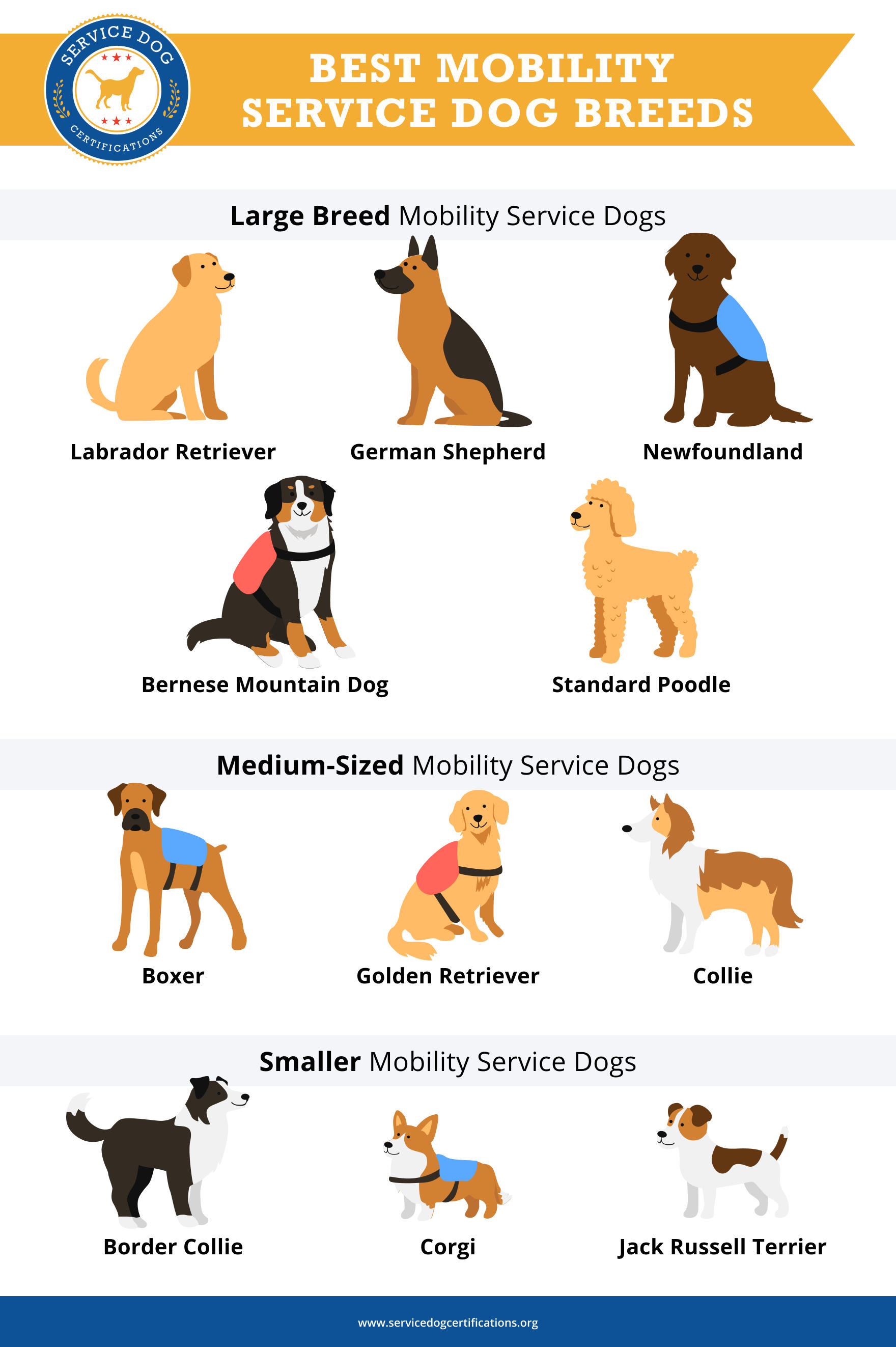
Credit: www.servicedogcertifications.org
Frequently Asked Questions
What Traits Do Service Dogs Need?
Service dogs need intelligence, calm temperament, and strong work ethic. They must be trainable, obedient, and responsive to commands. Service dogs should be social and non-aggressive. A strong bond with their handler is crucial for successful service work.
Are Labradors Good Service Dogs?
Yes, Labradors are excellent service dogs. They are intelligent, obedient, and eager to please. Their friendly nature makes them ideal for companionship. Labradors are versatile and can assist with various disabilities, including mobility and autism support.
Why Are Golden Retrievers Popular Service Dogs?
Golden Retrievers are popular due to their intelligence and friendly disposition. They are easy to train and adaptable to various tasks. Their patient and gentle nature makes them suitable for people with disabilities. They also form strong bonds with their handlers.
Can Poodles Be Service Dogs?
Yes, Poodles can be excellent service dogs. They are intelligent, easily trainable, and hypoallergenic, making them suitable for allergy sufferers. Poodles are versatile and can perform various service tasks. Their friendly and social nature helps them bond well with handlers.
Conclusion
Choosing the right service dog breed is crucial. Labs and Goldens excel with their friendly nature. Poodles stand out for intelligence and hypoallergenic coats. German Shepherds offer loyalty and strength. These breeds adapt well to various tasks. Consider your needs and lifestyle first.
Training and temperament matter. Each dog brings unique qualities. Find a match that suits you. A good service dog enhances life. They provide support and companionship. Dogs truly are man's best friend. Make an informed choice for a lasting bond.
Your perfect service dog awaits!