Is raw food for dogs safe? As a pet owner, you want the very best for your furry friend.
You’ve likely heard the buzz around raw food diets for dogs, promising improved health, shinier coats, and boundless energy. But before you make the switch, you might wonder if it’s truly safe for your beloved pet. You’re not alone. Many dog owners are searching for answers, wanting to make an informed decision that benefits their pet’s well-being.
This article will guide you through the facts and myths surrounding raw food for dogs, so you can feel confident in your choices. Stick with us, and by the end, you’ll have a clearer picture of whether raw food is the right path for your dog.

Credit: djangobrand.com
Benefits Of Raw Food Diet
Raw food diets can offer fresh and unprocessed nutrition for dogs. These diets may promote healthier skin and coats, improved energy levels, and better dental health. Always consult a veterinarian to ensure a balanced diet for your pet.
Thinking about switching your dog's diet to raw food? Many pet owners swear by the benefits, claiming it leads to a healthier and happier pup. But what exactly are the advantages of feeding your dog raw food? Let's dive into the specific benefits that can transform your furry friend's health.
Nutritional Advantages
Raw food diets are often praised for their nutritional benefits. By feeding your dog raw meat, bones, and vegetables, you're giving them a natural diet that's rich in essential nutrients. This can lead to increased energy levels and a stronger immune system. Imagine your dog having the vitality of a puppy well into their senior years. That's the power of a diet filled with fresh, unprocessed ingredients. When you provide a balanced raw food diet, you might notice your dog becoming more playful and alert.
Improved Coat And Skin Health
A noticeable benefit of raw food is the improvement in your dog's coat and skin health. Many dog owners report shinier coats and less shedding after switching to raw food. This is because raw diets are rich in omega fatty acids, which are crucial for skin health. If your dog has been struggling with dry or itchy skin, a raw food diet might be the solution you've been searching for.
Enhanced Digestion
Raw food can also lead to better digestion for your dog. Processed kibble often contains fillers and additives that can be hard on a dog's stomach. On the other hand, raw food is easier to digest, leading to smaller, firmer stools. Have you ever watched your dog struggle with stomach issues and felt helpless? Switching to a raw diet can alleviate these problems, leading to a happier and more comfortable pet. Plus, less mess to clean up in the yard is an added bonus for you. Choosing a raw food diet for your dog is a personal decision that can yield incredible results. Are you ready to see the transformation in your own pet's health and happiness?
Risks And Concerns
Feeding dogs raw food can pose health risks. Bacteria like Salmonella might thrive, causing infections. Nutritional imbalances may also occur, affecting your dog's health.
Feeding your dog a raw food diet is a growing trend, but it's important to consider the risks and concerns before making the switch. While raw food can offer benefits, it also poses potential dangers that could impact your dog's health. Let's explore some of the main issues you should be aware of.
Bacterial Contamination
Raw foods, particularly meats, can harbor harmful bacteria like Salmonella and E. coli. These bacteria can make your dog sick and may also pose a risk to humans handling the food. Even if your dog appears healthy, they can still shed these bacteria in their stools, potentially contaminating your home environment. Imagine preparing your dog's raw meal and then touching kitchen surfaces or utensils. If not cleaned properly, you could inadvertently spread bacteria, putting everyone in the household at risk. It's crucial to handle raw foods with care and maintain strict hygiene practices.
Nutrient Imbalances
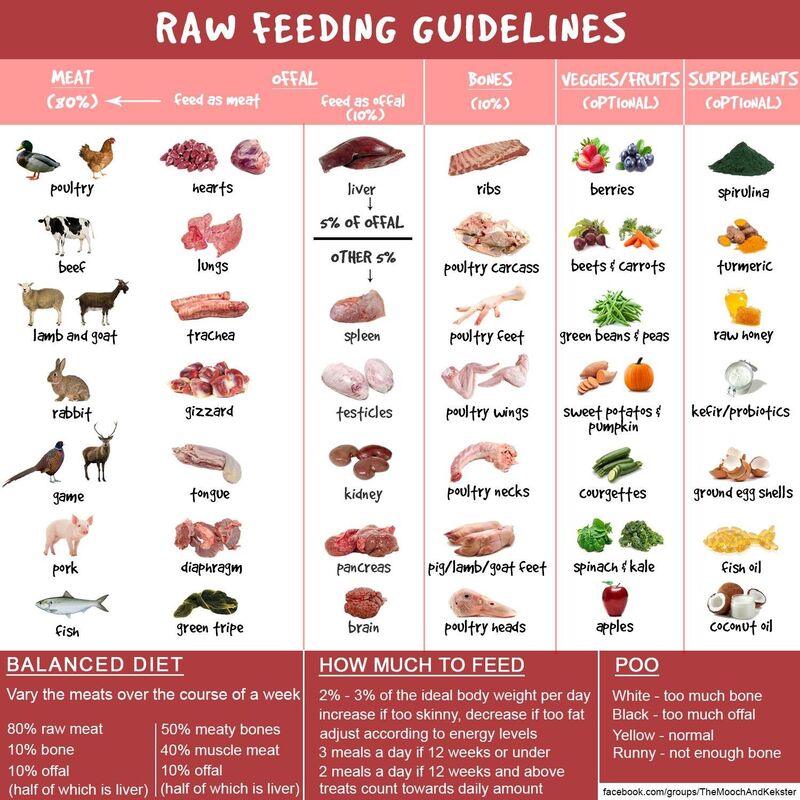
A balanced diet is key to your dog's overall health, and raw diets can sometimes lack essential nutrients. Commercial dog foods are formulated to meet all of a dog's dietary needs, but raw diets often require careful planning to ensure balance. For example, if you're not providing the right ratio of calcium to phosphorus, your dog could suffer from bone problems. It's not enough to just feed meat; you need to include a variety of ingredients. Consulting with a veterinarian or a pet nutritionist can help you create a well-rounded meal plan.
Potential For Injuries
Feeding raw bones may seem natural, but it can lead to injuries. Bones can splinter and cause choking, or worse, puncture your dog's gastrointestinal tract. Even raw meat can pose a risk if it's not cut properly. You wouldn't want your furry friend to suffer from an avoidable injury. Consider safer alternatives like bone meal or commercial products designed to mimic the benefits of raw bones. Always supervise your dog during mealtime to minimize risks. Do you think the benefits outweigh the risks? Balancing these concerns with the potential positives is essential. Ensuring your dog's safety and health should always be the top priority.
Common Myths
When considering a raw food diet for dogs, myths often arise. These myths can create confusion for dog owners. Let's clear up some common misconceptions about raw food for dogs.
Raw Food And Aggression
A frequent myth is that raw food makes dogs aggressive. The belief is that raw meat triggers primal instincts. However, studies show no link between raw food and aggression. Dogs' temperament depends more on training and environment. Feeding raw does not change their natural behavior. Many dogs on raw diets remain calm and friendly.
Natural Immunity Boost
Another myth is that raw food magically boosts immunity. While raw food has benefits, it is not a miracle cure. A balanced raw diet can support a dog's immune system. It provides essential nutrients and enzymes. But it's not a guarantee for perfect health. Proper hygiene and balanced nutrition are key to a healthy dog.
Expert Opinions
Raw food diets for dogs stir debate among pet owners. Experts hold differing views on their safety and benefits. It's crucial to understand these perspectives before making a decision. Let's explore what experts have to say.
Veterinary Perspectives
Veterinarians express concerns about raw diets. Bacteria in raw meat might pose health risks. They worry about E. coli and Salmonella. These can harm both pets and their owners. Cooking meat eliminates these bacteria, ensuring safety. Vets also note the risk of nutritional imbalance. Some raw diets may lack essential vitamins and minerals. Dogs need a balanced diet for health.
Animal Nutritionist Insights
Animal nutritionists weigh the benefits of raw food. They emphasize understanding your dog's needs. Raw diets offer fresh, unprocessed ingredients. Some believe this mimics a dog's natural diet. Nutritionists suggest consulting professionals before starting raw diets. They can help design a balanced meal plan. A balanced diet supports a healthy immune system. It also promotes shiny coats and strong teeth.
Alternatives To Raw Food
Raw food diets for dogs can be controversial. Some pet owners seek alternatives to ensure their pets' safety and nutrition. There are several options to explore. These options vary in preparation and ingredients. Pet owners can choose what fits best for their furry friends.
Commercial Raw Options
Commercial raw food products offer convenience. They are usually balanced and safe. Brands follow strict guidelines. These products come frozen or freeze-dried. They are ready to serve after thawing or rehydrating. Always check the ingredients and sourcing. Quality matters for your dog's health.
Cooked Homemade Diets
Cooked homemade diets give control over ingredients. You can ensure freshness and quality. Cooking destroys harmful bacteria. Nutrients remain intact with proper methods. Consult a vet for balanced recipes. Avoid toxic foods like onions and chocolate. Monitor your dog's health for any changes.
Credit: www.stoneridgevetservices.com
Safety Measures
Feeding raw food to dogs has sparked a lot of debate. The benefits are often highlighted, but safety measures are crucial. Without them, the risks might outweigh the benefits. Understanding how to handle and balance raw food is essential.
Proper Food Handling
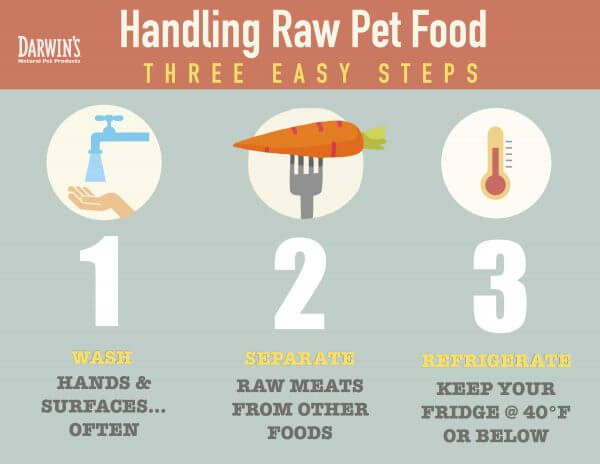
Proper food handling prevents contamination. Wash hands before and after preparing food. Clean all surfaces with soap and water. Use separate utensils for raw meat. This avoids spreading bacteria. Store food at the right temperature. Refrigerate or freeze to keep it fresh.
Balancing Nutrients
Balancing nutrients is vital for your dog's health. Raw food must provide all necessary vitamins and minerals. Include different types of meat. Add vegetables and fruits for fiber. Consider supplements for missing nutrients. Consult a vet for dietary advice.
Personal Experiences
Deciding whether raw food is safe for your dog can be daunting. Many dog owners have tried this diet and their experiences are varied. Personal stories can offer valuable insights, helping you make an informed choice. Let's delve into some real-life experiences.
Success Stories
Some dog owners have seen remarkable improvements in their pets’ health after switching to raw food. One such owner, Sarah, noticed her dog’s coat became shinier and her energy levels soared. She was amazed when her dog’s chronic digestive issues disappeared. This change reinforced her belief that raw food can be beneficial.
Another owner, Mike, observed a significant reduction in his dog’s allergies. Before the switch, his dog suffered from constant itching and discomfort. After a few weeks on a raw diet, the itching stopped, and his dog seemed happier. This success story inspired Mike to continue feeding raw food.
Challenges Faced
Not everyone has a seamless transition to raw food. Jane struggled with finding the right balance of nutrients for her dog. She spent hours researching and consulting with vets. This challenge taught her the importance of expert guidance when starting a raw diet.
Andrew faced storage issues. Raw food requires careful handling and storage. He found it difficult to maintain freshness without a dedicated freezer. This challenge made him reconsider the practicality of a raw diet in his small apartment.
Have you faced similar issues, or are you curious about overcoming these challenges? Personal experiences can offer guidance and inspiration. They remind us that while success is possible, challenges are part of the journey. What insights have you gained from your own experiences? Sharing them can help others make informed decisions about their dog’s diet.
Credit: www.darwinspet.com
Frequently Asked Questions
Is Raw Food Safe For Dogs?
Raw food can be safe for dogs but requires proper handling. It's essential to ensure the meat is fresh and bacteria-free. Consult your vet to determine if a raw diet suits your dog. Proper storage and hygiene are crucial to prevent health risks.
What Are The Benefits Of Raw Dog Food?
Raw dog food can improve coat quality, dental health, and energy levels. It offers a natural diet closer to what wild dogs eat. However, benefits may vary, and it's essential to ensure a balanced diet. Always consult with a vet before switching to raw food.
Can Raw Food Cause Health Issues In Dogs?
Raw food can cause health issues if not handled properly. Bacterial contamination is a significant risk. Bones can pose choking hazards or dental damage. Ensure a balanced diet to prevent nutritional deficiencies. It's crucial to consult a vet before starting a raw diet.
How Do I Transition My Dog To Raw Food?
Transition your dog to raw food gradually over a week. Start by mixing small amounts of raw with their regular food. Gradually increase the raw portion while decreasing the regular food. Monitor your dog's digestion and health throughout the transition.
Consult your vet for personalized advice.
Conclusion
Feeding raw food to dogs involves some risks and benefits. It's vital to weigh these aspects carefully. Consult with a vet to ensure balanced nutrition. Raw diets can meet dogs' needs, but food safety is crucial. Handle raw meat with care to prevent bacteria.
Each dog is unique, so monitor health and energy levels closely. Raw food might suit some dogs, but not all. Make informed decisions for your pet's well-being. Research thoroughly and stay updated on best practices. Prioritize your dog's health and happiness with thoughtful choices.