Ever noticed your dog suddenly scratching, yawning, or licking at odd times? These actions might seem random, but they could actually be telling you something important.
Welcome to the intriguing world of displacement behavior in dogs. As a dog owner, understanding these behaviors can deepen your bond with your furry friend and help you address any underlying issues. This article will uncover the secrets behind those puzzling actions, ensuring you can recognize and respond effectively.
Are you ready to decode your dog's mysterious movements and strengthen your connection with them? Let's dive in and explore the fascinating signals your dog is trying to send you.

Credit: www.facebook.com
Understanding Displacement Behavior
Dogs often show displacement behavior when stressed or anxious. This can include yawning, scratching, or licking. Understanding these actions helps in calming and reassuring your pet.
Understanding displacement behavior in dogs can be a fascinating journey into the canine mind. If you've ever seen your dog suddenly start scratching, yawning, or sniffing the ground in the midst of a tense situation, you might be witnessing displacement behavior. This behavior is a subtle yet significant way dogs handle stress or anxiety. By grasping these actions, you can better support your furry friend and improve your bond with them.
Definition And Characteristics
Displacement behavior in dogs is akin to a nervous habit. It's when dogs perform seemingly unrelated actions to cope with stress or conflicting emotions. Picture this: your dog is at the vet, feeling anxious, and starts licking its paws excessively. It's not grooming; it's a displacement behavior. Such actions are often repetitive and lack an obvious purpose. These behaviors can include yawning, scratching, or even barking. They’re often performed when your dog is unsure about a situation or feeling overwhelmed. It’s their way of saying, “I’m not sure what’s going on here, but I need to do something.”
Common Triggers
Many scenarios can trigger displacement behavior in dogs. One common trigger is the presence of unfamiliar people or animals. Imagine hosting a party at your home, and your dog suddenly starts sniffing around or licking its lips more than usual. This behavior might be their way of managing the stress of new faces. Sudden changes in environment can also be a trigger. Moving to a new house or even rearranging furniture might cause your dog to act out these behaviors. Displacement behaviors can also occur during training when your dog is unsure or stressed about a command. If you notice these signs, it's a cue to ease off and rethink your approach. Identifying these triggers can help you create a more comfortable space for your pet. What steps can you take to help your dog feel safer in these situations? Understanding displacement behavior in dogs isn't just about knowing what they do but understanding why they do it. By tuning into these signals, you can help your dog navigate their world with less stress and more confidence.

Credit: www.instagram.com
Types Of Displacement Behavior
Displacement behavior in dogs often occurs during moments of stress or conflict. Dogs might show these behaviors as a way to cope. Understanding these signs can help identify what might be bothering your dog. Knowing the types of displacement behavior can aid in managing their stress levels.
Excessive Grooming
Dogs might groom themselves more than usual during stress. This can include licking or biting their paws and fur. It often happens when they feel anxious or confused. Excessive grooming can lead to skin irritation or infections. It's a sign your dog might need comfort or a change in environment.
Yawning And Lip Licking
Yawning is not always a sign of tiredness in dogs. It can indicate stress or discomfort. Lip licking is another common sign of unease. Both actions can happen in situations that make your dog nervous. They might display these behaviors around unfamiliar people or environments.
Sudden Scratching
Dogs may scratch themselves suddenly, even without an itch. This behavior often appears during stressful or uncertain situations. It's a way for them to release tension. If your dog scratches more than usual, consider what might be causing their stress. Changes in routine or new surroundings can be triggers.
Causes Of Displacement Behavior
Displacement behavior in dogs can seem baffling. Dogs often perform unrelated actions when faced with conflicting emotions. This behavior usually masks stress, frustration, or anxiety. Understanding its causes helps in addressing the root problem. Let's explore two primary causes: stress and anxiety, and frustration.
Stress And Anxiety
Stress and anxiety are common in dogs. Loud noises, unfamiliar places, or separation can trigger these feelings. Dogs may lick themselves or yawn excessively to cope. These actions are their way of handling overwhelming emotions. Even small changes in their environment can cause stress. Regular routines can help reduce anxiety. A predictable schedule makes dogs feel safe and secure.
Frustration
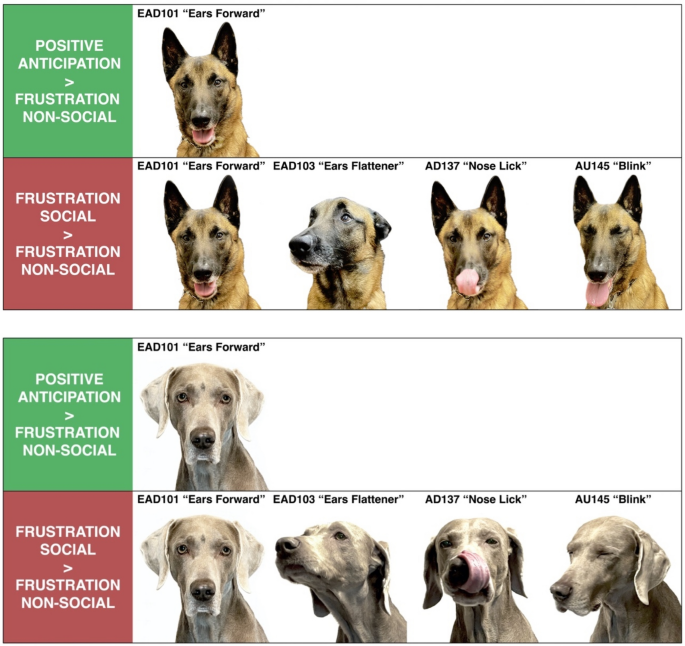
Frustration can lead to displacement behavior too. When a dog can't achieve a goal, it feels stuck. This can happen during play or training sessions. For example, if a dog wants a toy out of reach, it may bark at nothing. Or it might dig at the floor. These actions are outlets for their frustration. Providing alternative solutions can help. Redirecting their focus to achievable tasks is beneficial.
Identifying Displacement Signals
Dogs often display displacement behavior when they feel stressed or conflicted. These behaviors can appear out of context. They serve as a coping mechanism for the dog. Recognizing these signals helps pet owners understand their dog's needs better. Knowing what to look for can improve communication with your furry friend.
Body Language Indicators
Body language tells much about a dog's emotions. A common sign is yawning when the dog is not tired. It might also lick its lips without food nearby. Another indicator is sudden scratching or biting its body. These actions can signal confusion or stress. Watch for sudden changes in posture. A stiff or tense body can indicate discomfort.
Vocalizations And Sounds
Dogs use sounds to express their feelings. Whining or growling for no apparent reason can be a signal. Barking excessively or at unusual times might indicate unease. Some dogs may sigh or moan, showing they are trying to cope. Pay attention to these sounds. They can reveal much about your dog’s mental state.
Managing Displacement Behavior
Displacement behavior in dogs often occurs when they feel stressed or confused. Common signs include yawning, scratching, or licking. Recognizing these behaviors helps in understanding and managing your dog's stress levels effectively.
Managing displacement behavior in dogs can be challenging. These behaviors occur when dogs feel conflicted or stressed. They may lick, scratch, or yawn excessively. Understanding these behaviors helps in providing the right care. Managing them involves creating a supportive environment and using proper training techniques.
Creating A Calm Environment
A calm environment reduces stress for your dog. Ensure the home is free of loud noises. Provide a quiet space for your dog to relax. Soft music or white noise can soothe anxious pets. Maintain a consistent routine to give a sense of security. Regular exercise helps burn off excess energy. A tired dog is a calmer dog. Enrich their environment with interactive toys. This keeps their mind engaged and reduces stress.
Training And Reinforcement Techniques
Positive reinforcement is key in managing behaviors. Reward your dog for calm behavior with treats or praise. Use short training sessions to keep their attention. Consistency is crucial; make sure everyone in the home follows the same rules. Teach basic commands like sit and stay. These commands help redirect unwanted behaviors. Practice these commands daily for best results. Patience is essential; change takes time. Avoid punishment, as it can increase stress. Use gentle guidance to encourage desired behavior.
Credit: www.nature.com
Role Of Displacement Behavior In Social Interactions
Displacement behavior in dogs plays a crucial role in social interactions. These behaviors arise when a dog feels stress or conflict. Instead of direct aggression or fear, dogs display unrelated actions. This might include scratching, yawning, or sniffing. These behaviors help them cope and communicate with others.
Conflict Resolution
Dogs use displacement behavior to resolve conflicts. When tension arises, a dog might start licking its paw or yawning. These actions can diffuse potential aggression. They signal that the dog prefers peace over confrontation. By displaying these behaviors, dogs often avoid fights and maintain harmony.
Communication With Humans
Displacement behavior is vital in dog-human communication. Dogs might yawn or scratch when uncertain. These actions can indicate stress or discomfort. Owners should observe these cues. Recognizing them can strengthen the bond with their pets. Responding calmly helps reassure the dog, promoting a sense of safety.
When To Seek Professional Help
Displacement behavior in dogs can be confusing for many pet owners. These actions often indicate stress or anxiety. While some behaviors are normal, persistent issues require professional attention. Knowing when to seek help can improve your dog's well-being.
Signs Of Chronic Stress
Watch for signs of chronic stress in your dog. These might include excessive licking or chewing, frequent yawning, or repetitive movements. Dogs may also show aggression or withdrawal. If these behaviors persist, it could be a sign of deeper issues.
Look for changes in appetite or sleep patterns. A stressed dog might eat less or sleep more. Pay attention to their energy levels. A sudden drop can indicate stress.
Consulting A Veterinarian Or Behaviorist
A veterinarian can assess physical health. They rule out medical causes for behavior changes. Early intervention can prevent worsening conditions.
Animal behaviorists specialize in understanding dogs. They can offer strategies tailored to your pet's needs. Consult them for a personalized approach.
Professional help can guide you. It ensures your dog receives the care it needs. Don't hesitate to reach out for support.
Frequently Asked Questions
What Is Displacement Behavior In Dogs?
Displacement behavior in dogs occurs when they exhibit unusual actions due to stress or conflict. Common behaviors include yawning, licking, or scratching. These actions help dogs manage their emotions and alleviate tension. Understanding these signals can improve communication and strengthen your bond with your pet.
Why Do Dogs Show Displacement Behaviors?
Dogs show displacement behaviors to cope with stress or anxiety. These behaviors are instinctual responses to uncomfortable situations. They act as a self-soothing mechanism to reduce emotional tension. Recognizing these signs can help you identify potential stressors and provide comfort to your dog.
How Can I Identify Displacement Behavior?
Identifying displacement behavior involves observing your dog's actions in different contexts. Look for repetitive or unusual behaviors like yawning, licking, or scratching. These may occur when your dog feels stressed or conflicted. Consistent observation can help you understand your dog’s emotional state and respond appropriately.
Are Displacement Behaviors Harmful To Dogs?
Displacement behaviors are generally not harmful but indicate underlying stress. They serve as coping mechanisms for dogs facing anxiety or conflict. While not harmful, frequent displacement behaviors may require attention. Addressing stressors can improve your dog's well-being and reduce these behaviors.
Conclusion
Understanding displacement behavior in dogs is crucial. It helps improve communication and bonding. These actions often signal stress or confusion. Owners should observe and respond calmly. Addressing root causes can reduce these behaviors. A relaxed environment supports your dog's well-being.
Training can aid in managing stress. Recognizing signs early is beneficial. It promotes a positive relationship. Encouraging calm responses helps your dog feel secure. This strengthens trust and connection. Your dog thrives in a supportive setting. Always seek professional advice when needed.
Your dog's health and happiness matter. They deserve your patience and love.