Struggling with your dog's behavior? You're not alone.
Many dog owners face challenges that can make daily life stressful. Whether it's excessive barking, chewing on furniture, or unexpected aggression, these issues can leave you feeling overwhelmed. But don't worry—there are solutions that can help transform your dog's behavior and restore peace in your home.
Imagine a world where your dog listens to commands, behaves well in social settings, and feels content. With the right techniques, this is entirely possible. This guide will walk you through the most common dog behavior problems and provide practical solutions to address them. Keep reading to discover how you can turn your furry friend into the well-behaved companion you've always wanted.
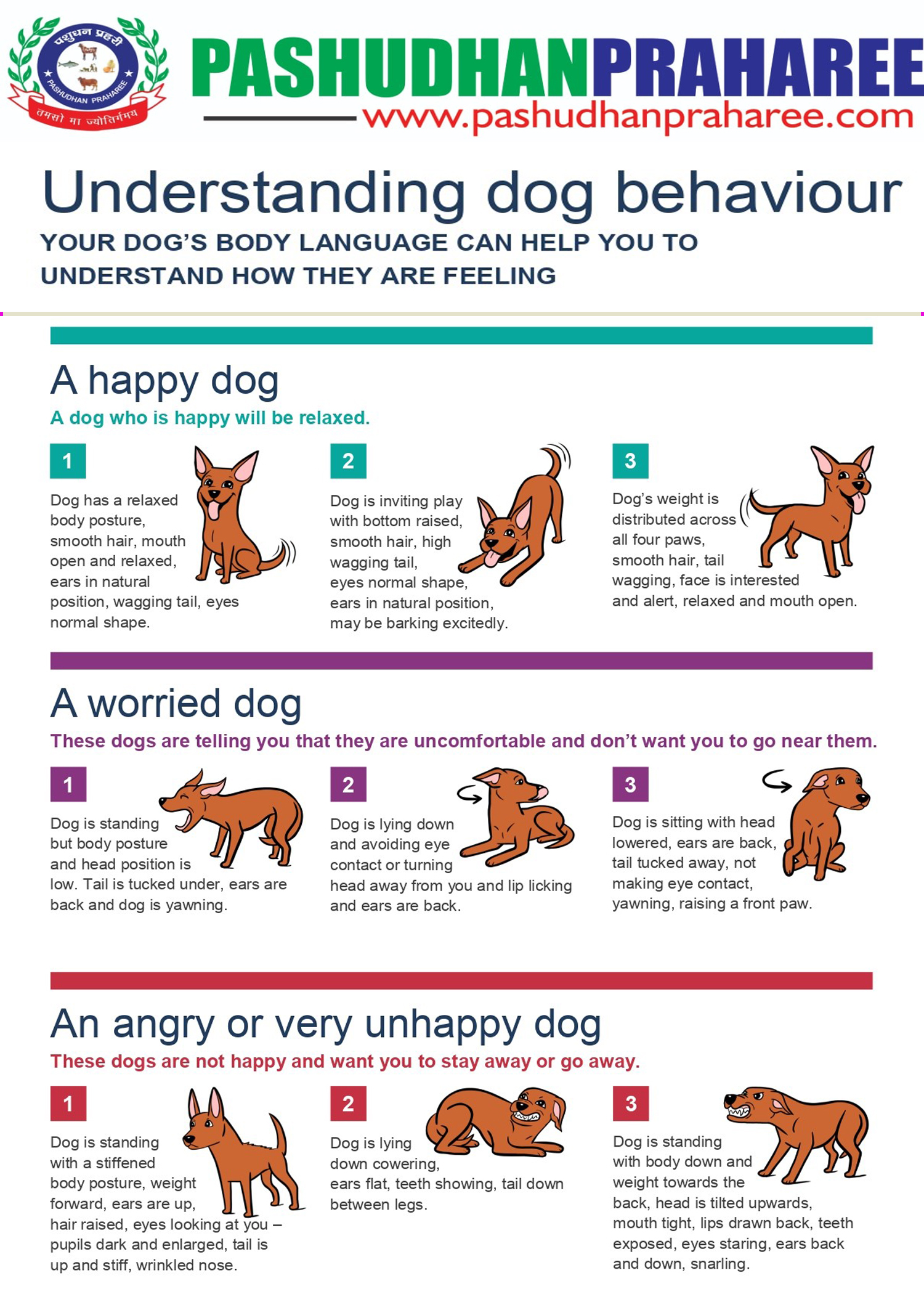
Credit: www.pashudhanpraharee.com
Common Dog Behavior Issues
Dogs often show behaviors like barking, chewing, or digging, causing challenges for owners. Training and patience can help address these issues effectively. Understanding their needs improves the bond between owner and pet.
Understanding dog behavior issues can be a game-changer for you and your furry friend. Common dog behavior issues can be frustrating, but they often have simple solutions. Knowing what triggers your dog's behavior is crucial in addressing these challenges. Each dog is unique, so solutions might vary. Let’s dive into some of the common behavior problems and how you can tackle them.
Aggression
Aggression in dogs can be scary and concerning. It might be directed towards people, other animals, or even objects. Identifying the root cause is key, whether it's fear, territorial instincts, or frustration. You can help by ensuring your dog feels safe and secure. Socialization from an early age can prevent many aggressive behaviors. Professional training might be necessary for severe cases.
Excessive Barking
Excessive barking can become a nuisance not just for you, but for your neighbors too. Dogs bark for various reasons like alerting, boredom, or seeking attention. Understanding why your dog is barking is the first step to finding a solution. Try redirecting your dog's attention when they start barking. Teach them the "quiet" command and reward them when they respond. Consistency is your friend here.
Separation Anxiety
Separation anxiety is common in dogs who are too attached to their owners. It manifests in destructive behavior, excessive barking, or even depression. You might notice it when you leave the house. Start by gradually increasing the time you're away from your dog. Create a positive association with your departure using toys or treats. Consider consulting with a professional if the anxiety persists.
Destructive Chewing
Destructive chewing can ruin your furniture and belongings, but it’s a natural behavior for dogs. They chew to relieve stress, boredom, or teething pain. It's important to provide appropriate outlets for this behavior. Provide your dog with plenty of chew toys. Ensure they get enough exercise and mental stimulation to keep them occupied. Remove tempting items from their reach to prevent accidents. Have you noticed any of these behaviors in your dog? Don't lose hope. Each problem has a solution waiting to be discovered. Your patience and dedication can lead to a harmonious relationship with your pet.

Credit: www.riverlandingsanimalclinic.com
Causes Of Behavioral Problems
Understanding the causes of behavioral problems in dogs is crucial. It helps in addressing them effectively. Dogs may display unwanted behavior due to various reasons. Identifying these causes can aid in finding the right solutions. Let's explore some common causes of behavioral issues.
Lack Of Socialization
Lack of socialization often leads to behavioral issues in dogs. Puppies need exposure to different environments and experiences. This exposure helps them become well-adjusted adults. Dogs not socialized well may develop fear or aggression. They might react negatively to new people or other animals.
Health Issues
Health problems can cause sudden changes in behavior. Pain or discomfort can make a dog irritable or aggressive. Conditions like arthritis or dental disease are common culprits. Regular vet check-ups are crucial. They help in identifying any underlying health issues early.
Environmental Stress
Environmental stress significantly impacts a dog's behavior. Changes in routine or environment can cause anxiety. Loud noises, crowded spaces, or new pets can be triggers. Recognizing these stressors is important. It helps in creating a calm and safe environment for your dog.
Expert Solutions To Aggression
Dealing with dog aggression can be challenging for owners. Aggressive behavior impacts the relationship between you and your pet. Understanding the root cause is essential for effective solutions. Expert advice can make a big difference. It can help transform aggressive behavior into a calm demeanor. Here are some expert solutions to manage aggression.
Training Techniques
Training is key to addressing aggression. Start with basic commands like sit or stay. Consistency is crucial in training sessions. Reward positive behavior with treats or praise. Use a firm voice, not a loud one. This helps the dog understand boundaries. Avoid punishment, as it may increase aggression. Socialization is also important. Introduce your dog to new environments gradually. This reduces fear-based aggression. Use a muzzle if needed for safety. Training builds trust between you and your dog.
Professional Intervention
Sometimes, professional help is necessary. A certified dog trainer can assess the situation. They offer personalized solutions for your dog's needs. Animal behaviorists are another option. They specialize in understanding complex behaviors. They can identify triggers and suggest strategies. Professional intervention can offer quicker results. It ensures safety for both you and your dog. Always choose a professional with good reviews. Their expertise can bring peace to your home.

Credit: ruffgers.com
Managing Excessive Barking
Excessive barking can be a challenge for many dog owners. It can disturb the peace at home and with neighbors. Understanding why your dog barks is key. Dogs bark for different reasons like boredom, fear, or attention-seeking. Identifying the cause helps in finding the right solution. Let's explore effective ways to manage excessive barking.
Behavioral Training
Training plays a big role in managing barking. Positive reinforcement works well. Reward your dog when they stop barking. Use treats or praise. Consistency is important. Practice commands like "quiet" regularly. Avoid yelling, as it might worsen the barking. Patience is essential. Training takes time but is very effective.
Environmental Adjustments
Sometimes, changes in the environment can reduce barking. Ensure your dog gets enough exercise. A tired dog is less likely to bark. Provide mental stimulation with toys and puzzles. A bored dog barks more. Consider using barriers like curtains to block outside views. This reduces barking at passersby. If noise triggers barking, use white noise machines. These can help mask sounds that disturb your dog.
Addressing Separation Anxiety
Separation anxiety is a common issue in dogs. It occurs when dogs feel stressed or anxious when left alone. This behavior can lead to destructive actions, excessive barking, or accidents in the house. Understanding the root cause is essential for finding solutions. Addressing separation anxiety requires patience and consistency. Below are effective methods to help ease your dog's anxiety.
Gradual Desensitization
Gradual desensitization involves slowly getting your dog used to being alone. Start by leaving your dog alone for short periods. Gradually increase the duration. Ensure your dog remains calm each time you leave. Use a gentle approach. Reward your dog for staying calm. This builds positive associations with your absence.
Practice this in different situations. Leave the room for a few minutes, then return. Slowly extend the time you are away. Your dog will learn that you always come back. This reduces their anxiety over time.
Comfort Measures
Comfort measures can help soothe an anxious dog. Provide a cozy space with their favorite blanket or toy. These items offer familiarity. A small, quiet area can be comforting. Consider using a crate if your dog feels secure there.
Play calming music or white noise. This can mask unsettling sounds from outside. Some dogs find this very soothing. You might also leave an item with your scent. It reassures your dog of your return.
Interactive toys or puzzles can distract your dog. They keep your dog's mind engaged while you are away. These activities reduce stress and provide mental stimulation.
Preventing Destructive Chewing
Destructive chewing in dogs can be curbed with consistent training and providing appropriate chew toys. Engage your dog with regular exercise and mental stimulation to prevent boredom. Rewarding positive behavior encourages better habits and reduces unwanted chewing.
Preventing destructive chewing in dogs is crucial for a harmonious home. Dogs chew naturally. It's how they explore their world. But chewing can become destructive. It can damage furniture, shoes, and more. Understanding why dogs chew helps prevent problems. Providing alternatives and enrichment can guide dogs to chew safely.
Safe Chewing Alternatives
Offer your dog safe chew toys. Choose durable options. Rubber toys are great. They last longer. Avoid small toys that break easily. Large bones work well too. They satisfy chewing urges. Rotate toys weekly. This keeps them interesting for your dog. Supervise playtime initially. Ensure your dog uses toys correctly. Praise good behavior.
Exercise And Enrichment
Exercise reduces destructive chewing. Walk your dog daily. Play fetch or tug-of-war. These activities burn energy. Mental enrichment is important too. Try puzzle toys. They challenge your dog’s mind. Train your dog with new commands. This engages them mentally. A tired dog is a calm dog. Less energy means less chewing.
The Role Of Consistency In Training
Training dogs can be challenging if consistency is missing. Consistency in dog training builds trust and understanding. Dogs learn better with clear patterns. This is crucial for correcting behavioral issues. Let's explore how routine and positive reinforcement help.
Routine Establishment
Dogs thrive on routines. Set fixed times for meals and walks. Predictable schedules make dogs feel secure. They know what to expect next. This reduces anxiety and confusion. Consistent routines help them focus during training. It creates a stable environment for learning.
Positive Reinforcement
Rewarding good behavior encourages dogs. Treats and praise work wonders. Reinforce actions you want repeated. Consistency in rewards helps dogs understand. They link actions to rewards quickly. This method builds positive habits. Dogs respond eagerly to encouragement.
When To Seek Professional Help
Persistent barking, aggression, or anxiety in dogs may signal the need for professional help. Early intervention can prevent issues from worsening.
Understanding when to seek professional help for your dog's behavior problems can be crucial for both your pet's well-being and your peace of mind. While some issues can be managed at home with patience and training, others may require the expertise of a professional. Recognizing the signs early on can prevent further stress and ensure a happier life for both you and your furry friend.
Signs Of Severe Issues
Not all behavior problems are created equal. Some may simply be a phase, while others can be indicators of deeper issues. - Aggression: If your dog shows aggression towards people or other animals, it may be time to consult an expert. This could be a sign of fear, anxiety, or past trauma that needs professional intervention. - Excessive Barking: While barking is natural, excessive barking can signal underlying stress or frustration. If your attempts to curb this behavior have failed, a professional can help identify the root cause. - Destructive Behavior: Chewing furniture or destroying household items can often be a sign of boredom or separation anxiety. A trained professional can offer strategies to redirect this energy and reduce stress. Have you ever noticed your dog displaying these behaviors? It might be time to consider expert advice.
Choosing The Right Expert
Once you've decided that professional help is necessary, the next step is choosing the right expert. But how do you know who to trust? - Qualifications: Look for trainers or behaviorists who have certifications from reputable organizations. This ensures they have the knowledge and skills needed to handle your dog's specific issues. - Experience: An expert with a proven track record and experience with similar cases can provide more targeted solutions. Ask for references or case studies to better understand their approach. - Approach: Make sure the expert’s methods align with your values. Some may use positive reinforcement, while others might have a more traditional approach. Discuss their techniques beforehand to ensure they match your philosophy. Have you considered what qualities you value most in a professional? Taking the time to research can make all the difference in your dog's progress.
Frequently Asked Questions
Why Does My Dog Bark Excessively?
Excessive barking can result from boredom, anxiety, or seeking attention. Dogs may also bark to alert you of potential threats. To curb this behavior, ensure your dog receives regular exercise, mental stimulation, and proper training. Identifying triggers and addressing them can help reduce unnecessary barking.
How Do I Stop My Dog From Chewing Furniture?
Dogs often chew furniture out of boredom, teething, or anxiety. Provide chew toys as alternatives and ensure your dog gets enough exercise. Use deterrents like bitter sprays on furniture and reinforce positive behavior when your dog chews on appropriate items.
Consistent training can greatly reduce destructive chewing.
Why Does My Dog Dig Holes In The Yard?
Digging is a natural behavior for dogs, often due to boredom or seeking comfort. Provide designated digging areas or toys to divert their attention. Increase exercise and mental stimulation to reduce boredom. If digging persists, consider consulting a professional trainer for tailored solutions.
How Can I Stop My Dog From Jumping On People?
Dogs jump to greet or seek attention. Train them to sit when meeting people. Use positive reinforcement to reward calm behavior. Consistent practice and guidance can help manage jumping. Teach visitors to ignore jumping and reward your dog only when they remain calm.
Conclusion
Understanding your dog's behavior is essential. It builds a stronger bond. Patience and consistency help address problems effectively. Every dog is unique. Tailor solutions to fit their needs. Training improves behavior over time. Professional help may be necessary for tough cases.
Always reward good behavior. Positive reinforcement works wonders. Stay calm and firm during training. Dogs respond well to love and care. With dedication, you can transform your dog's behavior. Enjoy a happier, healthier life together. Your efforts will pay off.
Your dog deserves the best. Keep learning and adapting. They are worth it.