Have you ever wondered what goes on in the minds of wild dogs as they roam the vast landscapes of their natural habitat? Understanding wild dog behavior is not just for the wildlife enthusiasts among us; it can also give you a fascinating glimpse into the untamed world of nature.
Imagine unlocking the secrets of their social structures, hunting strategies, and survival instincts. This knowledge can change how you perceive these often misunderstood creatures. You're about to dive into a captivating exploration of behaviors that are both complex and intriguing.
With each sentence, you'll uncover the reasons behind their pack dynamics and learn how these remarkable animals communicate and thrive in the wild. Curious? Let’s explore the fascinating world of wild dogs together.
Social Structure
Understanding the social structure of wild dogs is like peering into a world of intricate relationships and teamwork. These animals are not just surviving; they are thriving in their environments due to their complex social dynamics. By examining their pack dynamics, leadership roles, and communication methods, we can learn valuable lessons about cooperation and resilience.
Pack Dynamics
Wild dogs live in packs that can range from a few members to over twenty. Each pack operates like a well-oiled machine, with every dog knowing its role. This collective effort ensures that they can hunt effectively and protect one another.
The harmony within a pack is a result of shared goals and mutual respect. When I watched a pack of wild dogs in the African savannah, I was struck by how they moved in unison. It made me wonder, how often do we overlook the power of teamwork in our own lives?
Leadership Roles
Leadership in wild dog packs is not about dominance but about guidance and decision-making. Typically, an alpha pair leads the pack. They are chosen for their experience and ability to make sound decisions for the group's well-being.
These leaders guide the pack during hunts and ensure the safety of its members. This leadership style encourages collaboration rather than competition. It’s a reminder to evaluate how we lead in our own communities—do we lead with authority or with empathy?
Communication Methods
Communication among wild dogs is both vocal and non-verbal. They use a series of barks, growls, and whines to convey messages. Body language, such as tail positioning and ear movements, also plays a crucial role.
During my visit to a wildlife reserve, I noticed how subtle cues like a tail wag or ear twitch conveyed complex messages. This made me think about the ways we communicate—are we paying attention to both verbal and non-verbal signals in our interactions?
The social structure of wild dogs is a testament to the strength found in unity. Observing their behavior offers insights that can inspire us to foster stronger bonds in our own social groups. What can you take from the wild dog's playbook to enhance your relationships?
:max_bytes(150000):strip_icc()/postprandial-african-wild-dog--madikwe-game-reserve--south-africa--africa-905857294-5b3b7532c9e77c001afcdb3f.jpg)
Credit: www.thoughtco.com
Hunting Strategies
Wild dogs showcase intelligent hunting strategies, relying on teamwork and communication. They coordinate movements to isolate prey, ensuring success. Their adaptability allows them to thrive in various environments, utilizing the strengths of the pack.
Understanding the territorial patterns of wild dogs can offer fascinating insights into their behavior and social dynamics. Wild dogs, like many other animals, establish territories to ensure access to resources and to protect their packs. These territories are not just randomly chosen patches of land; they are carefully selected and fiercely defended. Observing these behaviors can make you wonder how much of our own need for space and boundaries is shared with these captivating creatures.
Defining Territory
Territory for wild dogs is more than just physical space. It’s a vital component of their survival strategy. They choose territories that provide ample food, water, and shelter. A territory’s size can vary greatly, often depending on the availability of resources. Have you ever noticed how your own need for personal space changes with your environment? Wild dogs, too, adjust their territories based on necessity.
Marking Boundaries
Wild dogs are adept at marking their boundaries. They employ scent marking as a primary tool to establish ownership. This usually involves urinating or defecating at strategic points. You might have seen a dog sniffing around during a walk and wondered why it was so intent on certain spots. This is a similar behavior, where scent signals play a critical role in communication. These scent marks are like invisible fences. They inform other animals about the presence of a pack, deterring potential intruders and reducing the likelihood of conflict.
Conflict Resolution
Conflicts over territory are inevitable, but wild dogs have strategies to manage them. They often engage in vocal displays or non-violent confrontations to assert dominance. This minimizes the risk of physical harm. Have you ever resolved a disagreement without raising your voice or resorting to aggression? Wild dogs display similar restraint, often avoiding direct confrontation unless absolutely necessary. Intriguingly, these behaviors remind us of our own methods of conflict resolution. What strategies do you use when faced with a territorial dispute, whether in a workplace or at home? Understanding wild dog behavior can deepen your appreciation for these intelligent creatures. By observing their territorial patterns, you might also gain fresh perspectives on your own social interactions and boundaries.
Territorial Patterns
Wild dogs display fascinating reproductive behavior, vital for species survival. Their rituals, care, and development ensure the next generation thrives. Understanding these behaviors provides insight into their social dynamics.
Mating Rituals
Wild dogs engage in unique mating rituals. These rituals often involve elaborate displays. Males and females use vocalizations and body language. Courtship may last several days. This strengthens pair bonds before mating.
Parental Care
Wild dogs are attentive parents. Both males and females care for pups. The entire pack often helps in nurturing. This cooperation increases pup survival rates. The pack protects and feeds the young consistently.
Offspring Development
Wild dog pups grow rapidly. They rely on their pack for food and safety. By three months, pups start exploring outside the den. They learn hunting skills from observing adults. This learning is crucial for their independence.

Credit: www.wildlifeact.com
Reproductive Behavior
Wild dogs display unique reproductive behavior, often centered around a dominant pair within the pack. They work together to raise pups, ensuring survival and continuity. Social bonds strengthen through shared responsibilities like hunting and protecting the young.
Wild dogs are masters of adaptation, constantly evolving to thrive in their challenging environments. You might wonder, what makes these animals so resilient? Their adaptation mechanisms are a fascinating mix of survival skills, environmental awareness, and behavioral flexibility.
Environmental Challenges
Wild dogs face numerous environmental challenges. These include harsh climates, scarce food resources, and potential threats from predators and humans alike. Their ability to adapt to various habitats, from savannas to deserts, showcases their incredible resilience. They have developed keen senses to detect prey even in dense vegetation or under the cover of darkness. A personal camping trip taught me this firsthand—I was in awe as I witnessed a pack silently navigating the terrain, a reminder of their unmatched adaptability.
Survival Skills
Survival skills are a cornerstone of wild dog behavior. They use teamwork and communication to hunt efficiently, often bringing down prey much larger than themselves. Their social structure supports this, with a clear hierarchy and roles within the pack. Wild dogs also have an impressive ability to travel long distances in search of food and water. They conserve energy by moving in a relaxed, loping gait, which you might find surprisingly effective if you've ever watched them in action.
Behavioral Flexibility
Behavioral flexibility is another key to their success. Wild dogs can adjust their hunting techniques based on the prey and environmental conditions. This adaptability is evident in their ability to change hunting strategies when necessary, ensuring they can always provide for the pack. Have you ever wondered how they communicate so effectively? Their complex vocalizations and body language allow them to coordinate and respond to changing circumstances quickly. This flexibility in behavior ensures that wild dogs can thrive even when faced with unexpected challenges. These adaptation mechanisms not only ensure their survival but also highlight the incredible intelligence and resilience of wild dogs. How do you think these skills compare to the adaptability needed in our own lives?
Adaptation Mechanisms
Wild dogs display unique adaptation mechanisms for survival. They communicate through vocalizations and body language. Their pack hunting strategy ensures efficiency in capturing prey.
Wild dogs exhibit fascinating interactions with other species. These interactions reveal their adaptability and survival strategies. Understanding their behavior provides insight into the ecosystem's complexity. Each interaction affects their survival in unique ways. Below, we explore these interactions in depth.
Predator-prey Dynamics
Wild dogs play a critical role as predators. They hunt in packs to increase efficiency. Their hunting strategies are coordinated and calculated. They often target weak or young prey. This behavior keeps prey populations balanced. It prevents overpopulation and promotes healthy ecosystems. Wild dogs face challenges from larger predators. Lions and hyenas can threaten their hunts. This competition influences their hunting tactics. The dynamic is fierce yet essential for ecosystem balance.
Symbiotic Relationships
In the wild, symbiosis is vital. Wild dogs can benefit from scavenging. They may follow larger predators, feeding on leftovers. This relationship reduces energy spent on hunts. It also minimizes risk and potential injury. Birds and small animals sometimes benefit too. They consume scraps left by wild dogs. This creates a mutual benefit within the ecosystem. Such interactions enhance survival chances for multiple species.
Competition And Cooperation
Wild dogs often face competition for resources. They may compete with other carnivores for food. This competition shapes their behavior and territory selection. Cooperation within their pack is crucial. It ensures success in hunting and raising young. Pack members communicate effectively during hunts. This cooperation enhances their survival and hunting success. Despite competition, cooperation is their key strength. Understanding these dynamics is essential for wildlife conservation efforts.
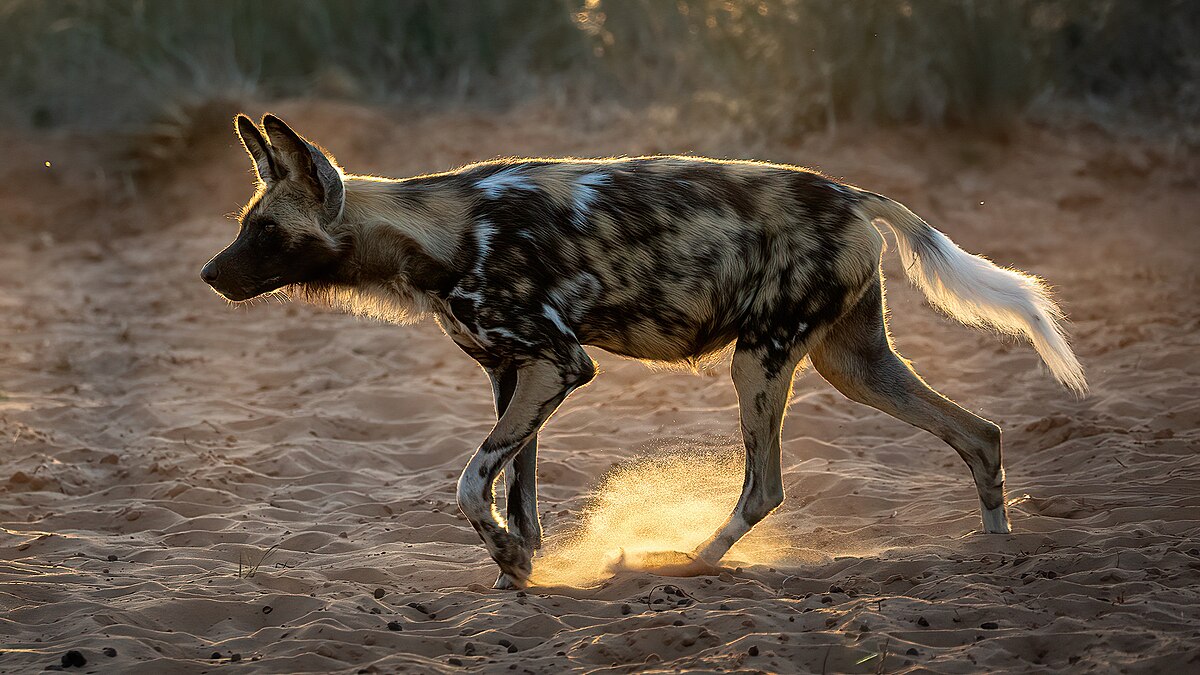
Credit: en.wikipedia.org
Frequently Asked Questions
What Are Common Wild Dog Behaviors?
Wild dogs exhibit pack behavior, hunting together and sharing responsibilities. They communicate through vocalizations and body language. They establish territories using scent markings. Their social structure is hierarchical, with dominant leaders. Wild dogs also display cooperative care for pups, ensuring the survival of their young.
How Do Wild Dogs Communicate?
Wild dogs use vocalizations, such as barks and howls, to communicate. They also rely on body language, including tail positions and facial expressions. Scent markings are used to establish territory and convey information. These communication methods ensure effective coordination and social bonding within the pack.
Why Do Wild Dogs Hunt In Packs?
Wild dogs hunt in packs to increase their success rate. Cooperative hunting allows them to take down larger prey efficiently. It also reduces individual energy expenditure. Pack hunting ensures that food resources are shared among all members, supporting the survival of the entire group.
What Do Wild Dogs Eat?
Wild dogs primarily eat meat, hunting various prey such as antelopes, birds, and rodents. They rely on their speed and endurance to catch prey. Their diet can vary depending on availability. In some regions, they may also scavenge or eat carrion to supplement their diet.
Conclusion
Understanding wild dog behavior helps us coexist peacefully. These animals live in packs. They communicate through barks, growls, and body language. Recognizing their signals can prevent conflicts. Respect their space and avoid direct eye contact. Wild dogs play vital roles in ecosystems by controlling prey populations.
Observing them teaches us about teamwork and survival. Their instincts are fascinating and complex. Learning about their behavior enriches our knowledge of nature. Let's appreciate their uniqueness while ensuring safety. Wild dogs deserve respect and admiration for their natural skills.
Coexistence is possible with knowledge and awareness. Stay informed and respectful.