
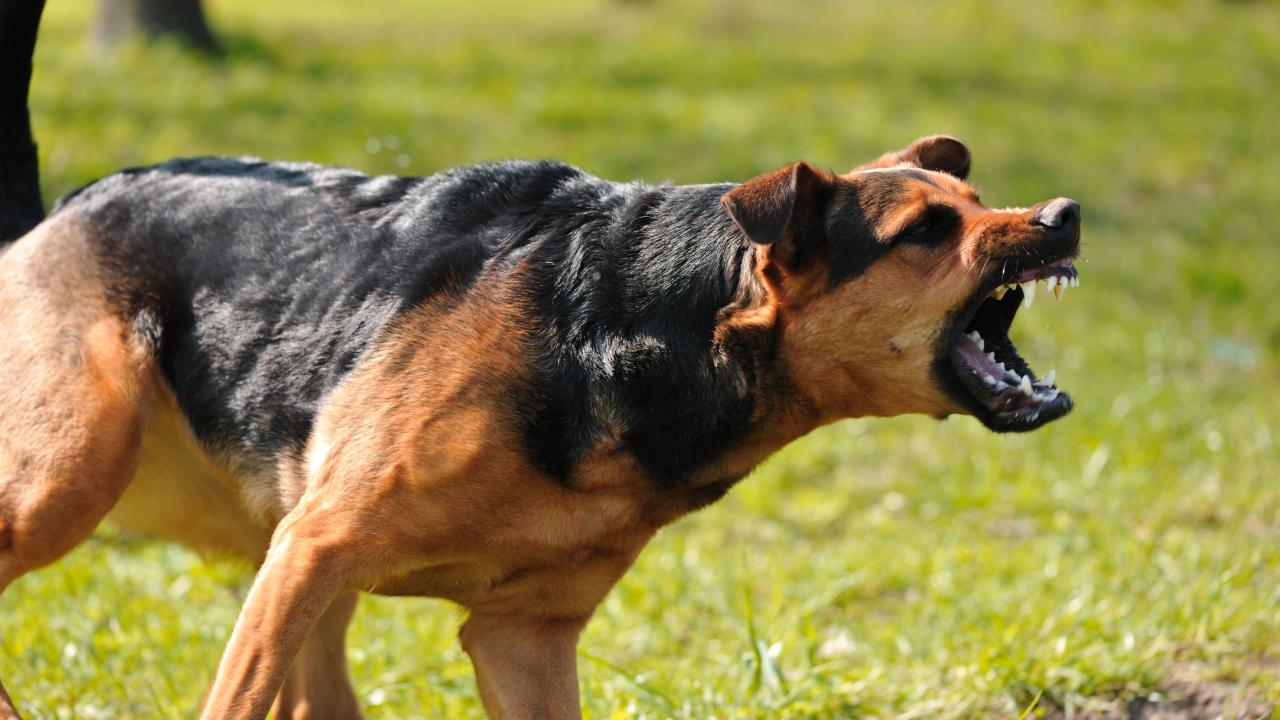
Is your furry friend showing signs of aggression? You're not alone.
Dog aggressive behavior can be both puzzling and concerning. As a pet owner, you want nothing more than a loving and peaceful relationship with your canine companion. Yet, unexpected snarls or barks can disrupt this harmony, leaving you feeling worried or overwhelmed.
Understanding the root causes of this behavior is key to restoring peace and ensuring safety for both you and your dog. Imagine transforming those tense moments into opportunities for connection and growth. By delving into the nuances of dog aggression, you can unlock the secrets to a happier, more harmonious life with your pet. Ready to discover how? Keep reading to uncover practical insights and solutions.
Credit: healthtopics.vetmed.ucdavis.edu
Causes Of Aggressive Behavior In Dogs
Understanding why dogs become aggressive helps in managing their behavior. Aggression can stem from various factors. It's essential to identify these causes to address and mitigate aggressive tendencies effectively.
Genetic Factors
Genetics play a significant role in a dog's behavior. Some breeds have a predisposition to aggression. Breeding history influences temperament. If aggressive traits are present in parents, they may pass to offspring. Responsible breeding practices can minimize this risk.
Environmental Influences
The environment shapes a dog's behavior significantly. Dogs in stressful surroundings may develop aggression. Lack of socialization is a common cause. Early positive experiences with people and animals reduce this risk. Dogs need consistent, safe spaces to thrive.
Medical Conditions
Health issues can lead to aggression in dogs. Pain often triggers defensive behavior. Conditions like arthritis or dental issues cause discomfort. Hormonal imbalances can also affect mood. Regular vet check-ups ensure health problems are detected early.
Credit: www.mccanndogs.com
Types Of Aggression
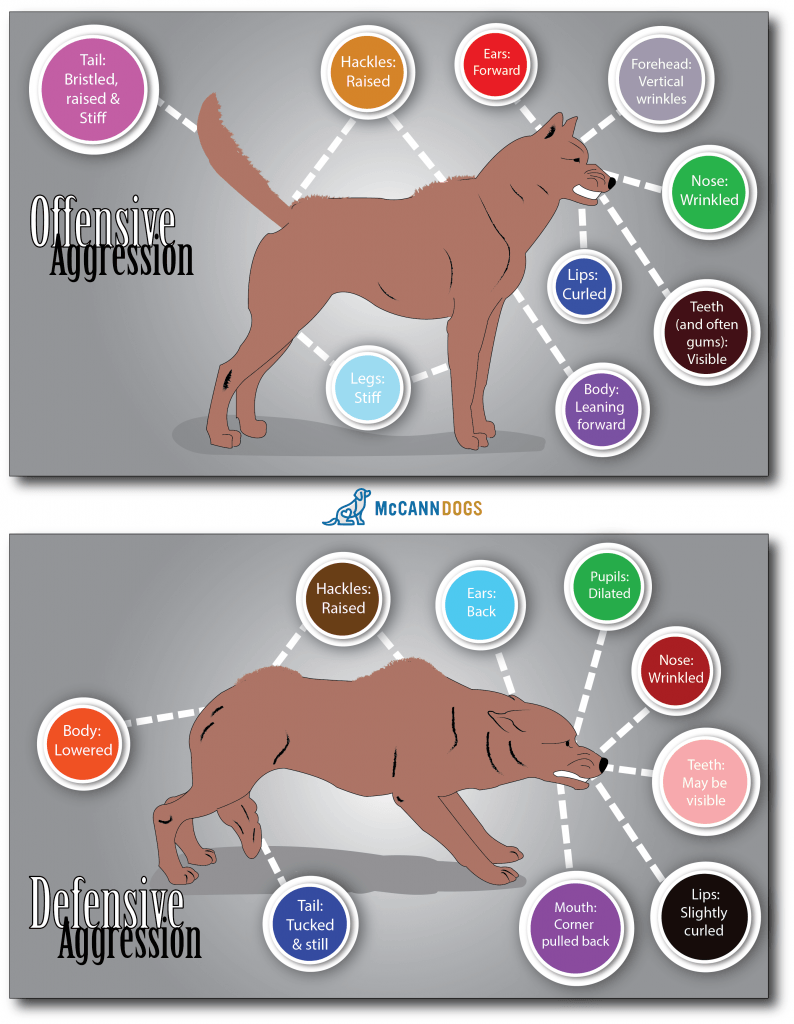
Dog aggressive behavior includes territorial, protective, and fear-based aggression. Dogs may become territorial when guarding their home. Protective aggression occurs when a dog defends a person or another pet. Fear-based aggression arises when a dog feels threatened or scared. Understanding these types helps manage and reduce aggressive tendencies.
Understanding the different types of aggression in dogs is crucial for every pet owner. Aggression can manifest in various forms, each triggered by specific circumstances. Recognizing these can help you manage and mitigate unwanted behaviors effectively.
Territorial Aggression
Dogs are naturally protective of their space. This instinct can sometimes lead to territorial aggression. You might notice your dog barking fiercely at strangers approaching your home or yard. This behavior is their way of defending what they consider theirs. Have you ever wondered why your dog barks at the mailman every day? It's likely because they perceive them as a potential threat to their territory.
Fear-based Aggression
Fear is a powerful trigger for aggression. If your dog feels threatened or cornered, they might lash out in self-defense. This type of aggression often occurs in situations where a dog feels unable to escape. Consider a time when your dog met someone new and reacted with growls or nips. They might have been reacting out of fear. Understanding the root of their fear can help you address this behavior with patience and training.
Resource Guarding
Resource guarding is when a dog becomes protective over items they value. This could be food, toys, or even a favorite spot on the couch. Have you ever reached for your dog's bowl and heard a low growl? This is a classic sign of resource guarding. Dogs act this way because they fear losing something important to them. Addressing this behavior involves teaching your dog that sharing is safe and rewarding. Reflect on how these types of aggression might be present in your dog's behavior. How can you adjust your approach to help your dog feel secure and less reactive? Understanding these nuances can strengthen the bond you share with your furry friend.
Identifying Aggressive Behavior
Spotting dog aggressive behavior involves observing signs like growling or snapping. A tense body or bared teeth also indicate aggression. Understanding these signals helps in managing your pet's behavior effectively.
Understanding your dog's behavior can be a rewarding yet challenging task. Sometimes, our furry friends display aggressive behavior, which can be alarming. Identifying aggressive behavior early can help you address it effectively. It’s crucial to know what to look for so you can keep your dog and those around them safe.
Warning Signs
Recognizing warning signs is the first step in identifying aggressive behavior. Dogs often display certain indicators before they become aggressive. These might include growling, baring teeth, or a stiffened body posture. Pay attention to vocalizations. Excessive barking, snarling, or whining can be precursors to aggression. Consider keeping a journal of these occurrences to identify patterns.
Body Language
A dog's body language speaks volumes. Watch for raised hackles, a rigid tail, or intense staring. These can signal discomfort or a readiness to react aggressively. Notice how your dog positions itself. A forward-leaning stance might indicate a challenge, while a cowering posture could suggest fear-based aggression. Understanding these cues can help you intervene appropriately.
Behavioral Patterns
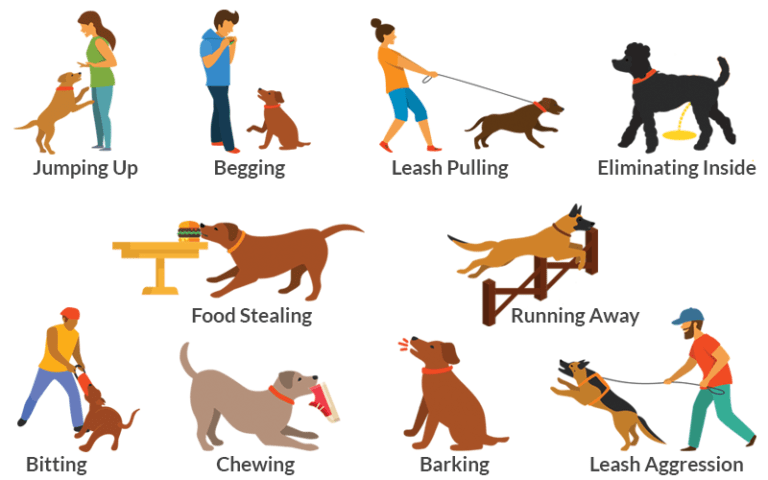
Does your dog show aggression in specific situations? Identifying patterns helps in managing aggression. Some dogs may react aggressively around food, toys, or unfamiliar people. Track your dog's triggers. Are there specific times or places where aggression is more likely? Knowing these can prevent dangerous situations. Consider your dog's history. Have they experienced trauma or lack of socialization? This background can influence their behavior. Reflect on how your responses might affect them. Are you addressing their needs or inadvertently encouraging aggression? By being observant and proactive, you can make a positive impact on your dog's behavior. What changes will you make today to better understand your dog's needs?
Credit: www.urbanpethospital.com
Preventative Measures
Preventing aggressive behavior in dogs is essential for their safety. It also ensures the well-being of others around them. Understanding the root causes can help in taking effective steps. Early intervention with proper methods reduces aggression risks significantly. These measures help in nurturing a balanced and friendly canine companion.
Socialization Techniques
Introduce your dog to new environments early. This helps them adapt to different situations calmly. Regularly meet other dogs and people. This practice reduces fear and anxiety. Use positive reinforcement during social interactions. Reward calm behavior with treats or praise. Socialization should be a gradual and consistent process. Avoid overwhelming your dog with too many new experiences at once.
Training Tips
Start training with basic commands like sit, stay, and come. Consistency in training builds trust and respect. Use positive reinforcement to encourage good behavior. Avoid harsh punishments, which can increase aggression. Short and regular training sessions work best. Always end training on a positive note for your dog. This leaves a lasting positive impression.
Creating A Safe Environment
Ensure your dog’s living space is comfortable and secure. Remove any potential hazards that might cause stress. Provide toys and activities to keep them engaged. A well-stimulated dog is less likely to become aggressive. Establish a routine with regular feeding and exercise times. This helps in creating a sense of security. A predictable environment reduces anxiety.
Behavioral Modification Strategies
Dog aggressive behavior can be managed with behavioral modification strategies. Positive reinforcement and consistent training help calm and redirect aggression. Building trust and understanding the dog's triggers are crucial for success.
Understanding and addressing dog aggressive behavior can be challenging, but effective behavioral modification strategies can make a world of difference. These strategies empower you to communicate more effectively with your dog, fostering trust and reducing aggression. With patience and consistency, you can transform your dog's behavior and improve your relationship. Let's delve into three key strategies: Positive Reinforcement, Desensitization Techniques, and Counterconditioning Methods.
Positive Reinforcement
Positive reinforcement involves rewarding your dog for good behavior. This encourages your dog to repeat those behaviors. Imagine your dog behaving calmly around other dogs and receiving a treat or praise for it. This simple act can reinforce calmness and reduce aggression over time. Have you ever noticed how a simple "good boy!" can make your dog beam with joy? Use this to your advantage. Pair positive actions with treats or toys your dog loves. Consistency is key, so keep your rewards handy during walks or training sessions.
Desensitization Techniques
Desensitization techniques involve gradually exposing your dog to the source of their aggression in a controlled manner. Start with situations your dog can handle, like seeing another dog from a distance. Slowly decrease the distance while ensuring your dog remains calm. Think about your dog’s trigger. Is it other dogs? Loud noises? Begin exposure at a level your dog can tolerate without reacting aggressively. Gradually increase exposure while maintaining a calm environment. This steady approach can help your dog become less reactive and more relaxed.
Counterconditioning Methods
Counterconditioning changes your dog's emotional response to triggers. If your dog reacts aggressively to strangers, pair their presence with something positive, like treats or playtime. This can help shift your dog's perception from fear to excitement. Picture your dog wagging their tail instead of growling at a visitor. By associating strangers with positive experiences, your dog can learn to welcome new people. This method requires patience but can lead to significant changes in behavior. Each of these strategies requires commitment and time, but the results can be incredibly rewarding. Have you tried any of these techniques with your dog? What worked best for you? Share your experiences and tips in the comments below, and let's create a community of support for our furry friends.
Professional Help And Therapy
Dog aggression can be unsettling. Seeking professional help is essential. Experts can offer guidance and solutions tailored to your dog's needs.
They utilize proven techniques to address behavior issues effectively. Let's explore different options available for managing dog aggression.
Working With A Dog Trainer
Professional dog trainers specialize in understanding canine behavior. They can identify triggers and teach corrective actions.
Training sessions are structured and focused. They aim to instill discipline and reduce aggressive tendencies.
Trainers use positive reinforcement methods. This encourages your dog to respond favorably to commands.
Consulting A Veterinarian
Veterinarians play a key role in addressing aggression. They can check for underlying health issues.
Sometimes aggression results from pain or discomfort. A vet can diagnose and treat medical conditions.
Consulting a vet ensures your dog is healthy. It also ensures behavior changes are not due to illness.
Exploring Animal Behaviorists
Animal behaviorists have deep insights into canine psychology. They study interactions and environment influences.
Behaviorists offer personalized therapy sessions. These sessions focus on modifying aggressive behaviors.
They work closely with owners. Their goal is to build a harmonious relationship between you and your dog.
Long-term Management
Effective long-term management of dog aggressive behavior involves consistent training and positive reinforcement. Building trust and understanding between the dog and owner helps reduce aggression. Regular socialization and professional guidance can significantly improve a dog's behavior over time.
Managing a dog with aggressive behavior is a journey that requires patience, dedication, and ongoing effort. Long-term management isn't about quick fixes; it's about creating lasting change in your dog's behavior. Your commitment to this process can lead to a happier and more harmonious life for both you and your furry friend. Let's delve into key strategies that can help you on this path.
Maintaining Consistency
Consistency is your ally in managing aggressive behavior. Dogs thrive on routine and clear expectations. If your dog knows what's expected, they are less likely to act out. Imagine your dog reacting calmly during a stressful situation. This is achievable through consistent training. Stick to your commands and rewards system. Your dog will learn what is acceptable and what isn't. Consistency also involves everyone in the household. Family members should be on the same page regarding rules and training techniques. This unified approach prevents mixed signals and helps reinforce positive behavior.
Adjusting Lifestyle
Sometimes, managing aggression requires lifestyle adjustments. Is your dog getting enough exercise? A tired dog is often a calmer dog. Regular walks and play sessions can reduce pent-up energy and frustration. Consider your dog's environment. Is it conducive to calm behavior? If your dog is anxious, try a more peaceful setting. Less noise and fewer distractions can lead to better behavior. Nutrition plays a role too. A balanced diet can improve mood and behavior. Ensure your dog gets the right nutrients to support their mental health.
Monitoring Progress
Tracking your dog's improvement is crucial. How can you know what's working if you don't measure it? Keep a journal of your dog's behavior. Note any aggressive incidents and the context around them. Are there specific triggers for your dog's aggression? Identifying these can help you avoid or address them. Your journal can reveal patterns over time. Celebrating small victories is important. Every step forward is a step towards a better relationship with your dog. How does your dog react now compared to a few months ago? Recognizing progress keeps you motivated and focused on the goal. Managing aggressive behavior in dogs is a marathon, not a sprint. What changes have you noticed in your dog's behavior since starting this journey? Your dedication can transform your dog's life and bring peace to your household.
Frequently Asked Questions
What Causes Aggressive Behavior In Dogs?
Aggressive behavior in dogs can stem from various factors. These include fear, territorial instincts, and past trauma. Health issues and lack of socialization may also contribute. Understanding the root cause is crucial for effective management and training.
How Can I Prevent Dog Aggression?
Preventing dog aggression involves early socialization and training. Introduce your dog to various environments and situations. Consistent, positive reinforcement can help. Addressing health issues promptly also reduces aggression risks. Consulting a professional trainer can be beneficial.
Are Some Dog Breeds More Aggressive?
Certain breeds may exhibit aggressive tendencies more than others. Factors such as genetics, environment, and training play significant roles. It's essential to remember that individual temperament varies. Proper training and socialization are crucial for all breeds.
Can Aggressive Dogs Be Rehabilitated?
Yes, aggressive dogs can be rehabilitated with patience and proper techniques. Professional trainers and behaviorists can help. Consistent training, positive reinforcement, and addressing underlying issues are key. It's important to approach rehabilitation with realistic expectations.
Conclusion
Understanding dog aggression helps ensure a safe environment for everyone. Observing your dog's behavior can prevent potential issues. Training and socialization are key. They help reduce aggressive tendencies. Consistency in approach builds trust with your pet. It's crucial to identify triggers early.
Professional help can be beneficial. Vets and trainers offer valuable insights. Always prioritize safety for both humans and dogs. Patience and love play vital roles in addressing aggression. Remember, every dog is unique. They deserve a chance to live peacefully.
With effort, harmony is possible. Your dog can become a well-adjusted family member.


