Are you wondering if raw dog foods are the key to unlocking better health for your furry friend? You’re not alone.
Many dog owners, just like you, are searching for the best diet to keep their pets happy and healthy. With the growing popularity of raw dog foods, it’s important to understand what benefits they might offer your dog and whether they are indeed healthier.
Imagine watching your dog thrive with a shiny coat, boundless energy, and fewer visits to the vet. The idea of feeding your pet a more natural, raw diet is enticing. But with so much information out there, how do you know what’s right for your dog? We’ll dive into the world of raw dog foods, exploring their potential benefits and risks, so you can make an informed decision that could positively impact your dog's well-being. Keep reading to discover whether raw dog foods might be the healthier choice for your canine companion.
Raw Diet Essentials
Raw Diet Essentials explores whether raw dog foods provide better health benefits for dogs. Discover key insights into nutrition and well-being, helping pet owners make informed choices. Understand the essentials of raw diets and their potential impact on your dog's overall health and vitality.
Raw Diet Essentials Switching your dog to a raw diet can feel like a big step, but it might be the healthy change you've been considering. Many pet owners believe raw dog foods offer a more natural way to nourish their furry friends. You might wonder what exactly goes into a raw diet and how to prepare it safely.
Components Of Raw Dog Food
The main ingredients in a raw dog food diet usually include raw meat, bones, fruits, and vegetables. Some pet owners also add eggs and dairy products for extra nutrients. It's crucial to ensure these components are fresh and well-balanced to meet your dog's dietary needs. Providing a variety of proteins like chicken, beef, or fish can help ensure your dog gets a broad range of nutrients. Organ meats like liver and kidney are rich in vitamins and should be included in small amounts. Balance is key, and consulting a veterinarian can help tailor the diet to your dog's specific needs.
Preparation Methods
Preparing raw dog food can be simple with the right approach. Some pet owners choose to grind meat and bones for easier consumption. Others prefer to chop ingredients into bite-sized pieces, maintaining texture. Safety is paramount when handling raw foods. Always keep your preparation area clean and wash your hands thoroughly. Freezing ingredients before use can reduce the risk of harmful bacteria, ensuring your dog stays healthy. You might wonder about the time investment. Preparing meals in batches and storing them in portion-sized containers can save time. This method also ensures you always have a fresh meal ready for your dog. Have you considered a raw diet for your dog? What are your thoughts on the balance between convenience and health benefits? Your journey into raw feeding could be the path to a healthier, happier pet.
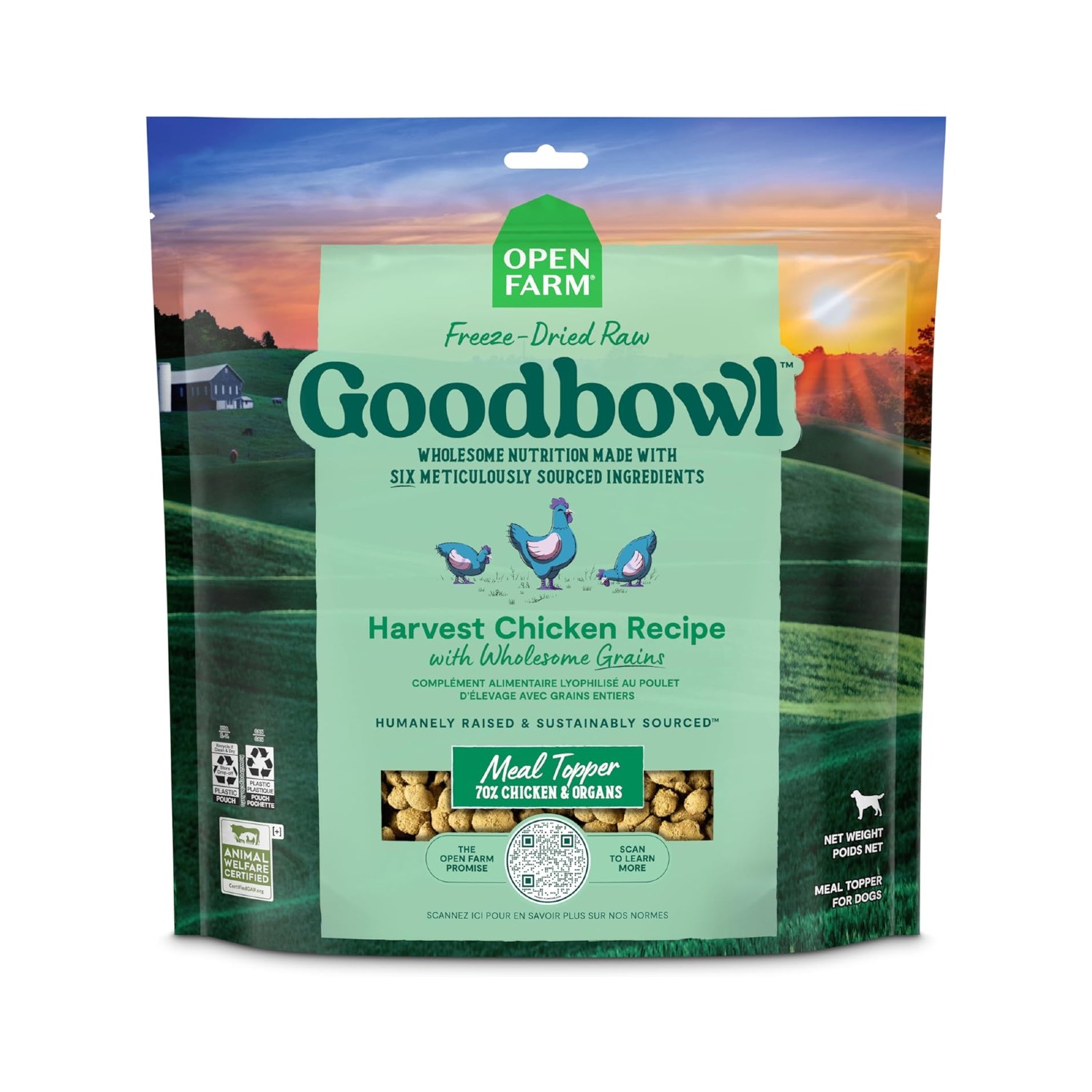
Credit: www.baxterboo.com
Benefits Of Raw Dog Food
Raw dog food can offer numerous health benefits for dogs. It often includes natural ingredients that promote healthy skin and shiny coats. Dogs may also experience improved digestion and increased energy levels.
Are you considering switching your dog's diet to raw food? The benefits of raw dog food are a hot topic among pet owners and veterinarians alike. Raw dog food consists of uncooked meats, bones, fruits, and vegetables. Many dog owners believe that these unprocessed ingredients can lead to a healthier and happier pet. But what exactly are the advantages of feeding your dog a raw diet? Let's dive into some of the specific benefits.
Nutritional Advantages
Raw dog food often contains more nutrients compared to highly processed kibble. Fresh meats and vegetables are packed with vitamins and minerals that can boost your dog's overall health. For instance, raw diets are rich in protein and healthy fats, which are essential for maintaining strong muscles and a shiny coat. Feeding raw food can also mean fewer preservatives and additives. This means your dog is getting more natural nutrition without the extra fillers found in many commercial dog foods. Have you noticed your dog being more energetic after meals? This might be due to the nutrient-rich ingredients in their raw diet.
Improved Digestion
Many dog owners report better digestion in their pets after switching to raw food. Raw diets are often easier for dogs to break down and absorb. This can lead to firmer stools and fewer digestive issues. Think about your dog's current digestion. Are they frequently gassy or have irregular bowel movements? A raw diet could help stabilize their digestive system, leading to a happier and more comfortable pet. In my experience with my own dog, switching to raw food made a noticeable difference. Not only did his digestion improve, but his breath also became noticeably fresher. Could this be the change your dog needs? Before making any changes, it's important to consult with your vet to ensure a balanced diet for your dog's specific needs.
Potential Risks
Raw dog food diets may carry potential risks for dogs. These include exposure to harmful bacteria and an unbalanced nutritional intake. Always consult a vet before changing a dog's diet.
When considering a raw diet for your dog, it's crucial to weigh the potential risks involved. While many pet owners find benefits in raw feeding, there are several health concerns and contamination risks that shouldn't be overlooked. Understanding these risks can help you make an informed decision that safeguards your furry friend’s health.
Health Concerns
Raw dog food might not always provide a balanced diet, potentially leading to nutritional deficiencies. Dogs need a variety of nutrients, and balancing these in a homemade raw diet can be challenging. Without proper guidance, your pet could miss out on essential vitamins and minerals. Some dogs may also experience digestive issues when transitioning to a raw diet. It's not uncommon for pets to face upset stomachs or diarrhea due to sudden dietary changes. Have you ever noticed your dog's discomfort after introducing new food? It's a reminder of how sensitive their systems can be.
Contamination Risks
Contamination is a significant risk with raw dog foods. Handling raw meats increases the chances of bacteria like Salmonella or E. coli entering your home. These bacteria can not only affect your pet but also pose a threat to human health. Even commercially prepared raw diets are not immune to these risks. There have been instances where such products were recalled due to contamination issues. Are you prepared to manage the hygiene and safety measures required to minimize these risks? Proper storage and handling are essential to prevent bacterial growth. If you're considering raw feeding, are you ready to commit to the vigilance it requires? This commitment includes frequent cleaning and strict hygiene practices to keep your household safe.

Credit: tomlinsons.com
Comparing Raw And Commercial Dog Foods
Pet owners often debate raw vs. commercial dog foods. Each option has unique benefits and drawbacks. Understanding these can help in making an informed choice. Raw dog food enthusiasts believe in its natural benefits. Conversely, commercial dog food offers convenience and consistency. This comparison will break down their differences.
Nutrient Comparison
Raw dog food often contains whole ingredients. Fresh meats, vegetables, and fruits are common. These foods provide dogs with essential nutrients. Raw diets can be rich in protein and natural enzymes. Some argue these are crucial for canine health. Commercial dog foods are processed. They may contain fillers and additives. But they are formulated to meet nutritional standards. They ensure a balanced diet in every serving.
Cost Differences
Raw dog food can be expensive. The cost of fresh ingredients adds up. It often requires special storage and preparation. This can increase overall expenses. On the other hand, commercial dog foods are budget-friendly. They offer a cost-effective feeding solution. Available in various price ranges. They fit different budgets and needs.
Veterinary Opinions
Raw dog foods are gaining attention for potential health benefits. Many believe natural ingredients support better digestion and shinier coats. Veterinary opinions vary, urging careful consideration of nutritional balance and safety.
When it comes to choosing the best diet for your dog, veterinary opinions can offer valuable insights. The debate over raw dog food versus traditional kibble is lively, with veterinarians often divided on the issue. Understanding both sides can help you make a more informed decision for your furry friend.
Support For Raw Diets
Some veterinarians advocate for raw diets, citing their potential benefits. They argue that raw foods can mimic what dogs would naturally eat in the wild, providing a diet rich in natural proteins and nutrients. Dr. Karen Becker, a well-known holistic vet, suggests that raw diets can lead to improved digestion, healthier coats, and increased energy levels. Consider this: Have you ever noticed your dog’s enthusiasm when presented with fresh, raw meat compared to dry kibble? Proponents of raw diets believe that this instinctual preference can signal better health outcomes. They also suggest that raw diets can help dogs with allergies, as they can be tailored to avoid specific triggers.
Criticism And Concerns
On the other hand, many veterinarians express concerns about raw diets. A key worry is the risk of bacterial contamination, which can pose health risks to both dogs and humans. Dr. Lisa Freeman from Tufts University warns that raw meats can carry pathogens like Salmonella and E. coli, which could lead to serious infections. Another concern is nutritional balance. Critics point out that raw diets may lack essential nutrients unless carefully planned. This can lead to deficiencies and health issues over time. Have you considered the time and effort required to ensure a balanced raw diet? It may not be feasible for every pet owner. Veterinary opinions highlight the importance of weighing the pros and cons of raw dog foods. While some experts see potential benefits, others raise valid concerns. What do you think? Is the potential benefit worth the risk, or do the criticisms give you pause?
Case Studies And Real-life Experiences
Considering raw dog foods for your furry friend might seem daunting, but learning from others' experiences can offer valuable insights. Case studies and real-life experiences provide a window into the effectiveness and challenges of raw feeding. Let's explore some success stories and challenges faced by dog owners who have ventured into this dietary path.
Success Stories
Many dog owners have reported remarkable changes after switching to raw diets. One owner, Sarah, noticed her Labrador's coat became shinier and his energy levels soared. A change in diet brought unexpected benefits, reducing allergies that were once a constant battle.
Another success story involves a rescued German Shepherd named Max. His digestive issues were resolved, and he gained healthy weight. Max's owner found that raw feeding eliminated the need for expensive supplements.
These experiences show that raw diets can have transformative effects. Have you ever wondered if a dietary change could solve your dog's health problems?
Challenges Faced
Transitioning to raw food is not without its hurdles. Some owners, like Jane, faced initial difficulties in sourcing quality ingredients. The hunt for reliable suppliers can be time-consuming.
Another challenge is the balancing act of nutrients. Tom struggled with ensuring his dog received a balanced diet. He needed expert guidance to avoid deficiencies.
These challenges highlight the importance of research and planning. Are you prepared to tackle the complexities that come with raw feeding?
Real-life experiences provide not only the highs but also the lows of raw feeding. Your journey may be unique, but the shared wisdom from these case studies can be a guiding light. What insights have you gained from others that might shape your dog's diet?
Making The Transition
Exploring raw dog food options can spark curiosity among pet owners. Many believe raw diets offer improved nutrition. Understanding the benefits and risks helps make informed choices for healthier canine meals.
Switching your dog to a raw food diet can feel like a big step. It's a journey that requires patience and careful attention. But with the right approach, you can ensure a smooth transition that benefits your furry friend’s health. Are you ready to make the change?
Steps To Introduce Raw Food
Start with small portions. Mix a bit of raw food with your dog’s current diet. Gradually increase the raw food amount while decreasing the kibble. This helps your dog’s digestive system adjust. Choose a variety of raw foods like lean meats, vegetables, and fruits. Each provides essential nutrients. Rotate these to keep meals interesting and nutritionally balanced. Consult your vet before making changes. They can offer advice tailored to your dog’s specific needs. Their insight ensures your dog gets the right nutrients during the transition.
Monitoring Health Changes
Keep an eye on your dog's energy levels. A boost in vitality is a good sign. If they seem sluggish, adjust the diet or consult a vet. Watch your dog's coat. It should become shinier and healthier. Dull fur might indicate a nutritional gap. Monitor changes regularly to catch any issues early. Observe stool consistency. A healthy stool is firm and regular. Loose or irregular stools may require dietary adjustments. Consistent monitoring ensures your dog’s digestion stays on track. Transitioning to raw dog food can be a rewarding experience. What changes will you notice in your dog?

Credit: portlandpetfoodcompany.com
Raw Food Safety Tips
Feeding your dog raw food can boost their health, but you need to prioritize safety. Handling raw food requires attention to detail to prevent health risks for both your pet and your family. Let's explore some crucial tips to keep your raw-fed dog healthy and happy.
Safe Handling Practices
Always wash your hands with soap and water before and after handling raw dog food. This simple practice helps prevent the spread of bacteria. Use separate cutting boards and utensils for raw dog food to avoid cross-contamination with human food.
Clean all surfaces that come in contact with raw food thoroughly. A mixture of hot water and dish soap works well. Consider using a sanitizing spray for extra peace of mind.
Storage Guidelines
Raw dog food should be stored in the freezer until you're ready to use it. This keeps harmful bacteria at bay. Thaw only the amount you need for a single meal in the refrigerator, not at room temperature.
Use airtight containers to store any leftover raw food in the fridge. This helps maintain freshness and prevent the spread of odors. Consume thawed raw food within 48 hours to ensure it's safe for your dog.
By following these simple yet effective safety tips, you can confidently serve raw meals to your furry friend. Have you tried raw feeding before? What challenges did you face, and how did you overcome them?
Frequently Asked Questions
Is Raw Dog Food Safer Than Kibble?
Raw dog food can be safer if prepared properly. It offers more natural nutrients compared to processed kibble. However, it poses risks of bacterial contamination. Ensure you source high-quality ingredients and follow hygiene practices. Consult your vet for guidance on transitioning to raw food safely.
Can Raw Food Improve My Dog's Health?
Raw food can improve your dog's health by offering fresh nutrients. It may boost energy levels and improve coat condition. Some dogs experience better digestion on raw diets. However, it's essential to balance nutrients and avoid deficiencies. Regular vet check-ups are recommended to ensure health benefits.
How To Transition A Dog To Raw Food?
Transitioning to raw food requires gradual changes. Start by mixing small amounts of raw food with their current diet. Gradually increase the raw portion over days or weeks. Monitor your dog's health and digestion closely. Consult a vet for personalized guidance and ensure nutritional balance during the transition.
Are There Risks With Raw Dog Food Diets?
Raw dog food diets have potential risks, including bacterial contamination. Improper preparation can lead to health issues. Some dogs may lack essential nutrients if the diet isn't balanced. Always use fresh, high-quality ingredients and follow hygiene practices. Regular vet consultations help mitigate risks and ensure safe feeding.
Conclusion
Raw dog foods might offer benefits for your pet's health. Dogs can enjoy fresh ingredients and natural nutrients. Some owners report better digestion and shinier coats. Always consult a vet before switching diets. Raw foods require careful handling to avoid bacteria risks.
Balance is key in any diet. Consider your dog's unique needs and lifestyle. Explore options and keep an open mind. Each dog is different. Their diet should match their health needs. Make informed choices for their well-being. Choose what's best for your beloved furry friend.