Aggressive behavior in dogs can be alarming and leave you feeling uncertain about what to do next. Whether it's unexpected growling, snapping, or barking, these actions can disrupt your peace and cause worry.
You're not alone in facing this challenge, and the good news is that understanding why your dog behaves aggressively is the first step towards a happier, healthier relationship with your furry friend. Imagine transforming fear into confidence, and chaos into calm.
By delving into the causes and solutions of aggressive behavior in dogs, you can unlock the secrets to a more harmonious life with your pet. Stick with us to discover insights that could change everything for you and your dog.
Causes Of Aggression
Aggressive behavior in dogs often stems from fear, frustration, or territorial instincts. Sometimes, dogs become aggressive due to medical issues or pain. Lack of proper socialization and training can also lead to unwanted aggression. Understanding these causes helps in managing and reducing aggressive tendencies effectively.
Aggressive behavior in dogs can be a challenging issue for many pet owners. Understanding the causes of aggression is crucial for addressing and managing these behaviors effectively. Various factors contribute to aggression in dogs, and recognizing them can help you develop strategies to ensure a harmonious relationship with your furry friend.
Genetic Factors
Some dogs inherit traits that make them more prone to aggression. Breeds known for guarding or protection might have a genetic predisposition to aggressive behavior. If your dog comes from a lineage of aggressive dogs, this could be a significant factor.
Lack Of Socialization
Dogs that aren't exposed to different people, animals, and environments early in life may become aggressive. A personal anecdote: my neighbor's dog, never socialized, barked at anyone unfamiliar. Early and consistent social exposure helps your dog develop confidence and reduces fear-based aggression.
Fear And Anxiety
Fear can trigger aggression in dogs. Imagine a child frightened by a thunderstorm; dogs react similarly to unfamiliar or threatening situations. If your dog is aggressive, assess if fear or anxiety is the root cause. Understanding these emotions can guide you in creating a safer environment.
Territorial Instincts
Dogs naturally protect their space. If your dog growls when someone approaches their favorite spot, it might be territorial aggression. Consider how you can train your dog to feel secure without the need to guard their territory aggressively.
Pain And Health Issues
Physical discomfort can cause aggression. A friend’s dog, aggressive after an injury, was simply reacting to pain. Regular health check-ups are vital. If your dog suddenly becomes aggressive, consult a vet to rule out any underlying health problems. Think about your dog's behavior: could any of these factors be influencing their aggression? Understanding the root causes empowers you to take actionable steps towards a peaceful coexistence.
Types Of Aggression
Dogs display different types of aggression, such as territorial, fear-induced, and possessive. Territorial aggression occurs when dogs guard their space. Fear-induced aggression happens when they feel threatened. Possessive aggression arises when they protect their belongings. Understanding these behaviors helps in managing and training dogs effectively.
Understanding the different types of aggression in dogs is essential for addressing behavioral issues effectively. Each form of aggression has its own triggers and solutions. Recognizing these can help you manage your dog's behavior and maintain a peaceful environment.
Dominance Aggression
Dominance aggression often surfaces when a dog feels the need to assert control over a situation. This can happen if a dog perceives a challenge to its social position. Training that reinforces your role as the leader can help reduce this type of aggression.
Fear-based Aggression
Fear-based aggression occurs when a dog feels threatened or cornered. It's not about being mean; it's about survival instincts kicking in. Building trust and creating a safe space can help alleviate these fears.
Territorial Aggression
Territorial aggression is triggered when a dog perceives an intrusion into its domain. This can be your home, yard, or even a car. Setting boundaries and socializing your dog can help minimize this behavior.
Possessive Aggression
Possessive aggression arises when a dog wants to guard a valuable resource. This could be food, toys, or even a favorite person. Teaching your dog to share and rewarding calm behavior can lessen this aggression.
Redirected Aggression
Redirected aggression happens when a dog can't reach the source of its frustration and turns its aggression elsewhere. This can be dangerous and confusing for both you and your pet. Recognizing the signs early and removing triggers can prevent this type of aggression. Have you noticed any of these types of aggression in your dog? Addressing them early can save you a lot of stress and keep your furry friend happy. Understanding your dog's behavior is the first step in fostering a healthier relationship.
Identifying Aggressive Behavior
Recognizing aggressive behavior in dogs is crucial for pet safety. Understanding these behaviors helps prevent unwanted incidents. Dogs communicate their feelings through various signals. Recognizing these can help in managing situations effectively. Let's explore some common signs.
Body Language Signs
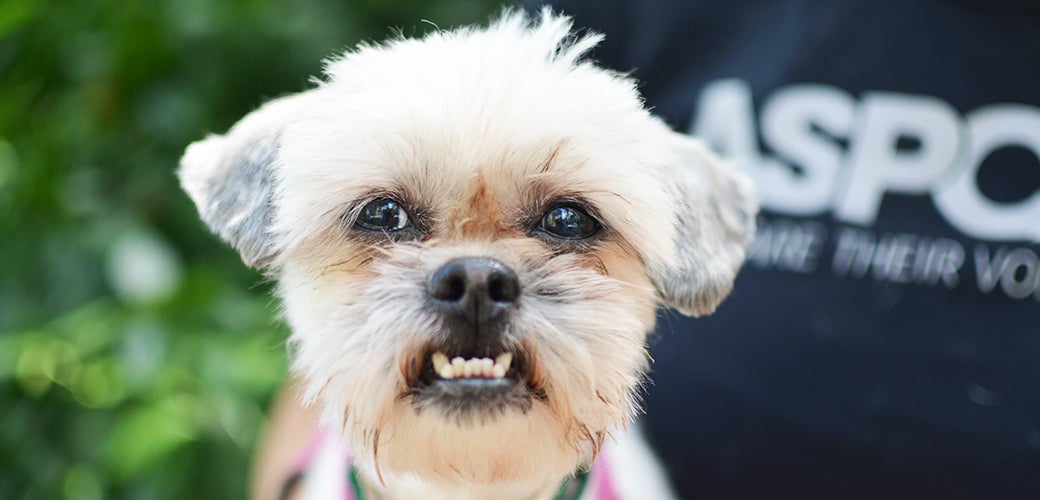
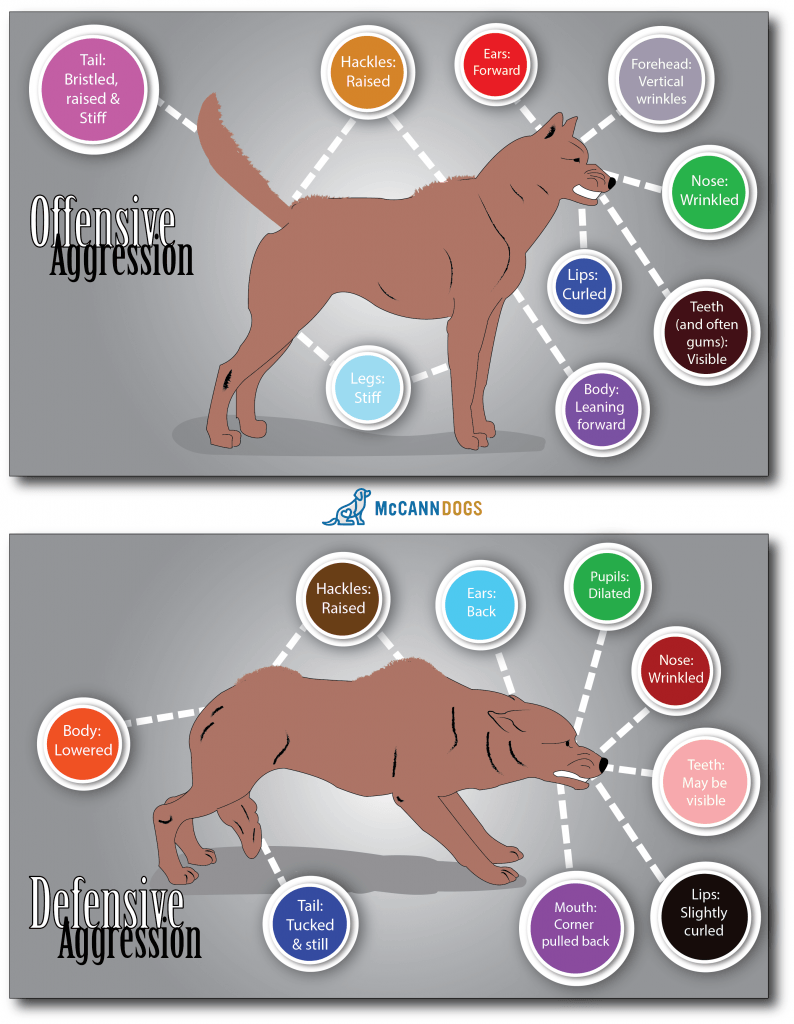
Observe your dog's posture closely. Stiff bodies often signal tension. Raised hackles indicate fear or aggression. Averted eyes might mean discomfort. Direct stares can be a sign of challenge. Wagging tails aren't always friendly. Slow, stiff wags might mean agitation. Beware of curled lips or bared teeth. These are classic signs of aggression.
Vocalization Cues
Dogs express emotions through sounds. Growling often signals a warning. Barking can indicate excitement or threat. Howling may suggest distress or anxiety. Whining often points to discomfort or need. Each sound has a context. Understanding these helps in identifying issues early.
Environmental Triggers
Many dogs react to specific triggers. Unfamiliar surroundings can cause anxiety. Presence of unknown dogs might provoke aggression. Loud noises often lead to fear responses. Changes in routine might unsettle them. Identifying these triggers is essential. It helps in creating a calm environment.
Credit: www.aspca.org
Prevention Strategies
Preventing aggressive behavior in dogs requires a proactive approach. Early interventions reduce the risk of aggression. Focus on socialization and training. A consistent routine helps maintain calm. Positive reinforcement encourages good behavior. These strategies create a safe environment for dogs and their families.
Early Socialization
Introduce your dog to different environments. Meet new people and other pets. Start socialization when they are young. This helps them feel comfortable in various situations. Socialized dogs tend to be less aggressive. They adapt better to changes in their surroundings.
Proper Training Techniques
Use gentle training methods. Avoid harsh corrections. Focus on teaching commands consistently. Practice basic obedience daily. This builds trust and respect. A well-trained dog follows commands. They are less likely to show aggressive behavior.
Consistent Routine
Maintain a regular schedule for feeding and walks. Consistency reduces anxiety in dogs. They know what to expect each day. This helps them feel secure. A calm dog is less prone to aggression.
Positive Reinforcement
Reward good behavior with treats or praise. Dogs love positive feedback. It encourages them to repeat good actions. Avoid punishing bad behavior harshly. Positive reinforcement builds a strong bond. It leads to a happier, well-behaved dog.
Managing Aggression
Understanding aggressive behavior in dogs is crucial for safety and harmony. Managing aggression involves a mix of strategies tailored to each dog. It's essential to approach the issue with patience and consistency. Owners should focus on creating a positive environment for their pets. Building trust is key to success. Below are some effective methods to handle aggression.
Behavior Modification Techniques
Behavior modification is about changing unwanted habits in dogs. Positive reinforcement works well here. Reward your dog when it shows calm behavior. Redirect attention to toys or treats during tense moments. Consistent training helps reinforce good habits. Avoid physical punishment; it can worsen aggression.
Seeking Professional Help
Professional help can be vital in managing aggression. Dog behaviorists offer expert advice tailored to your dog's needs. They assess triggers and suggest personalized strategies. Trainers can teach you effective handling techniques. Vets might check for underlying health issues affecting behavior. Consulting professionals ensures a comprehensive approach.
Medication Options
Medication may aid in reducing aggression. Vets prescribe drugs when necessary. These can help balance the dog's mood. Medication is often paired with training for best results. Always follow vet guidance on dosage and duration. Monitor your dog for any side effects. Medication should never replace proper training.
Safe Handling Practices
Handling aggressive dogs requires caution. Use a leash and muzzle if needed. Avoid sudden movements that may startle the dog. Learn to read body language to predict aggression. Stay calm and assertive in challenging situations. Create a safe space where your dog feels secure. Educate family members about safe practices.
Credit: www.mccanndogs.com
Role Of The Dog Owner
Dog owners play a vital role in managing aggressive behavior in dogs. Understanding triggers and providing consistent training helps ensure a safe environment. Proper socialization and setting clear boundaries can prevent unwanted incidents.
Understanding and managing aggressive behavior in dogs is a shared responsibility between the dog and the owner. Often, how you interact with your dog can significantly influence its behavior. As a dog owner, your role is crucial in shaping your pet's actions and reactions.
Understanding Dog Behavior
Before addressing aggression, it's essential to understand your dog's behavior. Dogs communicate differently than humans, often relying on body language. Notice subtle cues like a wagging tail, barking, or a fixed stare. Each behavior can tell you how your dog feels. Learning these signs can help you respond appropriately and prevent potential aggression. Can you recognize when your dog is uncomfortable or threatened?
Building Trust And Bonding
Trust is the foundation of any relationship, including the one with your dog. Spend quality time with your pet to build trust. Regular playtime, walks, and even simple cuddles can strengthen your bond. Dogs need to feel secure with you as their leader. Consistency in your actions and commands helps in building this trust. Once, I had a neighbor whose dog was terrified of people. With time, patience, and regular socialization, the dog eventually became more comfortable and less aggressive. Are you consistent and patient with your dog?
Creating A Safe Environment
A safe environment reduces anxiety and potential aggressive behavior in dogs. Ensure your dog has a comfortable space to retreat to when feeling stressed. Remove items that may provoke aggression, like toys if they cause possessiveness. Establish routines that your dog can rely on. Predictability can reduce fear and anxiety in dogs. Think about your home: does your dog have a safe spot? How can you make your environment more predictable and calming for your pet?
Myths And Misconceptions
Aggressive behavior in dogs often leads to misunderstandings. Many myths cloud the truth about aggression. These myths can affect how people treat and train their dogs. Understanding the reality is crucial for better relationships with our furry friends.
Breed Stereotypes
Many believe certain breeds are naturally aggressive. This myth harms dogs and their owners. No breed is born aggressive. Aggression often stems from a dog's environment or upbringing. Every dog is unique. Judging them by breed alone is unfair and inaccurate.
Punishment Effectiveness
Some think punishing a dog stops aggression. This belief is misleading. Punishment can increase fear and anxiety in dogs. It often makes aggression worse. Positive reinforcement works better. Rewarding good behavior encourages change and builds trust.
Aggression And Play
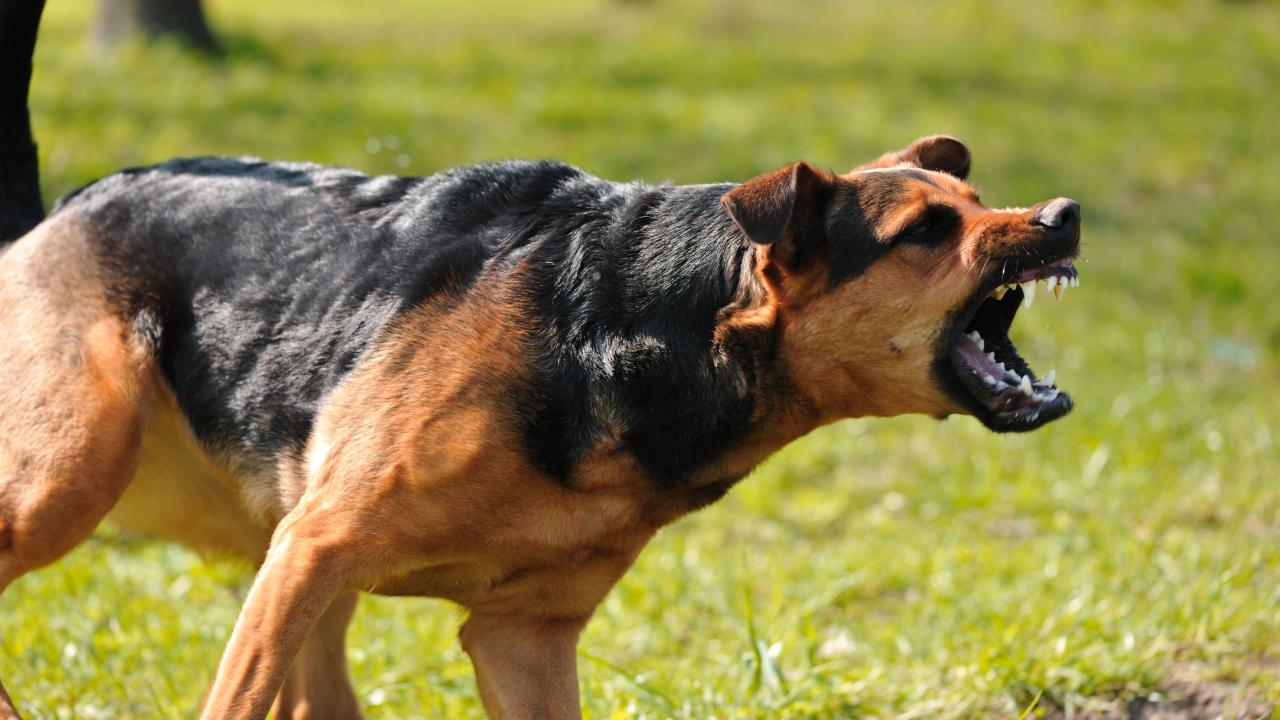
People often confuse play with aggression. Dogs may growl or nip during play. These actions are usually harmless. Play is a way for dogs to bond and learn. Observing body language helps distinguish play from real aggression. A wagging tail often signals playfulness, not aggression.
Credit: healthtopics.vetmed.ucdavis.edu
Frequently Asked Questions
What Causes Aggressive Behavior In Dogs?
Aggressive behavior in dogs can stem from fear, territorial instincts, or lack of socialization. It's often triggered by environmental factors or past experiences. Understanding the root cause is essential for addressing aggression effectively. Consult a professional for a tailored approach to managing and modifying aggressive behavior in your dog.
How Can I Identify Aggression In My Dog?
Signs of aggression include growling, snapping, barking, and biting. Dogs may also display body language changes, like raised fur or a stiff posture. Observing these signs early can help in seeking timely intervention. It's crucial to address aggressive behavior promptly to prevent it from escalating.
Are Some Dog Breeds More Aggressive?
Some breeds may have a predisposition towards aggression due to genetics and history. However, individual temperament varies widely. Factors such as upbringing, training, and environment play significant roles. It's important to remember that any dog, regardless of breed, can exhibit aggression if not properly managed.
Can Aggressive Dogs Be Trained?
Yes, aggressive dogs can often be trained with patience and consistency. Professional trainers use behavior modification techniques to address underlying issues. Training involves positive reinforcement and desensitization strategies. Early intervention and commitment are key to successful behavior modification.
Conclusion
Understanding aggressive behavior in dogs can improve their well-being. Recognize triggers. Take steps to address them. Training and socialization play key roles. Seek professional help when needed. Patience is crucial. Every dog is unique. Tailor your approach to their needs.
Building trust is essential. Communicate with your dog effectively. Safety comes first for everyone. Consistent effort brings positive changes. Enjoy a happier bond with your furry friend.