Have you ever wondered what goes on in your dog's mind? Dogs are fascinating creatures, full of energy and loyalty.
Their behaviors can sometimes be puzzling, leaving you curious about why they do what they do. Understanding your dog’s behavior is not just about solving the mystery of their actions; it’s about building a deeper bond with your furry friend.
This article will delve into the intriguing world of animal behavior in dogs, revealing insights that can transform how you interact with your pet. Whether it's the excited wag of a tail or a playful bark, each behavior tells a story. Keep reading to unlock the secrets behind these gestures and enhance your connection with your canine companion.
Evolutionary Roots
Dogs exhibit behaviors rooted in their evolutionary past. Their hunting instincts, social bonding, and protective nature mirror traits of their wild ancestors. Understanding these behaviors helps in nurturing and training them effectively.
Understanding the evolutionary roots of dog behavior offers fascinating insights into why your furry friend acts the way they do. Dogs, much like humans, have a rich history that shapes their everyday actions. Knowing this can improve your relationship with your dog and help you meet their needs more effectively.
The Ancestral Link To Wolves
Dogs share a common ancestor with wolves, which explains many of their behaviors. The pack mentality, for instance, is a throwback to their wolf ancestors. This is why dogs thrive in social settings and often look to you as the leader of their pack. Have you ever noticed your dog circling before lying down? It's a habit inherited from wolves, who would circle to flatten grass and check for danger. Such behaviors are not just quirks but vital survival instincts from their wild past.
Adapting To Human Companionship
Over time, dogs have adapted to live alongside humans, leading to changes in behavior. Early dogs that could coexist peacefully with humans were more likely to be fed and cared for, increasing their chances of survival. This symbiotic relationship means dogs are naturally attuned to human emotions. If you find your dog comforting you when you're sad, it’s not by accident. They've evolved to read your emotions and respond in ways that strengthen the bond between you.
The Role Of Domestication
Domestication has significantly shaped modern dogs' behavior. Selective breeding over thousands of years has refined traits that humans find desirable, such as friendliness and trainability. This process has created the wide variety of breeds we see today, each with unique behaviors suited to specific roles or environments. Consider how herding dogs like Border Collies instinctively gather and control other animals. This isn't just training—it's an inherited behavior that has been honed over generations to suit specific human needs.
Why Understanding Matters
Comprehending your dog's evolutionary roots can make you a better pet parent. When you recognize that your dog's barking at strangers is a protective instinct from their ancestors, you're better equipped to manage it. Are you meeting your dog's needs that stem from their evolutionary past? Providing outlets for their natural behaviors, like regular playtime for those with strong prey drives, can lead to a happier and more balanced dog. By appreciating their ancient roots, you can deepen your connection with your dog, making life together more rewarding for both of you.

Credit: www.aspca.org
Communication Methods
Understanding how dogs communicate is crucial for building a strong bond with your furry friend. Dogs have developed an array of communication methods to express their feelings, needs, and even their thoughts. Knowing how to interpret these signals can enhance your relationship and improve your training efforts. Let's dive into the fascinating ways dogs communicate, from body language to scent marking.
Body Language
Dogs are excellent at using their bodies to convey messages. A wagging tail might suggest happiness, but tail position can also indicate uncertainty or aggression. When you notice your dog’s ears pulled back, it might be feeling anxious or submissive.
Think of how your dog behaves during a walk. If it pulls back, it might be feeling nervous about something ahead. Observing these cues allows you to respond appropriately, ensuring your dog's comfort and safety.
Vocalizations
Barking is just the start of a dog's vocal repertoire. Whining can be a sign of discomfort or a plea for attention. Growling might serve as a warning or a playful invitation. Each sound has a purpose, and understanding them requires context.
Consider your dog’s bark when a stranger approaches. It might be protecting its territory or feeling threatened. By assessing the situation, you can decide whether to reassure your dog or investigate further.
Scent Marking
Dogs use scent as a powerful communication tool. When your dog sniffs during a walk, it's reading messages left by other dogs. Scent marking is a way for dogs to claim territory or leave personal information behind.
Next time your dog stops to sniff a lamppost, remember it's gathering data about its environment. Pay attention to where your dog decides to mark with its own scent; it could reveal its territorial instincts or social interactions.
Have you noticed any intriguing communication methods in your dog? Understanding these signals can transform your interactions and deepen your connection. What messages is your dog trying to share with you today?
Social Structures
Dogs often display complex social structures within their packs. They rely on communication and behavior to establish hierarchy. These interactions are key in maintaining order and cooperation among group members.
Understanding the social structures of dogs can deepen your bond with your furry friend. Dogs, like humans, thrive in groups and have intricate social systems. Recognizing these dynamics can help in training and managing your dog better.
Pack Dynamics
Dogs are naturally pack animals. In the wild, they rely on each other for survival. This instinct carries over to domesticated dogs. Your dog views your family as its pack. It seeks companionship and interaction. A well-socialized dog feels secure and content within its pack. Observe your dog's behavior when around other dogs. Does it initiate play or hang back? This can give insights into its social preferences.
Hierarchy And Roles
In a pack, every dog knows its place. There's a clear hierarchy that keeps the group functioning smoothly. Some dogs naturally assume leadership roles, while others are content to follow. Understanding this can aid in training. Consider the dynamics in a multiple-dog household. Which dog tends to lead the pack? Recognizing these roles can reduce conflict and improve harmony. Have you noticed your dog looking to you for guidance? This is a sign it acknowledges your role as the leader. Embrace this position to guide and teach effectively. How can you ensure your dog feels secure in its role? Consistency and clear communication are key. A well-defined structure allows your dog to thrive.
Instinctual Behaviors
Dogs often display instinctual behaviors like digging, barking, and herding. These actions stem from their ancestry. Understanding these behaviors helps owners provide better care and training.
Understanding a dog's instinctual behaviors can enhance your relationship with your furry friend. These behaviors are hardwired into their DNA, passed down through generations of ancestors. They help dogs survive and thrive in the world around them. By recognizing and respecting these instincts, you can better meet your dog's needs and strengthen your bond.
Hunting And Foraging
Dogs have an innate drive to hunt and forage for food. This behavior stems from their ancestors, who needed these skills to survive in the wild. Even if your dog has a full bowl of kibble, you might notice them "hunting" toys or treats around the house. Consider adding games that mimic hunting to your dog's routine. Hide treats around your home and let your dog sniff them out. This not only satisfies their hunting instinct but also provides mental stimulation.
Territoriality
Territorial behavior is another instinct deeply ingrained in dogs. They naturally feel the urge to protect their space from outsiders. This could be why your dog barks at strangers approaching your home. Observe how your dog reacts to different spaces and people. Understanding their territorial nature can help you address any excessive guarding behaviors. Training and socialization can make your dog feel more comfortable and less reactive. Have you ever noticed your dog marking their territory during walks? This is a common display of territoriality. It’s their way of communicating with other dogs in the area. What instinctual behaviors have you observed in your dog? By paying attention to these natural tendencies, you can create a more fulfilling environment for them.
Learning And Adaptation
Dogs are intelligent creatures capable of learning and adapting. Their ability to understand and respond to various stimuli is remarkable. This adaptability helps them thrive in diverse environments. Understanding how dogs learn and adapt can enhance our relationship with them. Let's explore conditioning techniques and problem-solving skills.
Conditioning Techniques
Conditioning is a powerful tool in training dogs. It involves associating a behavior with a specific stimulus. Positive reinforcement rewards dogs for desired actions. This encourages them to repeat the behavior. Treats, praise, and play are common rewards. Consistency is key in effective conditioning.
Negative reinforcement involves removing an unpleasant stimulus. This strengthens the desired behavior. It's crucial to avoid harsh methods. Gentle techniques foster trust and cooperation. Dogs learn best when they feel safe and loved.
Problem Solving Skills
Dogs are natural problem solvers. They use their instincts to navigate challenges. Observing a dog finding a hidden toy showcases this skill. Their curiosity drives them to explore and learn. This is crucial for survival and adaptation.
Interactive toys boost their problem-solving abilities. These toys challenge their minds and keep them engaged. Owners can set up simple puzzles for dogs. Solving these puzzles improves their mental agility. Patience and encouragement are vital during these activities.
Emotional Intelligence
Dogs possess incredible emotional intelligence. They understand human emotions better than many animals. Their ability to read emotions helps them connect deeply with humans. Let's explore how dogs demonstrate empathy and respond to stress.
Empathy And Bonding
Dogs sense when you feel sad or happy. They comfort you by staying close or licking your hand. This shows their empathy towards human emotions. Such behavior strengthens the bond between dogs and their owners. Dogs respond to your moods and actions, creating a strong emotional connection.
Research shows dogs mirror the feelings of their owners. They become anxious if you feel stressed. This shared emotional experience fosters a lasting bond. The emotional tie between dogs and humans is unique and powerful.
Stress Responses
Dogs react to stress in varied ways. Some may whine or bark excessively. Others may retreat and isolate themselves. Understanding these signs helps in managing their stress.
Stress impacts a dog's health and behavior. It can lead to destructive actions or health issues. Recognizing stress signs is crucial for a happy and healthy pet. Dogs need reassurance and comfort during stress. This helps them feel secure and reduces anxiety.
Dogs exhibit emotional intelligence through their stress responses. They quickly adapt to changes in their environment. Supporting your dog during stressful times strengthens your relationship.
Human-dog Interaction
Human-dog interaction has shaped the way dogs behave around us. This bond is unique and deeply rooted in history. Dogs have evolved to understand human emotions and signals. They provide companionship, security, and a sense of responsibility. This interaction benefits both humans and dogs in numerous ways.
Training And Obedience
Training is essential for a well-behaved dog. It strengthens the bond between humans and dogs. Basic commands like sit, stay, and come are important. Consistent training helps dogs understand what is expected. Positive reinforcement encourages dogs to obey commands eagerly. It makes the learning process enjoyable for them. Patience and consistency are key to effective training.
Companionship Benefits
Dogs offer unconditional love and companionship. They are always there to greet you happily. This reduces feelings of loneliness and stress. Having a dog encourages physical activity. Walking and playing with them keeps you active. Dogs can also improve mental health. Their presence calms anxiety and provides emotional support. The companionship of a dog is truly rewarding.
Credit: esacare.com
Breed-specific Traits
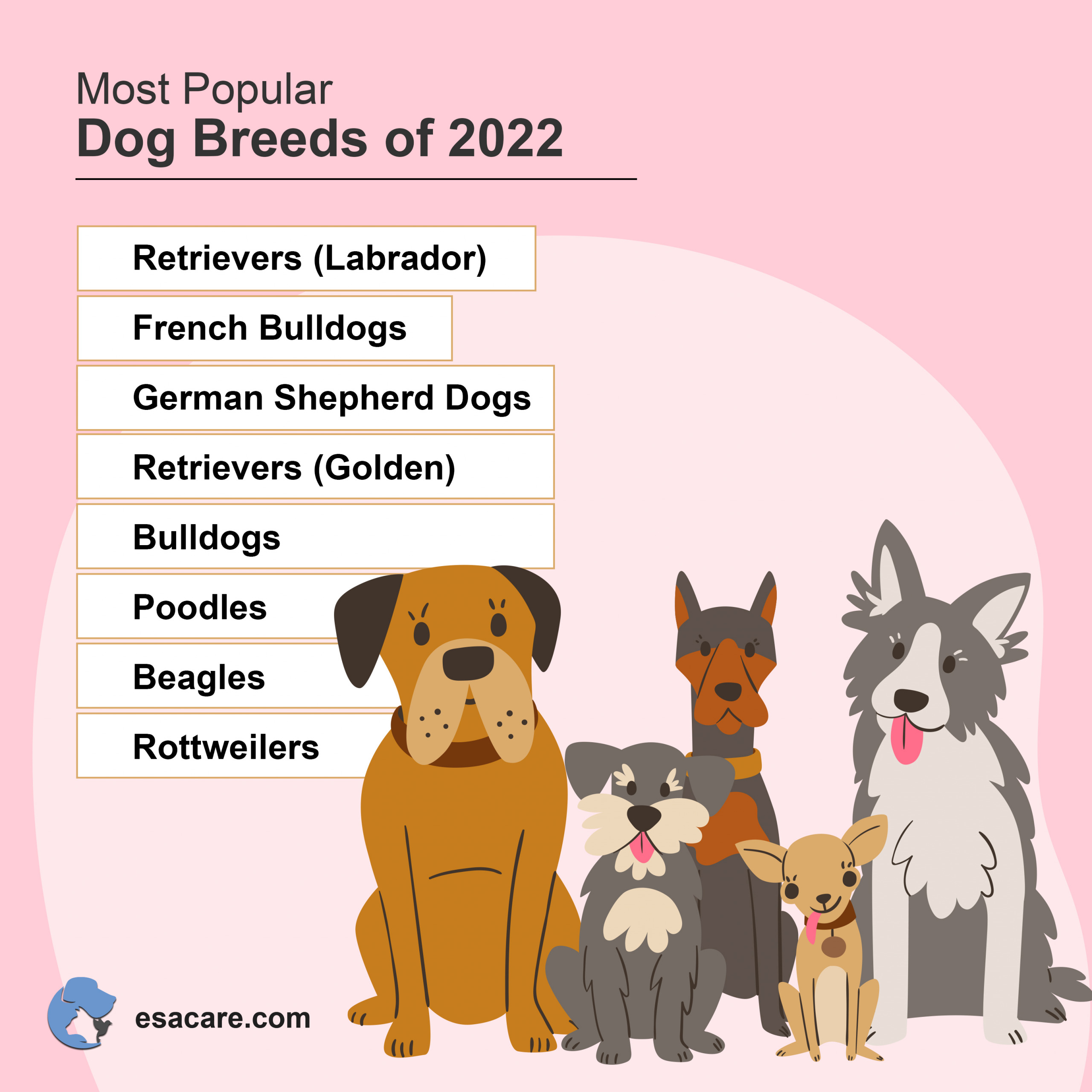
Breed-specific traits shape the behavior of dogs in fascinating ways. Each breed has unique qualities that influence how they interact with humans and other animals. Understanding these traits helps to nurture and train dogs effectively. It allows owners to cater to their dog's needs and maximize their potential. The following sections explore some common traits among popular breeds.
Golden Retrievers: Gentle And Friendly
Golden Retrievers are known for their gentle nature. They often exhibit friendly behavior towards strangers. Their loyalty makes them excellent family pets. They thrive in social environments. Training is usually straightforward due to their eagerness to please.
German Shepherds: Intelligent And Protective
German Shepherds are highly intelligent dogs. They are often used in police and military roles. Their protective instincts are strong. This breed can be wary of strangers. Early socialization is crucial to prevent aggressive tendencies.
Bulldogs: Calm And Courageous
Bulldogs are known for their calm demeanor. They exhibit courage despite their size. This breed usually prefers a relaxed lifestyle. They are good with children and make loyal companions. Bulldogs require moderate exercise to maintain health.
Beagles: Curious And Energetic
Beagles are naturally curious dogs. They have high energy levels and love to explore. Their sense of smell is remarkable. This breed needs regular exercise to stay fit. Beagles are social animals and enjoy companionship.
Poodles: Intelligent And Versatile
Poodles rank high in intelligence. They are versatile and adapt to various tasks. Their trainability is exceptional. Poodles excel in activities like agility and obedience. They need mental stimulation to avoid boredom.
Impact Of Environment
Environmental factors greatly influence dogs' behavior. Changes in surroundings can affect their mood and reactions. New scents, sounds, or sights might lead to altered behavior or stress. Understanding these impacts helps in creating a comfortable environment for dogs.
Understanding the impact of environment on dog behavior is crucial for any dog owner. Dogs, like humans, are shaped by their surroundings. Different settings offer unique stimuli and challenges, which can influence a dog’s temperament and actions. Whether your dog lives in a bustling city or a serene countryside, their environment plays a significant role in their overall well-being.
Urban Vs Rural Living
City life offers a fast-paced, exciting environment with plenty of sights and sounds. Dogs living in urban areas are often exposed to heavy traffic, crowded sidewalks, and a variety of noises. This can be stimulating but also overwhelming. Dogs in cities may become more anxious or reactive. On the bright side, urban parks and dog-friendly cafes provide socialization opportunities. In contrast, rural environments offer space and tranquility. Dogs in the countryside can roam freely and enjoy nature. However, they may miss out on social interactions and become territorial. Consider how your living area affects your dog's behavior. Does your dog thrive in the city or find peace in the countryside?
Influence Of Owners
Your behavior and lifestyle choices impact your dog's demeanor. Dogs are highly attuned to their owner's emotions and routines. If you lead a busy life with frequent travel, your dog might feel neglected. Conversely, an engaged owner who spends quality time with their dog can foster a strong bond. Reflect on your daily interactions with your dog. Are you providing enough attention and stimulation? Small changes in your routine can lead to positive shifts in your dog's behavior. Make time for regular walks, play sessions, and training. Your involvement is key to your dog's happiness and adaptability.
Credit: www.rd.com
Frequently Asked Questions
Why Do Dogs Bark Excessively?
Dogs bark for various reasons like alerting owners, expressing excitement, or signaling discomfort. Excessive barking often indicates boredom, anxiety, or attention-seeking behavior. Understanding the cause can help manage barking effectively. Using positive reinforcement and training techniques can reduce unwanted barking.
How Do Dogs Communicate With Humans?
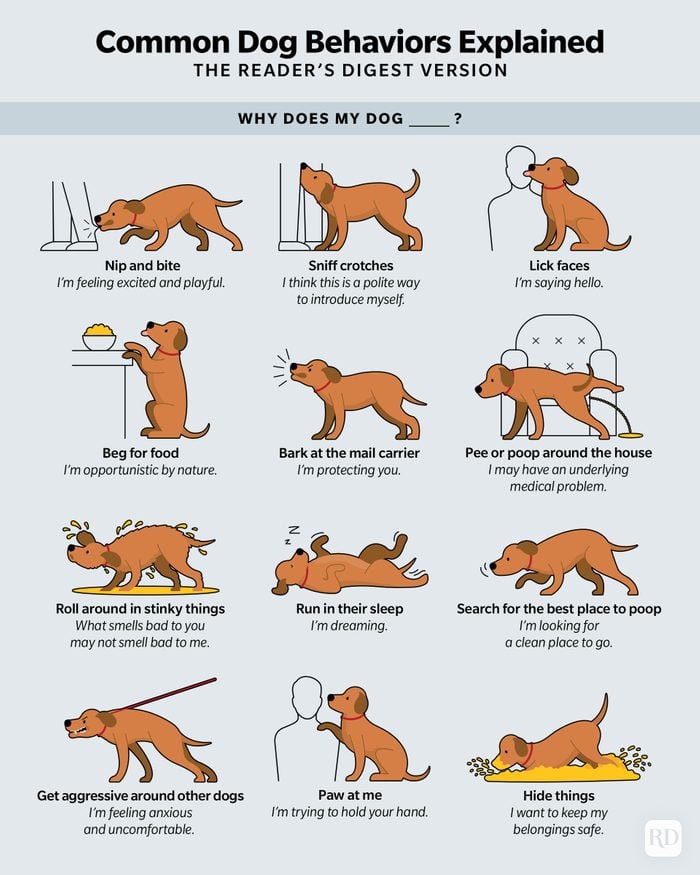
Dogs communicate through body language, vocalizations, and facial expressions. Tail wagging, barking, and eye contact are common signals. Understanding these cues helps improve interaction. Dogs may also use physical gestures like pawing to express needs or emotions. Observing these signs enhances bonding and understanding.
What Triggers Aggressive Behavior In Dogs?
Aggression in dogs can be triggered by fear, territorial instincts, or pain. It's important to identify the cause to address it properly. Training and socialization can help reduce aggression. Professional guidance may be necessary for severe cases to ensure safety for both the dog and humans.
How Do Dogs Show Affection?
Dogs show affection through licking, cuddling, and wagging their tails. They may also follow you around or bring you toys. Each dog has unique ways of expressing love. Recognizing these signs helps strengthen your bond. Responding positively to their gestures reinforces their affectionate behavior.
Conclusion
Understanding dog behavior enriches our bond with them. Their actions tell stories. Each bark, wag, or tilt carries meaning. Observing helps us respond better to their needs. Training becomes easier with patience and knowledge. Dogs communicate love and loyalty in unique ways.
Recognizing their signals builds trust. This trust strengthens your relationship. A happy dog makes a happy home. Spend time learning their language. It’s rewarding and fulfilling. They are not just pets; they are family. Treat them with care and empathy.
Your efforts will be returned with unconditional love.