Are you dreaming of adding a furry friend to your family but worried about allergies? You're not alone.
Many families face this challenge. The good news is that hypoallergenic dog breeds might be the answer you've been searching for. Imagine a world where you can enjoy the unconditional love of a dog without the sneezing and sniffles. You'll discover which breeds are less likely to trigger allergies and why they might be perfect for your household.
Keep reading to find the ideal canine companion that fits both your family's needs and your lifestyle. Your allergy-friendly pup could be just a few scrolls away.
Hypoallergenic Dog Breeds
Choosing a dog breed that suits your family can be a challenge. Especially if allergies are a concern. Hypoallergenic dog breeds may offer a solution. These breeds produce fewer allergens. They are often preferred by families with allergies. Understanding what makes them hypoallergenic is key.
Understanding Hypoallergenic Traits
Hypoallergenic traits mean fewer allergens. Dogs with these traits shed less hair. Their skin produces less dander. Some have hair instead of fur. This can reduce allergic reactions. These dogs need regular grooming. It helps manage allergens and keeps them healthy.
Common Allergens In Dogs
Dog allergens come from skin and saliva. Dander is a common allergen. It's tiny skin flakes. Saliva can also trigger allergies. Dogs lick themselves often. Their saliva spreads allergens. Regular cleaning can help reduce these allergens. It's important for a hypoallergenic home.

Credit: pethelpful.com
Popular Hypoallergenic Breeds
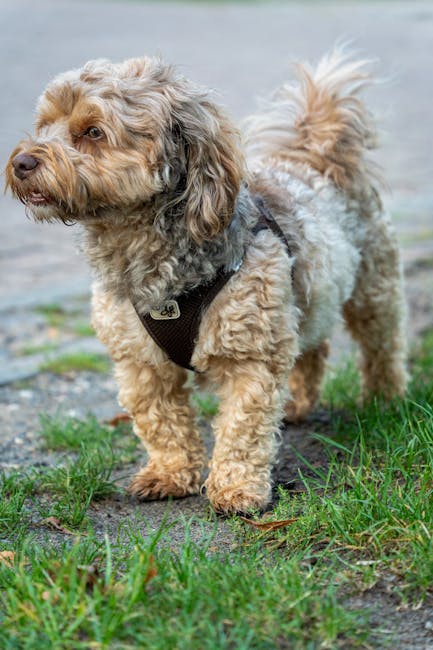
Finding hypoallergenic dog breeds suitable for families can be challenging. Some breeds like Poodles and Bichon Frises are known for producing fewer allergens. These dogs may offer a solution for allergy-sensitive households.
Finding a dog that won't trigger allergies can be a challenge, but certain breeds are known for being more hypoallergenic. These dogs are excellent choices for families who long for a furry friend without the sneezes and sniffles. If you're dreaming of a pet without the allergic aftermath, consider these popular hypoallergenic breeds that might just be the perfect fit for your home.
Poodle
The Poodle is a classic choice for those with allergies. Their curly coat traps dander, preventing it from spreading around your home. I remember when my cousin adopted a Standard Poodle, and her allergy symptoms practically vanished. Poodles are also highly intelligent and come in three sizes: standard, miniature, and toy, making them adaptable to any living space.
Bichon Frise
Small yet lively, the Bichon Frise is known for its soft, plush coat that doesn't shed much. Their playful nature makes them a hit with kids, and they love being part of family activities. A friend once shared how her Bichon Frise would join her kids' tea parties, complete with a tiny hat—talk about family-friendly! Be prepared for regular grooming to keep their coat in top shape.
Portuguese Water Dog
Famous for their love of water and energetic disposition, Portuguese Water Dogs are a great match for active families. Their dense, curly coat is hypoallergenic, which means less sneezing and more fun. Consider engaging them in water-based activities or agility training to keep them stimulated and happy.
Soft Coated Wheaten Terrier
This terrier has a silky, soft coat that is less likely to cause allergies. They're known for their friendly and energetic nature, making them a delightful addition to family life. Their playful antics can bring joy to your home, though they do require regular grooming to prevent matting. If you enjoy brushing and bonding, this breed can be an excellent companion. Choosing a hypoallergenic dog doesn't mean compromising on companionship or fun. Each breed offers unique traits that can fit seamlessly into your family life. Are you ready to welcome a hypoallergenic friend into your home?
Factors For Family Suitability
Choosing a hypoallergenic dog breed can be ideal for families with allergies. Breeds like Poodles and Schnauzers are known for minimal shedding. These dogs offer companionship without triggering allergic reactions, making them perfect family pets.
Choosing a hypoallergenic dog breed for your family involves more than just selecting a breed that minimizes allergy symptoms. You need to consider several factors to ensure your furry friend fits seamlessly into your home. From temperament to size, each aspect can influence how well a dog will adapt to your family's unique dynamics.
Temperament And Behavior
A dog's temperament can significantly impact family harmony. Some hypoallergenic breeds, like the Poodle, are known for their intelligence and eagerness to please. This makes training easier and can help integrate them into family routines. Conversely, breeds like the Bichon Frise are incredibly friendly and social. Their playful nature suits families that enjoy interactive playtime. Consider your family's lifestyle and whether a calm or energetic companion will fit best.
Size And Activity Level
Size matters when it comes to dogs and families. Smaller hypoallergenic breeds like the Maltese are easier to manage in apartments or smaller homes. They are also less likely to accidentally knock over small children. On the other hand, larger breeds like the Portuguese Water Dog require more space and activity. They thrive in homes with yards and active families who can meet their exercise needs. Think about how much time you can dedicate to walks and playtime.
Compatibility With Children
Not all breeds are equally patient with children. Dogs like the Labradoodle are known for their gentle and tolerant nature, making them excellent companions for kids. Their hypoallergenic coat is an added bonus for families with allergy concerns. Some families find that breeds with a protective instinct, such as the Soft Coated Wheaten Terrier, offer a sense of security. However, they may require more consistent training to ensure they remain friendly. How do your children interact with pets, and what type of relationship do you envision? Taking these factors into account will guide you in choosing the perfect hypoallergenic dog that not only meets your family's needs but also enriches your home life.
Care And Maintenance
Choosing a hypoallergenic dog breed for your family is just the beginning of a rewarding journey. The real adventure lies in the care and maintenance of these special breeds. It's not just about minimizing allergens; it's about nurturing a happy, healthy pup. Let’s dive into the essentials of caring for these unique companions.
Grooming Needs
Hypoallergenic dogs often require regular grooming to keep their coats clean and allergen-free. Some breeds, like Poodles, have curly coats that don't shed much, but they can trap dirt and dander. Regular brushing is crucial.
Consider scheduling professional grooming sessions every few months. This not only maintains the coat but also keeps skin healthy. A friend of mine discovered that her Labradoodle was much happier and less itchy after consistent grooming.
What grooming routine does your dog enjoy? Finding what works can make the experience pleasant for both of you.
Dietary Considerations
Your dog's diet plays a vital role in their overall health and allergen production. Some hypoallergenic breeds may have specific dietary needs to keep their coats healthy and minimize shedding. Opt for high-quality dog food with balanced nutrients.
Introduce supplements like omega fatty acids which can improve coat condition and reduce dander. My neighbor switched to a salmon-based diet for her Schnauzer and noticed a significant drop in allergens.
Have you considered how your dog's diet might impact their shedding? Sometimes a small dietary change can make a big difference.
Health Monitoring
Regular health check-ups are essential for hypoallergenic breeds. These dogs might be prone to certain conditions that require early detection. Keep an eye on any changes in behavior, appetite, or coat condition.
Establish a relationship with a vet who understands the specific needs of hypoallergenic breeds. A fellow dog owner once ignored subtle signs in her Bichon Frise, which led to a late diagnosis of a skin condition.
What small signs might indicate a health issue? Being observant can prevent potential problems.
By focusing on grooming, diet, and health, you ensure your hypoallergenic dog remains a joyful part of the family. Each aspect of care is a step towards a happier, healthier pup. What unique needs does your dog have that could benefit from a little extra attention?
Tips For Allergy Management
Curious about hypoallergenic dogs? Some breeds like Poodles and Bichon Frises may suit families with allergies. These breeds produce less dander, making them a possible choice for allergy sufferers.
Tips for managing allergies with a dog-friendly home can make a big difference. Families with allergy concerns must take steps to ensure comfort. These tips help maintain a healthy environment and lessen allergy symptoms.
Home Cleaning Practices
Regular cleaning can reduce allergens in your home. Vacuum carpets and rugs at least twice weekly. Use a vacuum with a HEPA filter for best results. Dust surfaces with a damp cloth to trap allergens. Wash bedding and curtains often in hot water. This removes dust mites and pet dander. Keep pets off furniture to minimize hair and dander spread. Consider using washable slipcovers for added protection.
Air Quality Improvement
Improving air quality helps reduce allergens. Use an air purifier with a HEPA filter in main living areas. Keep windows open when possible to let fresh air circulate. Ensure proper ventilation in rooms where dogs spend time. Maintain a humidity level between 30-50% to deter dust mites. Change HVAC filters regularly for clean air flow.
Consulting With Allergy Specialists
Talk to an allergy specialist for personalized advice. They can provide allergy tests to identify specific triggers. Specialists offer treatment options like allergy shots or medications. Ask about lifestyle changes to reduce exposure to allergens. Follow their guidance to manage allergies effectively and enjoy life with your furry friend.

Credit: www.wisconsindesignerdoodles.com
Choosing The Right Breed
Choosing the right dog breed for your family involves careful consideration. This decision affects your family's happiness and the dog's well-being. Hypoallergenic breeds are an excellent choice for families with allergies. But finding the right fit requires more than allergy considerations.
Assessing Family Needs
First, evaluate your family's lifestyle and activity level. Energetic breeds need regular exercise. If your family loves outdoor activities, an active dog might be best. Small breeds often suit apartment living. Consider the time available for grooming and care. Some hypoallergenic breeds need frequent grooming.
Visit And Interaction
Meet the breed before making a choice. Visit breeders or shelters to interact with the dog. This helps assess temperament and compatibility. Observe how the dog interacts with family members. Are they friendly or shy? This interaction provides valuable insights.
Long-term Commitment
Owning a dog is a long-term responsibility. Hypoallergenic breeds can live many years. Consider the financial and emotional commitment involved. Regular vet visits and grooming are necessary. Ensure your family is ready for this lifelong journey.

Credit: www.harmonyanimalhospital.net
Frequently Asked Questions
What Are Hypoallergenic Dog Breeds?
Hypoallergenic dog breeds produce fewer allergens than others. They are suitable for allergy sufferers. Common breeds include Poodles, Bichon Frise, and Maltese. These dogs shed less and have low dander. Regular grooming helps manage allergens further. Always spend time with a breed before deciding.
Are Hypoallergenic Dogs Suitable For Families?
Yes, hypoallergenic dogs are great for families. They are usually friendly, affectionate, and playful. Breeds like the Labradoodle and Portuguese Water Dog are known for being good with kids. Always consider a dog's temperament and exercise needs. This ensures they fit well into family life.
Do Hypoallergenic Dogs Need Special Care?
Hypoallergenic dogs need regular grooming to control allergens. Bathing and brushing help reduce dander and shedding. They may also need specific diets to maintain healthy coats. Regular vet visits are essential. This ensures they remain in optimal health. Understand each breed's specific needs for best care.
How To Choose A Hypoallergenic Dog Breed?
Research breeds known for low allergen production. Consider your family's lifestyle and activity level. Visit breeders or shelters to interact with potential dogs. Spend time to observe any allergic reactions. Consult with allergists or veterinarians for guidance. Make an informed decision that suits your family.
Conclusion
Choosing a hypoallergenic dog for your family can be rewarding. These breeds reduce allergy worries. They offer love and companionship. Every family can find a suitable breed. Consider your family's lifestyle and needs. Research and visit breeders or shelters. Spend time with the dog before deciding.
This ensures a good match. Hypoallergenic dogs can bring joy and comfort to your home. They are great friends for kids and adults alike. So, explore your options. A loving, allergy-friendly pet awaits your family.