
You might be wondering how neutering could influence your dog's behavior. As a caring pet owner, you want the best for your furry friend, and understanding these changes can help you provide the right support.
Neutering, a common veterinary procedure, often leads to noticeable shifts in how your dog behaves. These changes can be positive, reducing unwanted behaviors, or they might bring new dynamics into your daily routine. If you're curious about what to expect and how to manage these adjustments, you're in the right place.
Dive into this article to discover the impacts of neutering and how you can ensure your dog remains happy and healthy.

Credit: m.youtube.com
Hormonal Shifts
Neutering can lead to hormonal shifts in dogs, often resulting in noticeable behavior changes. Reduced aggression and decreased roaming are common. Many pet owners observe a calmer demeanor, making interactions more predictable and manageable.
Neutering your dog can lead to significant hormonal changes that impact behavior. Understanding these shifts can help you manage expectations and support your furry friend through the transition. Hormones play a crucial role in how dogs interact with their environment and companions, and neutering alters this dynamic.
What Hormones Are Affected?
Neutering primarily affects testosterone levels in male dogs. This hormone influences behaviors like aggression and territorial marking. Lower testosterone levels often result in reduced aggression and a calmer demeanor. In female dogs, estrogen and progesterone levels are impacted. These hormones regulate heat cycles and associated behaviors. Post-neutering, you might notice reduced mood swings and a more stable temperament.
Behavioral Changes To Expect
After neutering, your dog might become less aggressive towards other animals. This can make trips to the dog park more enjoyable for both of you. Dogs may also show less interest in roaming, which can reduce the risk of accidents or getting lost. You might observe a decrease in mounting behaviors. While this is a natural canine behavior, it can be embarrassing for owners. Neutering often diminishes this urge, making social interactions smoother.
Supporting Your Dog Through The Transition
Support your dog with a consistent routine. Stability helps them adjust to hormonal changes. Engage in regular play and exercise to channel their energy positively. Monitor your dog's weight. Hormonal shifts can lead to weight gain, so adjust their diet and ensure they stay active. Regular vet check-ups can provide guidance tailored to your dog's needs.
Is Neutering Right For Your Dog?
Consider if neutering aligns with your dog's health and lifestyle. Discuss with your vet to understand benefits and any potential risks. Your decision should prioritize your dog's well-being and quality of life. Have you noticed changes in your dog's behavior post-neutering? Share your experience in the comments to help other pet owners navigate this change.
Credit: pethelpful.com
Reduced Aggression
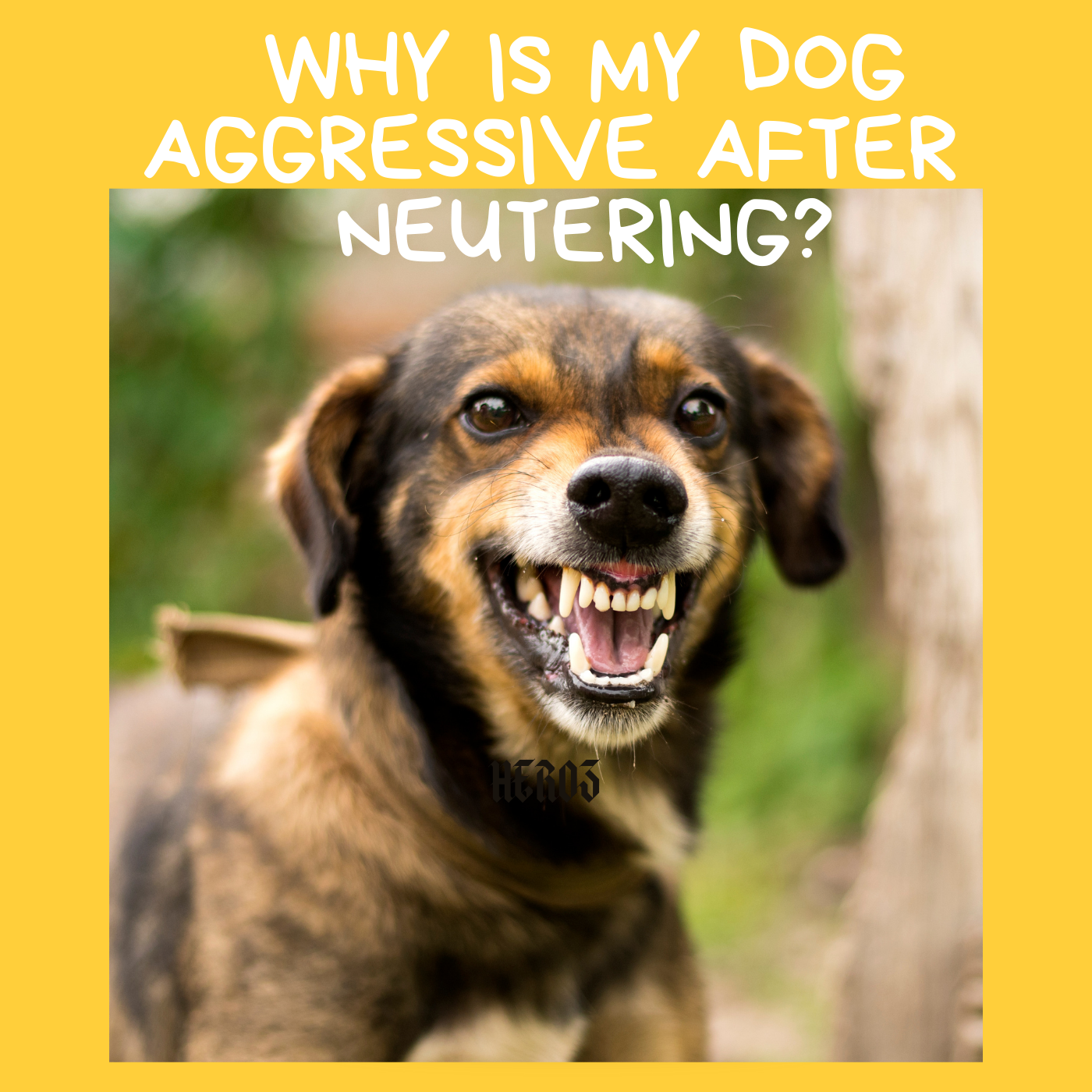
Neutering a dog often leads to reduced aggression. This change makes them calmer and more sociable. Pets become more relaxed around people and other animals, making everyday interactions smoother.
Neutering your dog can lead to noticeable behavior changes, with reduced aggression being one of the most significant. If your dog has been displaying aggressive tendencies, whether towards other dogs or even people, neutering could be a step towards a calmer demeanor. This doesn't mean your dog will become passive, but many owners notice a more relaxed attitude, which can make daily interactions smoother and more enjoyable.
Understanding Aggression In Dogs
Aggression in dogs can be a result of various factors such as territorial instincts, fear, or frustration. It often stems from the natural instinct to assert dominance or protect their resources. By neutering, you can reduce the hormonal drive that fuels these behaviors, leading to a more balanced temperament.
Hormonal Influence On Behavior
Testosterone plays a significant role in aggressive behaviors in dogs. Neutering reduces the levels of this hormone, which can lead to a decrease in aggression. Many pet owners have observed that their dogs are less likely to engage in fights or show hostility after the procedure.
Personal Experience: A Calmer Companion
When I had my dog neutered, I noticed a transformation in his behavior within a few weeks. He was less reactive during walks and more receptive to meeting new dogs. This change not only improved our outings but also helped in strengthening our bond.
Practical Benefits Of Reduced Aggression
A less aggressive dog can contribute to a more peaceful household. You might find that your dog is more tolerant of guests and less likely to bark or growl at every passerby. This can make social gatherings at home more pleasant and less stressful for everyone involved.
Is Neutering Right For Your Dog?
Consider your dog's unique personality and behavior before deciding. While neutering can reduce aggression, it's not a universal solution for all behavioral issues. Consult with your vet to discuss if neutering is the right choice for your pet and what additional training might be beneficial. Does your dog show signs of aggression? Neutering could be the key to a more harmonious life for both you and your furry friend.
Decreased Roaming
Neutering often leads to decreased roaming in dogs. They become less interested in exploring far from home. This behavior change helps keep them safe and reduces the risk of getting lost.
Neutering your dog can lead to several behavioral changes, one of the most noticeable being decreased roaming. This change can significantly impact both your dog's safety and your peace of mind. Dogs that aren't neutered often have a strong urge to wander, driven by hormonal instincts to find a mate. Once neutered, this urge diminishes, making them less likely to escape your yard or get lost.
Why Do Dogs Roam?
Dogs roam for various reasons, but the primary motivator is often the search for a mate. Intact male dogs are particularly notorious for trying to escape and travel long distances for this purpose. This behavior can lead to dangerous situations like traffic accidents or encounters with other animals. Have you ever found yourself anxiously searching the neighborhood because your dog slipped out? Neutering can reduce the frequency of these nerve-wracking incidents.
How Neutering Reduces Roaming
Neutering reduces the levels of testosterone in male dogs, which is directly linked to their roaming behavior. With lower hormone levels, the drive to wander decreases significantly. This change can be a relief for those who worry about their dog's safety every time the door is left ajar. For female dogs, spaying eliminates the heat cycle, another factor that can lead them to roam in search of a mate. Wouldn't you feel more at ease knowing your pet is less likely to dash out the door?
Personal Experience With Decreased Roaming
After neutering my dog, Max, I noticed an immediate change. Previously, he would dart out of the yard at any chance he got. Post-surgery, his interest in roaming faded, and our walks became more leisurely rather than a constant tug-of-war. Have you noticed similar changes in your dog after neutering? It's a small adjustment with big benefits.
Practical Steps To Support Your Neutered Dog
Even after neutering, it's essential to provide your dog with physical and mental stimulation. Engage them with regular walks, playtime, and training sessions. A content dog is less likely to seek excitement elsewhere. Consider setting up a secure area where they can safely explore. Wouldn't you agree that a busy dog is a happy dog? Neutering offers a practical solution to reduce roaming, but it's not a standalone fix. How do you plan to keep your dog engaged at home, ensuring their happiness and safety? These changes might inspire you to rethink your pet care routine, prioritizing their well-being and your peace of mind.
Lowered Mounting Behaviors
Neutering often leads to reduced mounting behaviors in dogs. This change helps decrease dominance and territorial instincts. Owners notice calmer, more relaxed pets post-surgery.
Neutering your dog can lead to noticeable changes in behavior, one of which is a reduction in mounting behaviors. This adjustment can be a relief for many pet owners who find this behavior embarrassing or confusing. Understanding why these changes occur can help you ensure a smooth transition for your pet.
What Causes Mounting Behavior?
Mounting is a natural behavior in dogs, often linked to dominance, excitement, or stress. It’s not just about reproduction. Dogs might mount objects, other animals, or even people. Recognizing the root cause in your pet can make it easier to address.
How Neutering Affects Mounting
Neutering reduces testosterone levels, which can decrease the urge to mount. This hormonal change can lead to a calmer demeanor. However, some dogs continue to mount due to habits or behavioral issues.
Observations Post-neutering
You may notice your dog mounting less frequently after neutering. Some owners report an immediate change, while others see gradual improvements. It’s important to monitor your dog’s behavior to gauge their progress.
Behavioral Training Post-neutering
Although neutering can reduce mounting, training remains essential. Reinforce positive behavior with treats and praise. Redirect your dog’s attention when they attempt to mount.
Personal Experience: A Case Study
When I neutered my dog, Max, his mounting behavior decreased significantly. However, the occasional mount persisted, reminding me of the importance of consistent training. Max’s journey taught me patience and the value of understanding underlying triggers.
Questions To Consider
Have you noticed changes in your dog’s behavior post-neutering? What strategies have you found effective in managing mounting? Reflecting on these questions can guide you in supporting your pet’s behavioral transition. Lowering mounting behaviors is just one aspect of the changes you might observe. By combining neutering with good training habits, you can help your dog lead a more comfortable and balanced life.
Changes In Energy Levels
After neutering, dogs often show reduced aggression and hyperactivity. Energy levels may decrease, leading to calmer behavior. Many owners notice improved focus and less roaming.
Neutering your dog is an important decision that can bring about various changes in their behavior. One noticeable change many pet owners observe is in their dog's energy levels. Understanding these shifts can help you provide better care and adjust your routine to meet your furry friend's new needs.
Understanding Energy Shifts
Neutering often leads to a decrease in testosterone levels, which can affect your dog's energy. You might notice your once hyperactive pup becoming calmer. This doesn't mean your dog will turn into a couch potato; rather, their excessive bursts of energy may become less frequent.
Managing New Activity Levels
It's crucial to adapt your dog's exercise routine to their new energy levels. If they seem less eager to run around, introduce shorter walks or play sessions. Keep activities varied to maintain their interest and ensure they get enough exercise to stay healthy.
Personal Insights On Energy Changes
When I had my dog neutered, I was surprised by the shift in his energy. He became more focused during training sessions and less distracted by external stimuli. This was an unexpected bonus that made our walks more enjoyable and productive.
Identifying Balanced Energy
Observe your dog closely after neutering. Are they resting more than usual? Or perhaps they have bursts of energy at different times? Adjusting their feeding and playtime can help create a balanced routine. This keeps them engaged without overexerting them.
Engaging Your Dog's Mind
Mental stimulation can be just as important as physical exercise. Introduce puzzle toys or interactive games to keep your dog mentally active. These activities can prevent boredom and improve their overall well-being.
Considering Long-term Impacts
Neutering can lead to long-term changes in your dog's energy levels. Have you considered how this might affect their social interactions or play habits? Regularly assess their behavior and consult with your vet if you notice significant changes in their activity levels. How have you adapted to your pet's energy changes after neutering? Share your experiences in the comments, and let's learn from each other.
Altered Appetite
Neutering can bring noticeable changes in a dog's behavior. One such change often observed is an altered appetite. Owners may find their furry friends eating more or less than before. Understanding these changes can help manage a dog's diet effectively.
Changes In Eating Habits
After neutering, some dogs may develop increased hunger. They might finish their meals quickly and seek more food. Others might show less interest in food, eating smaller portions than usual. These changes can vary from dog to dog.
Reasons For Appetite Changes
Hormonal changes after neutering can affect appetite. The body's metabolism might slow down, reducing energy needs. This can lead to a decreased appetite. Some dogs might eat more due to changes in activity levels.
Managing Weight Gain
Increased appetite can sometimes lead to weight gain. It's important to monitor portion sizes and adjust as needed. Offering low-calorie treats can help manage a healthy weight. Regular exercise is also essential to balance increased food intake.
Encouraging Healthy Eating
Introduce a balanced diet to support your dog's health. Choose high-quality dog food tailored to their age and size. Consult a vet for personalized dietary advice. They can recommend the best nutritional plan for your neutered dog.
Monitoring And Adjusting Diet
Keep an eye on your dog's eating habits after neutering. Regularly check their weight to ensure they stay healthy. Adjust their diet based on their energy levels and lifestyle. A tailored diet can maintain their well-being effectively.
Impact On Training
Neutering a dog can bring noticeable changes in behavior. These changes can impact training. Understanding these impacts can help owners adjust training methods effectively. Neutering often results in a calmer demeanor. This calmness can make training sessions more productive. Owners might find their dogs more focused and attentive.
Impact On Aggression Levels
Neutering can reduce aggression in male dogs. This reduction may lead to fewer training disruptions. A less aggressive dog is often easier to manage during lessons. Training becomes a smoother process. It can also help in reducing territorial behavior.
Influence On Attention Span
Neutered dogs often show improved attention spans. They tend to be less distracted by other dogs. This increased focus aids in learning new commands. Training sessions can become more efficient. Owners may notice quicker command retention.
Effect On Energy Levels
Energy levels may decrease post-neutering. Lower energy can mean less hyperactivity. This change can benefit training exercises. Dogs might be more willing to follow commands. Reduced energy can lead to calmer training environments.
Changes In Socialization
Neutered dogs may become friendlier with others. Socialization can improve significantly. This change can enhance group training success. Dogs might engage better with trainers and peers. A positive training atmosphere is often the result.
Social Interactions
Neutering a dog often leads to changes in behavior. Many dogs become calmer and less aggressive. Social interactions may improve, as they tend to be less territorial and more friendly with other animals.
Neutering can lead to noticeable changes in your dog's social interactions. As you observe these shifts, you might wonder how neutering affects their behavior around other dogs and people. Understanding these changes can help you better support your dog's social life.
Understanding New Social Dynamics
After neutering, your dog may become less aggressive. You might notice that your dog is more relaxed when meeting new dogs. This change can make socializing easier, reducing tension and potential conflicts. Neutered dogs often show less territorial behavior. Your dog might be more willing to share spaces with other dogs. This can lead to smoother playdates and walks in the park.
Adjusting To Changes In Behavior
Neutering can affect your dog's energy levels. Some dogs become calmer, which might alter their social playfulness. You might need to encourage them to engage with others, especially if they seem disinterested. It's important to monitor your dog's interactions post-neutering. Look for signs of anxiety or discomfort during social activities. If you notice any changes, consider adjusting the environment or routine to help them feel more comfortable.
Building Positive Social Experiences
Create opportunities for your dog to interact with others. Organize regular meet-ups with other pet owners. This can help your dog maintain healthy social skills. Think about joining a local dog club or group. These settings offer structured environments for socializing. They can be a great way to support your dog’s social growth.
Engaging With Your Dog
Spend quality time with your dog during social activities. Your presence can reassure them and boost their confidence. Engage in activities that you both enjoy to strengthen your bond. Consider training sessions to refine their social skills. These can be simple commands that make interactions smoother. Positive reinforcement can make these sessions enjoyable for both of you. Does your dog's behavior change after neutering surprise you? How do you plan to support their new social dynamics? Share your thoughts and experiences!
Long-term Health Benefits
Neutering a dog offers more than just controlling population growth. It can lead to significant long-term health benefits. This simple procedure can enhance your dog's quality of life and longevity. Owners often notice positive changes in their pet's behavior and health post-surgery.
Reduced Risk Of Certain Cancers
Neutering significantly lowers the risk of testicular cancer in male dogs. It also reduces the likelihood of prostate diseases. For female dogs, it decreases the risk of mammary tumors. These health benefits can extend your dog's lifespan.
Prevention Of Reproductive Health Issues
Spaying or neutering can prevent uterine infections in female dogs. Male dogs often face fewer prostate issues post-neutering. This procedure leads to a healthier reproductive system.
Lower Risk Of Infections
Neutering reduces the chance of certain infections. Dogs are less likely to develop infections in the reproductive organs. This means a healthier life for your furry friend.
Decreased Aggression And Roaming
Neutered dogs often show decreased aggression. They are also less likely to roam in search of a mate. This behavior change can lead to a safer environment.
Improved Focus And Training
Many owners notice their dogs are more focused post-neutering. Dogs become easier to train and more attentive. This improvement can enhance their learning and obedience.

Credit: www.instagram.com
Frequently Asked Questions
What Are Common Behavior Changes After Neutering?
Neutering can lead to reduced aggression and roaming in dogs. Many dogs become calmer and less territorial. Some may show decreased marking behaviors. These changes help in better socialization and obedience. However, individual reactions can vary depending on the dog's age and personality.
Does Neutering Affect A Dog's Energy Levels?
Yes, neutering can lead to a decrease in energy levels. Many dogs tend to become more sedentary post-surgery. This can contribute to weight gain if not monitored. Regular exercise is essential to maintain a healthy weight and behavior. Always consult your vet for personalized advice.
How Long After Neutering Will Behavior Change?
Behavioral changes can be observed within weeks. However, some dogs may take a few months to adjust. Hormonal changes need time to settle. Patience is key during this transition. Monitoring and positive reinforcement can aid in smoother behavior adjustments.
Will My Dog Become Less Aggressive After Neutering?
Neutering often reduces aggression, especially in male dogs. It decreases testosterone levels, which can influence aggressive behaviors. This change can help in better social interactions. While neutering helps, consistent training is essential for long-term behavior management.
Conclusion
Neutering can change a dog's behavior positively. Less aggression and roaming. Calmer demeanor observed in many cases. No more marking territory indoors. Training becomes easier with fewer distractions. Health benefits include reduced cancer risk. Social interactions improve with other dogs.
Neutering doesn't alter a dog's core personality. Always consult a vet before deciding. Each dog reacts differently to neutering. Understanding these changes helps in making informed choices. Your pet's well-being remains the priority. Proper care and love ensure a happy dog.