Ever found yourself at your wit's end with your furry friend’s antics? You’re not alone.
Behavioral dog issues can be both baffling and frustrating. Whether it's incessant barking, chewing everything in sight, or those unexpected bathroom accidents, these behaviors can disrupt the harmony in your home. But here's the thing: understanding why your dog behaves the way they do is the first step to resolving these issues.
Imagine the peace of mind and stronger bond you can achieve with your pet once you tackle these challenges head-on. Ready to transform chaos into calm? Let’s dive into the world of dog behavior and find solutions that work for you and your canine companion.
Common Behavioral Issues
Dogs bring joy and companionship to our lives. Yet, behavioral issues can challenge that bond. Understanding common problems helps in managing them effectively. Let's explore some of these issues.
Separation Anxiety
Separation anxiety affects many dogs. They feel stressed when left alone. Signs include barking, whining, and destructive behavior. Comforting routines can help ease this anxiety.
Aggression
Aggression in dogs can be worrying. It may appear as growling or biting. Causes vary from fear to territorial instincts. Proper training and socialization can reduce aggressive tendencies.
Excessive Barking
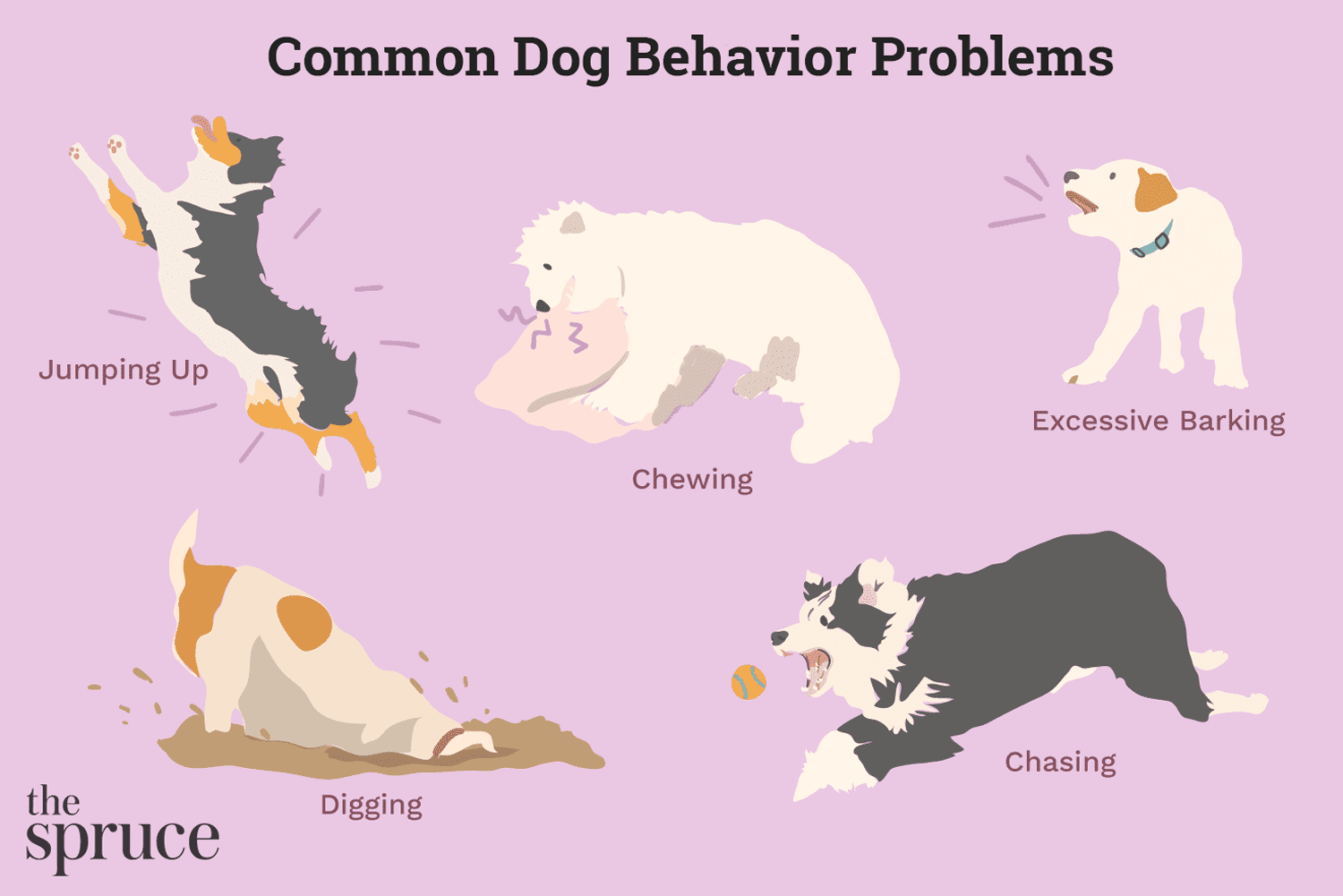
Excessive barking can disrupt households. Dogs bark to communicate or express boredom. Identifying triggers is key to managing this behavior. Training and mental stimulation can help.
Destructive Chewing
Destructive chewing damages belongings. Puppies chew to explore, while adults may do so from anxiety. Providing appropriate chew toys can redirect this behavior.
House Soiling
House soiling frustrates many pet owners. Dogs may soil indoors due to lack of training or medical issues. Consistent routines and positive reinforcement aid in resolving this issue.

Credit: www.aspcapetinsurance.com
Identifying Root Causes
Understanding why your dog behaves a certain way is crucial to resolving behavioral issues. Identifying the root causes can help you address the problem effectively and ensure your furry friend leads a happy and balanced life. Let's dive into common causes that might be at play in your dog's behavior.
Lack Of Socialization
Socialization is key to a dog's development. Dogs that haven't been exposed to various people, environments, and other animals may react unpredictably. A trip to the park could become a stress-filled event if your dog isn't used to the presence of other dogs. It’s never too late to start socializing your dog; small steps can lead to big improvements.
Fear And Phobias
Fear can manifest as aggression or avoidance. Remember the time your dog barked incessantly during a thunderstorm? Loud noises, unfamiliar objects, or even certain people can trigger fear responses. Identifying what frightens your dog allows you to introduce calming techniques or gradual exposure to reduce anxiety.
Health Problems
Health issues can drastically alter a dog's behavior. Imagine feeling unwell and snapping at loved ones; dogs can react similarly. Pain or discomfort might lead your dog to act out. Regular vet check-ups are essential to catch health problems early, ensuring your dog’s behavior isn't linked to a physical ailment.
Inconsistent Training
Consistency is the cornerstone of effective training. If commands are sometimes enforced and sometimes ignored, your dog will likely become confused. I once struggled with my dog jumping on guests because I wasn’t consistent with the "off" command. You must set clear rules and stick to them, helping your dog understand expectations.
Have you noticed any of these root causes in your dog's behavior? Addressing the underlying issues can transform your pet’s behavior and your relationship with them. What steps will you take today?
Training Techniques
Training techniques can address behavioral dog issues effectively. Positive reinforcement encourages good behavior and strengthens the bond with your dog. Consistent practice and patience help in correcting unwanted actions.
Training your dog effectively is crucial in managing behavioral issues. The right techniques can transform challenges into opportunities for growth and bonding with your furry friend. Implementing these methods not only helps in correcting behavior but also strengthens the relationship between you and your dog. Let's dive into some practical training techniques that can make a significant difference in your dog's behavior.
Positive Reinforcement
Positive reinforcement is a powerful tool in dog training. Rewarding your dog with treats, praise, or play encourages them to repeat good behavior. Imagine your dog learning to sit on command because they know a tasty treat follows. This method builds trust and helps your dog associate good behavior with positive outcomes. Have you tried using your dog’s favorite toy as a reward? It could be the motivation they need.
Consistency And Routine
Dogs thrive on routine. Consistency helps them understand what is expected. If you allow jumping up sometimes but discourage it at other times, your dog gets confused. Establish clear rules and stick to them. This predictability gives your dog a sense of security and clarity.
Desensitization Strategies
Desensitization helps dogs overcome fears or anxiety. Gradually exposing your dog to a fearful situation in a controlled manner can reduce their stress. For example, if your dog fears thunderstorms, start by playing thunder sounds at a low volume while offering treats. Over time, increase the volume as your dog remains calm. This technique requires patience but can lead to lasting results.
Clicker Training
Clicker training is a fun and effective way to communicate with your dog. A clicker is a small device that makes a distinct sound. Each click marks a correct behavior, which is then followed by a reward. Consider the click as a snapshot of the behavior you want to encourage. You might wonder, how does this tiny gadget make a difference? It allows precise timing, making your intentions clear to your dog. Training your dog can be an enjoyable journey for both of you. As you apply these techniques, notice how your relationship deepens and your dog's behavior improves. What strategies have you found most effective with your dog? Share your experiences and let’s learn together.
Credit: offleashk9swmo.com
Professional Help
Seeking professional help for behavioral dog issues ensures effective solutions tailored to your pet's needs. Experts can identify triggers and provide strategies for improvement. This guidance helps create a happier home for both you and your furry friend.
Professional Help Behavioral dog issues can sometimes escalate beyond your expertise. At this point, reaching out for professional help can be the best decision for both you and your furry friend. The right guidance can turn a challenging situation into a rewarding experience, ensuring a happier and more balanced life for your dog.
When To Consult A Trainer
You may wonder when it's time to call in a professional dog trainer. If your dog exhibits persistent issues like excessive barking, destructive chewing, or aggression, it might be time to consider expert advice. A professional trainer can offer tailored solutions that fit your dog's unique needs. They will work with you to address the root of the problem, ensuring lasting change. Training isn't just about correcting behavior. It’s about understanding your dog better and strengthening your bond.
Finding A Behaviorist
A dog behaviorist can be a valuable resource when dealing with complex issues. They specialize in understanding the science behind a dog's actions. Look for a certified professional with experience in dealing with similar issues. Recommendations from your vet or trusted dog owners can guide you to the right person. Consider setting up an initial consultation to discuss your concerns. This will help you gauge if they are the right fit for your dog's needs.
Veterinary Intervention
Sometimes, behavioral issues have an underlying medical cause. A visit to the vet can rule out health issues that might be affecting your dog's behavior. For example, sudden aggression or anxiety could be linked to pain or discomfort. A thorough check-up will ensure your dog receives the appropriate medical care. Your vet can also refer you to specialists if needed, providing a comprehensive approach to your dog's well-being.
Seeking professional help isn't a sign of failure. It's an investment in your dog's happiness and your peace of mind. What steps will you take today to address your dog's behavioral challenges?
Preventive Measures
Behavioral issues in dogs can often be prevented with proactive measures. Early intervention is key to nurturing well-adjusted and happy dogs. Focusing on socialization, exercise, mental stimulation, and environmental enrichment can lead to positive outcomes. These strategies help dogs develop coping skills and reduce stress-related behaviors.
Puppy Socialization
Socialization is crucial for puppies. It involves exposing them to various environments, people, and other animals. This helps them become more adaptable and less fearful. Start socialization early to promote confidence and friendliness in different situations. A well-socialized puppy is more likely to grow into a calm and balanced adult dog.
Regular Exercise
Exercise is vital for a dog's physical and mental health. It helps burn off excess energy and reduces anxiety. Daily walks or playtime are ideal. Consistent exercise routines help prevent destructive behaviors. A tired dog is often a happy dog.
Mental Stimulation
Mental stimulation is as important as physical exercise. Engage your dog with puzzles and interactive toys. These activities challenge their minds and keep them occupied. Training sessions also provide mental stimulation. They improve behavior and strengthen the bond between you and your dog.
Environmental Enrichment
Enrichment involves enhancing your dog's surroundings. Provide a variety of toys and rotate them regularly. Create safe spaces for exploration and rest. Boredom often leads to unwanted behaviors. A stimulating environment keeps your dog engaged and happy.
Tools And Resources
Dealing with behavioral dog issues can challenge any dog owner. Thankfully, a variety of tools and resources can make this task easier. Understanding what tools and resources are available is crucial. This knowledge can help address and manage these challenges effectively. Below are some essential resources that can aid in managing dog behavior.
Training Aids
Training aids can help guide your dog towards better behavior. Consider using clickers, which reinforce positive actions with sound. Treats also work well as rewards during training sessions. Harnesses and leashes control movement, providing safety while learning. Interactive toys can keep your dog mentally engaged and reduce unwanted behavior.
Books And Guides
Books and guides provide valuable insights into dog behavior. "The Other End of the Leash" by Patricia McConnell offers a deep understanding of canine actions. "Don't Shoot the Dog!" by Karen Pryor focuses on positive reinforcement techniques. These resources can equip you with strategies to address behavior issues.
Online Courses
Online courses offer flexibility and expert advice. Websites like Udemy and Coursera provide courses on dog training. These courses cover a range of topics from basic commands to complex behavioral problems. Learning online allows you to study at your own pace.
Support Groups
Support groups offer a community for sharing experiences and advice. These groups can be found on social media platforms and forums. Engaging with others facing similar challenges can provide comfort. They offer practical solutions and emotional support.

Credit: www.mendingspirits.org
Frequently Asked Questions
Why Do Dogs Exhibit Aggressive Behavior?
Dogs may show aggression due to fear, territorial instincts, or stress. Understanding the root cause is crucial for effective management. Training, socialization, and professional guidance can help address aggressive behaviors. Always consult a veterinarian if aggression suddenly appears.
How Can I Stop My Dog From Barking?
Excessive barking can be managed through training and positive reinforcement. Identify triggers and provide distractions or calming commands. Reward quiet behavior to encourage it. Consistency is key in teaching your dog when barking is acceptable.
What Causes Dogs To Be Anxious?
Anxiety in dogs can be caused by separation, loud noises, or unfamiliar environments. Identifying triggers helps manage anxiety effectively. Providing a safe space, routine, and engaging activities can soothe anxious dogs. Consult a vet for severe anxiety issues.
How Do I Handle A Disobedient Dog?
Disobedience often stems from lack of training or understanding. Consistent commands and rewards can improve behavior. Patience and repetition are essential in teaching obedience. Professional trainers can provide specialized techniques for challenging cases.
Conclusion
Addressing behavioral dog issues can greatly improve your pet's life. Consistency and patience are key to positive changes. Understand your dog's needs and triggers for better results. Build a strong bond through regular training and affection. Professional help is available if challenges persist.
Small steps lead to big improvements over time. Always prioritize your dog's well-being and happiness. Observing their progress is rewarding and fulfilling. Your efforts create a happier home for everyone. Keep learning and adapting to new situations. Your dog's behavior will reflect the love and care you provide.