

Are you wondering if crate training is only for puppies? You're not alone.
Many dog owners have older furry friends and question whether crate training is still an option. The good news is that you can crate train an older dog, and it might be easier than you think. Imagine transforming your dog's behavior and creating a peaceful, secure environment in your home.
Picture the relief of knowing your dog feels safe and content when you're not around. By reading on, you'll discover effective strategies tailored for older dogs. Dive into the possibilities of a calmer, happier pet, and learn how you can achieve this with the right approach.
Benefits Of Crate Training Older Dogs
Older dogs can learn crate training with patience and consistency. Crates offer a safe space, reducing anxiety and promoting comfort. This method helps in managing behavior and establishing routine, making daily life easier for both dog and owner.
Crate training an older dog might seem like a challenge, but the benefits are worth the effort. Older dogs, much like humans, enjoy routines and predictability. Crate training can offer a sense of stability in their lives. It provides them with a safe haven, helping them adapt to new environments or changes in their daily routine. Not only does it enhance their well-being, but it also makes your life easier. Are you ready to explore the surprising advantages of crate training your older canine companion? Improved Safety and Security Older dogs often face health issues that may affect their mobility or vision. A crate can be a sanctuary that minimizes risks around the house. It keeps them safe from potential hazards such as stairs or slippery floors. Moreover, during emergencies, a crate provides a secure space where your dog can stay without feeling threatened or anxious. Wouldn't you want to ensure your furry friend is protected even when you’re not around? Enhanced Comfort and Rest Imagine coming home to find your dog well-rested and relaxed. Crate training can transform their sleeping habits. A crate offers a cozy, confined space where they can retreat for uninterrupted rest. Older dogs appreciate a quiet area where they can escape the hustle and bustle of daily life. It’s their personal space, akin to having a favorite corner in your home. It's a simple way to ensure they get the restorative sleep they need. Simplified Travel and Transportation Traveling with an older dog can be stressful, but a crate simplifies the process. It offers them a familiar environment amidst the chaos of travel. Whether it's a car ride or a plane journey, a crate can be a comforting constant. When you travel, a crate helps manage their anxiety and keeps them secure. It also makes transportation safer for both you and your dog. Have you considered how much easier your next trip could be with a crate-trained dog? Crate training isn't just for puppies; it's a practical and enriching experience for older dogs too. As you embark on this journey, remember that patience and consistency are key. Your dog will soon appreciate their new safe haven, and you’ll enjoy the peace of mind it brings.
Assessing Your Dog's Needs
Crate training an older dog requires understanding and patience. Assessing your dog's needs is a crucial step. It helps create a comfortable and supportive environment. Every dog is unique, with different behaviors and health conditions. Taking time to evaluate these factors ensures successful crate training.
Understanding Your Dog's Behavior
Observe your dog's daily habits. Is your dog anxious or calm? An anxious dog may need more time to adjust. A calm dog might adapt quickly. Watch for signs of stress like panting or whining. Understanding these behaviors helps tailor the training process.
Evaluating Health And Mobility
Older dogs may have health issues. Arthritis or other conditions can affect mobility. Ensure the crate is accessible. A low-entry crate might be necessary. Check for any discomfort or pain. Consult a vet if needed. This ensures your dog's comfort during training.
Identifying Potential Challenges
Recognize challenges that may arise. Older dogs may resist change. They might have established habits. Training requires consistency and patience. Be prepared for accidents or setbacks. Stay positive and patient. Consistent effort leads to success.
Choosing The Right Crate
Crate training an older dog might seem like a daunting task, but choosing the right crate can make the process smoother and more comfortable for both you and your furry friend. Finding the perfect crate involves considering size, material, ventilation, and accessibility. These factors play a crucial role in ensuring your dog feels safe and secure in their new space. Let's dive into the essentials of selecting the perfect crate.
Selecting Size And Material
Choosing the correct size is critical. A crate that's too small can make your dog uncomfortable, while one that's too large won't provide the cozy den-like feeling dogs love. Measure your dog from nose to tail and add a few inches for movement. Ensure they can stand, turn around, and lie down comfortably.
Material matters too. Wire crates are durable and great for ventilation, while plastic ones offer more privacy and are easier to clean. If your dog likes to chew, a sturdy wire crate might be your best bet. Think about your dog's habits and choose accordingly.
Ensuring Proper Ventilation
Proper ventilation is vital for your dog's comfort. It helps regulate temperature and keeps the air inside fresh. Wire crates naturally provide excellent airflow, which is perfect if you live in a warmer climate or your dog tends to get hot.
Plastic crates might need extra attention to ensure sufficient airflow. Look for models with plenty of holes or a well-ventilated design. Keeping your dog's comfort in mind will help them settle into their crate more easily.
Considering Accessibility
Accessibility can greatly impact your dog’s willingness to use the crate. Think about where you’ll place it. Is it in a high-traffic area where the door can easily open and close without obstruction?
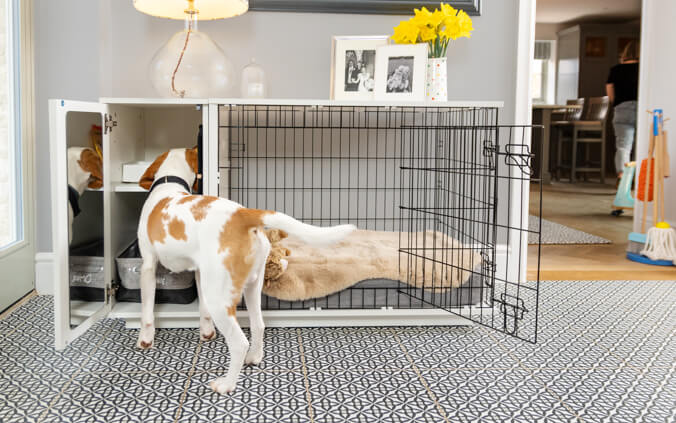
Consider the crate’s door design as well. Some crates come with multiple doors or doors that open from the side and front, making it easier for your dog to enter and exit. A crate that’s easy for your dog to navigate can make a big difference in their comfort level.
By thoughtfully selecting the right crate, you set the stage for a successful crate training experience. Have you thought about what features will make your dog feel most at home? Choosing wisely can lead to a happier, more content dog, making crate training a breeze for both of you.
Introducing The Crate
Older dogs can learn crate training with patience and consistency. This method offers them a safe, comfortable space. With time, even senior dogs can adapt to a new routine.
Introducing an older dog to a crate can seem daunting, but it's a journey that can bring great rewards for both you and your furry friend. Crate training an older dog can provide them with a safe space to relax and help manage anxiety. It can also simplify travel and vet visits. But how do you make the crate inviting and not a place of stress?
Creating A Positive Environment
Creating a welcoming atmosphere is the first step. Place the crate in a quiet, comfortable spot in your home where your dog already feels at ease. Make sure it's not isolated; dogs love to be part of the family action. Add a soft bed or blanket inside the crate. This gives it a cozy feel. Consider the lighting and temperature around the crate to ensure your pet feels comfortable and secure.
Gradual Acclimation Techniques
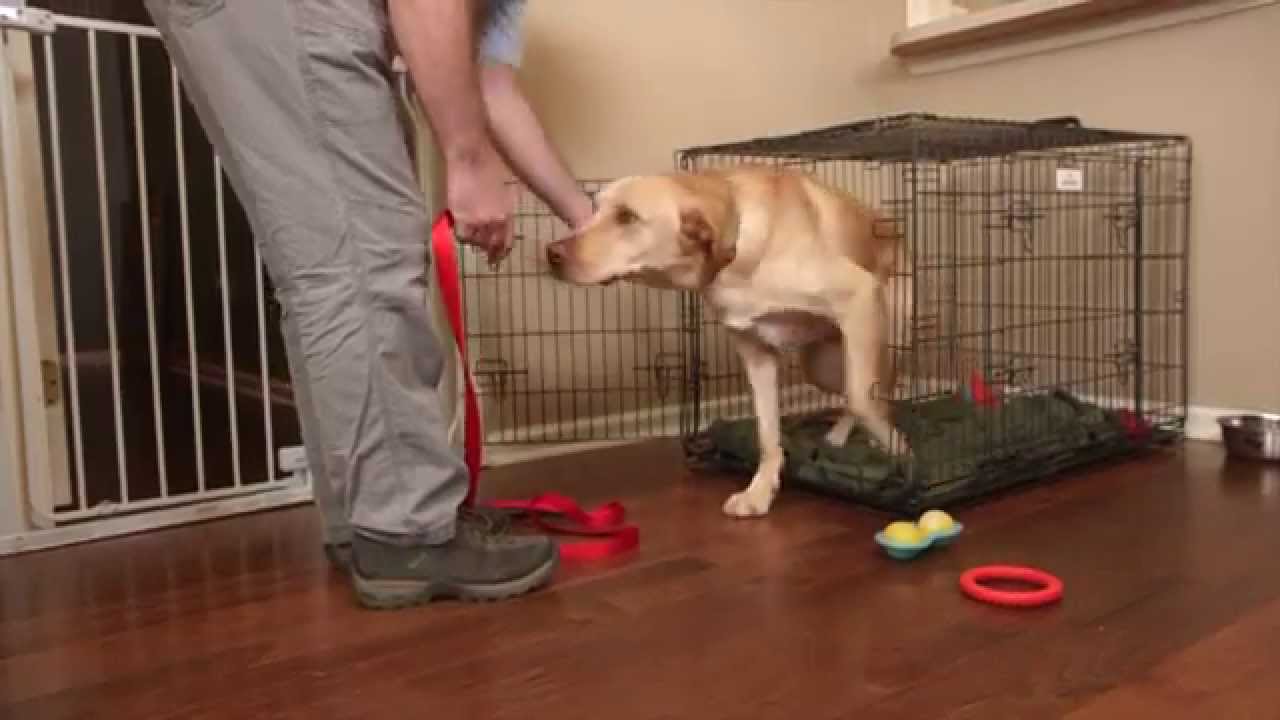
Start by leaving the crate door open. Allow your dog to explore it on their own terms. You might notice their initial curiosity. Encourage them to go inside by placing their favorite blanket or toy inside. Keep the crate open for a few days to build familiarity without pressure. Once they seem comfortable, close the door for short periods while you are nearby. Gradually increase the time as their comfort grows.
Using Treats And Toys For Encouragement
Treats and toys can be excellent motivators. Place a few treats inside the crate to entice your dog to enter. Dogs usually can't resist the allure of a tasty snack. Interactive toys like a treat dispenser can keep them entertained and make the crate more appealing. This association with positive experiences helps reinforce the crate as a happy place. Is your dog hesitant to enter the crate? Try feeding them meals inside it to create a positive connection. Over time, the crate will become synonymous with good things. Remember, patience is key. Celebrate small victories along the way. How has crate training improved your dog's daily routine? Let us know in the comments!
Establishing A Routine
Crate training an older dog requires patience and consistency. Establishing a routine helps your dog feel secure and comfortable. Dogs thrive on predictable patterns, making routines crucial. A routine helps your dog understand expectations. It also helps in reducing anxiety.
Consistent Feeding Schedule
Feeding your dog at the same times daily is key. This consistency helps regulate their digestion. It also sets a predictable pattern for bathroom breaks. Avoid free-feeding to establish a strong routine. Stick to measured meals for better control.
Regular Exercise And Playtime
Exercise is vital for your dog's health and behavior. Schedule daily walks and play sessions. These activities release energy and reduce stress. A tired dog is more likely to enjoy crate time. Keep playtime varied to maintain interest.
Designating Rest Periods
Rest is as important as activity. Schedule quiet times in your dog's day. This helps them learn to relax in their crate. Use these moments to reinforce calm behavior. Establishing rest periods aids in reducing hyperactivity.
Credit: www.youtube.com
Overcoming Common Challenges
Crate training an older dog presents unique challenges. Older dogs have established habits. They may resist new routines. Yet, patience and understanding can help. It's crucial to tackle common hurdles thoughtfully. Addressing anxiety, fear, and resistance is key. Tackling separation issues is equally important. Let's explore these challenges in detail.
Addressing Anxiety And Fear
Older dogs might feel anxious in new environments. A crate is no exception. Introduce the crate slowly. Let your dog sniff around it first. Place treats and toys inside the crate. This creates a positive association. Keep the crate door open initially. Allow your dog to enter and exit freely. Gradual exposure reduces anxiety over time.
Handling Resistance To Crate Training
Some older dogs resist crate training. They see the crate as a barrier. Use positive reinforcement to counter this. Praise your dog for entering the crate. Reward with treats or affection. Keep training sessions short and sweet. Consistency is key in overcoming resistance. Over time, your dog will feel more comfortable.
Dealing With Separation Issues
Separation issues often arise in crate training. Dogs miss their owners when alone. Gradually increase crate time. Start with short periods. Extend the time as your dog adjusts. Provide a comforting item in the crate. A favorite toy or blanket works well. This helps your dog feel secure. Over time, separation stress decreases.
Monitoring Progress
Monitoring progress is crucial in crate training an older dog. This process ensures the dog adapts well and feels comfortable. Observing changes helps identify areas for improvement. Let's explore how to track progress effectively.
Tracking Behavioral Changes
Behavioral changes indicate how well the training is working. Notice if your dog seems less anxious in the crate. Check if they enter willingly without hesitation. Observe their comfort level during different times of the day. Pay attention to whining or barking. These signs show how your dog is adjusting.
Adjusting Techniques As Needed
Not all methods work for every dog. Be ready to adjust techniques if needed. If the dog shows stress, try shorter crate periods. Introduce more positive reinforcement with treats or praise. Change the crate location if necessary. Experiment with different approaches until you find what works best.
Celebrating Milestones
Celebrate your dog's achievements to keep motivation high. Reward them for staying calm in the crate. Praise them for entering without being prompted. Each small success builds confidence. Recognize these milestones with affection or a special treat. This positive reinforcement encourages continued progress.
Credit: www.omlet.us

Credit: everent.es
Frequently Asked Questions
Can Older Dogs Learn Crate Training Easily?
Yes, older dogs can learn crate training with patience and consistency. Start by introducing the crate gradually. Make it a positive space with treats and toys. Ensure the crate is comfortable and welcoming. Consistent routines and positive reinforcement will help your older dog adjust to crate training over time.
How Long Does It Take To Crate Train An Older Dog?
The time it takes varies for each dog. Generally, it may take a few weeks. Consistency and patience are key. Start with short crate sessions and gradually increase the duration. Monitor your dog's comfort level and adjust the training pace accordingly.
Each dog learns at their own pace.
What Are The Benefits Of Crate Training An Older Dog?
Crate training provides a safe space for your dog. It helps with house training and reduces anxiety. Older dogs can benefit from a structured routine. It aids in preventing destructive behavior. The crate can also be a comfortable retreat for rest and relaxation.
Are There Any Challenges In Crate Training Older Dogs?
Yes, older dogs may have established habits that require adjustment. Patience is crucial in addressing these habits. Some dogs may resist initially, so gradual introduction is vital. Health issues could also affect training. Always consider your dog's specific needs and consult a vet if necessary.
Conclusion
Crate training an older dog is possible. It takes patience and consistency. Every dog can learn new habits. Start with small steps and positive reinforcement. Use treats and praise to encourage your dog. Create a cozy crate space. Make it inviting and safe.
Your dog will slowly adapt. Routine helps dogs feel secure. Crate training builds trust and comfort. Your dog will appreciate a safe spot. With time, your dog will enjoy the crate. It's a journey worth taking. Both you and your dog will benefit.
Stay committed, and success will come. Happy training!


