Ever wondered if you could whip up a nutritious meal for your furry friend right in your own kitchen? The idea of feeding your dog a raw food diet might sound a bit daunting at first, but it’s becoming an increasingly popular choice among pet owners.
You might be asking yourself, "Can I make my own raw food for my dog? " The answer is yes, and it's easier than you might think! Imagine the satisfaction of knowing exactly what ingredients are going into your dog's bowl.
Plus, think about the potential health benefits your dog could enjoy from a diet tailored specifically for them. This guide is here to help you understand the ins and outs of preparing raw meals for your canine companion. Stick around, and you'll discover how simple it can be to enhance your dog's diet and, in turn, their overall well-being.
Credit: www.runningtothekitchen.com
Benefits Of Homemade Raw Dog Food
Crafting homemade raw food for your dog offers control over ingredients, ensuring a balanced diet. Fresh, natural foods can improve digestion and boost energy levels. Plus, you'll know exactly what goes into your dog's meals, promoting their overall health.
Feeding your dog homemade raw food can offer numerous benefits. It's a choice that empowers you to control what goes into your pet's bowl. Many dog owners have found that preparing their own raw meals can lead to healthier, happier dogs. Plus, you might discover that it's not only beneficial for your pet but also for your wallet. Let's delve into the specific advantages of homemade raw dog food.
Improved Health And Digestion
Dogs thrive on a diet that mimics what their ancestors ate. By preparing raw meals at home, you can ensure your dog gets the nutrients they need. Many owners report improvements in their dog's coat, energy levels, and overall health. A balanced raw diet can aid digestion, reducing stomach issues and promoting better nutrient absorption. Have you noticed any digestive issues with your dog lately? Homemade raw food might be the answer.
Cost Efficiency
It's a common belief that raw feeding is expensive, but making food at home can be more affordable than you think. Buying ingredients in bulk or sourcing them from local farmers can save you money. You avoid the markup of commercial raw diets and can stretch your budget further. Consider making a cost comparison of your current dog food versus homemade raw options. You might be surprised at how much you can save.
Customization For Dietary Needs
Every dog is unique, and their diet should reflect that. Homemade raw food allows you to tailor meals to your dog's specific health needs. Does your pup require more protein or has a food allergy? You can easily adjust ingredients to cater to these requirements. This flexibility ensures your dog is not just eating, but thriving. What specific dietary needs does your dog have that commercial food doesn't meet? With homemade raw food, you have the power to make every meal count. By focusing on these benefits, you can make informed decisions about your dog's diet. Every step you take towards customizing their meals can lead to a happier, healthier pet.
Essential Nutrients For Dogs
Creating raw food for dogs ensures they receive essential nutrients like proteins, fats, and vitamins. Balance is key, with meats, vegetables, and supplements forming a complete diet. Consulting a vet helps in planning a nutritious homemade meal.
Essential nutrients ensure your dog stays healthy and active. These nutrients are vital for growth, energy, and overall wellness. Creating a balanced raw food diet requires knowledge of these nutrients. Let's explore the key components of a nutritious meal for your furry friend.
Proteins And Fats
Proteins help build muscles and repair tissues. Meat, fish, and eggs are excellent sources. They provide amino acids dogs need. Fats give energy and support cell functions. Omega fatty acids are particularly beneficial. They support skin, coat, and brain health. Include fish oil or flaxseed oil in meals.
Vitamins And Minerals
Vitamins boost immune function and support metabolism. Vitamin A, D, E, and K are essential. Fruits and vegetables like carrots and spinach are rich sources. Minerals like calcium and phosphorus strengthen bones. Include bone meal or crushed eggshells to provide these minerals. Iron and zinc are also important for blood health.
Hydration And Fiber
Water is crucial for digestion and organ function. Ensure your dog has fresh water daily. Fiber aids in digestion and prevents constipation. Vegetables like pumpkin and broccoli offer good fiber. They also add bulk to meals, keeping dogs satisfied. Fiber contributes to overall gut health.
Common Ingredients
Creating raw food for your dog involves using common ingredients like fresh meat, vegetables, and fruits. Ensure meat is lean and free from additives. Balance meals with appropriate portions of bone and organ meat.
Creating your own raw food for your dog can be rewarding. Knowing what goes into their meals ensures quality and health. Understanding common ingredients is crucial. It helps in crafting balanced, nutritious meals. Let's explore key components of a raw dog food diet.
Meats And Fish
Meat forms the foundation of a raw diet. Chicken, beef, and turkey are popular choices. They provide essential proteins and amino acids. Fish like salmon offers omega-3 fatty acids. These support a shiny coat and brain health. Always use fresh, high-quality meats. Avoid processed or seasoned options.
Fruits And Vegetables
Fruits and vegetables add vitamins and minerals. Apples and blueberries are great fruit choices. They are low in sugar and high in antioxidants. Vegetables like carrots and spinach provide fiber. They support digestion and overall health. Always wash and chop them properly.
Supplements And Additives
Supplements ensure your dog gets all nutrients. Calcium is vital for bone health. Fish oil can enhance skin health. Additives like kelp offer trace minerals. They support thyroid function and metabolism. Always consult a vet before adding new supplements.
Credit: thismessisours.com
Creating Balanced Meals
Preparing raw meals for your dog can be rewarding. Choose fresh meats, vegetables, and grains. Ensure balanced nutrition. Always consult your vet for advice.
Creating a balanced meal for your dog is crucial when venturing into the world of homemade raw food diets. You want to ensure that your furry friend receives all necessary nutrients. It's not just about mixing meat and veggies; it's about getting the right proportions and nutrients. Having tried this for my own dog, I learned that a little planning can go a long way in ensuring a happy, healthy pet.
Proportion Guidelines
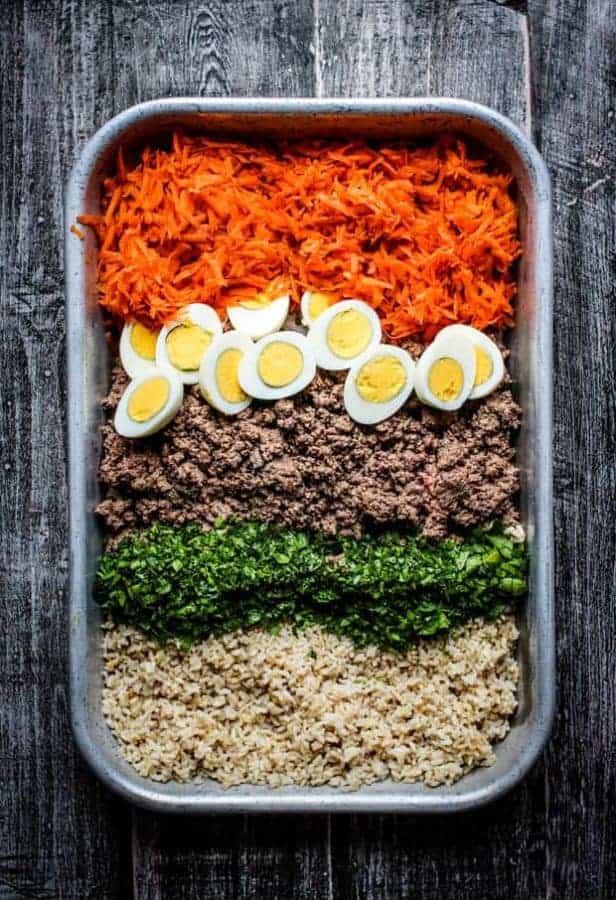
Getting the proportions right is essential for a balanced meal. Generally, aim for 70-80% muscle meat, 10-15% raw edible bone, 5-10% organ meat, and a small portion of vegetables and fruits. Muscle meat includes chicken, beef, or turkey. Bones are a great source of calcium, while organ meats like liver provide essential vitamins and minerals. Remember, vegetables should be finely chopped or pureed to help digestion.
Sample Meal Plans
Creating a meal plan can seem daunting, but it's easier with a template. Try starting with a simple plan, such as:
- 70% chicken breast
- 10% chicken necks (for bone)
- 5% beef liver
- 5% carrots and peas
- 10% plain yogurt (for probiotics)
You can adjust the protein source and vegetables based on availability and your dog's preference. Always observe how your dog reacts to new ingredients and make adjustments as needed.
Adjustments For Age And Size
Your dog's age and size will affect their dietary needs. Puppies require more energy and nutrients for growth, so their meals may need more protein and fat. Older dogs might benefit from foods that support joint health, like omega-3-rich fish. Small breeds might need smaller, more frequent meals. Larger dogs may thrive on twice-daily feeding. It’s important to monitor your dog’s weight and energy levels, adjusting portions as necessary. Are you considering transitioning your dog to a homemade raw diet? Be sure to consult with a veterinarian or a pet nutritionist. Their expertise can guide you in tailoring meals specifically for your dog's unique needs.
Safety Precautions
Making your own raw food for your dog can be rewarding. Ensuring it is safe is crucial. Raw diets offer health benefits but come with risks. Proper safety measures are vital to avoid contamination and health hazards. Understanding these precautions ensures your dog's diet is beneficial and secure.
Preventing Contamination
Contamination can occur easily with raw food. Wash your hands before handling ingredients. Use clean utensils and surfaces. Separate raw meat from other foods. This reduces bacteria spread. Keep raw food away from cooked food. Doing this prevents cross-contamination.
Handling And Storage Tips
Proper storage keeps food fresh and safe. Use airtight containers for raw meals. Refrigerate immediately after preparation. Freeze meals for long-term storage. Label containers with dates. This helps track freshness. Thaw meals in the fridge, never at room temperature.
Avoiding Toxic Ingredients
Some foods can be harmful to dogs. Avoid onions, garlic, and chocolate. Grapes and raisins are toxic. Check ingredient lists before use. Research safe foods for dogs. Consult your vet for advice. A little caution prevents big problems.
Getting Started
Making raw food for your dog can be rewarding. It ensures your pet gets fresh and nutritious meals. You control the ingredients, avoiding additives and preservatives. If you're new to this, begin with understanding the basics. Start small and learn along the way.
Choosing The Right Equipment
Having the right tools makes the process smoother. A good quality grinder is essential. It helps in processing meat and bones efficiently. Invest in airtight containers for storage. Use a sharp knife for cutting and trimming meat. Reliable kitchen scales ensure accurate portioning.
Finding Quality Ingredients
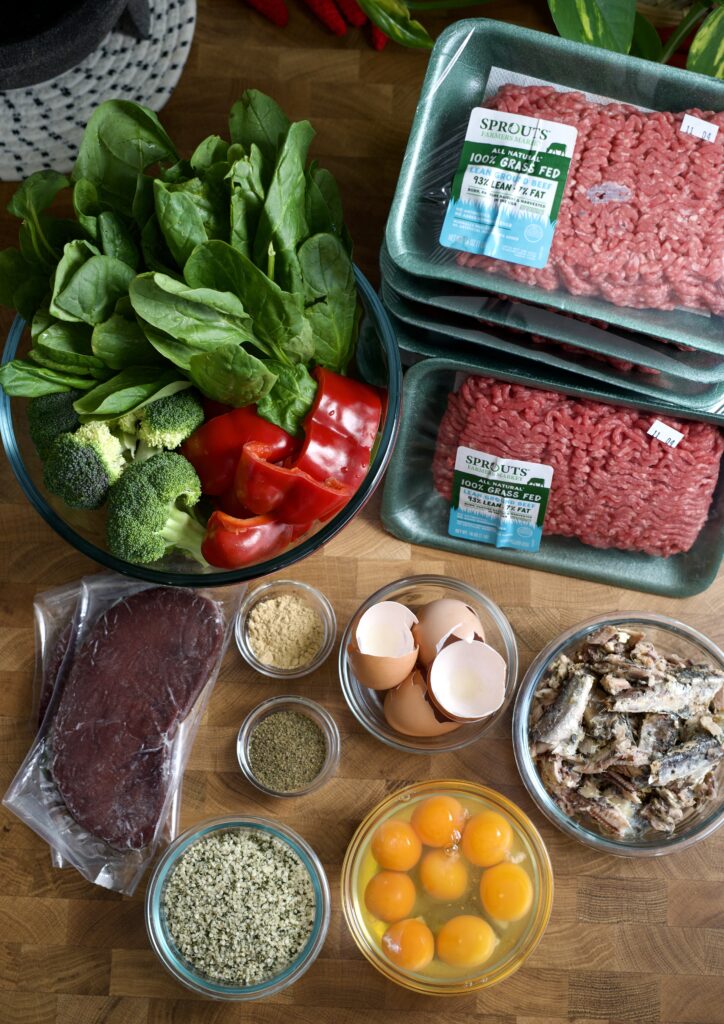
Quality ingredients make a difference in your dog's diet. Fresh meat is a must. Choose lean cuts like chicken or turkey. Add organ meats for essential nutrients. Fresh vegetables provide fiber and vitamins. Look for local suppliers for fresher options. Avoid processed meats and fillers.
Step-by-step Preparation
Begin with planning your dog's meals. Calculate the right portions based on your dog's weight and activity. Wash hands and surfaces to maintain hygiene. Cut meat into manageable pieces. Grind meat and bones for easy digestion. Mix meat with vegetables and supplements. Portion meals into containers. Store in the fridge or freezer for freshness.
Monitoring Your Dog's Health
Monitoring your dog's health is crucial, especially when feeding homemade raw food. Ensuring your furry friend gets all the nutrients they need is vital. Regular observation helps catch any signs of health issues early. This section will guide you through key aspects of health monitoring.
Signs Of Nutritional Deficiencies
Watch for changes in your dog's coat. A dull coat might signal a lack of essential oils. Weight loss can indicate insufficient calories or nutrients. Check for weakness or lethargy; these can be signs of vitamin or mineral deficits. Monitor your dog's eating habits. If they refuse food, it might be a sign something's missing in their diet.
Regular Veterinary Check-ups
Routine vet visits are important. A vet can spot health issues you might miss. Blood tests can reveal nutritional imbalances. Regular weigh-ins help track your dog's health progress. A vet can advise on dietary changes if needed. Don't skip these check-ups. They provide peace of mind and keep your dog healthy.
Adjusting The Diet As Needed
Sometimes, your dog's diet needs tweaks. You might need to add more protein or fiber. Observe how your dog reacts to diet changes. If they seem more energetic, you're on the right track. Consult a vet before making big changes. They can recommend safe adjustments. Keep a food diary to track what works best for your dog.
Credit: stellanspice.com
Frequently Asked Questions
Is Homemade Raw Dog Food Safe?
Yes, homemade raw dog food can be safe if prepared properly. Ensure balanced nutrition by including meat, bones, and vegetables. Consulting a vet or pet nutritionist is recommended for proper guidance. Always use fresh ingredients and maintain cleanliness to prevent bacterial contamination.
What Ingredients Are Best For Raw Dog Food?
Optimal ingredients for raw dog food include muscle meat, organ meat, and bones. Add vegetables like carrots and spinach for vitamins. Some dogs benefit from fruits like apples. Consult with a vet for specific dietary needs and to ensure a balanced diet.
How Do I Transition My Dog To Raw Food?
Transition your dog gradually to raw food over a week. Start by mixing small amounts of raw food with their current diet. Gradually increase the raw portion while decreasing processed food. Monitor your dog for any digestive issues and consult a vet if needed.
How Much Raw Food Should I Feed My Dog?
The amount of raw food depends on your dog's weight and activity level. Generally, feed 2-3% of their body weight daily. Adjust portions based on age, breed, and health. It's best to consult with a vet to tailor the diet to your dog's specific needs.
Conclusion
Crafting your dog's raw food can be rewarding. You control ingredients. Quality and freshness matter. Understand your dog's needs first. Research recipes tailored for dogs. Consult a vet for advice. Balance nutrients carefully. Start small and monitor health. Adjust portions as needed.
Your dog's wellbeing comes first. Safety is key in raw food preparation. Cleanliness prevents contamination. Enjoy the process and bond with your pet. Healthy choices lead to a happy dog. Benefits include better digestion and energy. Homemade raw food requires dedication.
But it's a fulfilling journey. Your dog deserves the best nutrition.