Are you committed to providing the best nutrition for your furry friend? Feeding your dog a raw food diet can be a fantastic choice, but it also comes with its own set of challenges—especially when it comes to storage.
Improper storage can lead to health risks, both for your dog and your family. Imagine the peace of mind knowing exactly how to keep your dog’s meals fresh and safe. In this guide, you’ll discover simple and effective techniques to store raw food for dogs, ensuring that every meal is as nutritious and delicious as the last.
Don't leave your dog's health to chance; read on to become an expert in raw food storage and give your pet the care they deserve.

Credit: www.bigdogpetfoods.com
Understanding Raw Food Diets
Raw food diets for dogs are gaining popularity among pet owners. This diet mimics what dogs would naturally eat in the wild. It typically includes raw meat, bones, fruits, and vegetables. Advocates believe it offers numerous health benefits for dogs. These benefits include improved digestion, healthier skin, and shinier coats.
Feeding your dog a raw food diet requires careful planning. You must ensure the diet is balanced and meets nutritional needs. Understanding these needs is key to providing a healthy raw food diet. Knowledge about raw food diets helps in storing the food properly.
Benefits Of Raw Food Diets For Dogs
Many dog owners report positive changes with raw diets. Dogs often show increased energy levels. Their stools are usually smaller and less odorous. Raw diets can lead to healthier teeth and gums. The natural enzymes in raw food help break down plaque.
Key Components Of A Raw Food Diet
A raw food diet consists of various components. Raw meat forms the bulk of the diet. It provides essential proteins and amino acids. Bones offer calcium and other vital minerals. Vegetables and fruits supply vitamins and fiber.
Organs like liver and kidney are nutrient-rich. They add essential vitamins and minerals. It’s important to balance these components for a complete diet.
Challenges With Feeding Raw Food Diets
Feeding a raw diet presents several challenges. Ensuring the diet is balanced is crucial. It requires time and commitment from the owner. Proper storage of raw food is essential to prevent spoilage. Raw food can pose risks if not handled correctly.
Potential bacteria in raw meat is a concern. This requires strict hygiene practices when preparing meals. Understanding these challenges helps in managing a raw food diet effectively.

Credit: www.k9sovercoffee.com
Benefits Of Raw Feeding
Raw feeding is becoming popular among dog owners. Many believe it offers numerous benefits for canine health. Raw food diets usually consist of uncooked meat, bones, fruits, and vegetables. Advocates claim this approach is more natural for dogs. Let's explore the benefits of raw feeding.
1. Improved Digestion
Raw food is easier for dogs to digest. It mimics what their ancestors ate. Their bodies process raw meat and bones efficiently. This leads to better nutrient absorption. Dogs have fewer digestive issues with raw diets.
2. Better Dental Health
Chewing raw bones helps clean dogs’ teeth. It removes tartar and plaque naturally. This can reduce the risk of dental diseases. Raw feeding promotes healthier gums and fresher breath.
3. Shinier Coat and Healthier Skin
Raw diets often lead to a shinier coat. They contain essential fatty acids and oils. These nutrients improve skin health. Dogs look more vibrant and feel more comfortable.
4. Increased Energy Levels
Dogs on raw diets often have more energy. They receive nutrient-dense meals. This fuels their active lifestyle. Many owners notice their dogs are more playful and lively.
5. Strengthened Immune System
Raw feeding can boost a dog’s immune system. Nutrients in raw food help fight infections. Dogs become more resilient to illnesses. They enjoy a healthier, longer life.
6. Weight Management
Raw diets help manage a dog’s weight. They contain fewer fillers and more protein. Dogs maintain a lean, healthy physique. This reduces the risk of obesity-related issues.
Raw feeding offers numerous benefits for dogs. It aligns with their natural diet. It can improve their overall health and well-being.
Choosing Quality Ingredients
Proper storage of raw food for dogs ensures ingredient quality. Use airtight containers to keep food fresh longer. Maintain a consistent freezer temperature to prevent spoilage and preserve nutrients.
Choosing quality ingredients is crucial when preparing raw food for your dog. It’s not just about what you feed them, but the quality of each ingredient that ensures they get the nutrition they need. You want to make sure that every bite your dog takes is packed with health benefits. Let's dive into how you can select the best components for your dog's meals.
Selecting Fresh Meats
Picking the right meats is a cornerstone of a balanced diet for your dog. Always go for fresh cuts from trusted sources. Local butchers or farmers' markets can offer high-quality options. Look for meats that are free from additives and preservatives. A good rule of thumb is to choose cuts you would eat yourself. This ensures that your dog gets clean protein without harmful chemicals.
Incorporating Vegetables
Vegetables are a great way to add fiber and essential vitamins to your dog’s diet. Select a variety of colorful veggies to cover a broad spectrum of nutrients. Carrots, spinach, and broccoli are excellent choices. They provide antioxidants and help maintain your dog's overall health. Think about what vegetables you enjoy and incorporate similar ones, ensuring they are safe for dogs. This can make meal prep more enjoyable for both you and your furry friend.
Adding Supplements
Supplements can fill nutritional gaps and boost your dog’s health. Consider adding omega-3 oils for their heart and joint health. Calcium is vital for strong bones, especially in growing puppies or older dogs. You can find many supplement options at pet stores or online. But remember, supplements should complement the diet, not replace quality food. Have you ever wondered if your dog is missing out on essential nutrients? Supplements can be the solution. Choosing the right ingredients involves thoughtful decisions. Your dog relies on you for their health and well-being. By focusing on quality meats, vegetables, and supplements, you are setting them up for a vibrant life. What steps will you take to improve your dog's diet today?
Proper Storage Techniques
Storing raw food for dogs correctly ensures freshness and safety. Keep it in airtight containers in the freezer. Thaw in the refrigerator before serving.
Storing raw food for your dog properly is crucial to maintain its nutritional value and keep it safe from harmful bacteria. You wouldn't want your beloved pet falling ill from improperly stored food. Just as we take care of our own meals, it's important to extend the same diligence to our furry friends. Understanding the right techniques for storage can make a significant difference. Let's dive into proper storage techniques that ensure your pet's meals are fresh and safe.
Refrigeration Methods
Refrigerating raw dog food is a common practice. Always store your dog's raw meals in airtight containers. This not only preserves freshness but also prevents cross-contamination with other foods. Stack these containers towards the back of the fridge where the temperature is most consistent. Avoid placing them in the door, where temperatures can fluctuate. Aim to use refrigerated raw food within three days to ensure it's at its peak quality.
Freezing Guidelines
Freezing raw dog food is ideal for long-term storage. Ensure each portion is sealed in freezer-safe bags or containers to avoid freezer burn. Label each package with the date of freezing to track its freshness. Store the food in single-meal portions, making it easier for you to thaw only what you need. If you're short on space, consider using vacuum-sealed bags to conserve room and enhance freshness.
Thawing Safely
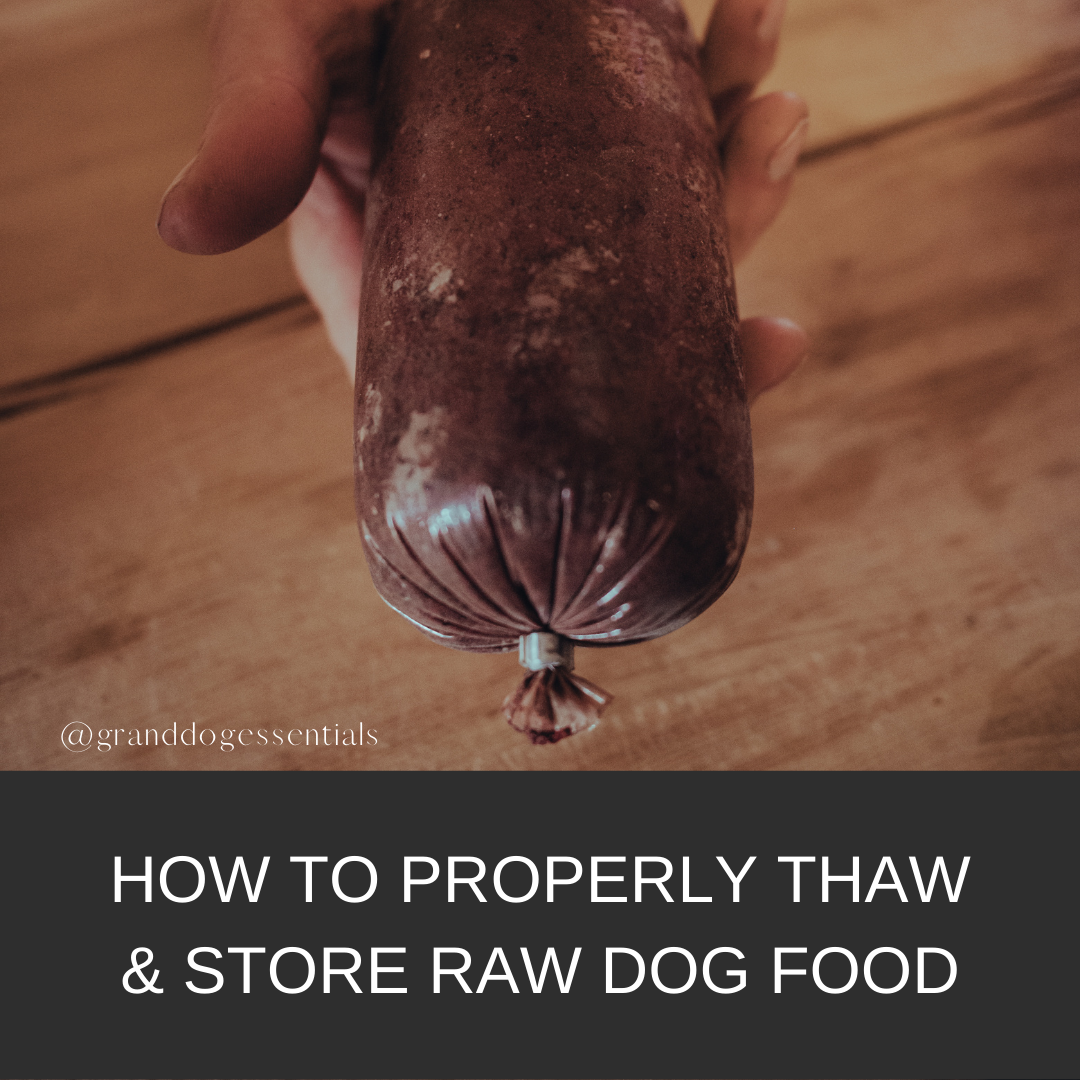
Thawing is an often overlooked step in the storage process. Always thaw raw food in the fridge, not on the counter. Rapid temperature changes can encourage bacteria growth, putting your dog at risk. Plan ahead and move the next meal from the freezer to the fridge a day in advance. This ensures it thaws slowly and safely. If you're in a rush, consider using cold water thawing methods, but never use warm water or a microwave. Storing raw food for your dog doesn't have to be complicated. With these simple steps, you can ensure that your pet's meals remain safe and nutritious. How do you store your dog's food, and have you ever encountered any challenges with it?
Preventing Contamination
Storing raw dog food properly keeps it safe and fresh. Use airtight containers to prevent contamination. Keep food in the freezer or fridge to maintain its quality.
Storing raw food for your furry friend is more than just about keeping it fresh. It's crucial to prevent contamination to ensure their health and well-being. You want to avoid any harmful bacteria that could make your dog sick. So, how can you make sure the food remains safe from contamination? Let's dive into some practical tips.
Hygiene Practices
Maintaining cleanliness is your first line of defense. Always wash your hands before and after handling raw food. Use hot, soapy water to clean any surfaces or utensils that come into contact with the food. Consider designating specific containers and cutting boards for your dog's meals. This minimizes the chance of bacteria spreading to your kitchen items. Regularly sanitize these tools to keep them germ-free.
Cross-contamination Risks
Cross-contamination can happen easily if you're not careful. Keep your dog's raw food separate from any other food items in the fridge. Store it in airtight containers on the bottom shelf to prevent juices from leaking onto other foods. Think about how you arrange your fridge. Do you have raw meats above your vegetables? If so, it's time to rearrange. Raw meat should always be stored below other items to avoid any drips or spills contaminating your produce. Lastly, when preparing meals, use different utensils for raw and cooked foods. This simple step can significantly reduce the risk of harmful bacteria spreading in your kitchen. Isn't it surprising how a few small changes can make a big difference in keeping your pet safe? By adopting these strategies, you're not just storing food—you're ensuring a healthier life for your beloved dog.
Understanding Shelf Life
Understanding shelf life is crucial in storing raw food for dogs. It ensures the food remains nutritious and safe. The shelf life of raw food can vary greatly. Factors include storage conditions and packaging.
Recognizing Spoilage
Recognizing spoilage is essential for dog health. Spoiled food can be dangerous. Look for signs like discoloration or an off smell. Texture changes may also indicate spoilage. These signs mean the food is no longer safe.
Extending Freshness
Extending freshness keeps food nutritious longer. Proper storage is key. Use airtight containers to prevent contamination. Refrigerate or freeze to maintain quality. Check the temperature regularly to ensure safety.
Creating A Storage Schedule
Organizing a storage schedule ensures raw dog food stays fresh and nutritious. Use airtight containers to prevent spoilage. Labeling helps track expiration dates easily. Store meats in the freezer until ready to serve. Regular checks maintain food safety and quality for your furry friend.
Creating a Storage Schedule for raw dog food ensures freshness and safety. A well-organized schedule minimizes waste and helps maintain nutritional value. It streamlines meal prep and supports a healthy diet for your dog. Below are some effective strategies to implement a storage schedule.
Meal Planning
Plan meals ahead to manage raw food storage efficiently. Determine daily portions based on your dog's size and nutritional needs. Preparing meals in advance reduces daily prep time. It also ensures a balanced diet. Portion each meal separately and label containers with dates. This keeps the food fresh and organized. Planning meals saves time and helps avoid spoilage.
Inventory Management
Keep track of your raw food supplies with a simple inventory system. Record purchase and expiration dates of each item. Regularly check stock levels to prevent running out of essential ingredients. Use a spreadsheet or a dedicated notebook to track inventory. Rotate stock to use older items first. This method reduces waste and maintains food quality. Proper inventory management supports a consistent feeding routine.
Expert Tips For Safe Handling
Feeding dogs a raw food diet requires careful handling and storage. Improper handling can lead to contamination and health risks. Understanding safe handling practices ensures your pet's well-being.
Safe Preparation Methods
Always wash your hands before and after handling raw dog food. Use separate cutting boards for raw meat and other foods. This prevents cross-contamination. Clean all surfaces with hot, soapy water. Dry thoroughly. Avoid leaving raw food at room temperature for long periods. Use a digital thermometer to check storage temperatures. Keep raw food at or below 40°F.
Ensuring Nutritional Balance
Raw diets must be nutritionally balanced. Consult a veterinarian or pet nutritionist. They can guide you on the right proportions of meat, bones, and organs. Include a variety of protein sources. This ensures a range of nutrients. Consider adding supplements if needed. Monitor your dog's health and energy levels. Adjust the diet as necessary.
Credit: granddog.ca
Frequently Asked Questions
How To Store Raw Dog Food Safely?
Store raw dog food in airtight containers in the fridge. Use separate containers for different types of food. Keep the temperature below 40°F (4°C) to prevent bacterial growth. Label containers with the date of storage. Use within three days to ensure freshness and safety for your dog.
Can You Freeze Raw Dog Food?
Yes, you can freeze raw dog food. Freezing keeps the food fresh for longer periods. Use airtight freezer-safe bags or containers. Label them with dates for easy tracking. Thaw in the fridge before serving. Ensure the food is fully thawed to maintain nutritional value.
How Long Can Raw Dog Food Last?
Raw dog food lasts about three days in the fridge. Ensure the temperature is below 40°F (4°C) to prevent spoilage. For longer storage, freeze the food. It can last up to six months in the freezer. Always check for signs of spoilage before serving.
What Containers Are Best For Raw Dog Food?
Use airtight containers made of glass or stainless steel. These materials prevent contamination and are easy to clean. Plastic containers can harbor bacteria if not cleaned properly. Ensure containers are leak-proof to maintain freshness and prevent odors. Regularly sanitize containers to ensure your dog's safety.
Conclusion
Proper storage keeps your dog's raw food fresh and safe. Follow simple steps to ensure quality and health. Use airtight containers to prevent contamination. Label with dates for easy tracking. Freeze portions for longer shelf life. Keep the freezer clean and organized.
Check temperatures regularly to maintain freshness. Handle food with clean hands to avoid germs. Your dog's diet impacts their well-being, so stay diligent. A few careful actions make a big difference. Prioritize your pet's health with smart storage practices. Enjoy a happy, healthy pup with proper food care.