Are you considering switching your furry friend to a raw food diet? You're not alone.
Many pet owners are exploring this natural approach to dog nutrition, hoping to boost their pet's health and vitality. But where do you start, and how can you ensure it's safe and beneficial for your dog? In this guide, we'll unravel the mysteries of the raw food diet for dogs, breaking down the essentials you need to know.
Imagine your pet with a shinier coat, increased energy, and improved digestion. It’s possible, and it all starts with the right knowledge. Stick with us, and you'll learn how to make this transition smoothly and safely for your beloved companion.
Benefits Of Raw Food Diet For Dogs
Thinking about switching your dog's diet? A raw food diet might be the answer. This diet mimics what dogs ate before they became pets. It can offer many advantages for your furry friend. Let's explore these benefits.
Improved Digestion
Raw food is natural and easy to digest. Dogs can process it better than processed food. This often leads to less bloating and gas. Their stomachs handle raw meat, bones, and organs well.
Healthier Skin And Coat
Dogs on a raw diet often have shinier coats. Their skin becomes healthier too. Raw food provides essential oils that nourish their skin and fur. This can reduce itching and dryness.
Higher Energy Levels
Raw food gives dogs more energy. They often become more active and playful. This increase in energy is due to the high-quality nutrients in raw food. Dogs need these nutrients to thrive.
Better Dental Health
Chewing raw bones helps clean a dog's teeth. This reduces plaque and tartar buildup. Healthy teeth can prevent other health problems. Dogs enjoy the natural way of cleaning their teeth.
Stronger Immune System
Raw food boosts the dog's immune system. It provides vitamins and minerals not found in processed food. These nutrients help fight off infections and diseases. A strong immune system keeps dogs healthy and happy.
Weight Management
Raw food can help with maintaining a healthy weight. It provides balanced nutrients without fillers. Dogs can lose excess weight and gain muscle. This helps them stay fit and active.
Essential Nutrients In Raw Diet
Raw diets for dogs need essential nutrients like proteins, vitamins, and minerals for health. Balance meat, bones, and vegetables carefully. Ensure fresh water is always available.
Providing your dog with a raw food diet involves more than just serving raw meat. It's crucial to ensure they get a balanced mix of essential nutrients. This balance is vital for their health and well-being. Let's explore the key components you need to include to achieve a nutritious raw diet for your furry friend.
Proteins And Fats
Proteins form the foundation of a raw food diet. They help build and repair tissues, making them essential for growth and maintenance. You can provide proteins through raw meats like chicken, beef, and lamb. Have you ever noticed how your dog seems more energetic after enjoying a meal rich in meat? That's the power of proteins at work. Fats are equally important. They provide energy and support brain function. Fish oils or fatty cuts of meat can boost your dog's fat intake. Just remember, too much fat can lead to weight gain, so balance is key.
Vitamins And Minerals
Vitamins and minerals are the unsung heroes in a raw diet. They support everything from bone health to immune function. Think about adding organ meats like liver, which are rich in vitamins A and B. Have you tried adding eggshells? Ground eggshells are an excellent source of calcium. What about leafy greens? Spinach and kale can be finely chopped and added to meals, boosting vitamins like C and K. Just ensure the vegetables are dog-safe and prepared properly to avoid any digestive issues.
Hydration Needs
Don't overlook your dog's hydration needs. Raw diets typically contain more moisture than kibble. However, your dog still requires fresh water access at all times. How can you tell if your dog is hydrated enough? Check their gums; they should be moist, not sticky. Including water-rich foods like cucumbers can contribute to hydration. But, always keep a bowl of clean, fresh water available for your pet to sip on throughout the day. Balancing these nutrients can seem daunting at first. But with careful planning and a bit of trial and error, you'll find the right mix that keeps your dog healthy and happy. Have you tried a raw food diet for your dog? What changes have you noticed?
Selecting Ingredients For Raw Diet
Choosing the right ingredients is key for a raw food diet for dogs. Prioritize fresh meats, organs, and bones. Include vegetables and fruits for balanced nutrition.
Switching your dog to a raw food diet can be a rewarding journey, but it requires careful selection of ingredients to ensure your furry friend gets all the nutrients they need. The right balance of proteins, vegetables, and supplements can make a world of difference in your dog's health. Let's dive into the specifics of choosing the best components for your dog's raw diet.
Meat Selection
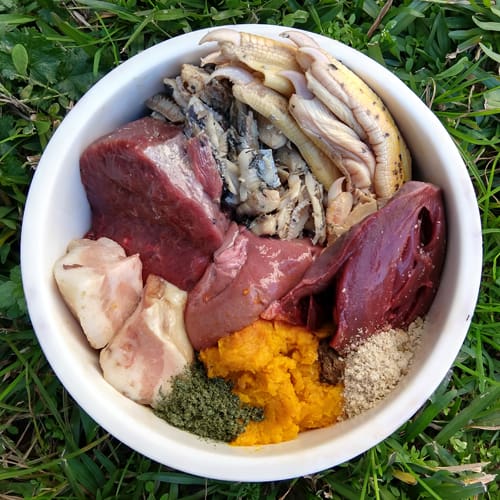
Choosing the right meat is crucial. Opt for fresh, high-quality cuts like chicken, beef, or turkey. Organ meats like liver and kidneys are packed with vitamins and should make up around 10% of the meat portion. Consider your dog's preferences and any food sensitivities they might have. If you're unsure, try a small portion of different meats to see which they enjoy most. Always ensure meats are free from additives and hormones.
Vegetable Choices
Vegetables add essential vitamins and minerals. Carrots, spinach, and broccoli are excellent choices. They provide fiber, which aids in digestion. Chop or blend vegetables to ensure your dog can digest them properly. You might be surprised at how much your dog enjoys a crunchy carrot stick. Keep in mind, not all vegetables are safe for dogs; avoid onions and garlic.
Supplementary Ingredients
Supplements can fill nutritional gaps. Consider adding fish oil for omega-3 fatty acids, which support skin and coat health. A sprinkle of kelp powder can provide trace minerals. Eggs are another great addition, offering protein and essential fatty acids. Remember to include the shell for calcium, if your dog tolerates it. Regularly assess your dog's health and adjust supplements as needed. Have you noticed changes in your dog's energy levels or coat condition since starting a raw diet? Adjusting ingredients could enhance these benefits. Your dog's health is a reflection of what they eat, so choose wisely and observe changes closely.
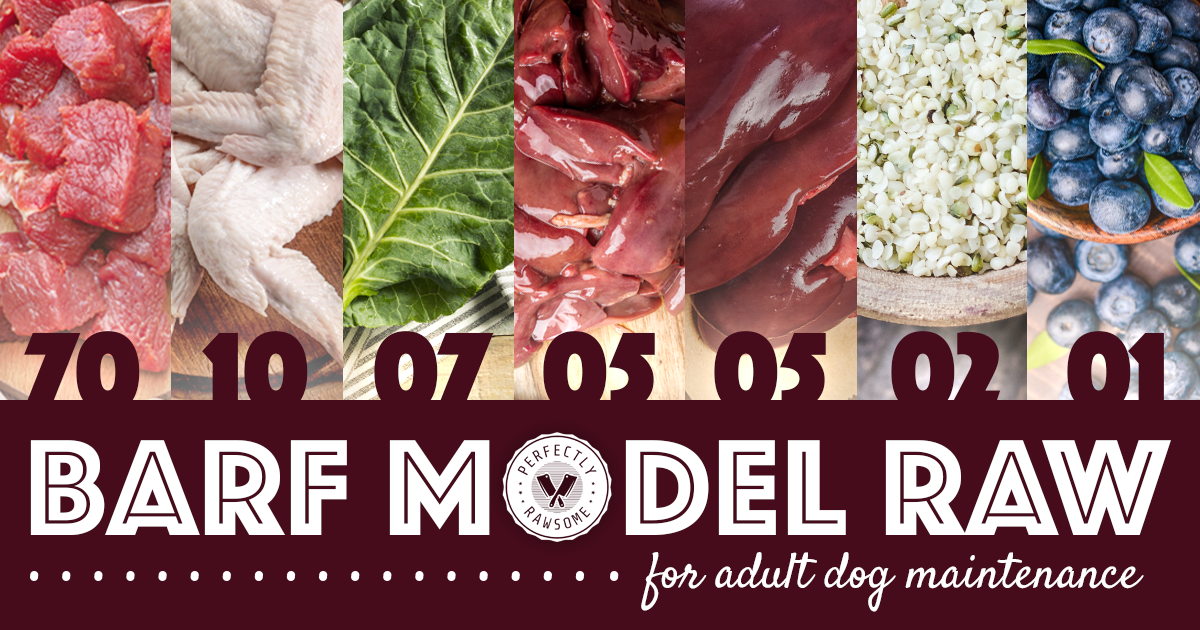
Credit: perfectlyrawsome.com
Preparing Raw Meals Safely
Feeding dogs a raw food diet requires careful preparation to ensure safety. Always use fresh, high-quality ingredients. Wash hands and surfaces thoroughly to prevent contamination.
Preparing raw meals safely for your dog is essential to ensure their health and well-being. It's not just about tossing raw meat into a bowl. You must consider sanitation and storage to prevent any potential risks. Let's dive into some practical tips for preparing raw meals safely for your furry friend.
Sanitation Practices
Your kitchen is the starting point for safe meal prep. Begin by washing your hands thoroughly with soap and warm water before and after handling raw food. Use separate cutting boards for raw meat and other foods. This reduces the risk of cross-contamination. Clean all utensils and surfaces with hot, soapy water immediately after use. Keep a dedicated set of bowls and tools for your dog's raw meals. This helps maintain hygiene and prevents any residue from mixing with your own food. Have you ever thought about how often you clean your dog's food bowls? It's crucial to wash them daily. Use hot water and a pet-safe detergent. This simple step can prevent harmful bacteria from thriving.
Storage Techniques
Proper storage is vital to keep raw dog food fresh and safe. Use airtight containers to store raw meals in the refrigerator. This prevents spoilage and contamination. Label containers with dates to track freshness. Plan your meals ahead and freeze portions you won't use within a couple of days. Freezing locks in nutrients and extends the shelf life of the food. Thaw frozen meals in the fridge, not on the counter, to keep bacteria at bay. Consider investing in a dedicated freezer for your dog's meals. This ensures you have ample space and can buy in bulk, saving you money in the long run. Plus, it keeps your dog's food separate from your family's supplies. Have you noticed a change in your dog's behavior or health since starting a raw diet? If so, proper sanitation and storage might be the missing link. By taking these precautions, you ensure your dog enjoys the full benefits of a raw food diet safely.
Feeding Guidelines
Creating a raw food diet for dogs involves offering fresh meats, bones, and vegetables. Ensure balanced nutrients for overall health. Consult a veterinarian to tailor the diet to your dog's specific needs.
Embarking on a raw food diet for your dog can feel like navigating uncharted waters. But don't worry; understanding feeding guidelines will help you sail smoothly. Knowing how much and how often to feed your furry friend is crucial. Your dog's health and happiness depend on it. Let's dive into the key aspects of feeding guidelines for a raw food diet.
Portion Sizes
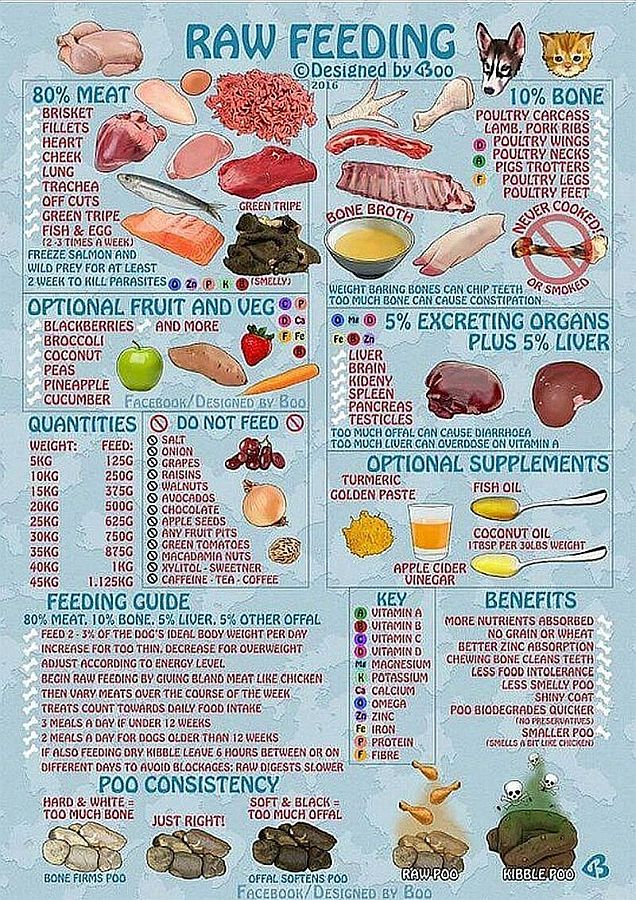
Determining the right portion size is essential for your dog's well-being. The general rule of thumb is to feed your dog about 2-3% of their ideal body weight daily. For instance, if your dog weighs 50 pounds, you would offer between one to one and a half pounds of food each day. But remember, every dog is unique. Activity level, age, and metabolism can affect how much they need. Always monitor your dog's weight and adjust portions accordingly.
Feeding Frequency
How often should you feed your dog on a raw diet? Typically, adult dogs do well with two meals a day. This routine keeps their energy levels stable and avoids hunger-induced mischief. Puppies, however, require more frequent meals. They thrive on three to four meals a day to support their rapid growth and development. Think about your own schedule too. Are you around to feed multiple times, or does twice a day work better for you? Balancing your dog's needs with your lifestyle can make the raw diet journey enjoyable for both of you. Have you ever noticed how your dog behaves after meals? Observing their energy and satisfaction levels can give you clues to fine-tune their feeding schedule. After all, the goal is a happy, healthy dog with a wagging tail.
Credit: perfectlyrawsome.com
Transitioning To Raw Diet
Switching to a raw food diet for dogs involves offering fresh meats, vegetables, and fruits. Start slowly, introducing one new ingredient at a time to monitor your dog's reaction. Consult a vet to ensure a balanced diet, meeting all nutritional needs.
Transitioning your dog to a raw food diet can be a rewarding journey. It’s not just a change in their menu; it’s a lifestyle shift that requires thoughtful planning and observation. You might wonder how to make this transition smooth and beneficial for your furry friend. Let's dive into the specifics of making this switch effectively.
Gradual Introduction
Begin the transition by gradually adding raw food to your dog's current diet. Start small, mixing a little raw meat with their usual kibble. Observe their reaction to this new addition. Increase the portion of raw food steadily over several days. This approach allows your dog's digestive system to adapt without stress. It's like introducing a new routine; slow and steady wins the race. Consider your dog's preferences and health conditions. Some dogs might take to raw diets faster than others. Adjust the pace based on how your dog responds.
Monitoring Health
Keep a close eye on your dog's health as they transition. Look out for changes in their energy levels and coat condition. A shiny, healthy coat is a positive sign. Track their weight to ensure they are getting the right amount of nutrients. Use a journal to note any changes in their behavior or health. This record can be a valuable tool for assessing the diet's impact. Consult your vet if you notice any adverse reactions. They can provide guidance tailored to your dog's needs. Are you seeing the benefits you hoped for? The transition to a raw food diet can be a learning experience for both you and your dog. It’s about finding what works best for them. Share your journey with others, and you might find valuable insights from fellow pet owners.
Common Mistakes To Avoid
Properly balancing nutrients is vital in a raw food diet for dogs. Avoid serving only meat without essential vitamins. Raw bones are crucial for dental health; missing them leads to problems. Ensure food hygiene by handling ingredients carefully to prevent contamination.
Transitioning your dog to a raw food diet can be a rewarding journey, but it's essential to be aware of common pitfalls. These mistakes can not only undermine your dog's nutritional needs but also lead to health issues. By understanding and avoiding these errors, you can ensure that your furry friend enjoys all the benefits of a raw food diet.
Ignoring Allergies
Just like humans, dogs can have food allergies. It's crucial to observe your dog closely when you start a raw diet. If you notice signs like itching, skin redness, or digestive upset, it might be a reaction to a specific ingredient. Consider starting with one protein source and gradually introducing new foods. This way, you can pinpoint any allergens. I remember when I switched my dog to a raw diet, I noticed she had a mild reaction to chicken. By switching to beef, she thrived. Pay attention to your dog's unique needs and make adjustments as necessary.
Imbalanced Diet
A balanced diet is key to your dog's health. Some owners mistakenly think that feeding only muscle meat is sufficient. However, dogs need a mix of protein, fats, vitamins, and minerals. Ensure you include organ meats, bones, and vegetables in their meals. Each component plays a vital role in providing essential nutrients. I learned this when my dog started showing signs of fatigue. By adding organ meats and leafy greens, her energy levels improved significantly. Think about your dog's meals like you would your own. Would you thrive on just steak every day? Probably not. Diversify their diet for optimal health. What challenges have you faced with your dog's diet?
Credit: epi4dogs.com
Expert Tips For Success
Switching your dog to a raw food diet requires thoughtful planning. Expert tips can guide you through this healthy transition. Understanding the essentials is key to your dog's well-being. Learn from the best to ensure success.
Consulting Veterinarians
Consult with a veterinarian before starting a raw food diet. They provide insights into your dog's unique nutritional needs. A professional can suggest the best options for your pet. This step prevents potential health issues. Regular check-ups keep your dog on the right track. Veterinarians monitor your dog's progress and adjust as needed.
Continuous Learning
Stay informed about raw food diets for dogs. Read books and articles regularly. Knowledge helps you make better choices for your pet. Join online forums and communities. Share experiences with other dog owners. Learning from others enhances your understanding. This ongoing education ensures you offer the best to your furry friend.
Frequently Asked Questions
What Is A Raw Food Diet For Dogs?
A raw food diet for dogs consists of uncooked meats, bones, fruits, and vegetables. It's designed to mimic a dog's natural diet in the wild. This diet aims to provide balanced nutrition with essential nutrients. Always consult a vet before transitioning to ensure your dog's health and dietary needs are met.
Is A Raw Food Diet Safe For Dogs?
Yes, a raw food diet can be safe if properly prepared. Ensure all ingredients are fresh and from reputable sources. Balance is crucial, so include a variety of proteins and nutrients. Consult with a veterinarian to tailor the diet to your dog's specific health needs and monitor their health regularly.
How Do I Start A Raw Food Diet?
Start a raw food diet by gradually introducing raw meals. Begin with small portions mixed with their current food. Over a week, increase raw food while decreasing kibble. Ensure meals are balanced with proteins, fruits, and vegetables. Monitor your dog's reaction and consult a vet for personalized guidance.
What Are The Benefits Of Raw Feeding For Dogs?
Raw feeding offers several benefits, including improved coat condition, healthier skin, and higher energy levels. Dogs may experience better digestion and smaller, firmer stools. Some owners report reduced allergies and better dental health. Always monitor your dog's health and adjust the diet as needed for optimal benefits.
Conclusion
Raw food diets can benefit your dog's health significantly. Always prioritize balanced meals. Consult your vet before making diet changes. Introduce new foods gradually to avoid digestive issues. Observe your dog's reactions and adjust accordingly. Keep the diet varied with meats, bones, and vegetables.
Clean preparation areas to maintain hygiene. Regular vet check-ups ensure your dog's diet suits them. Stay informed about safe food options. With care and attention, your dog will thrive on a raw food diet. Enjoy the process and watch your dog flourish.