Imagine noticing something unusual about your dog's behavior. You might wonder if it's just a quirky trait or something more significant.
If you've heard the term "cryptorchidism" and are curious about how it affects dog behavior, you're in the right place. This condition, which involves the failure of one or both testicles to descend, can impact your dog's health and behavior in ways you might not expect.
Why is this important for you? Understanding cryptorchidism can help you ensure your dog leads a healthy, happy life. It can affect not only their physical health but also their behavior and well-being. If you want to ensure your furry friend is at their best, diving into this topic is crucial. Discover how this condition might influence your dog's actions and what steps you can take to address it. You'll gain insights that empower you to make informed decisions for your pet's care and happiness. Keep reading to unlock the mysteries of cryptorchidism and its impact on your beloved companion.

Credit: vethq.com.au
Cryptorchidism In Dogs
Cryptorchidism affects dog behavior by causing hormonal imbalances. Dogs may show increased aggression or anxiety. Observing unusual behaviors could signal this condition. Early detection and treatment can alleviate symptoms and improve your dog's well-being.
Cryptorchidism in dogs is a condition that pet owners often find puzzling yet crucial to understand. It occurs when one or both of a dog's testicles do not descend into the scrotum. Recognizing the signs and knowing what to do can make a significant difference in your dog's health and happiness. Some pet owners might initially overlook this condition, assuming it's a minor issue. However, it can lead to complications if not addressed.
Definition And Causes
Cryptorchidism is essentially a developmental defect. It happens during the puppy's growth when the testicles fail to move into the scrotum. Hormonal imbalances or genetic factors might play a role in this condition. Some puppies are born with this condition. In others, the testicles may start to descend but then get stuck in the abdomen or groin area. You might wonder, "Is my dog at risk?" Understanding its causes can offer clarity and guide you in taking preventive measures.
Common Breeds Affected
Certain dog breeds are more prone to cryptorchidism than others. Toy breeds, like Chihuahuas and Poodles, often see higher instances. Larger breeds such as Boxers and Bulldogs can also be affected. You may have a breed that's on this list. If so, keep a close eye on their development. Early detection can lead to a smoother treatment process. Are you considering adopting a puppy? It's wise to inquire about its lineage and potential health issues. This information can help you make informed decisions and prepare for any future challenges. Cryptorchidism might seem daunting, but with the right knowledge, you can tackle it effectively. What steps will you take to ensure your dog's well-being? Engage with your vet and stay informed. Your proactive approach can make all the difference.
Behavioral Traits
Cryptorchidism in dogs can lead to unique behavioral traits. This condition often affects a dog's hormones and personality. Understanding these behaviors can help in managing and training your pet effectively.
Aggression And Dominance
Cryptorchid dogs may display increased aggression. This behavior is often linked to testosterone imbalances. The retained testicle can produce hormones, causing dominant behaviors. Some dogs might challenge other animals or humans. Training and socialization can help reduce aggression. Patience and consistency are key in addressing these traits.
Social Interactions
Social interactions in cryptorchid dogs can vary. Some dogs may become overly shy. Others might be excessively bold or assertive. Hormonal imbalances influence these behaviors. Cryptorchid dogs might struggle with peer interactions. Socialization from a young age is beneficial. Encourage positive interactions with other dogs. Reward calm and friendly behaviors.
Health Implications
Cryptorchidism in dogs can impact their behavior and health, leading to issues like aggression and discomfort. It may also increase the risk of testicular cancer and hormonal imbalances. Regular vet check-ups and early diagnosis help manage these health implications effectively.
Understanding the health implications of cryptorchidism in dogs is essential for any pet owner. This condition, where one or both testicles fail to descend into the scrotum, can lead to several health challenges. Being informed helps you make better decisions for your furry friend's well-being.
Potential Health Risks
Cryptorchidism poses several potential health risks. Dogs with this condition have a higher likelihood of developing testicular tumors. The retained testicle is more vulnerable to cancer, which can be life-threatening if not addressed promptly. Hormonal imbalances may also occur. Dogs might exhibit unusual behaviors such as aggression or anxiety. This can be distressing for both the dog and the owner, disrupting the harmony in your household.
Long-term Effects
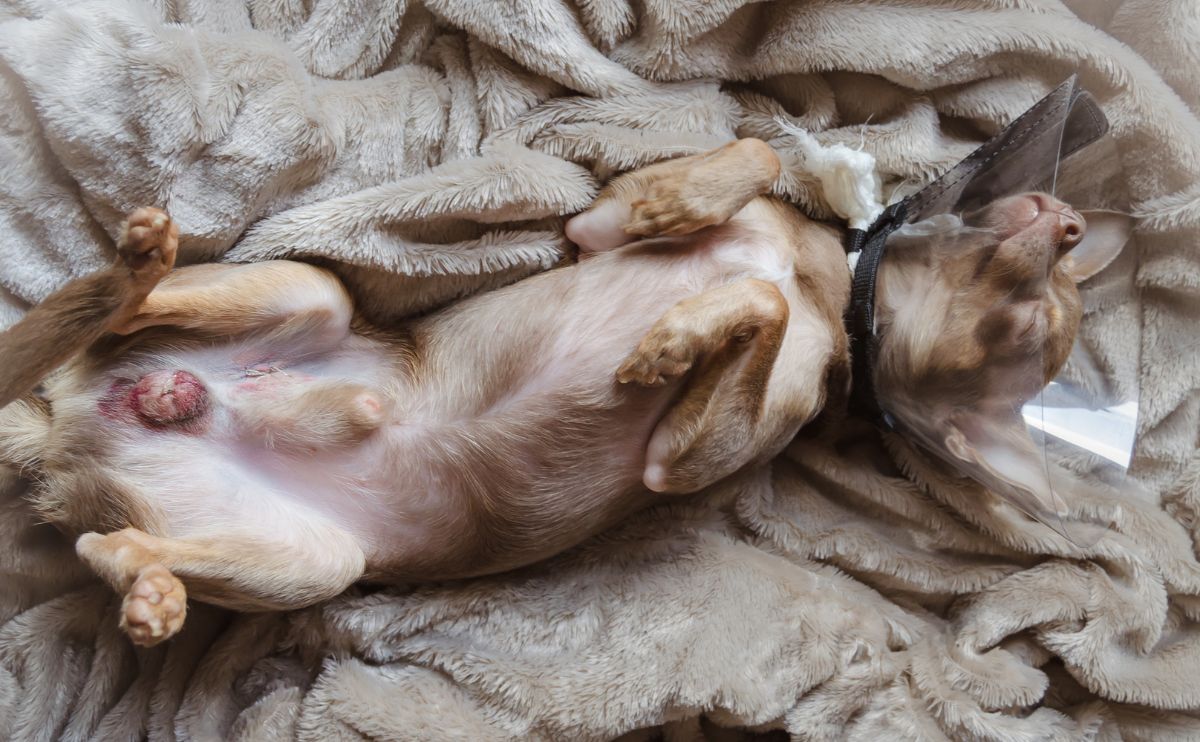
The long-term effects of untreated cryptorchidism can be serious. Over time, the risk of cancer in the retained testicle increases significantly. Early intervention, such as surgical removal, is crucial to prevent this. Fertility issues are another concern. Dogs with cryptorchidism can pass this genetic condition to their offspring. Spaying or neutering your dog can prevent the spread of this hereditary trait, safeguarding future generations. Reflect on your dog's behavior. Have you noticed any changes or unusual patterns? Being proactive about health checks can make a huge difference. Addressing these concerns not only enhances your dog's life but also strengthens your bond with them. Taking action today can save your dog from unnecessary pain tomorrow. Always consult with your veterinarian if you suspect any health issues. Your diligence ensures a happier, healthier life for your beloved pet.
Credit: www.caninejournal.com
Diagnosing Cryptorchidism
Cryptorchidism in dogs can affect their behavior, leading to aggression or territorial tendencies. Identifying these changes helps in diagnosing the condition early. Vets examine the dog's anatomy and behavior to confirm cryptorchidism.
Cryptorchidism, or retained testicles, affects some male dogs. This condition occurs when one or both testicles don't descend into the scrotum. Early diagnosis is crucial for effective treatment. Understanding the signs and veterinary procedures helps in timely intervention. Pet owners should stay informed to ensure their dog's health and well-being.
Signs And Symptoms
Cryptorchidism often shows no obvious external signs. The most noticeable symptom is the absence of one or both testicles in the scrotum. Affected dogs may exhibit unusual behavior due to hormonal imbalances. Other symptoms include swelling in the groin area or abdomen. Some dogs experience discomfort or pain during physical activity. Regular checks help detect these signs early.
Veterinary Assessment
A veterinary assessment confirms cryptorchidism. The vet conducts a physical examination to locate the testicles. Ultrasounds or X-rays may be used for further investigation. These tests help in determining the exact position of the undescended testicle. Blood tests might be necessary to assess hormone levels. Early diagnosis aids in planning appropriate treatment options. A thorough veterinary assessment ensures the best care for your dog. `
Treatment Options
Cryptorchidism in dogs is a condition where one or both testicles fail to descend. This can lead to various health issues, requiring immediate attention. Understanding the treatment options is crucial for dog owners. Let's explore the most effective solutions for this condition.
Surgical Intervention
The primary treatment for cryptorchidism in dogs is surgery. Veterinarians often recommend neutering as it prevents future health problems. The procedure involves removing the undescended testicle. Surgery is usually safe and effective. It helps to eliminate the risk of testicular cancer. Most dogs recover quickly after this procedure.
Post-operative Care
Proper care after surgery is essential for recovery. Dogs need rest and minimal physical activity. Owners should monitor the surgical site for infection signs. Providing a comfortable space and following vet instructions is important. Pain management might be necessary during the healing period. Regular check-ups ensure the dog heals properly. Always keep an eye on any unusual behavior or discomfort.
Impact On Dog Ownership
Owning a dog with cryptorchidism can bring unique challenges and considerations that might not be immediately apparent. Cryptorchidism, a condition where one or both of a dog's testicles fail to descend into the scrotum, can impact not just the health of your pet, but also your experience as a dog owner. Understanding these impacts can help you provide the best care and ensure a fulfilling relationship with your furry friend.
Training Considerations
Training a dog with cryptorchidism may require a bit more patience and understanding. These dogs can sometimes exhibit hormonal imbalances that affect their behavior. You might notice increased aggression or a lack of focus during training sessions.
Consider engaging in positive reinforcement techniques. Reward-based training can work wonders in maintaining their focus and encouraging good behavior. Have you tried using treats or praise to reinforce commands?
Remember to be consistent and patient. If you notice unusual behavior, consult your veterinarian. They can offer insights into whether the behavior is linked to cryptorchidism or another issue.
Lifestyle Adjustments
Owning a dog with cryptorchidism might mean making some lifestyle changes to accommodate their needs. Regular veterinary check-ups are crucial. They help monitor any potential complications, like testicular cancer, which can be more common in cryptorchid dogs.
Think about your daily schedule. Is there time for increased vet visits? These might be necessary if your dog requires surgery or ongoing treatment. Creating a budget for potential medical expenses is wise, too.
Socialization is another aspect to consider. Some dogs with cryptorchidism may have heightened aggression or anxiety. Taking them to dog parks or social settings can help, but always monitor their interactions closely. How do they react to other dogs or strangers?
Owning a dog with cryptorchidism might seem daunting, but with the right knowledge and adjustments, you can ensure a happy and healthy life for your pet. What steps can you take today to better care for your dog?
Preventive Measures
Cryptorchidism in dogs poses health risks and behavioral challenges. Preventive measures help manage these concerns effectively. Owners can ensure the well-being of their dogs by taking proactive steps. These steps include proper breeding practices and regular health checkups.
Breeding Practices
Responsible breeding reduces the incidence of cryptorchidism. Breeders should avoid using dogs with a history of this condition for breeding. Choosing healthy, genetically-sound parents is crucial. This practice minimizes the risk of passing on the trait. Prospective dog owners should research breeders thoroughly.
Regular Health Checkups
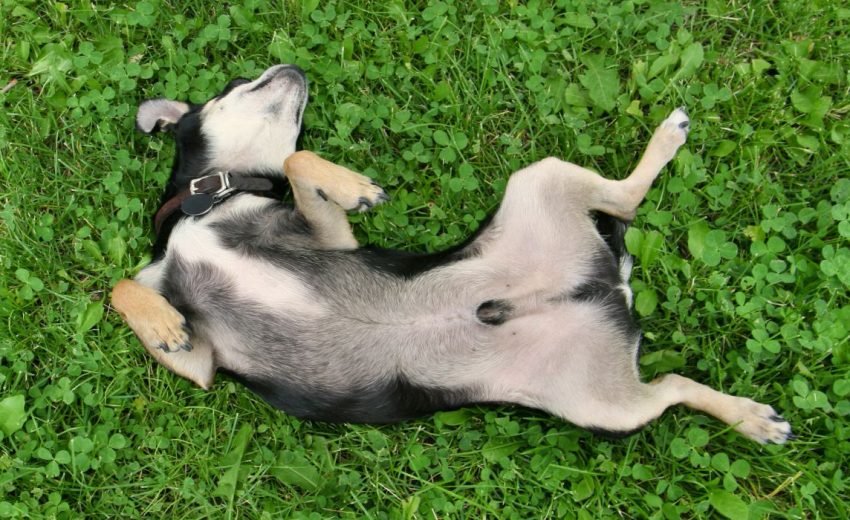
Frequent vet visits help detect cryptorchidism early. Early diagnosis allows for timely intervention. Vets can recommend suitable treatments or surgeries. Routine checkups also monitor other health aspects. Owners should schedule these checkups annually or as advised. Maintaining a good vet relationship ensures comprehensive care.
Credit: lynbrookvet.com.au
Frequently Asked Questions
What Is Cryptorchidism In Dogs?
Cryptorchidism in dogs is a condition where one or both testicles fail to descend into the scrotum. This can lead to health issues like testicular cancer or infertility. Early diagnosis and treatment by a veterinarian are crucial for managing this condition effectively.
How Does Cryptorchidism Affect Dog Behavior?
Cryptorchidism can lead to behavioral changes due to hormonal imbalances. Affected dogs may exhibit increased aggression or anxiety. Early treatment can help reduce these behavioral issues and improve the dog's quality of life.
Can Cryptorchidism Cause Health Problems In Dogs?
Yes, cryptorchidism can lead to serious health problems. Dogs with this condition are at higher risk for testicular cancer and other complications. Timely veterinary intervention can prevent these health issues.
How Is Cryptorchidism Diagnosed In Dogs?
Cryptorchidism is diagnosed through physical examination by a veterinarian. They may also use ultrasound to confirm the condition. Early detection is important for effective treatment and to prevent complications.
Conclusion
Understanding cryptorchidism in dogs helps improve their well-being. Recognize signs early. Consult a vet for guidance. Regular check-ups ensure health. Pay attention to behavior changes. Dogs with cryptorchidism may need extra care. Surgery might be necessary. It's a common condition, not a rare issue.
Your dog's comfort matters most. A healthy dog leads a happy life. Stay informed. Be proactive in caring for your pet. Your efforts can make a difference. Dogs rely on us for their needs. Show them love and care. They deserve the best.
Keep learning about dog health.