Are you a proud owner of a large breed dog, or perhaps considering adding one to your family? If so, you've probably wondered about their nutritional needs.
Do different large breed dogs require different diets, or is one size fits all? Understanding the specific dietary requirements of your furry friend can make a world of difference in their health and happiness. By tailoring their nutrition, you not only ensure they thrive but also strengthen your bond.
Imagine being confident that every meal you serve supports their growth and vitality. Intrigued? Stay with us as we delve deeper into the fascinating world of large breed dog nutrition, revealing insights that could transform how you care for your beloved pet.
Nutritional Basics For Large Breed Dogs
Understanding the nutritional needs of large breed dogs is crucial for their health. These dogs have specific dietary requirements due to their size and growth patterns. Providing the right nutrients helps support their bones, joints, and overall well-being. Let's explore what makes their nutrition unique.
Large breed dogs need a balanced diet with the right nutrients. Proteins, fats, and carbohydrates play key roles in their growth. They require higher protein levels to support muscle development. Healthy fats provide energy and contribute to skin and coat health. Carbohydrates offer additional energy and fiber for digestion.
Importance Of Calcium And Phosphorus
Calcium and phosphorus are vital for strong bones and teeth. Large breeds need a careful balance of these minerals. Too much can lead to joint issues, while too little affects bone strength. Proper ratios prevent common bone disorders in large breeds.
Managing Caloric Intake
Controlling calories is essential to prevent obesity. Large breed dogs are prone to weight gain, which impacts their health. Calculating their caloric needs based on age, activity level, and size helps maintain a healthy weight. Avoid overfeeding to reduce stress on their joints.
Role Of Omega Fatty Acids
Omega fatty acids promote healthy skin and coat. They also support joint health and reduce inflammation. Including sources like fish oil in their diet can be beneficial. These acids are important for overall health and vitality.
Choosing The Right Dog Food
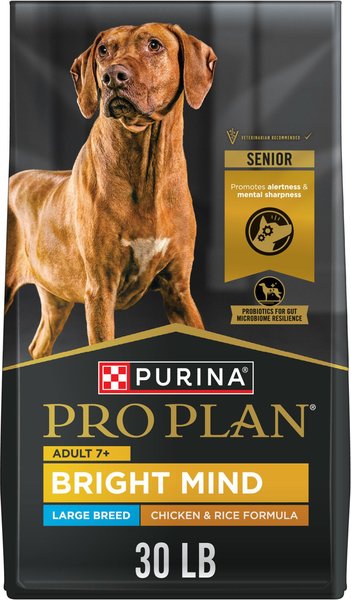
Selecting the appropriate dog food is crucial. Look for options specifically formulated for large breeds. These often contain the right nutrient balance tailored for their needs. Always check labels for quality ingredients and proper nutrient ratios. Consult a vet to find the best choice for your dog.
Credit: www.chewy.com
Factors Influencing Nutritional Needs
Large breed dogs have special dietary needs. Their size and energy levels vary. This affects their nutritional requirements. Understanding these factors is crucial for their health.
Age And Life Stage
Age plays a big role in dog nutrition. Puppies need more calories. They are growing fast. Adult dogs need balanced nutrients for maintenance. Seniors may need fewer calories. Their activity level often decreases.
Activity Level
Active dogs need more energy. They burn calories quickly. Sedentary dogs need fewer calories. Overfeeding can lead to obesity. Adjust food portions based on activity level.
Health Conditions
Health issues affect nutrition needs. Dogs with allergies need special diets. Joint problems may require extra supplements. Always consult a vet for health-specific diets.
Common Nutritional Requirements
Understanding the nutritional needs of large breed dogs is crucial. These dogs require specific nutrients for optimal health. Let's explore their common nutritional requirements to ensure they thrive.
Protein Needs
Large breed dogs need plenty of protein. Protein supports muscle growth and repair. It also helps with energy levels. Choose high-quality protein sources like chicken or fish. These are easier to digest and provide essential amino acids.
Fat And Calorie Intake
Fat is an essential energy source for dogs. Large breeds need balanced fat intake. Too much can lead to obesity, while too little can cause energy issues. Monitor their calorie consumption to maintain a healthy weight. Active dogs may need more calories than less active ones.
Vitamins And Minerals
Vitamins and minerals are vital for a dog's health. They support bone health, immune function, and coat condition. Calcium and phosphorus help with bone strength. Vitamin E and selenium protect cells from damage. Ensure your dog's diet includes a variety of these nutrients.

Credit: dogtime.com
Breed-specific Nutritional Considerations
Large breed dogs often require specific diets due to their unique growth patterns and health concerns. Nutritional needs can vary significantly among different breeds, affecting their overall well-being. Tailored diets help maintain optimal health and support joint and bone development.
Understanding the unique nutritional needs of different large breed dogs is crucial for their health and well-being. Each breed has specific dietary requirements that can influence their growth, energy levels, and overall health. Tailoring your dog's diet to meet these needs can make a significant difference in their quality of life and longevity. Let's explore some breed-specific nutritional considerations for popular large breeds.
Labrador Retrievers
Labradors are known for their boundless energy and love for food. However, their enthusiasm for eating can lead to obesity if not managed properly. A diet rich in protein and low in calories is essential to keep them fit. Consider adding foods that support joint health, as Labradors are prone to hip dysplasia. Omega-3 fatty acids from fish oil can be beneficial. Regular exercise paired with a balanced diet helps maintain their ideal weight and keeps them active.
German Shepherds
German Shepherds are active, intelligent, and have a strong build. They need a diet that supports their high energy levels and muscular structure. High-quality proteins are vital for muscle maintenance and energy. These dogs are also susceptible to digestive issues. Introducing probiotics and fiber can aid digestion and promote gut health. Don’t forget to include a good balance of vitamins and minerals to support their immune system.
Golden Retrievers
Golden Retrievers are gentle giants with a loving nature. They require a diet that caters to their moderate activity level and supports their heart health. Foods high in antioxidants can be beneficial for their coat and skin health. Golden Retrievers have a tendency to develop heart conditions. Including taurine in their diet can support heart function. Monitor their calorie intake to prevent weight gain, which can stress their joints and heart. Are you feeding your large breed dog what they truly need? Understanding these breed-specific nutritional considerations can make all the difference in their health and happiness. Take a closer look at your dog's diet today and see if it aligns with their unique needs.
Challenges In Feeding Large Breeds
Large breed dogs have unique nutritional needs based on their size and energy levels. Each breed may require different amounts of protein, vitamins, and minerals. Understanding these specific needs is crucial for maintaining their health and well-being.
Feeding large breed dogs can present unique challenges that you might not face with smaller breeds. These dogs require special attention to their diet to maintain their health and happiness. Understanding these challenges can help you make better nutritional choices for your furry friend.
Overfeeding Risks
Large breeds often have big appetites, but this doesn't mean they should eat more than they need. Overfeeding can quickly lead to obesity, which can be detrimental to your dog's health. It's important to monitor portion sizes and ensure you're not giving in to those puppy dog eyes too often. Have you ever noticed your large breed dog slowing down? Excess weight can cause fatigue and reduce their playfulness. Keeping a close eye on their weight can help maintain their energy levels and overall well-being.
Joint Health Concerns
Joint health is a significant concern for large breed dogs, and diet plays a crucial role. Foods rich in omega-3 fatty acids, like fish oil, can help support joint health. Including these nutrients in their diet can make a noticeable difference in their mobility. Have you considered the long-term impact of your dog's diet on their joints? Paying attention now can mean a more active and comfortable life for your dog in the future. Regular vet check-ups can also help you stay informed about their joint health needs.
Digestive Issues
Large breed dogs can be prone to digestive issues, often due to their size. A proper diet can help manage these problems and keep your dog comfortable. High-quality ingredients and easily digestible foods can make a world of difference. Imagine your dog experiencing less bloating and discomfort after meals. That's the goal with the right nutrition plan. Have you ever wondered if your dog’s food might be causing digestive trouble? It’s worth exploring different brands or ingredients to find what works best for your pet.
Selecting The Right Dog Food
Large breed dogs often require unique nutrition to support their growth and health. Different breeds may need specific vitamins, minerals, and calorie levels. Choosing food tailored to their size can help maintain their energy and overall well-being.
Selecting the right dog food for your large breed dog can feel like a daunting task. Each large breed has unique nutritional requirements, which means a one-size-fits-all approach often falls short. Understanding what your dog truly needs can significantly improve their health and happiness.
Ingredients To Look For
When choosing food for a large breed dog, prioritize quality ingredients. Look for a protein source as the first ingredient, such as chicken, beef, or fish. Large breeds often benefit from added glucosamine and chondroitin for joint health, especially as they age. Healthy fats like omega-3 and omega-6 from fish oil or flaxseed are crucial for skin and coat health. Whole grains or vegetables like sweet potatoes and peas provide essential carbohydrates and fibers. Reading labels carefully ensures that your dog receives the nutrients they need for energy and growth.
Avoiding Common Fillers
Many commercial dog foods contain fillers that offer little nutritional value. Corn, soy, and wheat are common fillers that can lead to allergies or digestive issues in some dogs. Avoid foods where these fillers are listed as main ingredients. If you've ever noticed your dog scratching excessively or experiencing frequent tummy upsets, their food could be to blame. Opt for foods that emphasize whole, natural ingredients over processed ones. Always pay attention to how your dog reacts to their diet and adjust as needed.
Choosing Brands And Formulations
Not all dog food brands are created equal, and some offer formulations specifically for large breeds. Brands like Royal Canin, Hill’s Science Diet, and Blue Buffalo often have large breed lines that cater to specific needs. When selecting a brand, consider your dog’s age, activity level, and any health issues. If your large breed dog is still growing, a formula designed for puppies can support their rapid development. For older dogs, look for senior formulas that support joint health and weight management. Consult with your veterinarian to choose the best option for your furry friend. Selecting the right food is not just about picking a bag off the shelf; it's about understanding what goes into that bag and how it can benefit your dog. Have you ever switched your dog’s food and noticed a dramatic change in their energy or coat shine? Your dog's reaction can be the best indicator of whether you've made the right choice.
Consulting With Veterinarians
Large breed dogs have unique nutritional needs. These needs vary between breeds. Consulting with veterinarians helps ensure your pet's diet is right. Their expertise guides you in choosing the best nutrition plan. They can recommend the right food for your dog's specific needs.
Regular Health Checks
Regular health checks are essential for large breed dogs. These checks help catch health issues early. Vets can spot nutritional deficiencies during these visits. Regular vet visits ensure your dog remains healthy and active. Make health checks a priority for your pet.
Tailored Diet Plans
Each large breed dog has unique dietary needs. Vets can create tailored diet plans. These plans consider breed, age, and health conditions. Tailored diets support your dog's growth and energy. Consult your vet to design a diet plan that fits your dog.
Monitoring Weight And Health
Monitoring your dog's weight is crucial. Weight changes can indicate health issues. Vets help track your dog's weight and overall health. They adjust diets based on weight and health observations. Keeping track ensures a long, healthy life for your pet.

Credit: www.instagram.com
Frequently Asked Questions
Do Large Breed Dogs Require Special Diets?
Yes, large breed dogs often require special diets. They need balanced nutrients to support their growth and maintain joint health. Their diets should be formulated to prevent obesity and support healthy bones. It's crucial to choose a diet tailored to their size and activity level to ensure overall well-being.
How Do Nutritional Needs Vary Among Large Breeds?
Nutritional needs vary among large breeds due to differences in metabolism, growth rate, and activity level. Some breeds may require more protein or different nutrient ratios. It's important to consult with a veterinarian to determine the specific dietary needs of your large breed dog to ensure optimal health.
Are There Specific Nutrients For Large Breed Puppies?
Yes, large breed puppies need specific nutrients for proper growth. They require controlled calcium and phosphorus levels to prevent bone disorders. Their diets should also include adequate protein and fat for energy. Choosing a high-quality puppy food formulated for large breeds is essential for their healthy development.
Can Improper Diet Affect Large Breed Dogs' Health?
Improper diet can significantly impact large breed dogs' health. It can lead to obesity, joint issues, or developmental problems. A lack of essential nutrients may cause poor bone development and energy levels. Providing a balanced diet tailored to their needs is crucial for maintaining their overall health and longevity.
Conclusion
Every large breed dog has unique nutritional needs. Size, age, and activity matter. A balanced diet helps them thrive. Protein supports muscle health. Calcium strengthens bones. Watch calorie intake to avoid obesity. Consult a vet for tailored advice. Meeting their dietary needs ensures they stay healthy and active.
Regular check-ups keep their nutrition on track. Understanding your dog's needs can enhance their quality of life. Pay attention to their diet for a happy, healthy pet. Providing the right nutrition is key. Keep your furry friend healthy and full of energy with the right food choices.