Your beloved canine companion has just undergone a spay surgery, and you're likely wondering how this procedure might affect her behavior. You might be experiencing a mix of emotions—relief for her health, curiosity about changes, and a touch of anxiety about what comes next.
You're not alone; many pet owners share these feelings. Understanding the behavioral changes in dogs after spaying can help you provide the care and support your furry friend needs during this transition. Imagine having the insights to anticipate and address any shifts in your dog's mood or actions.
This knowledge empowers you to foster a nurturing environment, strengthening the bond between you and your pet. Whether it's managing temporary mood swings or adjusting to new energy levels, being informed can turn uncertainty into confidence. Dive into this article to discover what you can expect and how to help your dog adapt, ensuring her happiness and well-being.
Physical Changes
Spaying a dog leads to notable physical changes. Understanding these changes helps in managing your pet's health. Dogs experience shifts in hormones and weight after the procedure.
Hormonal Shifts
Spaying reduces certain hormones in a dog. Estrogen levels drop significantly. This affects various behaviors and physical traits. For instance, a dog's energy levels might decrease. Their temperament could become more stable. Hormonal balance impacts skin and coat health too. Some dogs develop a softer, thicker coat post-surgery.
Weight Fluctuations
Weight changes are common after spaying. Metabolism slows down in many dogs. They might gain weight if their diet remains unchanged. Regular exercise helps manage this. Adjusting food portions can also prevent weight gain. Monitor your dog's weight regularly. Consult a vet for dietary advice. Keeping a healthy weight ensures a longer, happier life for your dog.

Credit: healthyandhappydog.com
Emotional Adjustments
Spaying can be a significant change in your dog's life. After the procedure, your dog may exhibit emotional adjustments. Understanding these changes helps you support your furry friend during recovery. Let's explore the common emotional adjustments your dog may experience.
Mood Swings
Your dog might have mood swings after spaying. This is normal and temporary. Hormonal changes can lead to unpredictable behavior. Some dogs might seem more irritable or anxious. Be patient and give them time to adjust. Providing a calm environment can help ease their mood swings.
Increased Affection
Many dogs show increased affection post-surgery. They may seek more cuddles and attention. This is often due to feeling vulnerable after the procedure. Offering extra love and care can strengthen your bond. Enjoy this time of closeness with your pet.
Behavioral Variations
Spaying can change a dog's behavior in subtle ways. They may become calmer and less aggressive. Some dogs might experience temporary lethargy or appetite changes.
Understanding the behavioral variations in dogs after spaying can be crucial for pet owners. You might notice changes that could either ease or challenge your daily routine. These variations are not universal, but they offer a glimpse into what you might expect. Some behaviors might calm, while others may shift in unexpected ways. It’s essential to observe your dog closely during this period. This helps in adjusting to their new behavior and ensuring their comfort.
Calming Effects
Many pet owners notice a calming effect in their dogs after spaying. This might be a welcome change if your dog was overly energetic before the procedure. I remember when my friend’s dog, Bella, went through this change. Bella, who used to bounce off the walls, became more relaxed. Could this be a chance to enjoy quieter evenings with your furry friend? If you've been struggling with a high-energy dog, this could be the calm you’ve been waiting for.
Reduction In Aggression
Spaying can lead to a reduction in aggressive behavior. This is particularly noticeable in dogs that previously displayed territorial aggression. A neighbor of mine had a dog that would growl at anyone passing by their gate. Post-spaying, the dog seemed less interested in guarding the territory. Have you ever wondered if your dog’s aggression could be tempered by such a procedure? It might be worth considering if aggression has been a concern for you. Keep in mind, while these changes are common, each dog is unique. Some might not show significant behavioral shifts. Observing your dog and consulting with your vet will help you better understand their specific needs and changes.
Energy Levels
Spaying may influence a dog's energy levels, often leading to reduced hyperactivity. Many dogs become calmer and more relaxed post-surgery. Behavioral changes are common and vary by individual temperament and recovery conditions.
Understanding your dog's energy levels after spaying can be a journey of discovery. You might notice changes in how your furry friend behaves, especially when it comes to their activity. These shifts in energy levels are natural and can vary from dog to dog. Let’s dive into some common observations.
Increased Lethargy
Post-surgery, you might see your dog lounging around more than usual. This can be due to the body using energy to heal. It’s normal for your dog to feel a bit sluggish during the recovery phase. As days go by, lethargy should decrease. However, if your pup remains unusually tired, it might be worth a vet visit. Ensure they are getting a balanced diet and plenty of water to support recovery.
Changes In Playfulness
Your dog's playfulness might take a temporary backseat after spaying. This is a time when they might prefer snuggling over playing fetch. It’s crucial to allow your dog the space to adjust at their own pace. In a few weeks, you might notice an uptick in their playful nature. Some dogs might even become more playful than before, showing renewed energy. Observe how your dog reacts to playtime and adjust your activities accordingly. Have you noticed any other changes in your dog's behavior post-surgery? Understanding these shifts can help you support your pup in their healing journey. Remember, patience and love are key during this time.
Training And Discipline
Training and discipline are crucial elements in shaping your dog's behavior after spay surgery. Many pet owners wonder how to effectively guide their furry friend through this adjustment period. The truth is, dogs thrive on structure and consistency. Establishing clear rules and routines can help your dog feel secure and understand what is expected of them. Let's dive into some practical tips to enhance your training approach.
Consistency In Commands
Consistency is key when training your dog post-spay. Use the same command words every time you want your dog to perform a specific action. If you use "sit" one day and "sit down" the next, your dog might get confused. Stick to simple, clear commands to avoid any misunderstanding.
Imagine trying to learn a new language where the words change daily—how frustrating would that be? Your dog feels the same way if commands are inconsistent. Consistent commands build trust and understanding, making training smoother.
Positive Reinforcement
Positive reinforcement encourages your dog to repeat good behavior. Reward your dog with treats or praise when they follow a command correctly. This approach makes training a fun and rewarding experience for your pet, strengthening your bond.
Think about how you feel when someone praises your efforts; your dog feels that same joy. Offer rewards immediately after the desired behavior to reinforce the connection. Your dog will associate following commands with positive outcomes.
Have you considered using a clicker? It's a popular tool for marking correct behavior. Clickers offer a quick and clear signal that your dog has done something right, followed by a treat or praise. It's a small investment with big returns in training success.
Training and discipline after spay surgery don't have to be a daunting task. By being consistent in commands and using positive reinforcement, you can foster a harmonious relationship with your furry friend. What strategies have worked for you in training your dog? Share your experiences below and let's learn from each other!

Credit: healthyandhappydog.com
Social Interactions
Social interactions play a vital role in a dog's life. After a spay surgery, dog behavior can change. Understanding these changes helps in managing their interactions better.
Behavior With Other Dogs
Spayed dogs often become calmer in dog parks. They might show less aggression towards other dogs. This can lead to more peaceful playtime. Spaying reduces hormonal influences, which sometimes cause fights. Dogs may also become less territorial. They may welcome new canine friends more easily.
Changes In Human Interaction
Owners might notice a shift in their dog's behavior with them. Spayed dogs often show more affection towards their humans. They can become more attached and seek more attention. This change can strengthen the bond between dog and owner. Some dogs may also become more relaxed. They might enjoy more quiet time with their family.
Health Monitoring
Monitoring a dog's health after spaying is vital. This ensures a smooth recovery. Watch for any unusual behavior or symptoms. Early detection can prevent complications. Regular checks help assess your dog's healing progress.
Signs Of Complications
Post-surgery, observe your dog's behavior closely. Look for signs of infection. These include swelling, redness, or discharge at the incision site. Notice if your dog is lethargic or refuses food. Vomiting or diarrhea may indicate issues. Changes in breathing or excessive panting are concerning signs.
Veterinary Check-ups
Schedule follow-up visits with your vet. These appointments are crucial for health monitoring. Your vet will examine the incision site. They check for proper healing. Discuss any unusual behavior you've noticed. Regular check-ups ensure a healthy recovery.
Your vet may suggest additional tests. These help confirm your dog's health status. Blood tests or X-rays might be recommended. Adhering to vet advice is important. It aids in your dog's complete recovery.
Dietary Adjustments
Spaying can lead to changes in a dog's behavior. Dietary adjustments might help manage weight and energy levels. A balanced diet supports their health during this transition.
Spaying a dog can influence its behavior and dietary needs. Adjusting a dog's diet after spaying is essential for maintaining health and well-being. It's crucial to understand the nutritional changes and portion requirements to keep your dog healthy.
Nutritional Needs
A spayed dog's metabolism slows down. This makes it more prone to weight gain. Protein remains vital for muscle maintenance and growth. Healthy fats support skin and coat health, while fiber aids digestion. Vitamins and minerals continue to be essential for overall health. Consider foods with fewer calories but rich in nutrients. Choose a diet that balances protein, fiber, and healthy fats.
Portion Control
Proper portion control prevents unwanted weight gain. Measuring food portions helps maintain an ideal weight. Adjusting portions according to activity level is necessary. If your dog is less active, reduce portion sizes. Always provide fresh water to support hydration. Monitoring your dog's weight regularly helps you spot changes. Consult your vet for tailored advice on portion sizes.
Exercise Routine
Dogs often exhibit changes in behavior after being spayed. They might become calmer or show less aggression. A consistent exercise routine can help manage these changes effectively, ensuring your pet stays healthy and happy.
After spaying your dog, understanding the right exercise routine can be crucial for her recovery and overall health. Engaging in the correct activities ensures that she heals properly while maintaining her physical and mental well-being. Exercise helps manage weight, reduces anxiety, and prevents boredom. But how do you strike the right balance between rest and activity?
Appropriate Activities
Post-surgery, your dog's body needs time to heal. Short, controlled walks on a leash are ideal in the initial weeks. These walks keep her moving without putting strain on her stitches. Avoid high-impact activities like jumping or running, which can disrupt the healing process. Interactive toys can be a great way to keep her engaged without physical exertion. Puzzle feeders or treat-dispensing toys stimulate her mind while she takes it easy physically. Remember to monitor her closely to ensure she's not overexerting herself.
Frequency And Duration
Initially, keep exercise sessions brief. Start with 5 to 10-minute walks, gradually increasing as her recovery progresses. It’s important to listen to your dog's cues. If she seems tired or unwilling, it's okay to cut the session short. Typically, two to three short walks per day can be enough during the first couple of weeks. As her energy levels return, you can slowly extend the duration. Consult your vet to tailor the frequency and duration based on her specific needs. Reflect on your own routines. Have you noticed how different activities impact your energy? The same applies to your dog. How will you adjust her routine to ensure she feels her best?
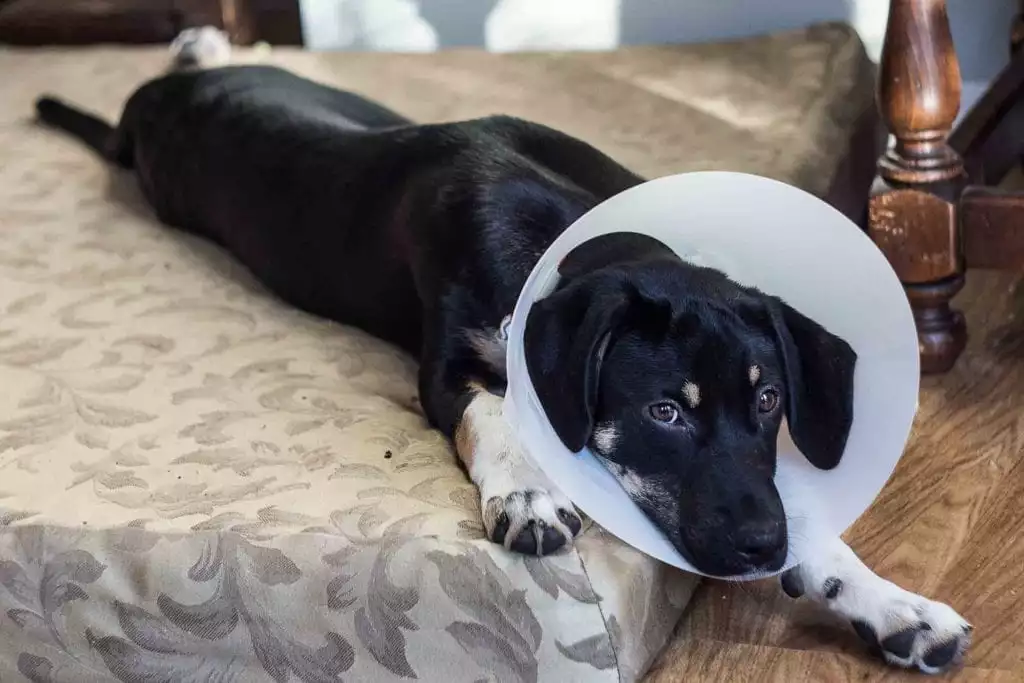
Credit: schertzanimalhospital.com
Frequently Asked Questions
How Does Spaying Affect Dog Behavior?
Spaying can lead to reduced aggression and territorial behaviors in dogs. Hormonal changes may make them calmer and less prone to roaming. Some dogs might exhibit temporary changes in mood or energy levels. Overall, spaying is known to positively impact behavior by decreasing hormonal-driven actions.
Will My Dog Become Calmer After Spaying?
Yes, many dogs become calmer after spaying due to hormonal changes. The reduction in estrogen can decrease anxiety and aggression. This can lead to a more relaxed demeanor. It's important to monitor your dog's behavior, as individual responses can vary.
Can Spaying Change My Dog's Personality?
Spaying typically does not change a dog's core personality. It may alter certain behaviors linked to hormones, like aggression. Most dogs maintain their temperament and playful nature. Any changes are usually related to hormonal adjustments rather than personality shifts.
Does Spaying Affect A Dog's Energy Level?
Spaying can affect energy levels, often leading to a decrease. Hormonal changes may result in less hyperactivity. Dogs might become more relaxed and less prone to energetic bursts. It's important to encourage regular exercise to maintain a healthy balance.
Conclusion
Spaying affects dogs in different ways. Each dog is unique. Some may feel calmer. Others might need extra comfort. Behavioral changes are often temporary. With love and patience, dogs adjust well. Understand their needs. Watch for changes. Provide a safe space and regular routines.
Consult your vet for advice if needed. Spaying offers health benefits. It helps control the dog population. A spayed dog can live a healthier life. Enjoy the bond with your furry friend. Celebrate their individuality. Keep nurturing their happiness. They deserve it.