Have you ever noticed your furry friend acting a bit differently and wondered why? If you have a female dog, the answer might be that she is in heat.
During this time, her behavior can change dramatically, leaving you puzzled and perhaps even worried. Understanding dog behavior during heat is crucial for every pet owner. It not only helps you ensure her well-being but also strengthens the bond between you and your beloved pet.
Imagine being able to anticipate her needs and moods, making her more comfortable during this challenging time. By reading on, you'll discover what to expect, how to handle these changes, and ensure her happiness and health. Dive in to unlock the secrets of your dog's behavior during heat and become the attentive owner she truly needs right now.

Credit: www.wiggles.in
Signs Of Heat In Dogs
Dogs in heat often display noticeable behavior changes. They may become more affectionate or restless. Increased urination and attention-seeking are also common signs during this period.
Understanding the signs of heat in dogs is crucial for any dog owner. Your furry friend goes through significant changes during this period, and being aware of these changes will help you provide the necessary care and attention. Recognizing these signs can also prevent unwanted pregnancies and help maintain your dog's overall health and well-being.
Physical Changes
During heat, dogs exhibit noticeable physical changes. One of the first signs is swelling of the vulva, which becomes more prominent. You might also observe a bloody discharge, which can last for several days. Your dog may groom herself more frequently to clean the discharge. As heat progresses, the discharge might change in color and consistency. It's important to keep an eye on these changes to ensure your dog remains healthy. Another physical sign is increased urination. This is nature's way of letting male dogs know that your dog is in heat. Make sure to take your dog for more frequent walks to accommodate this change.
Behavioral Shifts
Behavioral shifts in dogs during heat can be quite distinct. Your dog may become more affectionate and seek extra attention from you. It's a good time to bond with your pet and offer her comfort. On the flip side, some dogs may become irritable and less tolerant of other animals and humans. If your dog exhibits this behavior, give her some space and avoid stressful situations. You might notice her trying to escape or roam more than usual. This instinctual behavior is a sign that she's searching for a mate. Ensure your home and yard are secure to prevent any unexpected adventures. Have you ever noticed a sudden change in your dog's appetite during her heat cycle? Some dogs may eat less, while others could display an increased appetite. Observing these patterns can help tailor her diet accordingly. Understanding these signs helps you anticipate your dog's needs during her heat cycle. With a little attention and care, you can ensure her comfort and well-being. Have you noticed any of these signs in your dog? Recognizing them early can make a big difference.
Phases Of The Heat Cycle
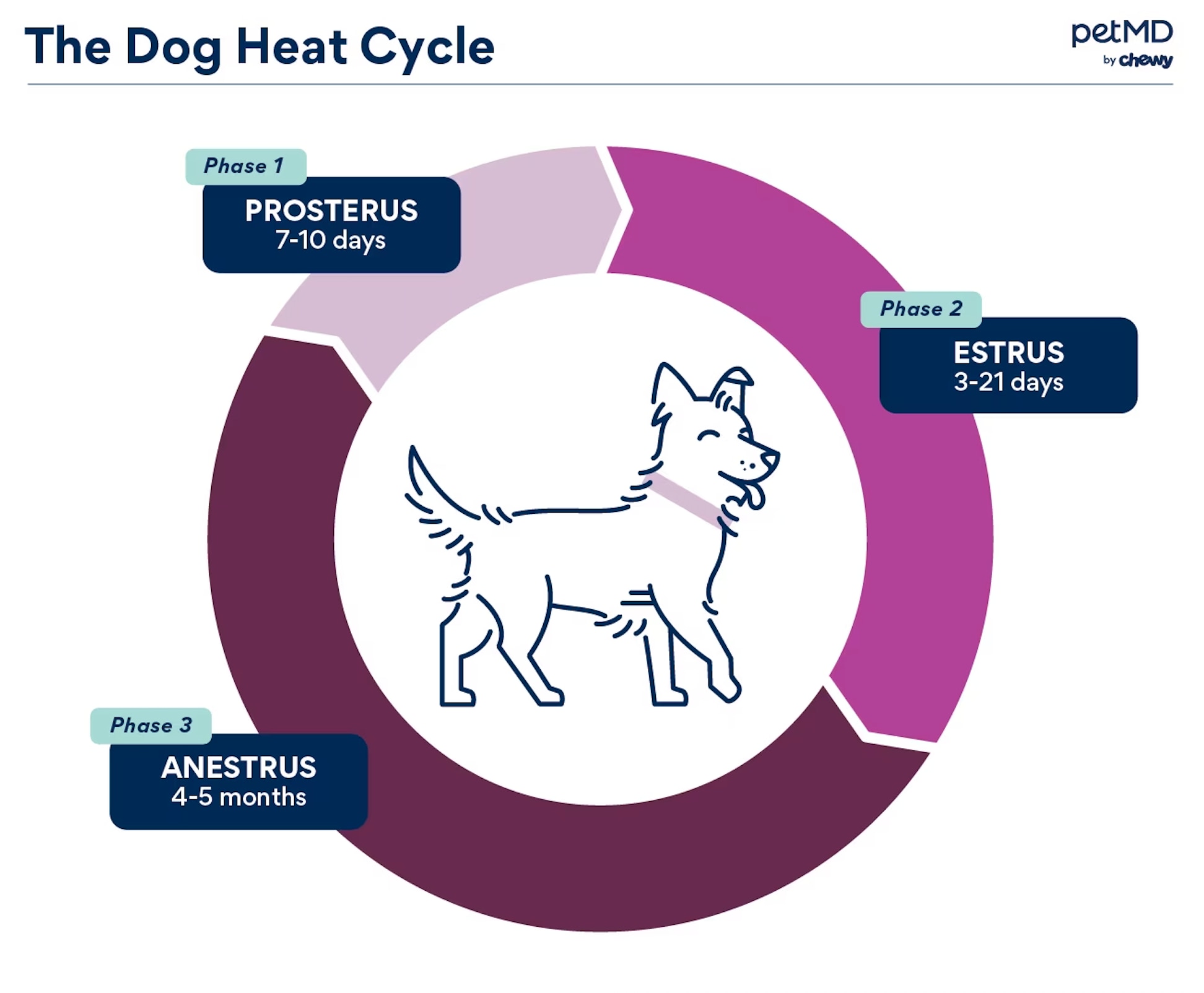
The heat cycle in dogs, also known as the estrous cycle, consists of four distinct phases. Understanding these phases helps dog owners manage their pets better. Each phase has unique characteristics and behavioral changes.
Proestrus Stage
The proestrus stage lasts about 7 to 10 days. During this phase, female dogs begin to attract males. A noticeable symptom is a swollen vulva. Bloody discharge may also appear. Female dogs may seem more restless. They might also urinate more frequently.
Estrus Stage
The estrus stage follows and lasts for 5 to 9 days. This is the fertile period for dogs. The discharge becomes lighter and straw-colored. Females are more receptive to males now. Mating behavior is more pronounced. Watch for mounting and other mating signals.
Diestrus Stage
The diestrus stage marks the end of the fertile period. This phase lasts about 60 to 90 days. Hormones stabilize, and the female is no longer receptive. Physical symptoms like swelling reduce. Behavior returns to normal gradually.
Anestrus Stage
The anestrus stage is the resting phase. It lasts about 4 to 5 months. No visible signs occur during this time. The female dog’s body prepares for the next cycle. It is a calm period with minimal hormonal activity.
Behavioral Changes
Female dogs often show changes during heat, like restlessness and increased affection. They may also mark territory more frequently. Observing these signs helps in understanding their needs better.
Understanding your dog's behavior during heat can be quite a journey. Just like humans, dogs go through emotional and physical changes. These changes can sometimes catch you off guard. It's essential to recognize these behavioral shifts to provide your furry friend with the best care. By doing so, you can ensure a smoother experience for both of you. Here's a closer look at some of the common behavioral changes you might notice.
Increased Affection
During heat, you may notice your dog becoming more affectionate. This is a time when she might seek extra cuddles or want to be close to you more often. You might find her leaning against you or nudging your hand for more pets. This change is her way of seeking comfort and reassurance. It's a great opportunity to strengthen your bond. Give her the attention she craves, and she will feel more secure during this period.
Restlessness And Anxiety
Heat can bring about restlessness and anxiety in your dog. You might see her pacing or unable to settle down in her usual spots. This behavior can be challenging, especially at night. Consider creating a calm environment with her favorite blanket or toy. A gentle voice and soothing routine can work wonders. How do you usually help your dog relax during stressful times?
Marking Territory
A surprising behavior during heat is marking territory. Female dogs, like their male counterparts, may start marking. You might see her urinating more frequently and in different places. This is her way of signaling to potential mates. It's important to manage this behavior without punishment. Use positive reinforcement to guide her back to appropriate spots. What strategies have you found helpful in managing such behaviors? Understanding these changes can make a world of difference. Your patience and support during this time can create a more comfortable experience for your dog.
Health Considerations
Female dogs experience changes in behavior during their heat cycle. They may become more restless and seek attention. Owners should provide comfort and monitor their dog's health closely.
Understanding your dog's health during her heat cycle is essential for ensuring her well-being. This period can bring about physical and behavioral changes that require your attention. Knowing what to expect and how to manage these changes can make this time less stressful for both you and your dog.
Monitoring Physical Health
During her heat cycle, your dog may experience changes in appetite, energy levels, and even mood. You might notice a decrease in appetite or more frequent urination. It's important to monitor these changes closely. Regular check-ups with your vet can help identify any potential health issues early. Keep an eye out for signs of discomfort or unusual behavior. Is she more lethargic than usual? Is there any unusual discharge? Address these concerns with your vet promptly. Hydration is also key. Ensure she has plenty of fresh water available. A hydrated dog is generally a healthier dog.
Preventing Unwanted Pregnancies
Managing your dog's interactions with other dogs is crucial. If you're not planning to breed her, keeping her away from male dogs during this time is essential. Consider using a leash when taking her outside, even in your backyard. This small step can prevent unexpected encounters. You might also want to think about spaying as a long-term solution. It can prevent future heat cycles and the associated challenges. Have you thought about how to manage her heat cycle effectively? It's a question many dog owners ponder. Taking these proactive steps can protect her health and prevent any surprises down the road.
Managing Heat Behavior
Understanding dog behavior during heat is crucial for pet owners. Female dogs may exhibit mood swings and increased affection. Providing a calm environment helps manage their behavior effectively.
Managing a dog's behavior during heat requires patience and care. Dogs in heat can exhibit changes in mood and activity levels. Understanding these changes helps in providing appropriate support. This period can be challenging for both the dog and the owner. It's important to focus on comfort, exercise, and calming techniques.
Providing Comfort
Comfort is essential for a dog in heat. Ensure she has a cozy space to rest. A soft bed or blanket can help her relax. Keep her environment quiet and stress-free. Avoid loud noises and sudden movements. Gentle affection can soothe her mood. Regularly check her hygiene. Cleanliness helps prevent infections. Offer her favorite toys for distraction.
Exercise And Activity
Exercise remains important during heat. Short walks can boost her mood. Avoid strenuous activities. Overexertion can increase stress. Play simple games indoors. This keeps her entertained and active. Monitor her energy levels closely. Adjust activities based on her mood. Ensure she drinks enough water. Hydration supports her overall health.
Calming Techniques
Calming techniques can ease anxiety. Try gentle petting or massage. Soft music can have a soothing effect. Create a relaxing atmosphere at home. Consider using natural calming sprays. These may help reduce stress. Maintain a consistent routine. Predictability comforts your dog during heat. Speak softly and reassuringly to her. Your voice can be calming. Managing heat behavior involves understanding your dog's needs. Providing comfort, exercise, and calming techniques helps her through this period.
Credit: www.petmd.com
Diet And Nutrition
Dogs may display unusual behavior during heat, influenced by diet and nutrition. Balanced meals can help stabilize mood swings. Proper nutrition supports overall well-being, reducing stress during this period.
Understanding the diet and nutrition of a dog during heat is crucial for maintaining their health and well-being. During this time, your dog’s body is working overtime, and proper nutrition can help manage the physical and emotional changes they experience. You might wonder how to adjust their meals and what specific nutrients they need.
Nutritional Needs
Your dog's nutritional needs might change during their heat cycle. They might require more energy, so consider increasing their caloric intake slightly. But don't overdo it; you want to avoid unnecessary weight gain. Protein is essential as it supports muscle maintenance and energy levels. Choose high-quality protein sources like chicken or fish. Adding vegetables can supply necessary vitamins and fibers to aid digestion.
Supplements And Hydration
Supplements can be beneficial, but consult your vet before adding any to your dog's diet. Calcium and phosphorus are crucial for bone health, especially if your dog is breeding. Omega-3 fatty acids are great for maintaining a healthy coat and supporting brain function. Look for supplements like fish oil. Hydration is equally important. Ensure your dog has access to fresh water at all times. During heat, they might drink more, so keep their bowl full. Proper hydration supports overall health and helps manage their body temperature. Have you ever noticed changes in your dog's diet during heat? Observing their behavior can guide you in making the right nutritional choices. A well-balanced diet tailored to their needs can make this period smoother for both you and your furry friend.
Products For Heat Management
Dog heat behavior requires careful attention and management products. Cooling mats help soothe discomfort and maintain calmness. Calming sprays offer relief by reducing anxiety during this challenging time.
Managing your dog's heat cycle can feel challenging, but the right products can make all the difference. Whether you’re dealing with a messy house or trying to keep your pet comfortable, there are several practical solutions to consider. Let's dive into some of the best products for heat management, ensuring your furry friend stays happy and healthy throughout her cycle.
Dog Diapers
Dog diapers are a lifesaver for keeping your home clean during your dog's heat cycle. They are designed to fit snugly, preventing any unwanted messes. Opt for washable dog diapers if you're environmentally conscious, as they can be reused multiple times. Disposable options are also available for convenience, especially when traveling. Look for diapers with adjustable straps and a tail hole to ensure a good fit. Have you tried dog diapers? They can make a world of difference in managing your dog's cycle efficiently.
Heat Pads And Cooling Mats
Heat pads can offer comfort to your dog during her heat cycle. They help alleviate any discomfort or cramping she might experience. Choose a heat pad with adjustable settings to control the temperature based on your dog's needs. On the flip side, cooling mats can provide relief if your dog seems to be overheating. These mats are easy to use and require no electricity. Simply place them where your dog likes to rest. Have you noticed your dog seeking out cooler spots during her cycle? A cooling mat might be just what she needs to feel at ease. Both heat pads and cooling mats are great investments for your pet's comfort. Consider what your dog prefers and keep her needs in mind when making your choice.
:strip_icc()/signs-your-dog-is-in-heat-3385379-615adddcb93347ccade8a600eec7e137.jpg)
Credit: www.thesprucepets.com
Veterinary Advice
Dog behavior during heat can puzzle many pet owners. Understanding their needs is crucial for their health and well-being. Veterinary advice can guide you through this phase, ensuring your dog remains comfortable and stress-free.
When To Consult A Vet
Consulting a vet during your dog's heat cycle is essential. Signs like excessive bleeding or lethargy may indicate health issues. If your dog shows unusual aggression or anxiety, it's wise to get professional help. Vets can offer solutions tailored to your pet's needs. They assess the dog's health and provide effective strategies.
Spaying Considerations
Spaying your dog can prevent heat-related complications. It reduces risks of unwanted pregnancies and certain diseases. Discuss the best time for spaying with your vet. Timing is crucial for health benefits and recovery. Spaying may also influence your dog's behavior positively, making them more calm.
Vets can explain the procedure and address concerns. Spaying is a common practice with many benefits. It helps in managing your dog's heat cycles effectively. Consider spaying for long-term health advantages and peace of mind.
Frequently Asked Questions
What Signs Indicate A Dog Is In Heat?
When a dog is in heat, she may show signs like increased urination and swelling of the vulva. Behavioral changes such as restlessness or increased friendliness are common. You may also notice blood discharge. These signs typically indicate your dog is in the estrus phase of her reproductive cycle.
How Long Does A Dog's Heat Cycle Last?
A dog's heat cycle generally lasts for about 2 to 4 weeks. The cycle includes several phases, with estrus being the time when she is most fertile. During this period, you should monitor her closely for behavioral changes and manage interactions with male dogs carefully.
Can A Dog Be Spayed During Heat?
It is possible to spay a dog during heat, but it is not recommended. Spaying during heat can increase risks due to swollen reproductive tissues. Veterinarians usually suggest waiting until the heat cycle ends for a safer procedure. Consult your vet for the best timing based on your dog's health.
How Can I Calm My Dog During Heat?
To calm a dog during heat, ensure she has a quiet space to relax. Exercise can help reduce restlessness and anxiety. Providing toys and engaging activities can distract her. Monitoring her behavior closely and offering affection and comfort can ease her stress during this time.
Conclusion
Understanding your dog's behavior during heat is important. It helps you provide better care. Dogs may act differently. You might notice mood swings or restlessness. Staying patient is key. Offer comfort and plenty of attention. Ensure your pet has a calm space.
A little extra love goes a long way. Knowing what to expect reduces stress. Both for you and your dog. Always consult a vet if unsure. They can offer guidance and support. With care, your dog stays happy and healthy.