Do you ever wonder why your dog does certain things? If you're like most dog owners, you've probably spent countless hours trying to decode your furry friend's actions.
Understanding dog behaviors can feel like unraveling a mystery, but it doesn't have to be. This article will guide you through the fascinating world of canine conduct. By the end, you'll not only recognize what your dog is trying to communicate but also deepen the bond you share with them.
Get ready to see your beloved pet in a whole new light!
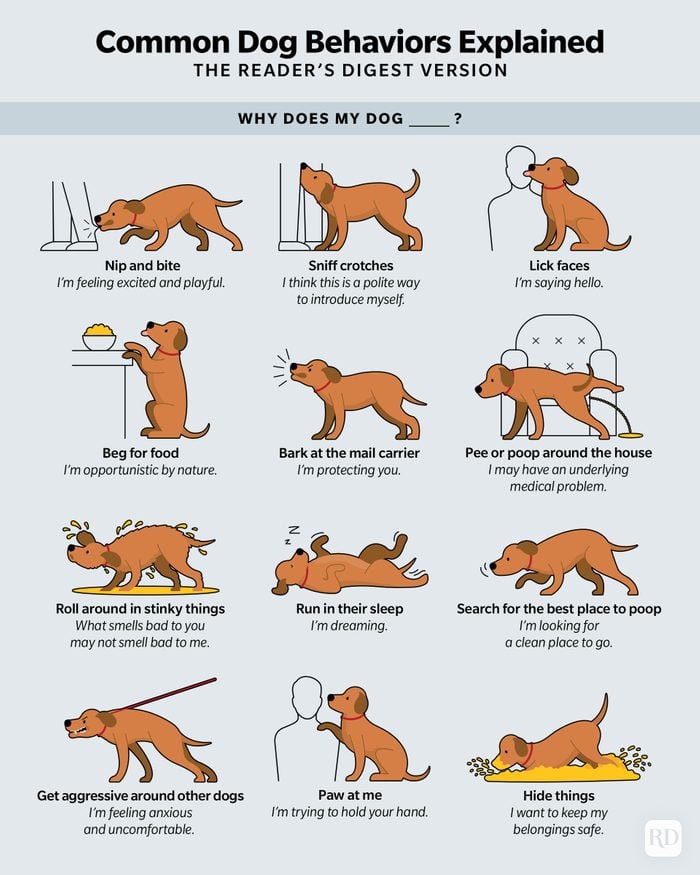
Credit: www.rd.com
Body Language Signals
Dogs communicate through body language, conveying emotions and intentions. Tail wagging often signifies excitement or happiness. Ears held high might indicate alertness or curiosity.
Understanding your dog’s body language is like unlocking a whole new way to communicate. Dogs express themselves through various gestures and signals. These signals can help you understand what they’re feeling or thinking. Whether they're happy, anxious, or curious, dogs have their unique way of showing it. Let’s dive into some of the key body language signals to help you connect better with your furry friend.
Tail Wagging
Tail wagging is more than just a sign of happiness. The speed, direction, and position of the wag can tell you a lot. A fast wag with the tail held high often indicates excitement or joy. But a slow, cautious wag might mean your dog is unsure or nervous. Next time your dog wags its tail, pay attention to the details. You might be surprised by what you learn.
Ear Positions
Your dog’s ears are like little radar dishes, constantly moving to pick up sounds and express emotions. Ears perked up and facing forward usually mean your dog is alert and interested. If the ears are pinned back against the head, this could indicate fear or submission. Have you noticed how your dog’s ears change when you mention a walk? That’s their anticipation and eagerness showing!
Facial Expressions
Dogs have expressive faces, and learning to read them can deepen your bond. A relaxed, open mouth often signals a happy, calm state. However, showing teeth without growling might mean your dog is smiling or playfully teasing you. Pay attention to their eyes too; soft, slow blinks are signs of trust and affection. Do you recognize these expressions in your dog’s face? Understanding these signals can transform your relationship with your dog. Next time you interact with them, observe closely and see what they're trying to tell you. How does your dog communicate with you through their body language?
Vocalizations
Dogs communicate using vocalizations like barking, growling, and whining. Each sound conveys different emotions or needs. Understanding these sounds helps in interpreting a dog's behavior and ensuring their well-being.
Understanding your dog's vocalizations can deepen your bond and enhance communication. Dogs express themselves in various ways, and vocal sounds are a significant part of their language. These sounds can indicate emotions, needs, or reactions to their environment. Let's explore some common vocalizations and what they might mean for your furry friend.
Barking Types
Barking is perhaps the most familiar sound dogs make. Not all barks are the same, and each type can convey different messages. - Alert Barking: This is a short, sharp bark to signal something unusual. Picture your dog barking when the doorbell rings. - Playful Barking: Often accompanied by a wagging tail, this bark is more high-pitched and indicates excitement. - Attention-Seeking Barking: Your dog might bark persistently to get your attention. This could be when they want to play or if they are hungry. Understanding these types helps you respond appropriately. Next time your dog barks, consider what they might be trying to tell you.
Growling Meanings
Growling can be misunderstood as solely aggressive, but that's not always the case. Dogs growl to express a range of emotions and intentions. - Warning Growl: This growl is a clear signal of discomfort or fear. If your dog growls when someone approaches them while eating, it’s a warning to back off. - Play Growl: During playtime, dogs often growl in a playful manner. This is typically seen in tug-of-war games. - Affectionate Growl: Some dogs growl softly when they are being petted or cuddled. It’s a sign of contentment. Listening to the context of the growl will help you interpret your dog's feelings. Have you ever noticed how your dog growls in different scenarios?
Whining And Howling
Whining and howling are other forms of vocal communication that can convey various messages. - Whining for Attention: Dogs often whine when they want something, like food or a walk. It’s their way of saying, "Notice me!" - Anxious Whining: This can occur when a dog is stressed or nervous. If your dog whines when you’re getting ready to leave, it might be separation anxiety. - Howling for Communication: Dogs howl to communicate with other dogs or in response to sounds like sirens. It’s an instinctual behavior that harks back to their wolf ancestors. Next time your dog whines or howls, pause and assess the situation. What might they be trying to communicate? By paying attention to these sounds, you can better meet your dog's needs and foster a stronger connection.
Social Interactions
Dogs express themselves through a variety of social interactions. They communicate with barks, tail wags, and playful gestures. Understanding these behaviors helps build a strong bond between dogs and humans.
Understanding dog behaviors can be both fascinating and insightful. Social interactions are a crucial part of a dog's life, reflecting their innate need for companionship and structure. Observing these behaviors not only deepens your bond with your pet but also helps you manage and predict your dog's actions. Let's take a closer look at some key elements of dog social interactions.
Pack Dynamics
Dogs are naturally pack animals. They thrive in groups and often seek to establish a social order. This hierarchy is not about dominance but about cooperation and social harmony. Have you ever noticed your dog deferring to another dog at the park? This may be a sign of recognizing a leader or simply a more confident dog. Understanding pack dynamics can help you manage multi-dog households better. It allows you to set boundaries and ensure all dogs feel secure.
Play Behaviors
Play is not just fun for dogs; it's a vital part of their development. Through play, dogs learn social cues and develop communication skills. Next time you see dogs playing, notice the intricate dance of chase, tackle, and retreat. These actions help them practice hunting skills and build social bonds. Encourage playdates with other dogs, but always keep an eye out to ensure the play remains friendly and safe.
Territorial Displays
Territorial behavior is a natural instinct in dogs. It’s their way of protecting their home and family. This can sometimes be mistaken for aggression. If your dog barks at the mailman, it's a display of territorial behavior. They are alerting you of an intruder. To manage this, establish clear boundaries and ensure your dog knows who is welcome. Training can help mitigate excessive territorial displays and make your life more peaceful. Understanding these social interactions can significantly improve your relationship with your dog. It allows you to communicate better, predict behaviors, and create a harmonious environment. What has your dog taught you about social interactions?
Scent Communication
Dogs have a unique way of communicating. They use their sense of smell. This is often overlooked by humans. Scent communication is crucial for dogs. It helps them interact with their environment. They understand their world through scents. Dogs use scent to express many behaviors. Let's explore some of these fascinating behaviors.
Marking Territory
Dogs mark their territory using scent. This is a natural instinct. They leave a part of themselves behind. A dog will often sniff before marking. This tells them who has been there. This behavior is like leaving a message. It says, "I was here." It is a way to communicate without barking.
Greeting Rituals
Greeting rituals in dogs involve scent. When dogs meet, they sniff each other. This helps them gather important information. They learn about the other dog's mood. They can even sense health and identity. This ritual is like a handshake. It is polite and informative.
Recognizing Familiar Scents
Dogs recognize familiar scents easily. Their sense of smell is powerful. They can remember scents for a long time. This helps them identify family and friends. A familiar scent brings comfort. It tells them they are safe. This ability is important in their social lives.
Training And Behavior Modification
Understanding your dog's behavior is key to a happy life together. Training helps shape how dogs act. It also builds a strong bond between you and your pet. Behavior modification is a way to change habits. It helps address issues and improve interactions. This process requires patience and consistency. With the right methods, you can foster positive behaviors and reduce unwanted ones.
Positive Reinforcement
Positive reinforcement is a powerful training tool. It involves rewarding good behavior. This encourages dogs to repeat those actions. Rewards can be treats, praise, or play. Timing is crucial. Rewards should follow the desired behavior immediately. This helps the dog connect the action with the reward. Positive reinforcement builds trust and strengthens the bond with your dog.
Behavioral Cues
Behavioral cues guide your dog towards desired actions. These cues can be verbal commands or gestures. Consistency is key in using cues. Always use the same word or signal for each behavior. Practice regularly to reinforce these cues. Dogs learn through repetition. Keep training sessions short and engaging. Over time, your dog will respond reliably to cues.
Addressing Undesirable Behaviors
Undesirable behaviors can disrupt your daily life. Address them early to prevent escalation. Identify triggers that lead to these behaviors. Modify the environment to reduce triggers. Redirect your dog's focus to positive activities. Use firm, calm corrections when necessary. Avoid harsh punishment, as it can create fear. Consistency and patience are essential for effective behavior change.
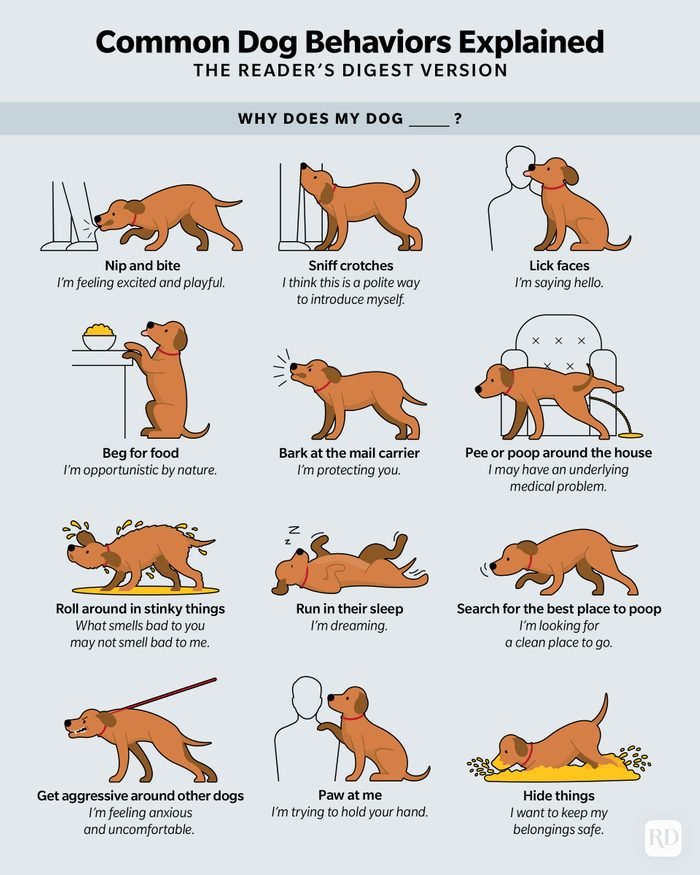
Credit: www.pashudhanpraharee.com
Understanding Canine Emotions
Dogs express feelings through their actions. Tail wagging shows happiness or excitement. Barking can mean alertness or anxiety. Understanding these behaviors helps us connect better with our furry friends.
Understanding the emotions of our four-legged friends can dramatically enhance our relationships with them. Dogs, like humans, experience a range of emotions, from joy to stress. By paying attention to their behavior, you can better understand what your dog is trying to communicate. This knowledge allows you to respond appropriately, ensuring your dog's well-being and strengthening your bond.
Identifying Stress
Stress in dogs can manifest in various ways, such as excessive barking, pacing, or even destructive behavior. I once noticed my dog chewing on furniture when we moved to a new home. It was a clear signal of stress due to the unfamiliar environment. A change in appetite or frequent yawning can also indicate stress. It's crucial to notice these signs early. Addressing the root cause of stress can prevent more severe issues.
Recognizing Joy
Recognizing joy in dogs is one of the most rewarding aspects of being a pet owner. A wagging tail, relaxed body, and playful behavior usually indicate happiness. My dog jumps excitedly every time I grab the leash for our walk. Dogs express joy vocally too. Soft barks or happy howls are common. Your attentive response can amplify their joy, making your time together more fulfilling.
Managing Anxiety
Anxiety in dogs requires careful management. Symptoms include trembling, hiding, or excessive licking. During thunderstorms, my dog used to hide under the bed, shaking. Creating a safe space can help alleviate anxiety. Consider using calming music or pheromone diffusers. Consistent routines and training can also help your dog feel more secure. Understanding canine emotions can be a game-changer. Have you ever noticed how your dog reacts to certain situations? Observing these reactions helps build a stronger, more empathetic relationship.
Human-canine Bond
The human-canine bond is a unique connection. Dogs have been by our side for thousands of years. They are more than just pets; they are family. This bond is built on love, trust, and understanding. It creates a relationship that benefits both humans and dogs. A strong bond can improve a dog's behavior and well-being. It also enriches our lives in countless ways.
Building Trust
Trust is the cornerstone of any relationship. Dogs trust us to care for them. They rely on us for food, shelter, and affection. We must earn their trust through consistent care and kindness. Spend time with your dog every day. Play, walk, and simply be present. Dogs appreciate routines and predictability. They feel secure when they know what to expect. This builds trust and strengthens your bond.
Effective Communication
Communication is key in any relationship. Dogs communicate through body language and sounds. Pay attention to your dog's signals. A wagging tail might mean excitement. A growl could signal discomfort or fear. Respond to these cues appropriately. Use simple commands and be consistent. Reward positive behavior with treats or praise. This helps dogs understand what you want. Clear communication reduces confusion and frustration.
Enhancing Relationship
A strong relationship enhances both your life and your dog's. Engage in activities that you both enjoy. Training sessions can be fun and rewarding. Teach new tricks or practice obedience commands. This keeps your dog's mind active. Regular playtime is also important. It strengthens your bond and keeps your dog happy. Consider exploring new places together. A walk in a new park can be exciting. Shared experiences deepen the human-canine connection.
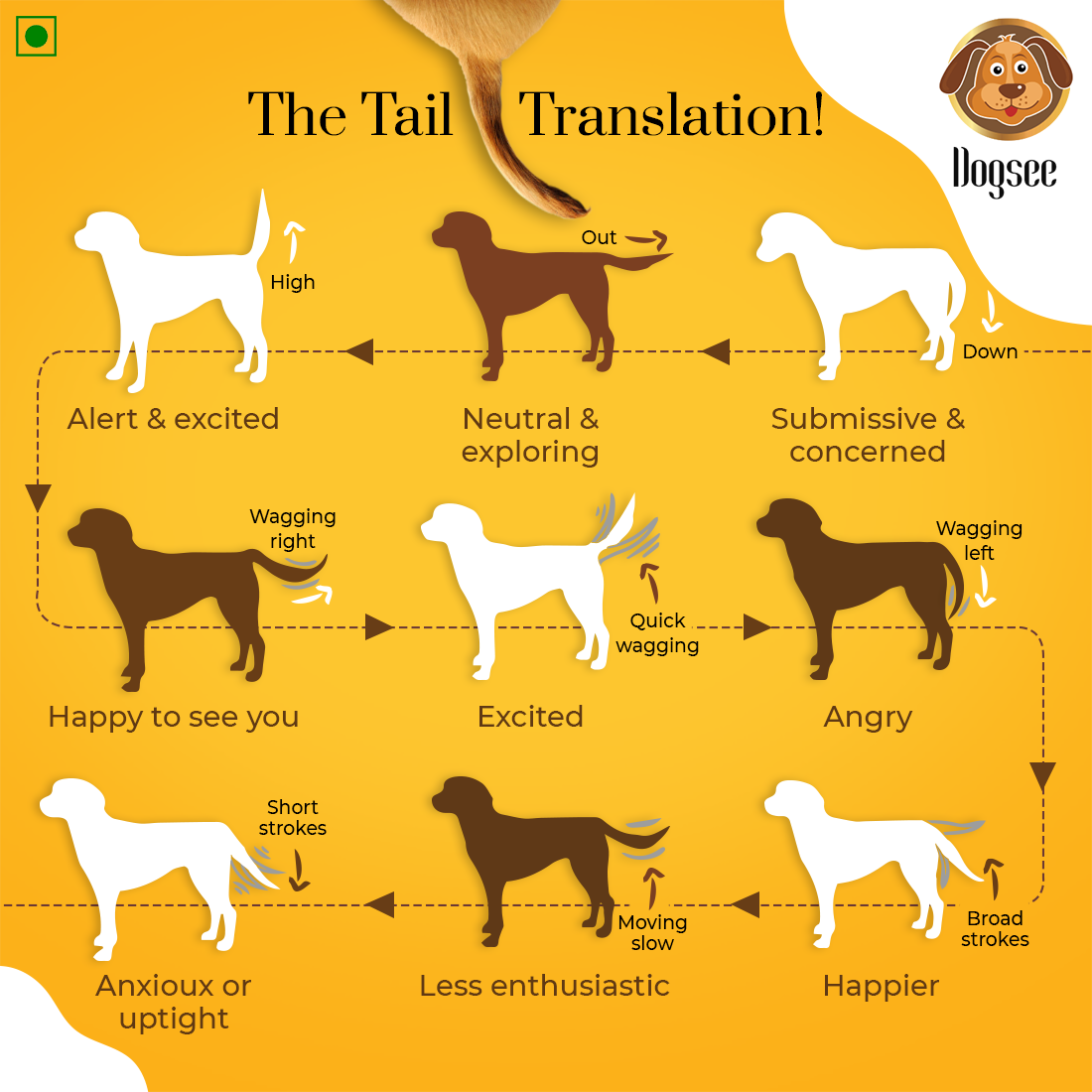
Credit: www.dogseechew.in
Frequently Asked Questions
Why Do Dogs Bark Excessively?
Dogs bark excessively for various reasons, including alerting their owner, expressing excitement, or seeking attention. It's crucial to identify the trigger for excessive barking to address it effectively. Training and understanding the underlying cause can help manage this behavior.
How Can I Stop My Dog From Chewing?
Chewing is a natural dog behavior, often due to boredom or anxiety. Providing chew toys, regular exercise, and mental stimulation can reduce this habit. If chewing persists, consult a veterinarian for advice on behavior modification techniques.
What Causes Dogs To Dig Holes?
Dogs dig holes to explore, hunt, or escape boredom. This behavior may also be instinctual or stress-related. To prevent digging, ensure your dog gets enough exercise, mental stimulation, and create a designated digging area if needed.
Why Does My Dog Chase Its Tail?
Tail chasing can be playful behavior, but it might indicate boredom or stress. Ensuring your dog has enough physical and mental stimulation can reduce this behavior. If it becomes obsessive, consult a veterinarian for further assessment.
Conclusion
Understanding dog behaviors helps build a strong bond with your pet. Recognize their signals. Tail wags, barks, and body language convey much. Pay attention to these cues. They express needs and emotions. Training and patience improve communication. This strengthens your relationship.
Happy dogs make happy owners. Consistency in responses is key. Encourage positive behavior with rewards. Avoid harsh reactions. Dogs thrive in a loving environment. Learn and grow together. Enjoy the unique journey with your furry friend. Every moment counts. Celebrate their quirks.
This deepens the connection. Your dog is a loyal companion. Cherish this special bond.