Imagine coming home to a wagging tail and a joyful bark. Your dog greets you with pure excitement, making you feel like the most important person in the world.
Happy dog behavior is not only heartwarming, but it's also a sign of your furry friend's well-being. You may wonder what makes your dog so cheerful and how you can encourage more of these joyful moments. You'll discover the secrets behind happy dog behavior and learn simple ways to enhance your dog's happiness.
From understanding their needs to creating a playful environment, you'll find practical tips that will transform your bond with your canine companion. Stay tuned to unlock the joy of having a truly happy dog.
Signs Of A Happy Dog
Understanding your dog's happiness is crucial. A happy dog means a healthy pet. Dogs express their joy in various ways. Observing these signs can enhance your bond. Let's explore how to recognize a happy dog.
Relaxed Body Language
A relaxed dog shows contentment. Look for loose and wiggly movements. Their tail may wag gently. Ears are at ease, not pinned back. Eyes appear soft, not wide or intense. A happy dog's mouth may be open, almost like a smile.
Playful Attitude
Playfulness is a key happiness indicator. Happy dogs love to play. They may bring toys to you. A playful bow, where they lower the front of their body, is common. This invites interaction and shows they feel good.
Healthy Appetite
A happy dog enjoys their meals. They eat with enthusiasm. A sudden loss of appetite might signal stress. Monitor their eating habits closely. Consistent eating patterns suggest contentment and well-being.
The Role Of Exercise
Exercise plays a crucial role in your dog's happiness. Physical activity keeps dogs healthy and content. It helps them release pent-up energy. Exercise also strengthens the bond between you and your dog.
A well-exercised dog is less likely to develop behavioral issues. Keeping your dog active is vital for their mental and physical well-being. Below are some effective ways to incorporate exercise into your dog's routine.
Daily Walks
Daily walks are essential for your dog's happiness. They offer more than just physical benefits. Walks provide mental stimulation and social interaction. Your dog will enjoy exploring new scents and sights. Regular walks help maintain a healthy weight. They also reduce anxiety and promote better sleep.
Interactive Play
Interactive play is another great way to exercise your dog. Games like fetch or tug-of-war are perfect. They keep your dog engaged and active. Interactive play improves your dog's agility and reflexes. It also strengthens your bond. Spend time daily playing with your dog. It keeps them happy and mentally stimulated.
Mental Stimulation
Physical exercise alone is not enough. Mental stimulation is just as important. Puzzle toys and training sessions challenge your dog's mind. They keep them sharp and focused. Mental activities prevent boredom and reduce destructive behavior. Regular mental stimulation contributes to overall happiness. It keeps your dog entertained and satisfied.
Socialization Benefits
Understanding happy dog behavior involves exploring the benefits of socialization. Dogs thrive on connections. Socialization plays a key role in this. It helps dogs develop confidence. It reduces anxiety and stress. Through socialization, dogs learn essential skills. They engage better with their environment.
Positive Interactions
Positive interactions shape a dog's world. They learn from every encounter. This builds their confidence. A confident dog is a happy dog. These interactions teach dogs how to respond calmly. They also learn to communicate effectively. Dogs need exposure to different sights and sounds. Positive experiences during these moments are crucial. They lead to well-adjusted behaviors. A socially skilled dog is less likely to exhibit aggression. They feel secure in various situations.
Dog Park Adventures
Dog parks offer a unique social setting. They provide a safe space for play. Dogs meet new friends here. They learn to share toys and space. Each visit is an adventure. Dogs burn off energy. They practice social cues. Owners can observe their dog's interactions. This helps in understanding their pet's behavior better. Regular visits lead to a more balanced pet. Dog parks can reduce boredom. They make exercise fun and engaging.
Meeting New People
Meeting new people is vital for dogs. It helps them become more adaptable. Dogs learn that strangers can be friendly. This reduces fear-based reactions. A well-socialized dog is less anxious. They greet guests with wagging tails. Positive human interactions enhance a dog's trust. They strengthen the bond with their owner. Owners should encourage their dogs to meet different people. This exposure is beneficial in the long run. A friendly dog is a joy to be around.
Nutrition And Well-being
Happy dogs often have excellent nutrition and well-being. Their diet impacts their mood and energy. Proper nutrition supports their health and happiness. This section explores how nutrition affects your dog's well-being.
Balanced Diet
A balanced diet is key for a happy dog. It provides essential nutrients. Proteins, carbohydrates, and fats are necessary. Vitamins and minerals also play a role. These elements support growth and energy. A complete diet keeps your dog active and healthy.
Choose high-quality dog food for the best results. Look for foods with natural ingredients. Avoid artificial preservatives and fillers. These can harm your dog's health. Always read labels carefully. A balanced diet ensures your dog's long-term well-being.
Hydration Importance
Hydration is vital for your dog's health. Water supports digestion and body functions. It helps regulate temperature. Dehydration can lead to health issues. Always provide fresh water. Make it easily accessible. Dogs need water to stay active and happy.
Monitor your dog's water intake. Increase water during hot weather. Active dogs may need more hydration. A well-hydrated dog is a healthy dog. Keep an eye on any signs of dehydration. These include dry gums or lethargy.
Treats In Moderation
Treats are a fun part of dog life. They can be rewards for good behavior. But too many treats can harm your dog. Overfeeding leads to obesity. It can cause other health problems too. Give treats in moderation.
Choose healthy options for treats. Look for low-calorie options. Natural treats are a good choice. Avoid treats with artificial flavors. Ensure treats are only a small part of their diet. This keeps your dog healthy and happy.
Creating A Safe Environment
Dogs feel happy and safe when their environment is consistent and caring. Providing regular playtime and affection helps nurture positive behavior. This ensures your furry friend remains joyful and well-adjusted.
Creating a safe environment for your dog is crucial for nurturing happy behavior. A secure setting allows your furry friend to express their true selves without fear or discomfort. This environment should cater to their physical and emotional needs, ensuring they feel loved and protected. Whether it's indoors or outdoors, every aspect of your home can influence your dog's happiness. Let's dive into some actionable ways to create a safe haven for your pup.
Comfortable Resting Areas
Dogs need a cozy spot to relax and recharge. A soft bed in a quiet corner can make a world of difference. Consider adding blankets or cushions that your dog loves. Observe where your dog naturally gravitates to rest, and enhance that space. Is it near a window with sunlight? Or perhaps a spot where they can watch you while you work? Cater to their preferences. A comfortable resting area can improve their mood and reduce stress. Wouldn't you feel more at ease knowing your dog has a perfect spot to unwind?
Toxin-free Spaces
Ensuring your home is free from harmful substances is vital. Dogs are curious and can easily ingest something dangerous. Store cleaning supplies and medications in high cabinets or locked drawers. Check your plants—some can be toxic to dogs. Replace them with pet-safe ones like spider plants or bamboo. Even simple items like chocolate or certain fruits can be harmful. Make it a habit to keep these out of reach. How would you feel if your dog got sick from something easily preventable?
Secure Outdoor Access
A safe outdoor area can be a paradise for your dog. Ensure your yard is fenced securely to prevent escapes. Inspect it regularly for gaps or weak spots. Create a shaded area where your dog can rest from the sun. Add a water station for hydration during playtime. Consider adding toys or a sandbox for digging enthusiasts. Wouldn't it be amazing to watch your dog play without a worry in the world? By focusing on these practical steps, you can offer your dog a safe environment that encourages joyful behavior and strengthens your bond.
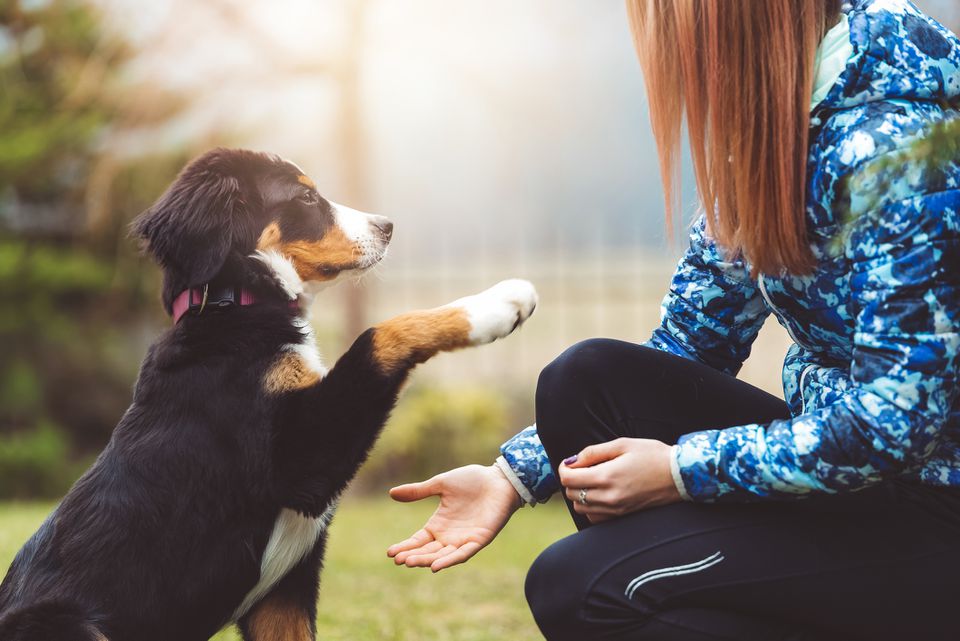
Credit: www.lillybrush.com
Training And Positive Reinforcement
Training and positive reinforcement are key to happy dog behavior. Dogs thrive on guidance and rewards. These methods build strong relationships. Positive reinforcement is about rewarding good behavior. It encourages dogs to repeat actions. This approach is gentle and effective. Let's explore how training and positive reinforcement work.
Basic Commands
Teaching basic commands helps in managing your dog's behavior. Start with simple commands like "sit," "stay," and "come." Use a calm voice when giving commands. Be patient and repeat the process daily. Keep training sessions short to maintain interest. Consistency in using commands is crucial. Your dog will learn to associate words with actions.
Reward Systems
Reward systems are essential in positive reinforcement training. Use treats, toys, or praise as rewards. Give rewards immediately after the desired behavior. This helps your dog understand what pleases you. Avoid overfeeding with treats. Small pieces work just fine. Change rewards to keep your dog engaged. Praise and petting also work well as rewards.
Consistency In Training
Consistency is vital in dog training. Use the same words and actions each time. This helps your dog understand what is expected. Involve all family members in training. Everyone should use the same commands. This prevents confusion for your dog. Consistent training sessions lead to faster results. Regular practice helps reinforce learning.
Recognizing Stress Signals
Dogs show stress through different behaviors. Watch for excessive barking, pacing, or hiding. These signs can help you understand your dog's mood.
Recognizing stress signals in your dog is crucial for their well-being. Dogs, much like humans, can experience stress due to various factors. This can affect their behavior and overall happiness. Understanding these signs helps you address any issues and ensure your furry friend stays content. Let's look into some specific stress signals your dog might exhibit.
Behavioral Changes
If your dog starts behaving differently, it might be a sign of stress. A typically energetic dog may suddenly become lethargic or disinterested in play. Conversely, a calm dog might become hyperactive. I once noticed my dog, Max, pacing around the house incessantly, which was unusual for him. It turned out that a new neighbor's dog barking late at night was disturbing his peace. Observing these changes can help you identify what's causing stress.
Avoidance Signs
Dogs may try to avoid stressful situations. They might hide, turn away, or even refuse to eat. A friend of mine had a dog who would hide under the bed whenever there was a thunderstorm. This avoidance was a clear sign of stress. By recognizing these signs, you can comfort your dog and minimize their anxiety.
Excessive Barking
Barking is a natural way for dogs to communicate. But when it becomes excessive, it might indicate stress. Consider the context: Is your dog barking more when left alone or during car rides? My cousin's dog would bark excessively whenever he saw a suitcase, associating it with his owner's absence. Identifying the trigger can help you address the underlying stress and calm your dog. By paying attention to these stress signals, you can actively contribute to your dog's happiness. What changes have you noticed in your dog's behavior? Taking action based on these observations can make a world of difference in your dog's life.
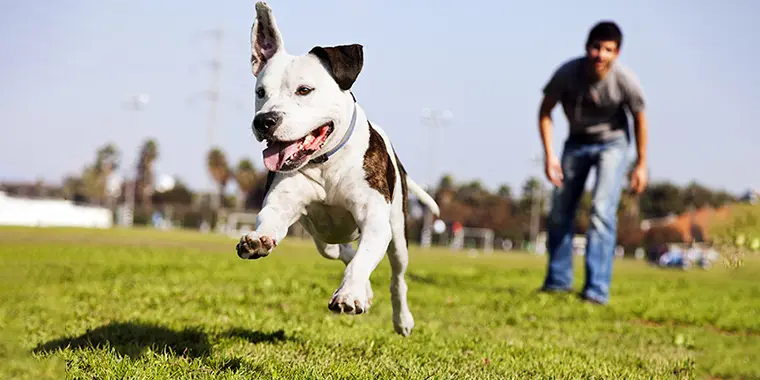
Credit: happydogtraining.info
Building A Strong Bond
Building a strong bond with your dog is essential for a happy and fulfilling relationship. It's more than just training; it's about creating a deep connection that fosters trust and understanding. This bond is developed through shared experiences and recognizing your dog's needs. Let's dive into some effective strategies to strengthen your bond with your furry friend.
Quality Time Together
Spending quality time with your dog is crucial. It's not just about quantity but the meaningful interactions you share. Take regular walks and explore new parks. Play games that your dog enjoys. Even simple activities like watching TV together can be enriching.
Have you ever noticed how your dog reacts when you focus solely on them? Their tail wagging and eyes sparkling can brighten anyone's day. These moments build memories and strengthen your bond. What unique activity do you and your dog enjoy?
Trust Building Activities
Trust is the foundation of any strong relationship, including the one with your dog. Engage in activities that promote trust, like gentle grooming sessions or training exercises using positive reinforcement. Avoid situations where your dog might feel threatened or scared.
Consider trying a new sport like agility training or nose work. These activities not only build trust but also enhance your dog's confidence. Watching your dog overcome challenges with your support is incredibly rewarding. How does your dog show they trust you?
Understanding Canine Needs
Understanding your dog's needs is essential for a strong bond. Dogs communicate through their behavior, and it's vital to listen. A wagging tail, a happy bark, or a gentle nudge can indicate their mood and needs. Pay attention to their diet, exercise, and mental stimulation.
Regular vet visits can help you understand their health needs better. Recognize signs of discomfort or stress and address them promptly. A happy dog is one whose needs are met. How well do you understand your dog's language?
Building a strong bond with your dog requires effort and attention to their unique needs. With quality time, trust-building activities, and understanding, you can create a lasting and joyful relationship. Your dog will thank you with love, loyalty, and endless wagging tails!
The Impact Of Routine
Daily routines shape happy dog behavior, providing structure and predictability. Consistent schedules help reduce anxiety and promote calmness. Dogs thrive on regular feeding, walks, and playtime, enhancing their overall well-being.
The rhythm of daily life can shape your dog's happiness more than you might realize. Establishing a routine isn't just about keeping your schedule on track; it's about creating a world for your dog that's predictable and safe. When dogs know what to expect, they feel secure and content. This security translates into happier behavior and a stronger bond with you.
Consistent Daily Schedule
A consistent daily schedule provides your dog with stability. Dogs thrive on predictability, and a regular routine can reduce anxiety and stress. Consider setting fixed times for walks, play, and rest. This helps your dog understand when to expect attention and activity. A friend once mentioned how her dog's behavior improved dramatically once she started sticking to a morning walk schedule. Her dog was calmer and less destructive throughout the day.
Predictable Mealtime
Regular mealtime is another pillar of a happy dog's routine. Feeding your dog at the same times each day helps regulate their digestive system and energy levels. Try setting alarms or reminders on your phone if you struggle with consistency. What changes do you notice in your dog's behavior when meals are consistent? A predictable mealtime can transform a restless dog into a content companion, eagerly awaiting their bowl with a wagging tail.
Regular Grooming
Grooming is not just about keeping your dog looking good; it's about maintaining their health and happiness. Regular grooming sessions create a bonding experience and keep your dog comfortable. Incorporate brushing, nail trimming, and baths into your weekly routine. Do you find grooming time stressful for your pet? Start small and reward your dog with treats and praise. Observing your dog enjoy being pampered is a rewarding experience for both of you. By embedding these routines into your day, you lay the foundation for a happier, more content dog. What changes will you make to bring more joy into your furry friend's life?

Credit: www.happydogbehavior.com
Frequently Asked Questions
What Are Signs Of A Happy Dog?
A happy dog often wags its tail, has a relaxed body posture, and exhibits playful behavior. It may also show interest in activities and maintain a healthy appetite. Positive interactions with people and other animals are indicators of happiness.
How Can I Make My Dog Happy?
Provide regular exercise, mental stimulation, and social interaction. Offer a balanced diet, safe environment, and affectionate companionship. Consistent routines and positive reinforcement can also contribute to your dog's happiness.
Why Does My Dog Wag Its Tail?
Tail wagging is a common sign of a dog’s happiness and excitement. It can also indicate friendliness and curiosity. However, context matters, as different wagging styles can convey various emotions.
Can A Dog’s Behavior Indicate Health Issues?
Yes, changes in behavior can signal health problems. Lethargy, aggression, or loss of interest in activities may indicate discomfort or illness. Always consult a veterinarian if you notice unusual behavior.
Conclusion
A happy dog brings joy and peace to any home. Recognizing their behavior strengthens your bond. Understanding their needs is key. Regular exercise, a balanced diet, and affection keep them content. Pay attention to their body language. It speaks volumes about their feelings.
Provide mental stimulation with toys and games. This prevents boredom. Regular vet check-ups ensure their health. Happy dogs are loyal friends. Their happiness reflects your care and love. Enjoy the journey of nurturing a joyful pet. Your efforts lead to a harmonious living environment.
Embrace the happiness your dog brings every day.