Have you ever wondered why your dog seems to be herding everything in sight, from their toys to your family members? It might not just be random behavior.
Understanding herding behavior in dogs can reveal fascinating insights into their instincts and how they perceive the world around them. If you’ve ever felt puzzled by your furry friend’s sudden need to corral the cat or even your kids, you're not alone.
This article uncovers the mysterious herding instincts that drive your dog's actions, helping you appreciate their unique behavior and perhaps even improve your relationship with your pet. Dive in to discover why your dog is more than just a playful companion; they're a natural-born herder with instincts that have been honed over generations. Get ready to connect with your dog in a whole new way!
Origins Of Herding Instincts
Dogs inherited herding instincts from their ancestors, wolves. Early humans bred dogs to help manage livestock. This behavior involves gathering, guiding, and protecting animals.
Understanding the origins of herding instincts in dogs can provide valuable insights into their behavior. These instincts are deeply rooted in their history and evolution. By examining how these traits developed, you can better appreciate your dog's natural tendencies.
Understanding Ancestral Roles
Early dogs were more than companions; they were partners in survival. Their role often involved guarding and controlling livestock. This need to manage and protect herds was passed down through generations, shaping the herding instincts you see today.
Evolutionary Adaptation
Over time, specific breeds evolved with enhanced herding abilities. This was not accidental but a result of selective breeding to enhance traits like intelligence and agility. Have you ever noticed how some dogs intuitively manage groups, whether sheep or children at a park?
Breed-specific Traits
Different breeds exhibit varying levels of herding instinct. Border Collies, for instance, are renowned for their intense focus and drive. Understanding your dog's breed-specific traits can help you channel their energy effectively.
The Role Of Environment
Environment plays a significant role in shaping a dog's herding instincts. Dogs raised on farms or in rural settings often have more opportunities to express these behaviors. If you're in a city, consider activities that mimic herding tasks to satisfy your dog's instincts.
Modern-day Applications
Today, herding instincts are not just for farms. They are harnessed in dog sports and obedience training. Could these instincts be the key to keeping your dog mentally and physically active? Reflecting on these origins can deepen your connection with your dog. Recognizing the historical roots of herding instincts allows you to meet your dog's needs more effectively. What aspect of herding do you see in your dog's behavior?
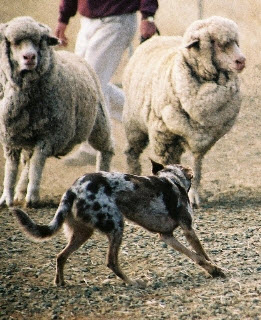
Credit: countryk9pets.com
Breeds Known For Herding
Herding behavior is a fascinating aspect of dog breeds. Some breeds are known for their herding instincts. These dogs are agile, intelligent, and energetic. They have a strong drive to control the movement of other animals. This behavior is deeply embedded in their genetics. Let's explore some of the breeds known for herding.
Collies And Shepherds
Collies and Shepherds are famous herding breeds. Border Collies are known for their intelligence and agility. They can herd sheep with precision. German Shepherds are also excellent herders. They are strong, obedient, and protective. Both breeds excel in herding tasks.
Cattle Dogs
Cattle Dogs are tough and resilient. Australian Cattle Dogs can control large herds. They are known for their endurance and determination. These dogs are quick learners. They need tasks to stay happy and healthy. Cattle Dogs thrive in active environments.
Terriers And Other Breeds
Some Terriers have herding instincts too. For example, the Jack Russell Terrier is energetic and alert. While not traditional herders, they can manage small livestock. Other breeds like the Pembroke Welsh Corgi also herd. They use their low stature to nip at cattle's heels. These breeds are versatile and hardworking.
Behavioral Traits Of Herding Dogs
Herding dogs naturally gather and guide livestock with precision. They possess strong instincts and exceptional intelligence. Their alertness and quick response to commands make them excellent workers and companions.
Behavioral Traits of Herding Dogs Herding dogs are known for their distinct and fascinating behavioral traits, making them excellent companions and workers. These dogs are bred to manage livestock, and their unique characteristics reflect this purpose. If you’ve ever observed a Border Collie or Australian Shepherd in action, you’ve witnessed their incredible skills. Understanding these traits helps you appreciate why your herding dog behaves the way it does.
Natural Drive To Control Movement
Herding dogs have an innate desire to control the movement of other animals. This instinct is deeply rooted in their DNA. You might notice your dog trying to herd your family members or other pets. This drive is not just a quirk; it's a refined skill. It enables these dogs to excel in managing flocks. Their ability to anticipate and react to movement is remarkable. They often act swiftly, using their bodies and eye contact to direct and guide.
Alertness And Intelligence
These dogs are incredibly alert and intelligent. Their sharp senses allow them to pick up on subtle changes in their environment. This alertness is critical in herding tasks, where quick decisions are necessary. A herding dog can often outsmart its human counterparts, making them both challenging and fun to train. Their intelligence requires mental stimulation. If you don’t engage their minds, they might find their own, often mischievous, ways to stay occupied.
Responsiveness To Commands
Herding dogs are known for their exceptional responsiveness to commands. They thrive on structure and routine. This makes them highly trainable, which is essential in herding scenarios. If you’ve ever trained a herding breed, you know the satisfaction when they respond immediately to your cues. Consistent training and clear communication are key. They love to please and perform best when they understand what you expect of them. --- Have you noticed these traits in your herding dog? How do you keep your herding dog's mind and body engaged? Share your thoughts and experiences in the comments below.

Credit: advanced-hindsight.com
Training Techniques For Herding
Training herding dogs takes patience and consistency. Dogs bred for herding have natural instincts. But they need guidance to refine their skills. Proper training ensures they work effectively and safely.
Understanding basic obedience is crucial. It lays the foundation for more advanced skills. Specialized commands are also necessary. These commands help dogs understand complex tasks. Using positive reinforcement encourages learning and builds trust.
Basic Obedience Skills
Start with simple commands. "Sit," "stay," and "come" are essential. They help control the dog's movement. Practice in short sessions. Keep the mood positive and encouraging.
Consistency is key. Use the same words for each command. Reward the dog when it responds correctly. This reinforces the behavior.
Specialized Herding Commands
Herding dogs need specific commands. "Gather" directs them to round up livestock. "Walk up" signals them to approach slowly. "Lie down" is crucial for stopping movement.
Introduce these commands gradually. Use them during practice sessions. Pair commands with gestures or whistles. This aids in clear communication.
Utilizing Positive Reinforcement
Positive reinforcement builds confidence. It encourages dogs to repeat good behavior. Use treats, praise, or toys as rewards. Give rewards immediately after a correct response.
Keep training sessions short. End on a positive note. This maintains the dog's interest. It also ensures training remains enjoyable.
Challenges In Herding Behavior
Herding dogs exhibit unique behaviors. These behaviors can pose challenges. Owners often struggle with managing their dog's instincts. Understanding these challenges is crucial. It helps in creating a balanced environment. Herding behaviors can disrupt household harmony. Addressing these issues needs patience and knowledge.
Overexcitement And Stress
Herding dogs can get overexcited. This happens during activities. Overexcitement leads to stress. Dogs may bark excessively. They may run around wildly. Such behavior can be overwhelming. It disturbs peace at home. Owners must calm their dogs. Techniques such as gentle commands help. Regular exercise also reduces stress.
Misguided Herding In Domestic Settings
Herding dogs may try to herd family members. This behavior can be problematic. It often happens in domestic settings. Dogs might nip at heels. They might chase children. These actions can frighten people. Proper training is essential. It redirects the dog's instincts. Training helps in preventing misguided herding.
Balancing Instincts With Household Harmony
Finding balance is key. Herding instincts can clash with home life. Owners need strategies. Strategies help in maintaining harmony. Set clear boundaries for the dog. Consistent routines are beneficial. Engage your dog in suitable activities. These activities satisfy their herding instincts. Balanced dogs are happier and healthier.
Benefits Of Harnessing Herding Instincts
Dogs with herding instincts can efficiently manage livestock, enhancing farm productivity. This behavior also promotes mental stimulation and physical exercise, keeping dogs healthy and happy. Training these instincts can strengthen the bond between dogs and their owners.
Benefits of Harnessing Herding InstinctsUnderstanding and using the herding instincts in dogs can bring numerous benefits. These instincts, often seen in breeds like Border Collies and Australian Shepherds, can be directed towards productive activities. By harnessing these instincts, you can enhance your dog's life, your relationship with them, and even improve farm management.
Enhanced Dog-human Bond
Engaging in herding activities strengthens the bond between you and your dog. Working together towards a common goal creates trust and mutual respect. When you actively participate in what your dog loves, it enriches your relationship significantly. Think of it as a shared hobby. Just as friends bond over activities like hiking or cooking, herding can become a special shared experience. It provides a structured way for you to spend quality time with your dog.
Effective Farm Management
For those with farms, dogs with herding instincts can be invaluable. They can help manage livestock efficiently, saving you time and effort. Herding dogs are known for their intelligence and ability to work independently, making them reliable partners on the farm. Imagine training your dog to move sheep or cattle from one pasture to another. This not only eases your workload but also ensures the safety and well-being of your livestock. A well-trained herding dog can transform how you manage your farm.
Improved Canine Well-being
Herding activities offer mental and physical stimulation for your dog. These tasks give them a sense of purpose and fulfillment. Engaging their instincts keeps them happy and healthy, reducing the likelihood of behavioral issues. Consider the joy on your dog’s face when they complete a herding task. It's not just about physical exercise; it's about engaging their mind. When your dog is mentally stimulated, they're less likely to develop destructive habits like chewing or digging. Are you tapping into your dog's full potential? By leveraging their herding instincts, you can enrich their life and yours, creating a symbiotic relationship that benefits both.
Activities To Channel Herding Energy
Dogs with herding instincts need engaging activities to focus their energy. Try guided herding sessions to satisfy their natural urge. Interactive games like fetch help improve their agility and mental sharpness.
When you have a herding dog, channeling their boundless energy is essential for a happy and balanced life. Herding breeds are known for their intelligence and drive, often needing both mental and physical stimulation to thrive. Engaging them in activities that cater to their natural instincts can prevent behavioral issues and strengthen your bond with them. Let’s dive into some exciting activities designed to help you manage your herding dog's energy effectively.
Agility And Obedience Trials
Agility trials are a fantastic way to harness your dog's herding instincts. These high-energy courses challenge their speed, balance, and problem-solving skills. You might find your dog thriving as they navigate jumps, tunnels, and weave poles. Obedience trials, on the other hand, focus more on precision and communication. They require your dog to follow commands with accuracy. This can be a great way to channel their energy while reinforcing training and discipline. Both activities offer a fun and structured environment for you and your dog. Plus, they provide an excellent opportunity for socialization with other dogs and owners. Have you ever considered enrolling your dog in a local club to start these activities?
Herding Competitions
If your dog is a natural at herding, herding competitions might be the perfect fit. These events simulate real-life herding scenarios, allowing your dog to work with livestock in a controlled setting. It's an authentic way to let them do what they were bred for. Participating in these competitions can be a rewarding experience for both you and your dog. It strengthens your teamwork and communication skills. You might even discover a hidden talent in your furry friend. Consider visiting a herding workshop to see if your dog shows interest. Who knows, you might find yourself on the way to the next local herding championship!
Interactive Play And Exercises
Not every dog needs formal competitions to channel their herding energy. Interactive play can be just as effective. Games like fetch, tug-of-war, or hide and seek can stimulate their minds and bodies. Interactive toys, such as treat-dispensing puzzles, can keep your dog entertained. They provide a mental challenge that mimics the problem-solving aspect of herding. Organizing playdates with other dogs can also be beneficial. It allows your dog to practice social skills while burning off energy. Have you tried incorporating interactive play into your daily routine? Engaging your herding dog in these activities can transform their energy into a positive outlet. Whether through structured trials or simple play, you'll find a happier, more fulfilled companion. Your efforts in channeling their energy can lead to a more harmonious life together.
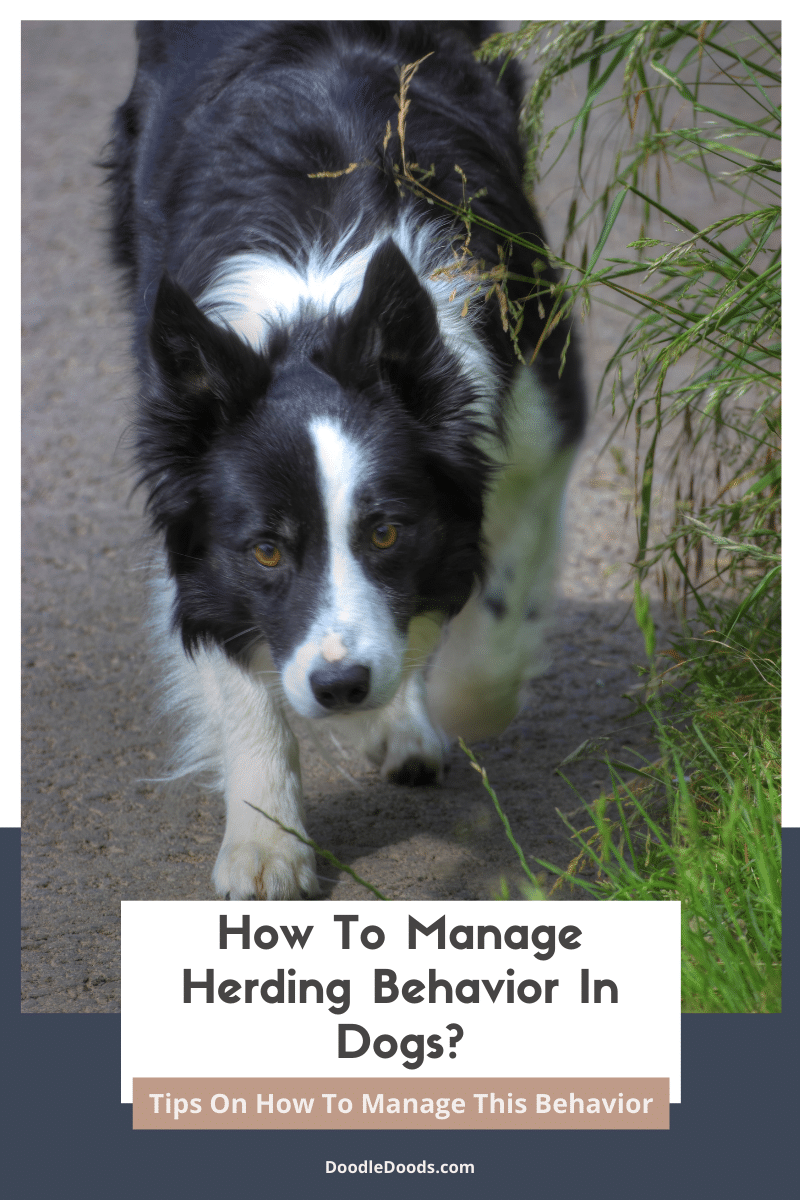
Credit: doodledoods.com
Frequently Asked Questions
What Is Herding Behavior In Dogs?
Herding behavior in dogs involves guiding or controlling the movement of animals or people. Dogs use their instincts to manage groups, often circling or nudging to keep them together. This behavior is common in breeds like Border Collies and Australian Shepherds, which excel in livestock management tasks.
Why Do Dogs Herd People?
Dogs herd people due to their instinctual drive to control and manage movements. Herding breeds, like Collies, often extend their natural behavior to family members. This can include nudging or circling to influence direction. It's a playful, instinct-driven action rather than a sign of aggression.
Which Dog Breeds Are Known For Herding?
Several dog breeds are renowned for their herding abilities. Border Collies, Australian Shepherds, and German Shepherds are top herders. These breeds possess strong instincts for controlling livestock. They're intelligent, energetic, and thrive in environments where they can manage animals or engage in herding activities.
How To Train A Dog For Herding?
Training a dog for herding involves teaching basic commands and control techniques. Start with simple commands like "stop" and "go. " Use positive reinforcement to encourage desired behavior. Gradually introduce livestock and practice in a safe, enclosed space. Consistent, patient training helps harness natural herding instincts.
Conclusion
Herding behavior in dogs fascinates many pet lovers. These instincts come from their ancestry. It's about cooperation and guidance. Dogs enjoy tasks that mimic herding. They feel useful and engaged. It's important to understand their needs. Training and activities can help channel this energy.
Bond grows stronger when you work together. It's also fun for both! Explore ways to embrace this natural trait. Your dog will love the challenge. A happy, active dog is a joy to have. Celebrate their unique qualities and instincts.
Enhance your connection with interactive games. You both benefit from shared experiences.