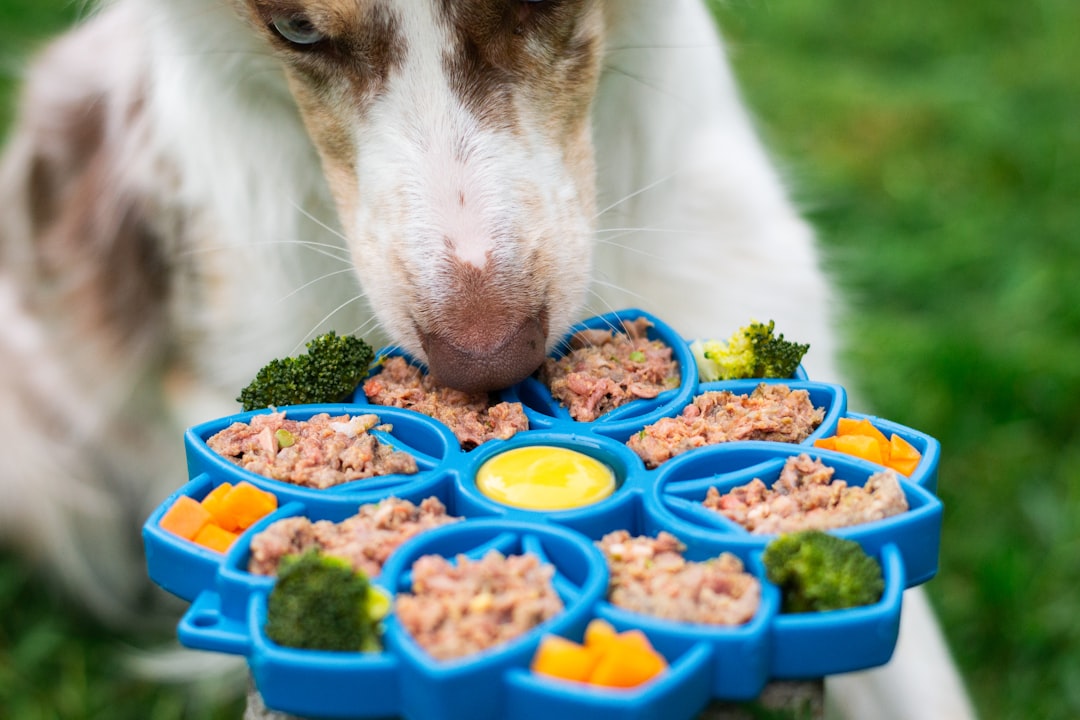
Are you considering switching your 20 lb dog to a raw food diet but unsure how much to feed? You're not alone.
Many pet owners are making the shift to raw food, seeking healthier, more natural options for their furry friends. But knowing the right amount to serve can feel overwhelming. You want to ensure your dog gets all the necessary nutrients without overfeeding or underfeeding.
In this guide, you'll discover how to determine the perfect portion size, tailored specifically for your 20 lb dog. Keep reading to unlock the secrets to a balanced raw diet that could lead to a healthier, happier pet.
Benefits Of Raw Food Diet
Raw food diets for dogs have gained popularity recently. Many pet owners switch to raw food for its numerous benefits. This diet can improve health and vitality in dogs.
Improved Digestion
Raw food is closer to what dogs ate in the wild. It often contains fewer fillers and additives. This makes it easier for dogs to digest. Improved digestion can lead to better nutrient absorption.
Healthier Skin And Coat
Raw food diets typically include essential fatty acids. These nutrients are vital for skin health. They help in maintaining a shiny coat. A dog's fur can appear more vibrant and less dull.
Increased Energy Levels
Feeding raw food can boost energy levels in dogs. It provides proteins and nutrients directly. This can lead to more active and playful behavior. Dogs can become more energetic and lively.
Reduced Allergies
Many dogs suffer from food allergies. Raw diets often exclude common allergens. This can help reduce allergic reactions. Dogs can experience fewer skin irritations and digestive issues.
Enhanced Dental Health
Raw food often includes bones and natural chews. Chewing bones can clean a dog's teeth. It helps in reducing plaque and tartar build-up. Healthier teeth can lead to better overall health.
Determining The Right Portion Size
Calculating the right raw food portion for a 20 lb dog ensures balanced nutrition. Typically, a dog of this size needs about 2-3% of its body weight in food daily. This careful balance keeps your pet healthy and energetic.
Determining the right portion size for your 20 lb dog’s raw food diet can seem challenging. However, understanding how much to feed your pet is essential for their health and well-being. Proper portioning ensures your dog receives the right balance of nutrients without overeating or feeling hungry.
Understand Your Dog’s Needs
Every dog is unique, and their dietary needs can vary. Factors like age, activity level, and health conditions play a significant role. For instance, an active 20 lb dog might need more calories than a couch potato of the same weight. Consider consulting with a veterinarian to assess your dog's specific needs.
Calculating The Daily Intake
A common guideline is to feed 2-3% of your dog's body weight in raw food daily. For a 20 lb dog, this translates to approximately 0.4 to 0.6 lbs of food per day. Keep in mind that this is just a starting point. You may need to adjust based on your dog's response to the diet.
Adjusting Based On Activity Level
Is your pup a high-energy ball of fur, or do they prefer lounging around? Active dogs burn more calories and might need a bit more food. On the flip side, less active dogs may require smaller portions to prevent weight gain. Observe your dog's energy levels and adjust accordingly.
Monitoring Weight And Health
Regularly check your dog's weight and health. An ideal portion size should maintain a healthy weight. If you notice weight gain or loss, it might be time to tweak the portion size. Observing changes in their coat, energy levels, and digestion can also provide clues.
Using A Feeding Chart
Feeding charts can be a helpful tool. They offer a quick reference based on weight and activity levels. However, remember they are guidelines, not strict rules. Use them as a baseline and adjust according to your dog's unique needs.
Trial And Error
Finding the perfect portion size may take some experimentation. Start with the recommended amount and observe your dog's response. Are they satisfied after meals? Do they seem hungry? Adjust as needed, keeping an eye on their overall health and happiness.
Listening To Your Dog
Your dog communicates through behavior. Are they eagerly finishing their meals, or do they leave food behind? Observing their eating habits can provide insights into whether you're feeding them too much or too little. Trust your instincts and your dog's signals to find the right balance. Remember, feeding your dog the right portion size is an ongoing process. Stay attentive and flexible to ensure your furry friend stays healthy and content. What adjustments have you found helpful for your dog's diet?
Factors Influencing Food Quantity
Determining the right amount of raw food for a 20 lb dog can be tricky. Several factors influence the food quantity needed. Considering these factors ensures your dog gets the nutrition it needs.
Activity Level
Active dogs burn more energy. They require more food to maintain their energy levels. A dog that runs, plays, or exercises regularly needs more calories. Sedentary dogs, on the other hand, need fewer calories. Observe your dog's activity level to adjust food portions accordingly.
Age And Life Stage
Puppies need more food for growth. Their bodies require extra nutrients. Adult dogs have different nutritional needs. Their metabolism slows as they age. Senior dogs might need fewer calories. Each life stage demands specific dietary considerations.
Health Conditions
Health issues can alter dietary needs. Some conditions require special diets. Diabetic dogs might need balanced portions. Dogs with kidney issues may need lower protein levels. Consult a vet for dietary advice if your dog has health concerns.
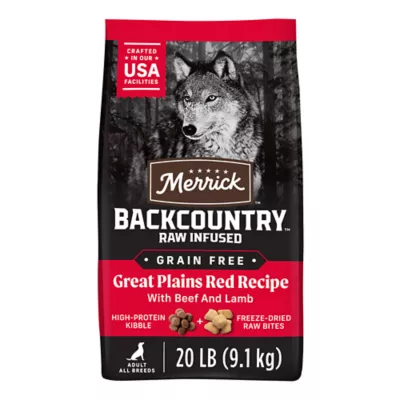
Credit: www.petsmart.com
Calculating Raw Food Requirements
Determining the right amount of raw food for a 20 lb dog is essential. Generally, aim for 2-3% of their body weight daily. Adjust based on activity level and health needs.
Calculating how much raw food to feed your 20 lb dog can feel overwhelming at first, but breaking it down step by step makes it manageable. You want to ensure your furry friend gets the right balance of nutrients without overfeeding or underfeeding. This section will guide you through the process of determining the ideal amount of raw food for your dog, ensuring they stay healthy and happy.
Understanding Basic Raw Food Ratios
Most raw feeding guidelines suggest that adult dogs eat about 2-3% of their body weight in raw food per day. For a 20 lb dog, this translates to approximately 0.4 to 0.6 lbs of raw food daily. These ratios can vary based on your dog's activity level, age, and overall health.
Assessing Your Dog's Activity Level
Is your dog a couch potato or an energetic explorer? A more active dog may require the higher end of the feeding range, around 3% of their body weight. Conversely, a less active dog might thrive on the lower end.
Adjusting For Age And Health Conditions
Puppies and senior dogs might need different feeding amounts. Puppies often require more food to support growth, while older dogs might need less. Health conditions can also influence dietary needs, so consider consulting with a vet for personalized advice.
Creating A Balanced Raw Diet
A balanced raw diet isn't just about quantity. It involves a mix of meat, bones, and organs. Aim for a balance of 80% meat, 10% bone, and 10% organs. This composition ensures your dog receives a comprehensive range of nutrients.
Monitoring Your Dog's Weight And Health
Keep an eye on your dog's weight and overall health. If they start to gain or lose weight unexpectedly, adjust their food intake accordingly. Regular vet check-ups can help you ensure they're on the right track.
Seeking Professional Guidance
When in doubt, seek professional advice. Veterinarians or pet nutritionists can offer valuable insights tailored to your dog's specific needs. They can help you refine your feeding plan to suit your pet's unique requirements. Finding the right raw food amount is a journey of observation and adjustment. How does your dog respond to their diet? Are they energetic and maintaining a healthy weight? Sharing experiences with other pet owners can also provide helpful perspectives.
Feeding Schedule For Consistency
Determine the ideal raw food amount for a 20 lb dog to ensure consistent feeding. Typically, offer 2-3% of the dog's body weight daily in raw food. Adjustments may be needed based on activity level and health needs.
Creating a consistent feeding schedule for your 20 lb dog is crucial to maintain their health and happiness. Dogs thrive on routine, and knowing when their next meal is coming can reduce anxiety and improve digestion. A regular feeding schedule can help you monitor their food intake and adjust portions if necessary.
Morning Meal Routine
Kickstart your dog's day with a nutritious raw food meal. A morning meal sets the tone for the day, giving your dog energy and focus. Consider feeding them around the same time each morning, perhaps after a morning walk. This consistency helps regulate their metabolism.
Evening Meal Routine
An evening meal provides your dog with the nutrients needed to recover from their day's activities. Feed them after your evening routine, such as a walk or playtime. This can signal the end of the day and help your dog relax and prepare for a restful night.
Portion Control
How much raw food should you give a 20 lb dog? Typically, it's about 2-3% of their body weight. For a 20 lb dog, this equals 0.4 to 0.6 lbs of food per day. Adjust based on activity level and health needs. Use a kitchen scale for accuracy to prevent overfeeding.
Benefits Of A Regular Feeding Schedule
A consistent feeding schedule offers numerous benefits. It helps maintain a healthy weight, improves digestion, and reduces food-related anxiety. You'll also notice when your dog might not be feeling well, as changes in eating patterns can signal health issues.
Adjusting The Schedule For Your Lifestyle
Life can be unpredictable, but your dog's feeding schedule shouldn't be. Try to keep meal times within an hour of your usual schedule. If you're busy, consider using automatic feeders or asking a friend for help. Consistency is key to your dog's health and happiness.
Listening To Your Dog's Needs
Your dog might communicate their needs through behavior changes. Are they restless before mealtime? Maybe they're still hungry after eating? Observing these cues can help you fine-tune your feeding schedule to better suit your dog's needs. What changes have you noticed in your dog since starting a regular feeding schedule? How has it impacted their behavior or health? Share your experiences and insights to help others on their journey to a healthier, happier pet.
Monitoring Weight And Adjustments
Feeding your 20 lb dog raw food can be exciting. It promises health benefits and vigor. But ensuring proper nutrition means monitoring weight and making adjustments. This helps maintain your dog's optimal health. Keeping a close eye on weight changes is crucial.
Monitoring Weight
Regular weight checks keep you informed. Weigh your dog weekly. Look for any unexpected changes. A steady weight indicates the diet suits your dog. Sudden weight loss or gain needs attention. It could mean the diet needs adjustments. Use a digital scale for accuracy.
Recognizing Changes In Behavior
Watch your dog's behavior closely. Changes might signal dietary issues. Increased lethargy could mean nutrient deficiency. Excessive energy might mean overfeeding. Observing behavior helps identify hidden problems. Adjustments in diet can resolve these issues.
Adjusting Meal Portions
Adjust portions based on weight and behavior. If weight increases rapidly, consider reducing portions. If weight drops, add more food. Balance is key. Small, gradual changes prevent drastic impacts. Monitor changes closely after adjustments.
Professional advice is invaluable. A vet offers insights into dietary needs. They guide you with portion adjustments. Regular vet visits help maintain optimal health. They can spot issues early. This ensures your dog thrives on a raw diet.
Using A Feeding Schedule
A consistent feeding schedule aids in monitoring. Feed at regular times. This helps track weight changes more effectively. It creates a routine for your dog. Stability supports digestion and health. Adjust the schedule if needed.
Common Mistakes To Avoid
Determining the right amount of raw food for a 20 lb dog is crucial. Many pet owners mistakenly overfeed, leading to weight gain. It's essential to balance the diet with appropriate portions to ensure optimal health and energy levels.
When feeding a 20 lb dog a raw diet, precision is crucial. Mistakes can lead to health issues. Understanding common pitfalls helps avoid them. This ensures a balanced, nutritious meal for your pet.
Incorrect Portion Sizes
Many dog owners misjudge portion sizes. A 20 lb dog needs about 2-3% of its body weight in food daily. Overfeeding can lead to obesity. Underfeeding might cause nutritional deficiencies. Always measure food portions carefully.
Ignoring Nutritional Balance
Dogs require a balanced diet of proteins, fats, and vitamins. Some owners give too much meat and ignore other nutrients. Include organ meats, bones, and vegetables for a complete diet. Consult a vet for guidance.
Lack Of Variety
Feeding the same food daily can cause nutrient gaps. Dogs need a variety of meats and vegetables. Rotate different protein sources. This provides a broad spectrum of nutrients.
Not Considering Bone Content
Bones are vital for calcium. Some owners avoid them due to choking fears. Choose the right size and type of bone. Too many bones can cause constipation. Balance is key.
Skipping Regular Health Checks
Regular vet visits ensure your dog’s diet meets its needs. Health checks can identify potential issues early. Adjust the diet based on the vet’s advice. This maintains your dog’s overall health.
Not Transitioning Gradually
Switching to raw food should be gradual. Sudden changes can upset a dog’s stomach. Start with small portions mixed with current food. Increase the raw portion slowly over a week.
Ignoring Dog’s Preferences
Some dogs dislike certain foods. Pay attention to what your dog enjoys. Adjust the diet accordingly. This ensures they eat happily and healthily. By avoiding these mistakes, you keep your dog healthy. Proper nutrition is essential for their well-being.

Credit: www.centinelafeed.com
Consulting With A Veterinarian
Determining the right amount of raw food for a 20 lb dog can be tricky. Consulting with a veterinarian ensures your dog gets a balanced diet. Vets offer guidance tailored to your dog's unique needs. This step is crucial for your pet's health and happiness.
Understanding Your Dog's Nutritional Needs
Every dog has different nutritional needs. A veterinarian can assess your dog's health. They consider factors like age, activity level, and health conditions. This ensures the diet meets all essential requirements.
Evaluating Raw Food Diet Benefits
Raw food diets are popular for their perceived benefits. Veterinarians can explain these benefits in detail. They provide insights based on scientific research. This helps you make informed decisions for your pet.
Discussing Potential Risks
Raw food diets can have risks. Consulting a veterinarian helps identify these risks. They explain how to minimize potential hazards. Your dog's safety and health remain a top priority.
Customizing Meal Plans
Vets help create a meal plan specific to your dog. This plan considers your dog's size and energy levels. A tailored diet plan supports overall well-being.
Monitoring Your Dog's Progress
Regular vet check-ups are essential. They monitor your dog's response to the diet. Adjustments can be made as needed. This ensures your dog thrives on the raw food diet.

Credit: www.brooksidebarkery.com
Frequently Asked Questions
How Much Raw Food For 20 Lb Dog?
A 20 lb dog typically needs about 2-3% of its body weight in raw food daily. This amounts to roughly 6-9 ounces per day. Ensure the diet includes proteins, fats, and essential nutrients. Always consult your vet for personalized advice tailored to your dog's specific needs.
What Types Of Raw Food Are Best?
The best raw foods include lean meats like chicken, turkey, and beef. You can also include organ meats, fish, and raw eggs. Incorporate vegetables like carrots and spinach for added nutrients. Avoid processed foods and ensure the diet is balanced and fresh.
Is Raw Food Better Than Kibble?
Raw food can be more beneficial than kibble due to fewer preservatives and additives. It often improves coat condition, digestion, and energy levels. However, it requires careful preparation to ensure nutritional balance. Consult with a vet to determine the best diet for your dog.
Can Raw Food Cause Health Issues?
Raw food can pose risks like bacterial contamination if not handled properly. Bones can cause choking or digestive problems. Ensure meats are fresh and sourced safely. It's crucial to follow guidelines and consult a vet to minimize risks and ensure a balanced diet.
Conclusion
Feeding the right amount of raw food keeps your dog healthy. A 20 lb dog needs specific portions to thrive. Balance is key. Too much or too little can cause issues. Monitor your dog's weight and energy. Adjust portions as needed.
Raw diet benefits are clear with correct feeding. Always consult your vet for guidance. They provide helpful insights for optimal feeding. Your dog's health and happiness come first. Proper raw food portions make a real difference. Enjoy the journey of caring for your furry friend!