

How to Bell Train a Dog to Go Outside?
Imagine never having to worry about those little accidents on your carpet again. Training your dog to use a bell to signal when it needs to go outside can be a game-changer.
It's a simple solution that makes life easier for both you and your furry friend. If you're tired of constantly guessing when your dog needs a potty break, you're in the right place. This method not only helps in avoiding messes but also strengthens the communication between you and your pet.
Picture this: a clear, unmistakable signal that lets you know exactly when it's time to go out, saving you from unnecessary stress. In this guide, you'll discover the step-by-step process to effectively bell train your dog, ensuring a happier and cleaner home environment. Let's dive into a practical approach that promises to make your life simpler and your dog's life more satisfying. Ready to learn the secret to a well-trained pup? Keep reading.

Credit: www.amazon.com
Choosing The Right Bell
Training a dog to ring a bell for outdoor breaks requires the right bell. Choose a bell with a clear sound and easy reach. This helps your dog associate ringing with going outside.
Choosing the right bell can make all the difference in successfully bell training your dog to go outside. It might seem like a small detail, but the type and placement of the bell can significantly affect how quickly your dog learns to use it. Think of the bell as an essential tool in your dog's learning process—one that should be both effective and easy for your dog to use. Choosing wisely will set your dog up for success and make your training efforts more rewarding.
Types Of Bells
There's a variety of bells available, each with its unique sound and style. You might consider a traditional jingle bell, which is light and easy to ring. Flat bells are another option; they produce a louder sound and can be more noticeable for both you and your dog. Have you ever thought about using an electronic bell? These bells can be programmed to play a specific sound and might be suitable if your dog responds better to digital tones. Consider your dog's personality and preferences. If your dog is timid, a softer, gentler bell might be less intimidating. On the other hand, a bold, energetic dog might need a bell that's sturdier and requires more pressure to ring.
Placement Of The Bell
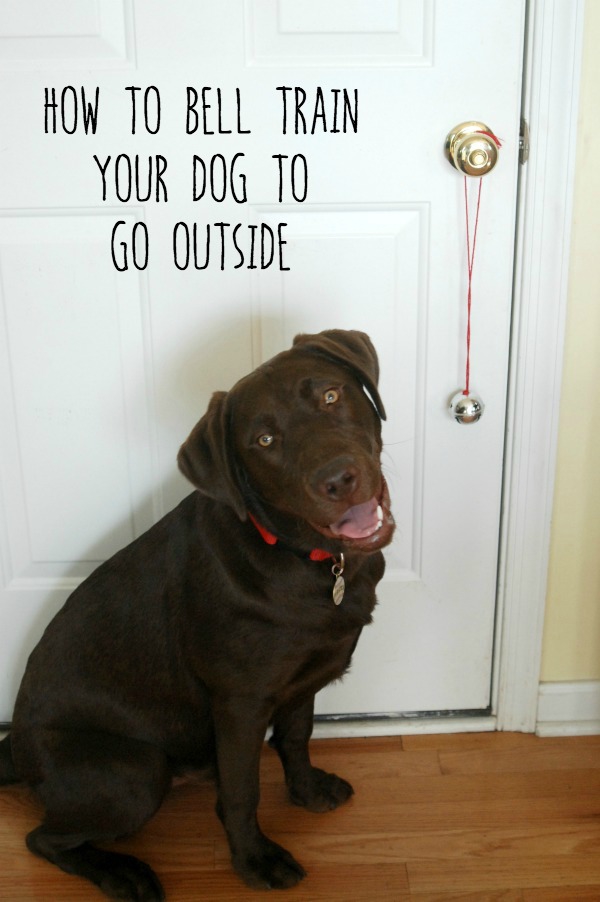
Where you place the bell is crucial to the training process. Would you prefer the bell to be placed at nose height for easy access? Many dog owners find that placing the bell at their dog's eye level on the wall works well. You might also consider attaching it to the door handle. This way, your dog associates the act of ringing the bell with the door opening. Think about the areas your dog frequents. If your dog spends most of their time in the living room, placing the bell near the living room door might be more effective. Consider the visibility and accessibility of the bell. Is it in a spot that your dog can easily reach and see? Ensure the bell is neither too high nor too low, making it easy for your dog to tap with their paw or nose. Choosing the right bell and placing it strategically can accelerate your dog's learning process. What bell will you choose to ensure your dog learns quickly and efficiently?
Introducing The Bell To Your Dog
Introducing your dog to a bell can be an exciting journey. It's the first step in teaching them to signal when they need to go outside. This simple tool can make communication easier between you and your pet. Start by getting a bell that suits your home and pet's needs.
Acclimating Your Dog
Place the bell near the door your dog uses. Let your dog sniff and explore the bell. This helps them understand it's a safe, new object. Encourage curiosity by rewarding them with treats or praise. Acclimation ensures the bell becomes a familiar part of their environment.
Creating A Positive Association
Link the bell to positive experiences. Each time your dog interacts with the bell, reward them. Use treats, toys, or affection as rewards. This creates a positive connection with the bell. Over time, your dog will associate the bell with good things. This step is crucial for successful bell training.
Training Techniques
Training your dog to use a bell to signal outdoor needs can be fun. It requires patience, consistency, and the right techniques. This training method builds communication between you and your dog. In this section, we'll explore effective training techniques.
Using Treats And Rewards
Start by associating the bell with treats. Hold a treat near the bell. Wait until your dog touches the bell with its nose or paw. When it does, offer a treat immediately. This helps your dog link the bell sound with a reward. Repeat several times daily. Consistent repetition reinforces the association.
Consistency In Training
Consistency is key in bell training. Set a routine for bell ringing. Encourage your dog to ring the bell before going outside every time. Use the same commands each session. Dogs learn best with consistent cues. Stick to a schedule for practice sessions. This helps your dog understand the routine quickly.
Building A Routine
Building a routine is essential for bell training your dog. A consistent routine helps your dog learn when to alert you. This process requires patience and dedication. It ensures your dog understands the expected behavior.
Establishing A Schedule
Begin by creating a daily schedule for your dog. Take them outside at the same times each day. Consistency helps them understand when it's time to go outside. Regular feeding times also play a role. A predictable schedule sets the stage for success.
Use a bell every time you take your dog out. Hang it near the door within your dog's reach. Encourage them to nudge or paw at the bell. Over time, they associate the bell with going outside. Reward them with praise or a treat when they ring it.
Recognizing Signs Your Dog Needs To Go
Pay attention to your dog's behavior. Look for signs they need to go outside. Common signs include sniffing the floor, whining, or circling. Some dogs may go to the door or become restless.
When you notice these signs, immediately guide them to the bell. Encourage them to ring it before opening the door. Consistent practice helps them associate the bell with going outside.
Watch for subtle cues as well. Each dog communicates differently. Understanding these signals strengthens your bell training routine.
Troubleshooting Common Issues
Teaching a dog to use bells can simplify outdoor trips. Start by hanging bells near the door. Encourage your dog to ring them before going outside. Reward positive behavior for effective training.
Training your dog to use a bell to signal when it's time to go outside can be incredibly rewarding. However, like any training process, it comes with its own set of challenges. Troubleshooting common issues can make a significant difference in the success of your bell training journey. Let’s dive into some specific hurdles you might face and how to overcome them effectively.
Dealing With Bell Overuse
Your furry friend might start ringing the bell just for fun. This can be cute at first, but it quickly becomes frustrating. If your dog rings the bell too often, assess whether they truly need to go outside. Consider setting a schedule. Let your dog out at regular intervals, and ignore the bell if it's rung outside these times. Reward them only when they ring it at the appropriate times. This sets boundaries and helps your dog understand that the bell isn't a toy.
Addressing Fear Or Anxiety
Some dogs might be hesitant or anxious about using the bell. It's crucial to understand why your dog feels this way. Is the sound too loud or startling? Try using a softer bell or placing it at a height where it's less intimidating. You can even let your dog play with the bell when it's not attached to the door. This helps them get familiar and comfortable with it. Remember a time when you were nervous about trying something new. It's similar for your dog. Be patient and offer plenty of encouragement. Can you think of ways to make the bell training process more reassuring for your pet? Bell training can be a smooth process with the right approach. Address these common issues with patience and consistency, and you'll likely find success in no time.

Credit: www.youtube.com
Advanced Training Tips
Teaching a dog to use a bell for outdoor bathroom breaks is simple with consistency. Start by hanging a bell by the door. Encourage your dog to ring the bell before going outside. Reward with treats and praise. This method helps dogs communicate their needs clearly.
Bell training a dog to go outside is a rewarding process. Once the basics are covered, advanced training tips help refine the skill. This ensures your dog responds well in various situations. Exploring these tips enhances the bell training experience for both you and your dog.
Transitioning To A New Location
Dogs thrive on routine. Changing the location of the bell can be tricky. Start by placing the bell at the new spot. Encourage your dog to notice the bell there. Use treats to reward curiosity. Consistency is key here. Gradually, your dog will adapt to the new location. Practice patience during this transition.
Incorporating Hand Signals
Hand signals add an extra layer to bell training. They help in non-verbal communication. Begin by using a simple hand signal. Pair it with the bell sound. Over time, your dog will associate the signal with going outside. This method is beneficial in noisy environments. It can also aid dogs with hearing issues. Implementing these advanced tips can enhance the training process. Every dog learns at its own pace. Stay patient and positive throughout the journey.
Maintaining Training Success
Bell training a dog requires patience and consistency. Keeping the success going needs regular reinforcement and adjustments. It's vital to ensure your dog doesn't forget the new routine. This section focuses on how to reinforce positive behaviors and adapt as your dog grows.
Reinforcing Good Behavior
Reward your dog every time it rings the bell to go outside. Use treats or praise to reinforce this positive behavior. Consistency is key in maintaining the training success. Monitor your dog's bell-ringing closely. Ensure it rings the bell for the right reasons. Avoid rewarding accidental rings or false alarms. This helps prevent confusion and keeps the training effective.
Adjusting As Your Dog Grows
As your dog matures, its needs may change. Adjust the training to suit its growth and development. Observe any changes in your dog's routine or behavior. Modify the training accordingly to keep it effective. Keep the bell accessible as your dog grows. Ensure it can always reach and ring the bell easily. This adaptability helps maintain the training's success over time.
Credit: endlesslyinspired.com
Frequently Asked Questions
What Is Bell Training For Dogs?
Bell training teaches dogs to ring a bell when they need to go outside. This method is simple and effective for communication. It helps prevent accidents and ensures your dog can signal when they need a bathroom break.
How Do You Start Bell Training?
Start by introducing the bell to your dog. Encourage them to touch it with their nose or paw. Reward them with treats and praise each time they ring the bell. Consistency is key for successful training.
How Long Does Bell Training Take?
Bell training duration varies based on your dog's personality and learning speed. Most dogs learn within a few weeks. Consistent practice and positive reinforcement are essential for quick results.
Can Bell Training Work For Puppies?
Yes, bell training is effective for puppies. Begin training as early as possible for best results. Puppies are quick learners, and starting early helps establish good habits.
Conclusion
Bell training your dog encourages good habits. It requires patience and consistency. Start with simple steps. Introduce the bell calmly. Reward your dog's efforts. Gradually, they'll understand the routine. Always reinforce positive behaviors. This builds trust. Remember, every dog learns at their own pace.
Celebrate small successes. Encourage your furry friend. They'll soon ring the bell with confidence. Enjoy less mess inside your home. Happy training!


