Choosing the right dog breed is more than just a decision—it's a commitment that can bring years of joy and companionship into your life. But with so many breeds to choose from, how do you find the perfect fit for you and your lifestyle?
Imagine welcoming a furry friend into your home, one that complements your daily routine and becomes a cherished member of your family. The process can be overwhelming, but it doesn't have to be. This guide is here to simplify your decision-making process by providing insights and practical advice tailored just for you.
Discover how understanding your own habits and needs can lead you to the ideal canine companion. Ready to find the dog that matches your heart and home? Let’s dive in and explore the factors that will help you make an informed and heartfelt choice.
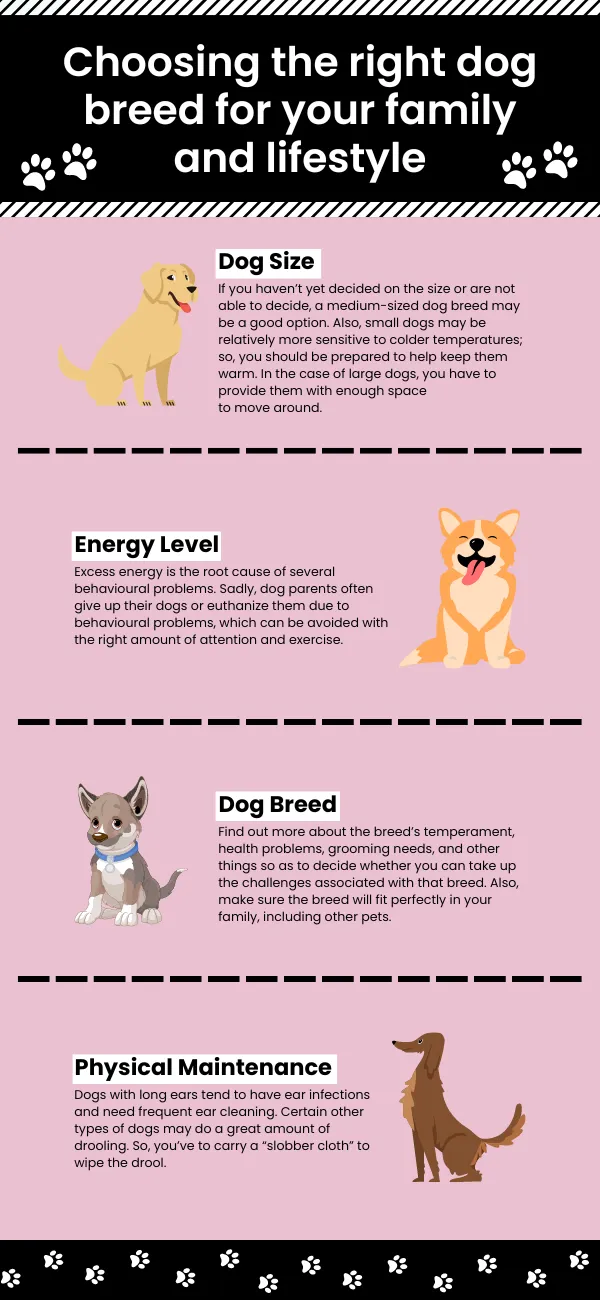
Credit: www.northroadvet.com.au
Assessing Your Lifestyle
Choosing the right dog breed depends on lifestyle and living space. Active families might prefer energetic breeds like Labradors. Apartment dwellers often find smaller breeds like French Bulldogs more suitable.
Choosing the right dog breed is a decision that should align with your lifestyle. Understanding your daily routine, living conditions, and personal preferences can guide you toward a breed that will fit seamlessly into your life. Let’s explore how to assess your lifestyle when selecting a canine companion.
Activity Levels
Consider your energy levels and daily activity routine. Are you someone who enjoys long walks, hikes, or runs? Active breeds like Border Collies or Labrador Retrievers might be a perfect match. On the other hand, if your idea of exercise is a leisurely stroll or a brief play session, you might prefer a more laid-back breed like a Bulldog or Basset Hound. Matching a dog’s energy needs with your own ensures a harmonious relationship.
Living Space Considerations
Your home environment plays a crucial role in determining the right dog breed. If you live in a small apartment, a smaller breed such as a French Bulldog or Dachshund could be ideal. They require less space and are usually content with indoor play. However, if you have a spacious home or a yard, larger breeds like Golden Retrievers or German Shepherds can thrive with ample room to roam. Remember, a dog’s happiness often correlates with its living space compatibility.
Work Schedule Impact
Evaluate how your work commitments affect your time at home. Do you often work long hours or travel frequently? Low-maintenance breeds like Greyhounds or Shih Tzus may be more suited to your lifestyle as they tend to be independent and require less constant attention. If your schedule allows for more time at home, breeds that need a lot of companionship, like a Cavalier King Charles Spaniel or a Pug, could be a great fit. Balancing your work life and pet care is essential for a stress-free relationship. Choosing a dog involves more than just affection; it’s about aligning with your daily life. Have you considered how your lifestyle could impact a dog's well-being? Making a thoughtful decision ensures a happy and healthy bond with your future furry friend.
)
Credit: www.northroadvet.com.au
Understanding Breed Traits
Choosing the right dog breed involves understanding breed traits. Each breed has unique energy levels, size, and care needs. Consider lifestyle, space, and activity level to find a compatible companion.
Choosing the right dog breed is more than just picking a cute puppy. It's about understanding the unique traits that each breed brings to your home. Knowing these traits can help you find a dog that fits perfectly with your lifestyle. Let's dive into some key breed traits you should consider.
Temperament Variations
Dogs, like people, have different personalities. Some breeds are naturally energetic and playful, while others are calm and reserved. Consider your daily routine. Are you active and outdoorsy? Breeds like Border Collies or Labradors might suit you well. If you prefer a quieter companion, a Basset Hound or a Bulldog could be a better fit. Think about how a dog's temperament will blend with your family. Do you have young children? You might want a breed known for being gentle and patient.
Size And Weight Factors
A dog's size and weight are crucial considerations. Bigger breeds like Great Danes require more space and food. Smaller breeds like Chihuahuas are easier to manage in apartments. Reflect on your living situation. Do you have a spacious yard? A larger breed could thrive there. If you live in a smaller space, a compact breed might be more comfortable. Remember, size affects more than space. Larger dogs often have shorter lifespans and may need more veterinary care. Are you prepared for these potential costs?
Grooming Needs
Grooming is more than just keeping your dog looking good. It's a commitment of time and resources. Some breeds, like Poodles, need regular professional grooming. Are you ready to schedule and afford these appointments? Others, like Beagles, require only basic maintenance. Think about your tolerance for shedding. Breeds like Huskies shed a lot, while others like Shih Tzus are more manageable. Understanding these traits can guide you in choosing a breed that fits your lifestyle. What traits are most important to you and your family?
Health And Lifespan
Choosing the right dog breed involves understanding their health and lifespan. Different breeds have unique health concerns and life expectancy. Knowing these can help make an informed choice. Let's explore some key aspects to consider.
Common Health Issues
Each dog breed may have specific health problems. Some breeds are prone to hip dysplasia. Others may face heart issues. Pugs and Bulldogs often have breathing problems. Beagles can suffer from epilepsy. Research breed-specific health concerns before deciding.
Expected Lifespan
Dog lifespans vary widely. Smaller breeds often live longer. They can reach 15 years or more. Larger breeds may live around 10 years. Some giant breeds may only live 7 to 9 years. Lifespan can influence your commitment level.
Veterinary Care Requirements
Every dog needs regular veterinary care. Routine check-ups are essential. Vaccinations protect against diseases. Breeds with known issues may need special care. Consider the cost and time for potential health needs. Plan for your dog's well-being.
Training And Socialization
Choosing the right dog breed involves understanding training and socialization needs. Different breeds have unique personalities. They require specific training and socialization approaches. This ensures they grow into well-behaved companions. Knowing these needs helps in making an informed decision.
Ease Of Training
Some dogs learn commands quickly. Breeds like Labrador Retrievers and Border Collies are known for their intelligence. They grasp new tasks with ease. Other breeds might need more patience. Bulldogs and Afghan Hounds can be stubborn. Training them requires consistency and positive reinforcement. Researching a breed's trainability is crucial. It helps in setting realistic expectations.
Socialization Needs
Socialization is vital for a dog's development. It involves exposing them to different environments and people. Breeds like Golden Retrievers are naturally friendly. They adapt well to new situations. Conversely, some breeds can be wary of strangers. This includes breeds like Chihuahuas and Shiba Inus. Early socialization helps them become confident. It reduces fear-based behaviors.
Behavioral Challenges
Every breed has potential behavioral challenges. Some dogs may be prone to anxiety. Others might exhibit territorial behavior. Understanding these challenges is important. It allows for better preparation and management. Breeds like German Shepherds need mental stimulation. Without it, they can become destructive. Knowing a breed's tendencies helps in addressing issues effectively.
Financial Considerations
Choosing the right dog breed requires considering financial factors. Different breeds come with varying costs for food, grooming, and healthcare. Budgeting for these expenses helps ensure a happy and healthy pet.
Choosing the right dog breed involves many factors. Financial considerations play a crucial role in this decision. It's important to understand the costs associated with owning a dog. These costs can vary widely between breeds. Here's a breakdown of the financial aspects to consider.
Initial Costs
Initial costs can be significant. They include the purchase price or adoption fee. Some breeds are more expensive than others. Purebred dogs typically cost more than mixed breeds. You may also need essential items. These include a bed, leash, and food bowls. Vaccinations and microchipping add to these initial expenses.
Ongoing Expenses
Ongoing expenses are a major part of dog ownership. Food is a regular cost. Larger breeds eat more, raising costs. Regular vet check-ups are necessary for health. Flea and tick prevention also add up. Grooming is another recurring expense. Some breeds require professional grooming. Training classes can be helpful and may incur additional costs.
Insurance Options
Pet insurance can help manage unexpected costs. Different breeds have different health risks. Research insurance options that cover breed-specific issues. Some policies cover accidents and illnesses. Others offer wellness plans for routine care. Compare policies to find the best fit. Insurance can provide peace of mind for pet owners. Financial planning helps ensure a happy life for you and your dog.

Credit: www.akc.org
Researching Breeds
Choosing the right dog breed requires careful consideration. The decision impacts your lifestyle and happiness. Researching breeds is crucial in this process. It helps you understand different breed characteristics and needs. You'll learn about health, temperament, and activity levels. This information guides you to a breed that fits well into your life.
Reliable Sources
Start with reliable sources. Websites like the American Kennel Club offer detailed breed information. They provide insights into breed history and characteristics. Reading books by reputable authors can also help. Look for those written by experienced breeders or veterinarians. They often include personal experiences and expert advice. Use online forums to connect with dog owners. Hear firsthand experiences from people who own the breed you're considering.
Breed Clubs And Associations
Breed clubs and associations are valuable resources. These organizations focus on specific breeds. They offer deep knowledge about breed traits and health concerns. Many have websites with breed-specific guidelines and tips. Attend their events or shows to see breeds in action. You can meet breeders and owners who share personal insights. These interactions help you make informed decisions.
Consulting Professionals
Consulting professionals is essential in choosing a breed. Veterinarians provide health-related advice and considerations. They know about potential breed-specific health issues. Dog trainers offer insights into breed behavior and training needs. Their experience with different breeds helps you understand temperament. Talk to breeders who have years of experience. They can share detailed information about their breeds' habits and needs.
Making The Final Decision
Choosing the right dog breed is a significant decision. It's not just about finding a cute puppy. It's about understanding your lifestyle and needs. As you near the final decision, several factors require careful consideration. This step is crucial in ensuring a happy home for both you and your new furry friend.
Trial Period Insights
Consider a trial period with the dog breed you have in mind. This can help identify if the breed fits your daily routine. Spend time observing the dog's behavior and energy levels. Note how the dog interacts with family members. Visit dog parks and talk to other owners about their experiences. Trial periods give firsthand insights into the breed's suitability.
Family Discussions
Engage your family in discussions about the new dog. Talk about each member's expectations and responsibilities. Discuss the dog's space needs and sleeping arrangements. Family meetings ensure everyone is on board with the decision. They help avoid surprises once the dog arrives. Clear communication strengthens family bonds and prepares everyone for the new addition.
Future Planning
Think about the future when choosing a breed. Consider the dog's lifespan and potential health issues. Research how the breed adapts to changes in living situations. Evaluate how your lifestyle might evolve over the next years. Planning for the future ensures the dog remains a cherished family member. A well-thought-out decision leads to lasting happiness and companionship.
Frequently Asked Questions
What Factors Determine The Right Dog Breed?
Choosing the right dog breed depends on your lifestyle, home environment, and activity level. Consider your space, time for grooming, and exercise needs. Research breed temperaments and health issues. Assess your family dynamics, including children or other pets, to ensure compatibility.
Matching these factors will help find a suitable breed.
How Does A Dog’s Size Affect Breed Choice?
A dog's size influences space, exercise, and care needs. Larger breeds require more space and exercise, while smaller breeds need less. Consider your living situation and physical capability to handle the breed. Understand that size can affect feeding costs and grooming requirements, impacting your overall choice.
Why Is Temperament Important In Choosing A Breed?
Temperament affects how a dog interacts with people and environments. Some breeds are energetic, while others are calm and reserved. Consider your lifestyle and family dynamics. A breed's temperament should align with your activity level and home environment. Understanding this ensures a harmonious relationship with your dog.
What Is The Role Of Breed Health Issues?
Breed-specific health issues can influence long-term care and veterinary costs. Research common genetic conditions associated with breeds. Knowing potential health risks allows you to prepare for medical expenses. Prioritize breeds with fewer health problems to minimize future concerns. This knowledge ensures a healthier and happier life for your pet.
Conclusion
Choosing the right dog breed enriches your life and theirs. Consider your lifestyle and living space carefully. Research breeds that fit your activity level. Check for allergies within your family. Visit shelters to meet different dogs. Consult with breeders or veterinarians for advice.
Think about grooming needs and costs. Remember, each breed has unique needs. Patience and understanding are key. A perfect match brings joy and companionship. Your new furry friend awaits, ready to share love and adventures. Make an informed decision, and enjoy a lifetime of wagging tails and happy moments.