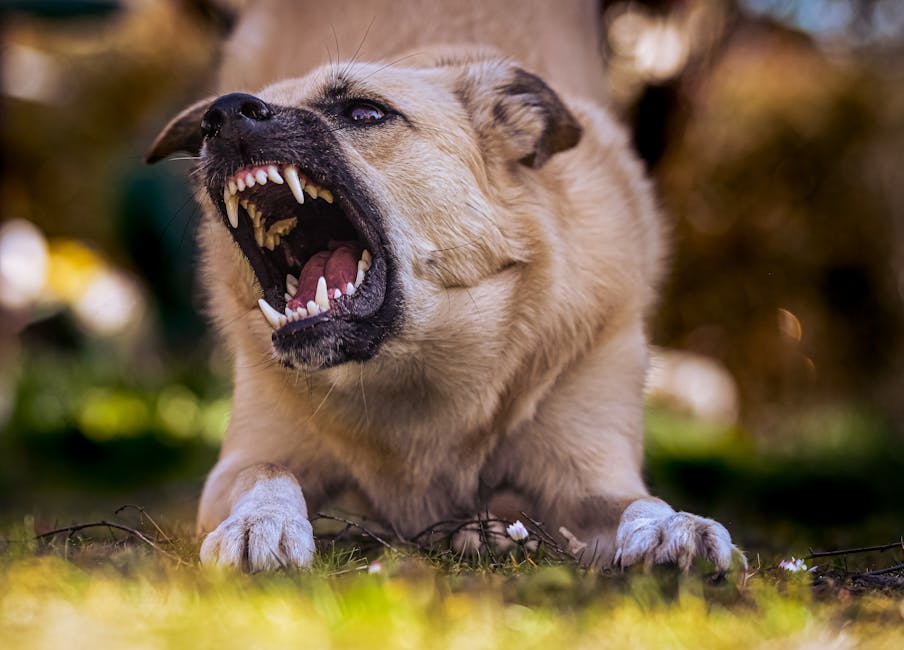
Are you struggling with your dog's aggressive behavior? You're not alone.
Many dog owners find themselves facing this challenge, unsure of how to manage it effectively. You might feel stressed, worried, or even guilty about your dog's actions, but there's hope. You have the power to transform your dog's behavior and create a peaceful environment for both of you.
Imagine walking your dog without fear or hosting guests without anxiety. This isn't just wishful thinking—it's possible! By understanding the root causes and applying proven techniques, you can correct aggressive behavior and strengthen your bond with your furry friend. Ready to unlock the secrets to a calmer, happier dog? Let's dive into the solutions that can make a real difference in your life.
Identifying Aggression Triggers
Identifying triggers is crucial to correcting aggressive dog behavior. Common triggers include fear, territorial instincts, or past trauma. Observing these patterns helps in addressing the root cause effectively.
Understanding and correcting aggressive dog behavior can be a challenging yet rewarding journey. The first step in this process is identifying what triggers your dog's aggression. Recognizing these triggers not only helps in preventing unwanted incidents but also aids in creating a more harmonious environment for you and your pet. Imagine the relief of knowing exactly what sets off your dog's aggressive response and being able to manage it effectively. Let's dive into how you can pinpoint these triggers and take actionable steps towards a calmer, happier dog.
Understanding Environmental Triggers
Environmental factors play a significant role in your dog's behavior. Is your dog more aggressive in crowded places or when exposed to loud noises? Observing your dog's reactions in different settings is crucial. Take note if your dog tenses up when a stranger approaches or if certain objects or sounds make them uneasy. Identifying these environmental triggers allows you to anticipate and mitigate situations that may lead to aggression.
Recognizing Social Triggers
Social interactions can also influence your dog's behavior. Does your dog display aggression towards other dogs or specific people? Understanding social triggers involves paying close attention to how your dog interacts with others. If your dog shows signs of discomfort around certain individuals or animals, it's important to acknowledge this and adjust accordingly. The key is to foster positive interactions and gradually build your dog's confidence in social settings.
Identifying Health-related Triggers
Health issues are often overlooked but can significantly impact your dog's behavior. Have you noticed if your dog's aggression spikes when they are not feeling well? Pain or discomfort can make even the gentlest dog behave aggressively. Regular vet check-ups are essential to rule out any underlying health problems that might be causing stress or pain. Addressing health-related triggers ensures that your dog is not reacting out of physical discomfort.
Spotting Routine-based Triggers
Routine changes can disrupt your dog's sense of stability, leading to aggression. Has your dog become more aggressive after a change in their daily routine or schedule? Dogs thrive on consistency, and any sudden shift can cause anxiety. Pay attention to how your dog responds to changes in feeding times, exercise routines, or household activities. Maintaining a consistent schedule can help in reducing anxiety-driven aggression.
Assessing Past Experiences
Past experiences can shape a dog's behavior dramatically. Is your dog's aggression linked to a specific event or trauma? Reflect on any past incidents that might have left a lasting impression on your dog. Understanding these experiences can provide insight into their behavior and guide you in creating a safer environment. Your empathy and patience can make a significant difference in your dog's journey towards overcoming aggression. Have you ever identified a specific trigger in your dog's behavior? How did it change your approach to training and bonding with them?
Types Of Aggressive Behavior
Dogs may show aggressive behavior due to fear, territorial instincts, or lack of socialization. Consistent training and positive reinforcement help correct these behaviors effectively. Understanding your dog's triggers and maintaining calmness play a crucial role in managing aggression.
Understanding the types of aggressive behavior in dogs is crucial for effective management and training. It's not just about recognizing that your dog is acting out, but knowing why. Each type of aggression has its own triggers and requires different approaches to address.
Fear-based Aggression
Fear-based aggression often stems from a dog's past experiences or lack of socialization. You might notice your dog growling or snapping when they feel threatened. The key is to identify what scares your dog and work to reduce their fear through positive exposure and reassurance. Imagine taking your dog to a busy park for the first time. The unfamiliar sights and sounds can be overwhelming, leading to fear-based aggression. Gradually introduce your dog to new environments to build their confidence.
Territorial Aggression
Territorial aggression occurs when a dog feels the need to protect their space from perceived intruders. This can be directed at strangers, other animals, or even family members. Recognizing territorial behavior is vital to prevent potential conflicts. Consider how your dog reacts when someone approaches your front door. Do they bark excessively or become tense? Teaching your dog that visitors are not threats can help lessen this aggressive response.
Resource Guarding
Resource guarding is when a dog becomes aggressive over possessions like food, toys, or even people. This behavior can escalate quickly and needs careful handling. Understanding what your dog values most can help you manage this aggression effectively. Picture your dog fiercely guarding their favorite toy. It's important to teach them that sharing doesn't mean losing. Gradually practice trading items with them to reduce their anxiety about giving things up. Have you noticed any of these behaviors in your dog? Identifying the type of aggression is the first step toward creating a peaceful environment for both you and your pet. Addressing these behaviors with patience and understanding can lead to a more harmonious relationship.
Understanding Dog Body Language
Deciphering a dog's body language helps address aggression effectively. Spotting signs like growling or stiff posture aids in intervention. Calm, consistent training techniques can transform negative behavior into positive actions, ensuring a safer environment for everyone.
Understanding dog body language is crucial in addressing aggressive behavior in dogs. Dogs communicate through a range of body signals, and being able to read these cues can help you prevent and correct aggression. When you understand what your dog is trying to tell you, you can respond appropriately and improve your relationship.
Recognizing Signs Of Stress
Stress in dogs often leads to aggression. Look out for signs like yawning, lip licking, or avoiding eye contact. These subtle cues indicate your dog might feel uncomfortable or threatened.
The Importance Of Tail Position
A dog's tail can tell you a lot about their mood. A high tail often indicates alertness or dominance. If the tail is tucked, your dog might feel scared or anxious.
Interpreting Ear Movements
Ears are another key indicator of a dog's feelings. Ears forward usually signal curiosity or focus. If they are pinned back, your dog might be scared or feeling aggressive.
Understanding Eye Contact
Direct eye contact can be perceived as a challenge by dogs. If you notice your dog staring intensely, it might be a sign of aggression. Averting their gaze can be a sign of submission or fear.
Reading The Whole Body
Consider your dog's entire posture. A stiff body and raised hackles can mean aggression. A relaxed body with a wagging tail typically indicates friendliness.
Personal Experience With My Dog Max
I once misread my dog Max's body language, thinking he was just playful when he was actually stressed. By closely observing his cues, I learned to adjust my actions and prevent aggressive outbursts. Have you ever misjudged your dog's signals?
Practical Steps To Improve Your Skills
Spend time observing your dog in different situations. Take note of their reactions to various stimuli. Practice responding calmly and assertively to their cues. Understanding your dog's body language is a powerful tool in curbing aggression. By tuning into their non-verbal signals, you can create a safer and more harmonious environment for both you and your furry friend. What signals has your dog been showing you lately?

Credit: www.dwdogtraining.com
Creating A Safe Environment
Training an aggressive dog involves patience and consistency. Establish firm boundaries with positive reinforcement techniques. Ensure a calm and safe space to encourage better behavior.
Creating a safe environment is essential for managing aggressive dog behavior. Dogs feel secure when their surroundings are calm and predictable. This helps reduce stress and fear, which can trigger aggression. By focusing on creating a safe space, you build a foundation for positive behavior. Let's explore some practical ways to achieve this.
Safe Spaces
Every dog needs a personal retreat. A safe space offers comfort and security. Choose a quiet area free from disturbances. Use a cozy bed or crate to create a den-like feel. Ensure the space is away from noisy appliances or high-traffic areas. This allows your dog to relax without feeling threatened. Safe spaces help dogs unwind and manage their emotions better.
Controlled Interactions
Supervise your dog's interactions with people and other pets. Set clear boundaries to prevent overwhelming situations. Use leashes or barriers if necessary. Introduce new people or animals slowly and calmly. Watch for signs of stress or discomfort. Reward calm behavior with treats or praise. Controlled interactions build trust and confidence in your dog. They learn that not all interactions are threatening.
Training Techniques
Correcting aggressive dog behavior involves consistent training techniques. Utilize positive reinforcement to encourage calm actions. Redirect negative actions with clear commands and rewards.
Training techniques are crucial when addressing aggressive dog behavior. They offer structured ways to guide your dog towards more positive interactions. With the right approach, you can transform challenging moments into learning opportunities.
Positive Reinforcement
Positive reinforcement is a game-changer. Reward your dog for good behavior with treats or praise. This encourages them to repeat these actions. Consider this: when your dog remains calm during a trigger, reward them immediately. This not only reinforces calmness but also shifts their focus from the trigger to the reward. Have you ever noticed how a simple "good job" can brighten your day? Dogs feel similarly. Consistent positive feedback can make a world of difference.
Desensitization And Counterconditioning
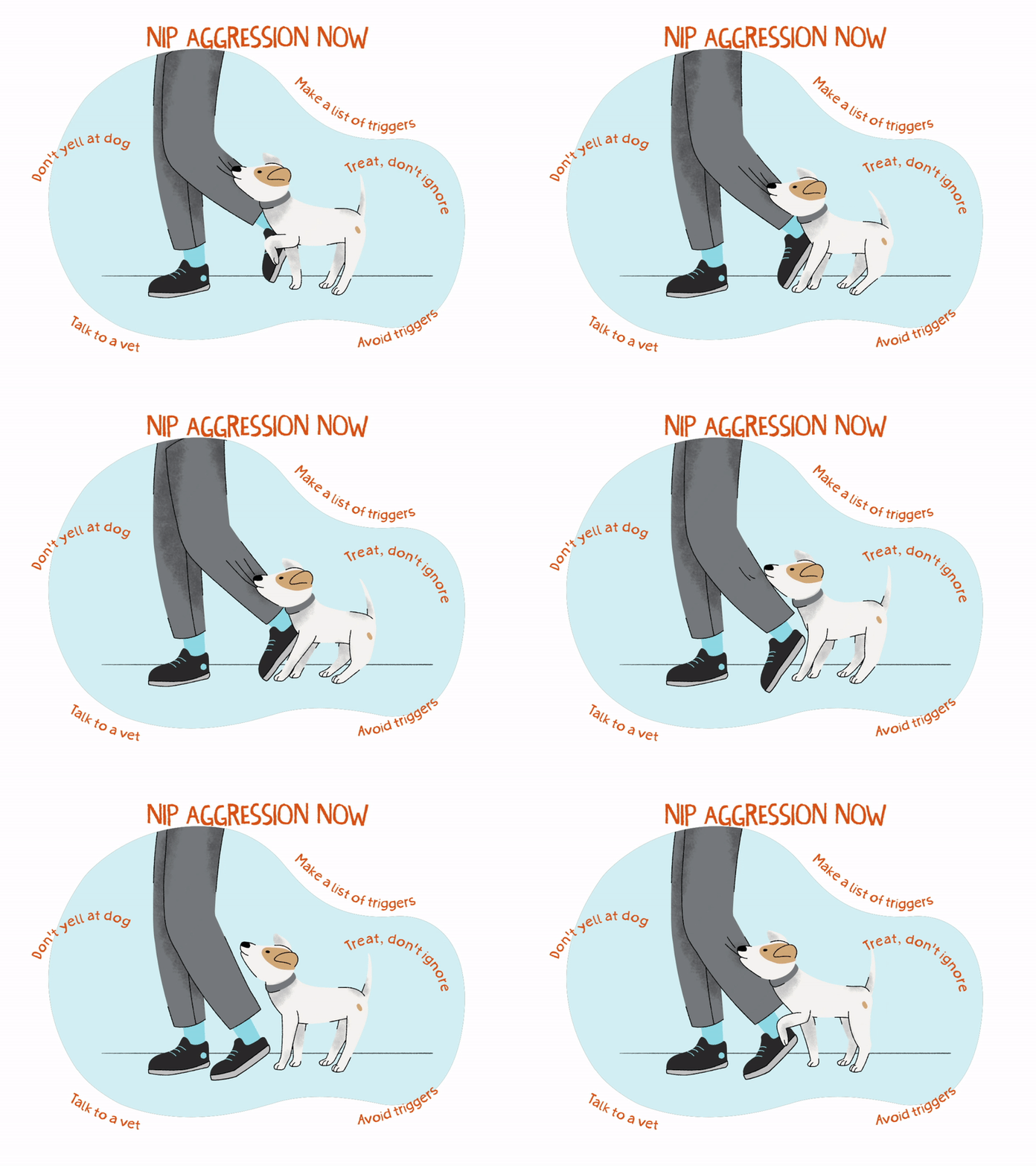
Desensitization involves exposing your dog to triggers in a controlled environment. Start with low-intensity situations and gradually increase exposure. This helps them adjust without feeling overwhelmed. Counterconditioning is like rewiring their response. Pair the trigger with something positive. For example, if your dog reacts aggressively to strangers, offer them a treat when a stranger appears. These methods require patience. Imagine slowly building your tolerance for something you once feared. That's what you're helping your dog achieve. Training techniques are more than commands; they’re about building trust and understanding. How might your approach change if you viewed each challenge as a chance to grow together with your dog?
Credit: www.banfield.com
The Role Of Socialization
Socialization is crucial for a dog's behavior. It shapes their interactions with the world. Proper socialization helps in reducing aggression. Dogs learn how to behave calmly in various situations. They also learn to trust humans and other animals.
Proper socialization builds confidence in dogs. This reduces fear-based aggression. Socialization involves exposing dogs to different experiences. This includes meeting new people and animals. It also includes experiencing various environments and sounds.
The Importance Of Early Socialization
Early socialization is essential. Puppies are more open to new experiences. They are more receptive to learning. This period is a golden opportunity. Teach them to interact positively with others.
Expose puppies to diverse environments. Take them on walks in different areas. Introduce them to various sounds and smells. This reduces fear and anxiety in the future. A well-socialized puppy grows into a balanced adult dog.
Socialization Techniques For Adult Dogs
Adult dogs can still learn social skills. Start with controlled environments. Use a leash for safety. Introduce them to calm, friendly dogs first. Gradually increase the number of dogs they meet.
Practice patience and consistency. Reward good behavior with treats. Use positive reinforcement. It encourages them to repeat good behavior. Keep socialization sessions short. End on a positive note.
Common Mistakes During Socialization
Rushing the process is a common mistake. Dogs need time to adjust. Forcing interactions can lead to setbacks. Always observe your dog's comfort level. Avoid overwhelming them with too many new experiences at once.
Another mistake is neglecting regular socialization. Dogs need consistent exposure. Socialization is not a one-time event. It's an ongoing process. This helps maintain their social skills over time.
Working With A Professional Trainer
A professional trainer offers guidance to correct aggressive dog behavior effectively. They use positive techniques to ensure safe interactions. This approach helps dogs become calmer and more social.
Working with a professional trainer can be a game-changer in correcting aggressive dog behavior. It provides structured guidance and experienced insight. A trainer can help you understand the root of your dog's aggression and offer tailored strategies to address it. This partnership is not just about training your dog but also about educating you on effective handling techniques. Whether your dog is showing aggression toward people, other animals, or both, a professional trainer can be instrumental in turning things around.
Choosing The Right Trainer
Selecting the right trainer is crucial. You want someone who not only has the skills but also aligns with your philosophy of dog care. Look for a certified professional with a proven track record in handling aggression. Ask for references or reviews from past clients. It's also wise to observe a session before committing. Ensure the trainer uses positive reinforcement techniques and understands your dog's unique needs. Meet with potential trainers to discuss their approach. Do they involve you in the training process? How do they handle setbacks? These questions will help you determine if they are the right fit for you and your dog.
What To Expect In Training Sessions
Training sessions should be structured yet flexible. Expect the trainer to assess your dog's behavior initially. This assessment helps tailor the training plan specifically to your dog's needs. During the sessions, you'll learn practical skills to manage and reduce aggression. Techniques might include behavior modification, obedience training, and controlled socialization. Sessions typically last an hour. You'll likely have homework to reinforce the lessons at home. Progress can be gradual, so patience and consistency are key. A personal experience I had was with my own dog, Max, who had a tendency to growl at strangers. Working with a trainer, I learned to redirect his focus with simple commands and treats. It was rewarding to see Max's behavior improve over time, and it strengthened our bond. Are you ready to see positive changes in your dog's behavior? Consider the benefits of working with a professional trainer. It's an investment in your dog's happiness and your peace of mind.
Consistency And Patience
Correcting aggressive behavior in dogs requires consistency and patience. These traits are crucial for effective training. Without them, progress may stall. Dogs thrive on routine and clear expectations. They learn best when rules stay the same.
Patience helps both the dog and the owner. It allows time for the dog to understand what is expected. Rushing can confuse the dog. Slow and steady wins the race in dog training. Every dog learns at their own pace.
Setting Clear Expectations
Clear expectations guide your dog. They help your dog know what is right. Set simple rules. Repeat them often. Use short commands. Praise your dog when they follow these rules. This builds trust between you and your dog.
Maintaining A Daily Routine
A daily routine gives your dog stability. Dogs feel secure when they know what comes next. Feed them at the same time each day. Walk them regularly. Consistent routines reduce stress and confusion. This helps decrease aggressive behavior.
Rewarding Positive Behavior
Positive reinforcement works wonders. Reward your dog when they act calmly. Use treats or praise. This encourages them to repeat good behavior. Avoid punishing aggressive actions. Focus on rewarding peace instead.
Staying Calm And Consistent
Your calm behavior influences your dog. Dogs sense your mood. Stay calm during training sessions. This shows your dog they can relax. Consistency in training helps your dog learn better. Repeat actions until they understand.
Building Trust And Bond
Build a strong bond with your dog. Spend time together. Play games they enjoy. A strong bond builds trust. Trusted dogs are less aggressive. They look to you for guidance. This strengthens their behavior.
When To Seek Veterinary Help
Recognizing aggressive behavior in dogs is crucial. If your dog growls, snaps, or bites, it's time for professional help. A veterinarian can guide you in understanding triggers and implementing effective training techniques.
When your dog's aggressive behavior becomes a cause for concern, it's crucial to know when professional help is necessary. Veterinary intervention can be a game-changer, not only for the safety of your pet but for your peace of mind. Recognizing the signs that indicate it's time to seek veterinary advice can be the first step towards a more harmonious relationship with your furry friend.
Is The Aggression Sudden Or Severe?
If your dog's aggression appears suddenly or is unusually severe, a visit to the vet is essential. It could be a sign of underlying health issues such as pain or discomfort. A thorough veterinary examination can identify medical problems that may be contributing to the aggression.
Has Your Dog's Behavior Changed Dramatically?
A significant change in your dog's behavior might signal an urgent need for veterinary help. Dogs communicate through their behavior, and drastic changes can indicate distress or illness. When my usually calm Labrador started snarling and snapping, a quick vet visit revealed he had an ear infection causing him pain.
Does Your Dog Exhibit Aggression In Specific Situations?
Some dogs display aggression only in certain situations, like during feeding or when approached while sleeping. This could be due to resource guarding or fear-based reactions. A vet can help rule out any medical causes and may recommend a behaviorist if necessary.
Is There A Risk Of Harm To Others?
If your dog's aggression poses a risk to other animals or people, professional intervention is critical. Preventing harm is a priority, and a veterinarian can guide you on the best course of action. This might include a referral to a specialist who can work on behavior modification techniques.
Have You Tried Other Solutions Without Success?
Sometimes, despite your best efforts with training and behavior management, the aggression persists. If you've exhausted other options, it might be time to seek veterinary advice. They can explore alternative solutions such as medication or specialized training programs.
Does Your Dog Have A History Of Trauma?
Dogs with past trauma may exhibit aggressive behaviors as a defense mechanism. Understanding their history can help in addressing these issues. A vet can provide insights into how trauma might be affecting your dog's behavior and recommend appropriate therapy or training. Recognizing when to seek veterinary help can make a significant difference in managing your dog's aggression. What signs have you observed that might indicate it's time for a professional assessment? Taking timely action can lead to a happier, healthier relationship with your pet.

Credit: ridgesidek9tn.com
Frequently Asked Questions
What Causes Aggressive Dog Behavior?
Aggressive behavior in dogs can stem from fear, anxiety, or territorial instincts. Poor socialization or past trauma may also contribute. Identifying the root cause is essential for effective management and correction. Consult a professional for a tailored approach to address your dog's specific needs.
How To Identify Aggressive Dog Signals?
Common signs of aggression include growling, barking, or snapping. Watch for stiff body posture, intense staring, or raised fur. Early identification of these signals can prevent escalation. Observing your dog's behavior closely will help in managing and correcting aggression effectively.
Can Training Reduce Dog Aggression?
Yes, consistent training can significantly reduce aggression in dogs. Positive reinforcement techniques and professional guidance are effective methods. Training helps dogs learn acceptable behavior and develop trust. Regular practice enhances social skills and reduces anxiety, leading to improved behavior over time.
Are Aggressive Dogs Dangerous To Families?
Aggressive dogs can pose risks to families if not managed properly. Children are especially vulnerable to unexpected aggressive reactions. Understanding triggers and implementing corrective measures can reduce risks. Professional help and proper training ensure a safe environment for everyone involved.
Conclusion
Correcting aggressive dog behavior takes patience and time. Trust builds gradually. Consistent training helps your dog learn. Reward positive actions to encourage good behavior. Professional help may be needed for severe cases. Stay calm and confident. Dogs respond well to clear commands.
Spend quality time with your furry friend. It strengthens your bond. Use a gentle approach to avoid fear. Keep sessions short and fun. Safety comes first. Protect yourself and your dog. Small steps lead to big improvements. Enjoy the journey of transformation.
Your dog can become a loving companion.