
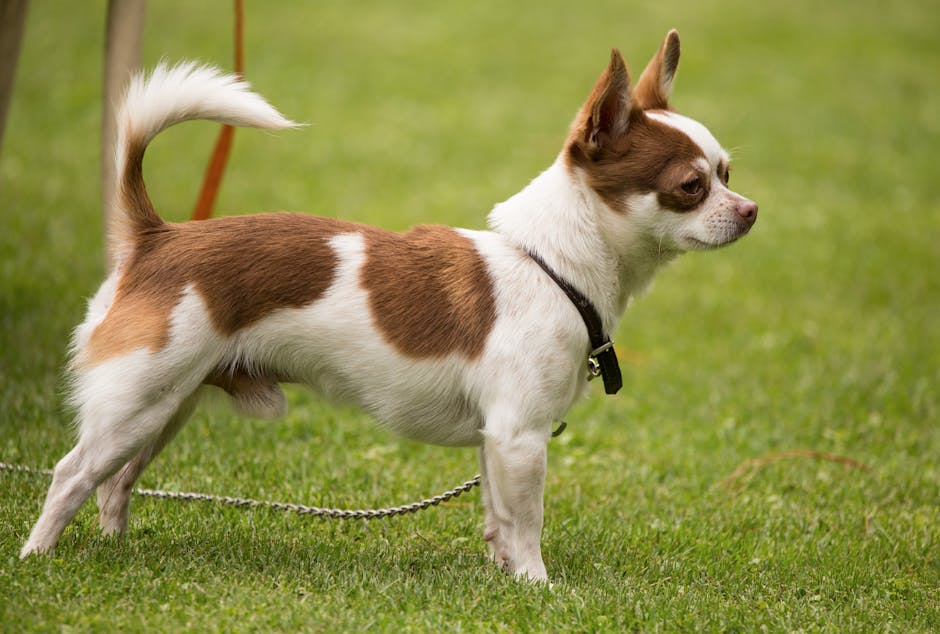
Are you eager to keep your small dog looking adorable and feeling their best? Grooming your furry friend is more than just about appearances; it's a crucial part of their health and happiness.
If you're feeling overwhelmed by the thought of trimming, bathing, and brushing, you're not alone. Many pet owners find themselves in the same boat, wondering where to start and how to make the process stress-free for their beloved pups. Here, you’ll discover simple, effective tips on how to groom small dogs.
Get ready to transform grooming time into a delightful bonding experience for both you and your pet. Don't miss out on learning how to make your dog shine, inside and out!

Credit: vocal.media
Choosing The Right Tools
Selecting the best tools for grooming small dogs ensures comfort and safety. Essential items include a gentle brush, pet-friendly shampoo, and nail clippers. These tools help maintain a clean and healthy coat, making the grooming process easier and more enjoyable for both you and your pet.
Grooming your small dog can be an enjoyable bonding experience if you have the right tools at your disposal. The right grooming tools not only make the process easier but also ensure your pup looks and feels their best. But with so many options available, how do you know which tools are essential for your furry friend? Let's dive into the specifics and explore what you need to keep your small dog looking fabulous.
Brushes And Combs
When it comes to brushes and combs, size matters. Small dogs need tools that fit their petite frames. A slicker brush is great for detangling and removing loose fur. If your dog has longer fur, a pin brush can help keep their coat silky and smooth. A metal comb is indispensable for reaching deeper into the coat and ensuring no tangles are left behind. Imagine using a large, bulky brush on a tiny poodle. It's like trying to style your hair with a broom! Opt for brushes designed for small breeds to make grooming a breeze.
Clippers And Scissors
Trimming your small dog's fur requires precision. Clippers with adjustable blades are perfect for managing different lengths and styles. A quiet motor is essential since loud noises can frighten small dogs. Curved scissors are excellent for trimming delicate areas like around the eyes and paws. Have you ever tried cutting your own hair with kitchen scissors? It doesn't end well. The same logic applies to your pup. Investing in high-quality clippers and scissors ensures a safe and even trim every time.
Nail Care Essentials
Nail care is crucial for your small dog’s health and comfort. Overgrown nails can lead to pain and potential injuries. A pair of guillotine-style nail clippers is ideal for small dogs due to their precision and ease of use. A nail file can smooth out any rough edges, preventing snags and splits. Consider the last time you had a hangnail and how irritating it was. Your dog feels the same discomfort with poorly maintained nails. Regular trimming keeps their paws healthy and happy. Choosing the right grooming tools is an investment in your dog's well-being. Do you have the essentials to make grooming a pleasant experience for both you and your pet? With the right tools, grooming transforms from a chore into a cherished time together.
Preparing Your Dog For Grooming
Grooming small dogs can be a delightful experience, but it requires a bit of preparation to ensure both you and your furry friend have a pleasant time. Preparing your dog for grooming isn't just about gathering the right tools; it's about creating an environment where your dog feels safe and relaxed. Let's dive into how you can set the stage for a successful grooming session.
Creating A Calm Environment
A peaceful setting can make a world of difference. Choose a quiet room where your dog feels comfortable. Turn off noisy appliances and consider playing soft music to soothe your pet.
Make sure the space is free of distractions. This helps your dog focus on the grooming process rather than being startled by sudden noises or movements. A calm environment can reduce anxiety and make grooming an enjoyable routine.
Familiarizing With Tools
Your dog needs to get used to the grooming tools. Lay them out and allow your dog to sniff and explore each one. Familiarity reduces fear.
Hold the brushes, clippers, and other tools around your dog without using them initially. This helps your pet associate these items with positive experiences. You might even give a treat or two during this process to create a positive connection.
Establishing A Routine
Consistency is key when establishing a grooming routine. Choose a time of day when your dog is naturally calm, perhaps after a walk or meal. Regular grooming at the same time helps your dog anticipate and accept the process.
Start with short sessions to build your dog’s tolerance. Gradually increase the time as your pet becomes more comfortable. Does your dog seem more relaxed after a grooming session? Establishing a routine could be the reason.
Preparing your dog for grooming is a crucial step that often gets overlooked. Have you ever noticed how your dog's mood shifts with your own? By setting a calm tone, familiarizing them with tools, and establishing a consistent routine, you can create a grooming experience that's enjoyable for both of you. What steps will you take today to make grooming a positive part of your dog's life?
Bathing Techniques
Grooming small dogs involves gentle bathing techniques to keep them clean and comfortable. Use lukewarm water and mild dog shampoo, ensuring a soothing experience. Carefully rinse and dry with a soft towel to avoid tangling fur.
Grooming small dogs can be a delightful bonding experience if you know the right techniques. Bathing is a crucial part of this process, ensuring your furry friend stays clean and healthy. Let’s explore some practical ways to make bath time effective and enjoyable for both you and your pup.
Selecting The Right Shampoo
Choosing the appropriate shampoo is vital for your dog's skin and coat health. Small dogs often have sensitive skin, so opt for a gentle, hypoallergenic shampoo. Look for products free from harsh chemicals and fragrances. Once, I mistakenly used my own shampoo on my terrier, and it led to dry, itchy skin. Lesson learned: always read the label and choose products designed specifically for dogs.
Water Temperature Tips
Water temperature can make or break the bath experience. Lukewarm water is ideal; too hot or too cold can make your dog uncomfortable. Test the water with your wrist before starting. Your dog should feel relaxed, not anxious, during bath time. Imagine how you would feel stepping into a shower that's too hot or cold—it’s the same for your dog.
Drying Your Dog Safely
Proper drying is as important as the bath itself. Use a soft towel to gently pat your dog dry. Avoid vigorous rubbing which can irritate their skin. If you choose to use a hairdryer, set it on a low, cool setting and keep it at a safe distance. Some small dogs, like my Chihuahua, are frightened by the noise, so it's crucial to be patient and reassuring. Consider how you would feel if a loud, hot wind suddenly blew over you—it’s quite similar for your pet. Bathing your small dog doesn't have to be a chore. With the right techniques, you can turn it into a pleasant ritual. What changes will you make during your next dog bath?
Brushing And Combing
Brushing and combing are essential for grooming small dogs, keeping their coat smooth and tangle-free. Regular grooming helps prevent matting and reduces shedding, promoting a clean and healthy appearance. Use soft brushes to gently remove loose fur and dirt, ensuring your pet feels comfortable during the process.
Grooming your small dog can feel like a bonding ritual. Among the various grooming activities, brushing and combing stand out as a crucial step. It not only keeps your dog looking their best but also ensures their skin stays healthy and free from irritants. Regular brushing helps remove loose hair and dirt while preventing painful mats and tangles. Let's dive into how you can make brushing and combing an enjoyable experience for both you and your little furry friend.
Frequency And Timing
How often should you brush your small dog? It largely depends on their coat type. Long-haired breeds might need daily brushing, while short-haired ones can do with a session once or twice a week. Timing is key. Pick a moment when your dog is relaxed, like after a play session or a meal. This ensures they associate grooming with a positive experience. Consistency in timing can help establish a routine that your dog looks forward to.
Detangling Methods
Tangles can be a nightmare, but they don't have to be. Start by gently working through any mats with your fingers before reaching for the brush. If you encounter stubborn knots, use a detangling spray to ease the process. A slicker brush works wonders for long-haired breeds, while a bristle brush is ideal for short-haired companions. Remember, patience is your best tool. Approach tangles slowly to avoid causing discomfort to your pet.
Handling Sensitive Areas
Every dog has sensitive spots, and small dogs are no exception. Areas like the belly, tail, and behind the ears require a gentle touch. Use a soft-bristled brush to navigate these zones carefully. If your dog squirms or shows signs of discomfort, take a pause. Offer a treat or a gentle pat to reassure them. Gradually, they'll learn to trust you more during these delicate moments. Have you ever noticed how your dog's demeanor changes after a good grooming session? It's like they walk with a bit more pep in their step. By mastering brushing and combing, you're not just maintaining their appearance but boosting their confidence and happiness. What small change can you make today to improve your pet's grooming routine?
Trimming And Cutting Hair
Grooming small dogs involves careful trimming and cutting of their hair. Keep the coat neat and tidy by using appropriate grooming tools. Regular grooming helps maintain their health and appearance, ensuring your furry friend looks and feels great.
Grooming small dogs can be a delightful experience when you know how to properly trim and cut their hair. With their delicate features and varied coat types, small dogs require special attention to keep their fur healthy and neat. Whether it's a playful Pomeranian or a charming Chihuahua, mastering the art of grooming can bring out the best in your furry friend.
Basic Haircuts For Small Dogs
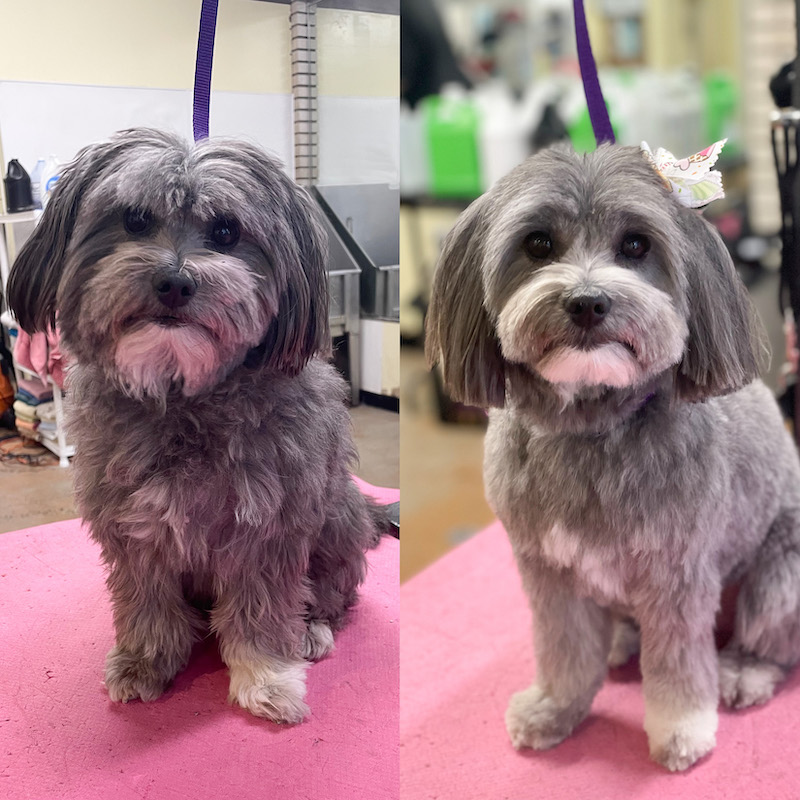
There are several basic haircuts you can give to your small dog that not only keep them looking adorable but also help maintain their hygiene. A popular choice is the puppy cut. This style involves trimming the fur to a uniform length all over the body, making it easy to manage. Another option is the teddy bear cut, which leaves the hair slightly longer around the face, creating a round, fluffy appearance. This cut is perfect for breeds like the Maltese or Shih Tzu. Have you tried experimenting with different styles to see what suits your dog best?
Safe Scissor Techniques
Using scissors safely is crucial to prevent accidents and ensure your dog's comfort. Always use sharp, high-quality grooming scissors. Dull blades can tug at the hair, causing discomfort. When trimming, hold the scissors parallel to the skin and make small, gentle cuts. This approach minimizes the risk of cutting too close to the skin. Practice makes perfect, so take your time and be patient. Have you considered enrolling in a grooming workshop to hone your skills?
Dealing With Matted Fur
Matted fur can be a common issue in small dogs, especially those with longer coats. To tackle this, start by gently detangling the area with your fingers or a wide-toothed comb. Use a detangling spray to loosen stubborn knots. If the mats are severe, carefully cut them out using scissors. Be extra cautious not to pull on the skin. Regular brushing can prevent mats from forming. How often do you brush your dog to keep their coat smooth and tangle-free? Remember, grooming is more than just aesthetics; it's a chance to bond with your pet. Embrace the process and enjoy the transformation!
:max_bytes(150000):strip_icc():focal(749x0:751x2)/pet-grooming-coronavirus-3e6e67fedd7842dd81baf0c469eaf2f2.jpg)
Credit: people.com
Nail And Paw Care
Grooming small dogs requires special attention to nail and paw care. Trim nails carefully to avoid discomfort. Regularly check paws for dirt and debris.
Grooming small dogs can be a delightful bonding experience. However, it's essential to pay special attention to nail and paw care. These areas are often overlooked but are crucial for your dog's comfort and health. Proper nail trimming and paw maintenance not only prevent discomfort but also help your furry friend stay active and playful.
Proper Nail Trimming
Dog nails can grow quickly and curl into the pads if not trimmed regularly. This can cause pain and difficulty walking. Trim nails every few weeks using a dog-specific nail clipper. Make sure you avoid the quick, which is the part of the nail that contains blood vessels. If you're unsure, you can always ask your vet for guidance. Many dog owners have found that their pets respond better to trimming after a walk when they’re calmer. Have you tried using treats to make the experience positive?
Paw Pad Maintenance
Your dog's paw pads are their natural shock absorbers, but they can become dry or cracked over time. Regularly check the pads for any roughness or debris. You can apply a paw balm to keep them soft and hydrated. This is especially important during extreme weather conditions. Consider how your dog reacts to different surfaces. Do they seem uncomfortable on hot pavements or icy walkways?
Checking For Injuries
Small dogs are curious explorers, sometimes venturing into thorny bushes or rocky terrain. Regularly inspect their paws for cuts or splinters. Even minor injuries can become infected if not treated. Clean any wounds with antiseptic wipes and consult your vet if necessary. Have you noticed your dog limping or favoring a paw? This might be a sign of an injury that needs attention. Incorporating these simple steps into your grooming routine can make a huge difference in your dog's comfort and happiness. Have you noticed how much livelier your pet becomes when their paws are healthy?
Dental Hygiene
Keeping your small dog's teeth clean is vital. Dental hygiene affects their overall health. Poor dental care can lead to serious issues. These include gum disease and tooth loss. Regular dental care will ensure your pet's comfort and longevity. Below are some essential tips for maintaining your dog's dental health.
Brushing Techniques
Start by using a small, soft-bristled toothbrush. Hold it at a 45-degree angle. Gently brush in small circles. Focus on the gum line. This helps remove plaque effectively. Aim to brush your dog's teeth daily. Make it a routine to ensure success. Be patient and give treats as rewards. Positive reinforcement encourages cooperation.
Choosing Dental Products
Pick toothpaste made for dogs. Human toothpaste can harm them. Dog toothpaste comes in flavors they love. Choose one your dog enjoys. Consider dental chews as a supplement. They help reduce tartar. Look for products approved by veterinarians. Read labels carefully before purchase. Quality products ensure better oral health.
Preventing Oral Health Issues
Regular vet check-ups are crucial. Schedule dental exams at least once a year. Early detection prevents severe problems. Provide a balanced diet for your dog. This supports strong teeth and gums. Avoid giving them sugary treats. Sugar can cause cavities and decay. Encourage safe chew toys. They help maintain healthy teeth.
Credit: www.positiveapproachdogtraining.com
Ear And Eye Care
Grooming small dogs requires special attention to their ears and eyes. Gently clean around the eyes to remove debris. Regularly check their ears for dirt or wax.
Grooming small dogs involves more than just brushing their fur and trimming their nails. Paying close attention to their ear and eye care is essential for their overall health. Small dogs are often prone to infections and irritations in these sensitive areas. Regular care can help prevent these issues, ensuring your furry friend stays happy and healthy.
Cleaning Ears Safely
Cleaning your dog's ears doesn't have to be a daunting task. Use a gentle ear cleaner specifically designed for dogs. Apply a few drops into their ear canal and gently massage the base of their ear. This helps loosen any dirt or wax. Use a soft cotton ball to wipe away the debris. Avoid using cotton swabs as they can push debris further into the ear. Do you remember the last time your dog shook their head repeatedly? That might be a sign of discomfort. Regular ear cleaning can prevent such discomfort and even infections.
Maintaining Clear Eyes
Your dog's eyes should be bright and clear. Wipe away any discharge with a damp, clean cloth. Tear stains are common in small dogs, especially those with light-colored fur. Use a tear stain remover to gently clean these areas. Ensure the product is safe and made for dogs. Observe your pet's eyes daily. Any redness or excessive tearing could be a sign of irritation. Quick attention can prevent more serious problems.
Recognizing Infections
Knowing what to look for can save your dog from discomfort. Redness, swelling, or a foul smell from the ears may indicate an infection. Similarly, if your dog frequently paws at their eyes or squints, it might be time for a vet visit. Discharge that's yellow or green is also a red flag. How often do you check your dog's ears and eyes? Regular inspections can make all the difference. Early detection of infections means quicker treatment and less stress for your dog. Caring for your small dog's ears and eyes is crucial. These simple steps can enhance their quality of life and ensure they're always ready for their next adventure. Remember, a little attention goes a long way in preventing potential health issues.
Handling Grooming Challenges
Grooming small dogs requires patience and gentle care. Use the right tools to manage their delicate fur. Regularly brush and bathe to keep them clean and healthy. Pay attention to nails and ears for a complete grooming routine.
Handling grooming challenges with small dogs can be tricky. These little companions often react with anxiety or aggression during grooming sessions. Understanding their behavior and knowing the right techniques can make the process smoother. Below, explore strategies to address these common grooming challenges.
Dealing With Anxiety
Small dogs often feel anxious during grooming. They might shake or hide. You can help ease their fear. Start by creating a calm environment. Use soft music and gentle words. Introduce grooming tools slowly. Let them sniff and explore each item. Reward them with treats for being calm. Short, regular grooming sessions can build confidence.
Managing Aggressive Behavior
Some small dogs show aggression during grooming. They might growl or snap. It's important to stay calm. Never punish aggressive behavior. Instead, use positive reinforcement. Praise them for calm behavior. Keep sessions short to avoid stress. If they show aggression, stop and try again later. Use a muzzle if necessary for safety.
Seeking Professional Help
Grooming challenges can sometimes be overwhelming. Professional groomers know how to handle difficult situations. They have experience with anxious and aggressive dogs. Visiting a groomer can be a great option. They use safe techniques and tools. If you struggle with grooming, consider professional help. It can make a big difference for you and your pet.
Seasonal Grooming Tips
Grooming small dogs requires special attention through the changing seasons. Different weather conditions demand unique grooming practices to ensure your pet's comfort. Each season brings its own challenges. Being prepared can make the grooming process easier and more effective. Here are some essential seasonal grooming tips to keep your small dog looking and feeling great all year round.
Adjusting For Weather Changes
Weather changes affect your dog's grooming needs. In colder months, consider leaving their coat a bit longer for warmth. Use a gentle shampoo to avoid dry skin during the winter. In the summer, a shorter cut can help keep them cool. Regular baths with a cooling shampoo can soothe their skin in the heat.
Dealing With Shedding
Shedding varies with the seasons. During spring and fall, shedding increases as dogs prepare for temperature changes. Brush your dog more often during these times to manage loose fur. Use a de-shedding tool to help reduce the amount of hair around your home. In other seasons, a regular brushing schedule helps maintain their coat.
Protecting Against Parasites
Parasites like fleas and ticks are more active in warmer months. Use preventive treatments to protect your dog from these pests. Regular grooming helps you spot any signs of parasites early. Check their ears, belly, and tail areas carefully. Ensure you use vet-recommended products for parasite prevention. Keeping your dog's fur clean and trimmed discourages parasites from settling in.
Frequently Asked Questions
How Often Should I Groom My Small Dog?
Small dogs typically need grooming every 4-6 weeks. Regular grooming keeps their coat healthy and reduces shedding. Depending on your dog's breed, you might need more frequent grooming. Always pay attention to their nails, ears, and teeth. Regular grooming sessions also help monitor your dog's overall health and well-being.
What Tools Are Best For Grooming Small Dogs?
Use a slicker brush for detangling and removing loose hair. A comb helps with precision grooming. Clippers are essential for trimming hair. Nail clippers keep nails short and tidy. Ear cleaning solutions and toothbrushes are also necessary for maintaining ear and dental hygiene.
Always choose dog-safe products.
How Can I Calm My Dog During Grooming?
Create a calm environment with soothing music or silence. Start grooming after exercise, when your dog is relaxed. Offer treats and praise to encourage good behavior. Use gentle tools and movements to avoid discomfort. Gradually introduce grooming routines to help your dog become accustomed to the process.
Can I Groom My Small Dog At Home?
Yes, you can groom your small dog at home. Start with basic tools like brushes, combs, and nail clippers. Follow online tutorials for guidance. Regular practice improves your skills and confidence. However, for complex grooming tasks, consider visiting a professional groomer for expert care.
Conclusion
Grooming small dogs can be a joyful experience. This task keeps them clean and healthy. It's important to choose the right tools and techniques. Regular brushing prevents tangles and matting. Bathing should be gentle to avoid stress. Nail trimming needs careful attention.
Also, check ears and eyes for any issues. Patience is key. Make grooming a bonding time. Reward your dog with treats and praise. They'll feel loved and cared for. Always consult a vet for guidance. Proper grooming enhances their happiness.
Keep it simple, and enjoy the process. Your furry friend deserves the best care.


