

Imagine the joy of watching your furry friend strut around, looking and feeling their best. Grooming your dog yourself is not just a way to save money; it's a beautiful opportunity to bond with your pet.
You might wonder if it's possible to achieve professional results at home. The truth is, with a bit of guidance and the right tools, you absolutely can. You'll discover step-by-step tips and tricks that make the grooming process easy, enjoyable, and stress-free for both you and your dog.
Whether you're a seasoned pet owner or new to the world of dog grooming, this guide will give you the confidence and skills you need. Stick with us, and you'll soon see why grooming your dog yourself is a rewarding experience you won't want to miss.

Credit: www.tiktok.com
Grooming Essentials
Grooming your dog at home can be rewarding. Regular brushing keeps fur neat and reduces shedding. Bathing with gentle products ensures a clean coat and healthy skin. Trim nails carefully to prevent discomfort.
Grooming your dog at home can be a rewarding experience, both for you and your furry friend. Understanding the grooming essentials can make the task easier and more enjoyable. It's not just about keeping your dog looking good; it's about maintaining their health and happiness. Whether you're a first-timer or looking to improve your skills, having the right tools and setting up a comfortable grooming space is crucial.
Tools And Supplies
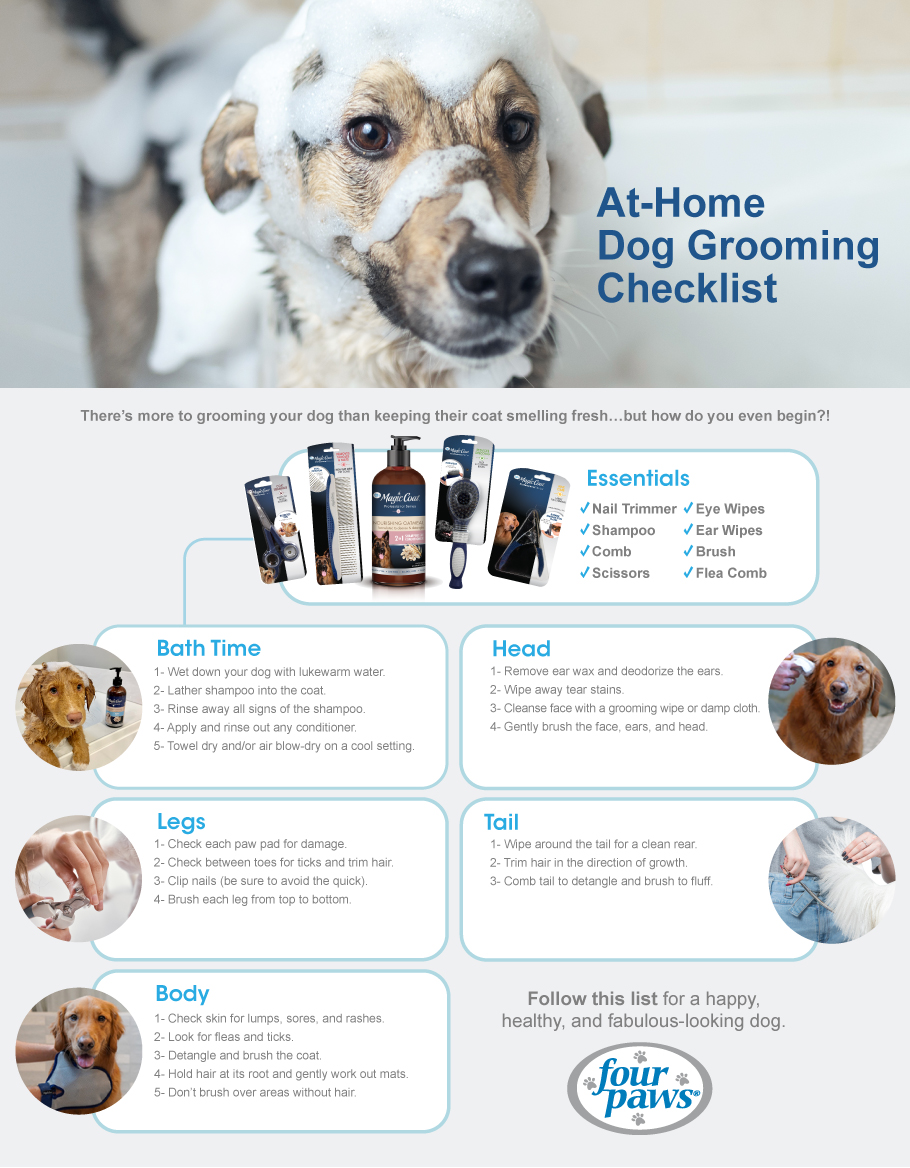
Having the right tools makes all the difference. A quality brush is essential for removing loose hair and preventing tangles. Choose a brush that suits your dog's coat type. For instance, a slicker brush works well for long-haired breeds, while a bristle brush is great for short-haired dogs. Nail clippers are another must-have. Trimming your dog's nails regularly prevents discomfort and potential injuries. Consider using a grinder if you’re worried about cutting too close to the quick. Don’t forget a good pair of scissors for trimming around sensitive areas like the eyes and paws. These essentials, along with dog-friendly shampoo and a towel, form the backbone of your grooming kit.
Setting Up A Grooming Space
Creating a dedicated grooming area in your home can make the process smoother and more efficient. Choose a space that is easy to clean and has good lighting. A bathroom or laundry room often works well. Ensure the space is safe and free from distractions. If your dog is nervous, try playing soft music to create a calming atmosphere. Remember, grooming should be a bonding experience, not a stressful one. A non-slip mat is a good addition, especially if you're using a raised surface like a table. This prevents your dog from slipping and helps them feel secure. Are you ready to transform a corner of your home into a grooming haven? With the right setup, you’ll find the experience more enjoyable for both you and your dog.
Brushing Techniques
Regular brushing keeps your dog's coat healthy. It removes dirt and prevents tangles. Each dog breed has different grooming needs. Understanding brushing techniques is crucial. It ensures comfort and health for your pet.
Choosing The Right Brush
The right brush depends on your dog's coat type. Slicker brushes are great for removing tangles. They work well on long-haired breeds. Bristle brushes suit short-haired dogs. They keep the coat smooth and shiny. For dogs with thick coats, consider an undercoat rake. It helps remove loose fur effectively.
Brushing Short And Long Coats
Short coats need gentle, regular brushing. Use a bristle brush for best results. It helps distribute natural oils evenly. Long coats require more effort. Use a slicker brush to untangle knots. Start from the roots and move to the tips. Pay extra attention to areas prone to matting. Behind the ears and under the legs are common spots.
Bathing Your Dog
Bathing your dog can be a joyful bonding experience. It keeps your pet clean and healthy. Regular baths help remove dirt and odors. They also keep your dog's coat shiny and skin healthy. Knowing how to bathe your dog properly is important. It ensures their comfort and safety during the process.
Selecting Dog-friendly Shampoo
Choosing the right shampoo is essential. Not all shampoos suit every dog. Dog skin is sensitive. Human shampoos can irritate their skin. Look for dog-friendly shampoos. These are gentle and specially formulated. They maintain the natural oils in your dog's coat. Some shampoos target specific needs. For example, sensitive skin or flea control. Read the labels carefully. Consult your vet if unsure.
Drying Methods
Drying your dog properly is crucial. Wet fur can lead to discomfort. It may also cause skin issues. Use a clean towel to pat your dog dry. Avoid rubbing too hard. It can tangle their fur. For thick coats, a hairdryer can help. Use a low heat setting. Keep the dryer moving. Never focus on one spot for too long. Be sure your dog is fully dry. Moisture left in the coat can cause problems.
Nail Care
Keeping your dog's nails trimmed is an essential part of their grooming routine. Regular nail care not only prevents painful overgrowth but also keeps your furry friend comfortable and healthy. You might think trimming your dog's nails is daunting, but with the right tools and techniques, it can be a simple and stress-free task. Let’s dive into the details of nail care, focusing on the tools you need and how to avoid common mistakes.
Trimming Tools
Having the right tools makes all the difference when it comes to nail trimming. A good pair of clippers is essential. You can choose between scissor-style clippers or guillotine-style clippers, depending on what you and your dog find more comfortable.
Consider investing in a nail grinder for smooth edges. This tool can be particularly useful if your dog is nervous about clippers. It's quieter and gentler, making the experience less scary.
Don’t forget the styptic powder or pen. In case you accidentally cut too close, this will stop the bleeding fast, easing both your and your dog’s anxiety. Have it handy before you start trimming.
Avoiding Painful Mistakes
One of the biggest fears with nail trimming is cutting too close to the quick. This can be painful for your dog and cause bleeding. Knowing the anatomy of the nail is crucial. The quick is the pink area visible in lighter nails, containing blood vessels and nerves.
If your dog has darker nails, use a flashlight to help identify the quick. Trim cautiously and in small increments. This method not only reduces the risk of cutting too close but also helps your dog get used to the sensation.
Timing is everything. Choose a time when your dog is calm, perhaps after a walk or play session. Reward them with treats and praise to make the experience positive. Have you tried singing your dog's favorite song while trimming? It might sound silly, but it could ease their nerves and yours, turning nail care into bonding time.
Have you ever considered why your dog's nails are so long? It might be because they aren't walking on hard surfaces enough. Regular walks on pavement naturally wear down nails, reducing the frequency of trims. Could this be a helpful addition to your routine?
Nail care is an essential part of your dog's grooming routine. By using the right tools and techniques, you can ensure this task is pain-free and positive, strengthening the bond between you and your dog.
Ear Cleaning
Cleaning your dog's ears is important for their health. Dogs' ears can collect dirt and wax. This can lead to infections. Regular ear cleaning prevents these problems. It also keeps your dog comfortable and happy. Ear cleaning does not have to be hard. With the right supplies and steps, you can do it yourself.
Necessary Supplies
You need a few items to clean your dog's ears. Use a good ear cleaning solution made for dogs. It is gentle and effective. You also need cotton balls or pads. These help remove dirt and wax. Do not use cotton swabs. They can hurt your dog's ear. A towel can catch spills. Keep treats nearby to reward your dog.
Safe Cleaning Practices
Start by making your dog comfortable. Pet them and speak softly. Hold the ear flap up and check inside. If it is red or smells bad, see a vet. Pour the cleaner into the ear. Massage the base of the ear gently. This helps the solution reach inside. Let your dog shake its head. This will loosen dirt and wax. Use a cotton ball to wipe out the ear. Do not go too deep. Reward your dog with a treat and praise.

Credit: www.youtube.com
Dental Hygiene
Keeping your dog's teeth clean is vital for their health. Plaque build-up can lead to gum disease. Bad breath is also a sign of poor dental care. Regular brushing helps prevent these issues. It keeps your dog's mouth healthy. Let's explore how to maintain your dog's dental hygiene.
Dog Toothpaste Options
Not all toothpaste is safe for dogs. Human toothpaste contains fluoride. This can be toxic to dogs. Choose a toothpaste made for dogs. These are safe and often taste like chicken or beef. Your dog will enjoy the flavor. This makes brushing easier and more pleasant.
Brushing Techniques
Start by letting your dog taste the toothpaste. This helps them get used to it. Use a soft-bristled brush for gentle cleaning. Hold the brush at a 45-degree angle. Brush in small circles. Focus on the gum line. This is where plaque builds up. Brush each side for about 30 seconds. Praise your dog during and after brushing. This makes the experience positive.
Coat Trimming
Grooming your dog at home can be rewarding. It strengthens the bond between you and your furry friend. Coat trimming is an essential part of dog grooming. It helps maintain your dog's health and appearance. You can trim your dog's coat by yourself with the right tools and techniques.
Choosing Clippers
Choosing the right clippers is crucial for coat trimming. Not all clippers suit every dog. Consider your dog's coat type and length. Select clippers designed for your dog's specific needs. Look for clippers with adjustable blades for different coat lengths. Ensure they are easy to handle for a comfortable grip.
Basic Trimming Tips
Start with a clean, dry coat. Brush your dog to remove tangles before trimming. Use gentle strokes and avoid rushing. Trim in the direction of hair growth for a natural look. Take breaks if your dog gets restless. Reward your dog with treats for good behavior.
Dealing With Fleas And Ticks
Grooming your dog can help manage fleas and ticks. Regular brushing removes pests and keeps the coat clean. Bathing with pet-safe shampoo reduces the risk of infestation, ensuring your dog stays healthy and comfortable.
Dealing with fleas and ticks is an essential part of grooming your dog. These pesky parasites not only make your furry friend uncomfortable but can also lead to serious health issues. Tackling them requires a combination of preventive measures and effective treatment solutions. Let’s break it down to ensure your beloved pet stays itch-free and healthy.
Preventive Measures
Prevention is always better than cure, especially when it comes to fleas and ticks. Regularly checking your dog for signs of these parasites is crucial. Make it a habit to inspect their fur, especially after outdoor activities. Consider using flea and tick collars. They release a continuous chemical that deters these pests. Some dog owners swear by their effectiveness, sharing stories of how these collars helped keep their pets flea-free for months. Keep your home environment clean. Vacuum carpets, wash pet bedding frequently, and maintain a tidy garden. Fleas and ticks often thrive in cluttered spaces and overgrown gardens.
Treatment Solutions
If your dog already has fleas or ticks, prompt action is necessary. Over-the-counter flea shampoos and sprays can be a quick fix. Ensure you follow the instructions carefully for the best results. Oral medications prescribed by your vet can be a more potent solution. These are usually given monthly and work by making your dog’s blood toxic to fleas and ticks. For ticks, a tick remover tool can be very handy. You want to ensure the entire tick is removed to prevent infection. Once, I found a tick on my dog during a hiking trip. The tool helped remove it swiftly, leaving my dog safe and sound. Have you ever noticed how persistent fleas can be? Sometimes, a combination of treatments is necessary. You might need to use both topical treatments and oral medications. Ultimately, your dog’s comfort and health should be a priority. Taking the time to groom them carefully and manage pests like fleas and ticks will ensure they lead a happy, itch-free life. What methods have you found most effective in dealing with these unwelcome guests?
Handling Nervous Dogs
Grooming a nervous dog at home requires patience and calmness. Create a soothing environment with familiar scents. Use gentle strokes and speak softly to ease their anxiety.
Handling nervous dogs during grooming can be challenging. Many dogs feel anxious around grooming tools and unfamiliar environments. Understanding their behavior is crucial for a stress-free experience. This guide will help you manage nervous dogs during grooming at home.
Creating A Calm Environment
A calm environment soothes nervous dogs. Keep the grooming area quiet. Soft music or nature sounds can help. Remove distracting items from the space. Familiar objects like toys or blankets are comforting. They remind your dog of safety and home. Use a steady, calm voice when talking to your dog. Your tone affects their mood. Speak gently and maintain a relaxed posture. Dogs respond to your energy. Ensure your presence is reassuring.
Using Positive Reinforcement
Positive reinforcement encourages good behavior. Praise your dog for calmness. Use treats to reward them. Treats motivate dogs to stay calm during grooming. Choose bite-sized, soft treats. They are easy to eat while grooming. Introduce grooming tools slowly. Let your dog sniff each tool. Reward them for staying calm. This builds a positive association with grooming. Break grooming into short sessions. Long sessions overwhelm nervous dogs. Short, frequent grooming keeps them relaxed. Always end with praise or a treat.
Credit: www.fourpaws.com
Scheduling Regular Grooming
Regular grooming keeps your dog clean and healthy. Brush fur weekly to avoid tangles and mats. Trim nails monthly for comfort and health.
Grooming your dog is more than just keeping them clean; it's a bonding experience that can improve their health and happiness. Scheduling regular grooming is vital to maintain their well-being and keep your home free of loose fur and pet dander. It's about finding a rhythm that suits both you and your furry friend. But how often should you groom your dog, and what signs indicate it's time for another session?
Frequency Recommendations
How often should you groom your dog? The answer depends on your dog's breed, coat type, and personal needs. Short-haired breeds might only need grooming every few weeks, while long-haired breeds may require weekly attention. Consider your dog's lifestyle. If they love outdoor adventures, they might need more frequent baths and brushing. Reflect on your schedule. Can you set aside consistent time each week for grooming? This routine is essential to prevent mats and skin issues.
Signs Your Dog Needs Grooming
Does your dog seem more itchy than usual? Excessive scratching can be a sign they need a grooming session. Notice any unpleasant smells? A foul odor might mean it's time for a bath. Look at their coat. Is it looking dull or feeling rough? Regular brushing can restore shine and softness. Pay attention to their nails. Are they clicking on the floor? Long nails can be uncomfortable and need trimming. Regular grooming is not just a chore; it’s a chance to check in on your pet’s health. How does your dog react to grooming? Some dogs love it, while others might be a bit hesitant. Find what works for you and your pet, and stick with it.
Frequently Asked Questions
How Often Should I Groom My Dog At Home?
Groom your dog every 4-6 weeks, depending on its breed and coat type. Regular grooming helps maintain coat health, reduces shedding, and prevents matting. It also helps you detect any skin issues early. Always tailor grooming frequency to your dog's specific needs and lifestyle.
What Tools Do I Need For Dog Grooming?
You need a brush, comb, nail clippers, scissors, and shampoo for grooming. Choose tools suitable for your dog's coat type. A slicker brush works for most breeds, while a dematting tool helps with tangles. High-quality shampoo keeps their skin healthy and coat shiny.
How Do I Safely Trim My Dog's Nails?
Use a dog nail clipper and trim a small portion at a time. Avoid cutting the quick, a sensitive area that can bleed. If unsure, trim just the tips. Regularly trimming helps keep nails short and prevents discomfort or injury.
Can I Groom My Dog Without Professional Help?
Yes, you can groom your dog at home with the right tools and knowledge. Start by researching your dog's specific grooming needs. Follow tutorials and guides for techniques. Regular practice builds confidence and strengthens your bond with your pet.
Conclusion
Grooming your dog at home is rewarding and cost-effective. It strengthens your bond and keeps your pet healthy. Start with simple tasks like brushing and nail trimming. Gradually, try bathing and ear cleaning. Safety comes first, so use the right tools.
Be gentle to avoid stress for your dog. Regular grooming helps spot health issues early. Practice makes perfect; you'll get better with time. Enjoy the process and cherish this time with your furry friend. Happy grooming!


