Are you ready to take your dog's health to the next level with a raw food diet? You're not alone.
More pet owners are turning to raw feeding for its potential health benefits, but there's one thing that often holds them back: how to measure raw food for dogs accurately. If you're struggling with this, you're in the right place.
This article will guide you through the process, ensuring your furry friend gets the right amount of nutrition without the stress and guesswork. By the end of this read, you'll feel confident and empowered to nourish your dog with precision. So, let's dive in and discover the secrets to perfect portioning for your beloved pet.
Understanding Raw Food Diet For Dogs
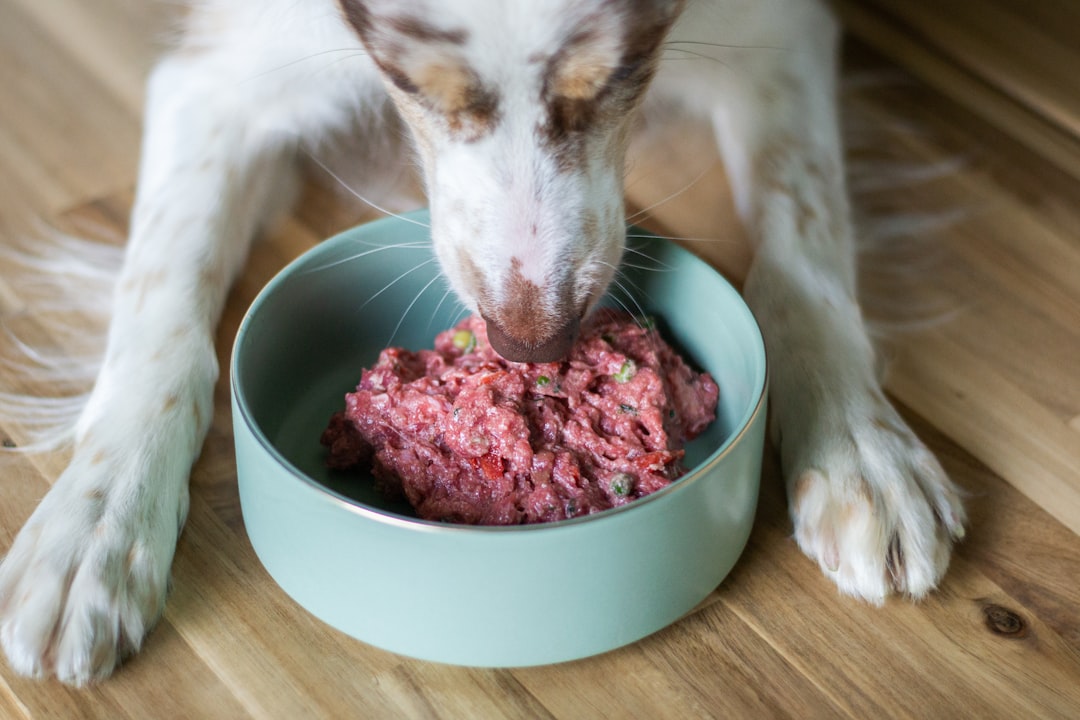
A raw food diet for dogs mimics what their ancestors ate. This diet includes raw meat, bones, fruits, and vegetables. Many dog owners believe it benefits their pets' health. They think it improves coat quality, energy levels, and digestion. Transitioning your dog to this diet requires knowledge and preparation. Understanding how to measure portions is vital. It ensures your dog gets the right nutrients.
What Is A Raw Food Diet?
This diet consists of uncooked and unprocessed ingredients. Raw meat is the main component. It often includes organ meats, bones, and muscle meat. Vegetables and fruits provide essential vitamins. It avoids grains and processed foods.
Benefits Of A Raw Food Diet
Proponents say it leads to shinier coats and healthier skin. Dogs may have higher energy levels. Their teeth might also be cleaner. Some dogs experience fewer allergies. Owners notice better stool quality.
Risks And Considerations
Feeding raw food comes with risks. Improper handling can lead to bacterial infections. It’s crucial to balance nutrients. Overfeeding can cause weight issues. Consulting a vet ensures safe implementation.
How Much Raw Food To Feed Your Dog
Portion sizes depend on your dog's weight and activity level. Typically, dogs eat 2-3% of their body weight daily. Puppies and active dogs may need more. Monitor your dog's weight and adjust portions as needed.

Credit: www.k9sovercoffee.com
Benefits Of Raw Feeding
Raw feeding offers many benefits for dogs. It mimics their natural diet. This approach can enhance their health and vitality. Many dog owners notice a positive change. Their pets often have more energy. Coats become shinier, and teeth cleaner. A balanced raw diet provides essential nutrients. Below, explore the key benefits of raw feeding.
Improved Digestion
Raw food supports better digestion in dogs. It contains natural enzymes. These enzymes aid in breaking down food. Dogs digest raw food more easily. Less processed ingredients mean fewer digestive issues. Stomach upsets often decrease. This leads to happier pets.
Healthier Skin And Coat
Raw feeding can enhance skin health. It often results in a shinier coat. Essential fatty acids in raw meat help. They support skin hydration. Dogs tend to shed less. Their coat becomes soft and lustrous.
Cleaner Teeth And Fresher Breath
Raw diets can improve dental health. Chewing raw bones helps clean teeth. It reduces plaque buildup. Fresher breath often follows. Many dog owners report healthier gums. Regular dental issues can decrease.
Increased Energy Levels
Dogs on raw diets may feel more energetic. High-quality protein provides fuel. It supports muscle growth and repair. Many dogs become more active. They enjoy longer play sessions. This can improve their overall well-being.
Essential Nutrients For Dogs
Feeding your dog a raw food diet can be a rewarding journey, but it's crucial to ensure they get all the essential nutrients needed for a healthy and active life. Just like humans, dogs require a balanced diet to thrive. But what exactly are these nutrients, and how can you ensure your pup gets them?
Protein: The Building Block
Protein is vital for your dog's growth, muscle development, and overall health. It provides the necessary amino acids that dogs can't produce on their own. When measuring raw food, consider using lean meats like chicken, beef, or fish. These sources are not only rich in protein but also easy for your dog to digest.
Fats: The Energy Source
Fats are another critical component, providing your dog with energy and supporting cell function. Raw diets often include healthy fats from fish oils or animal fats. You might wonder how much fat is enough. A good rule of thumb is to aim for a diet comprising about 10-20% fat.
Vitamins And Minerals: The Health Boosters
Vitamins and minerals support various bodily functions, from bone health to immune support. A raw food diet can be rich in these nutrients if you include a variety of organ meats, bones, and vegetables. Have you ever thought about adding carrots or spinach to your dog's meal? These are excellent sources of vitamins and can make a big difference in your dog's health.
Carbohydrates: The Fiber Providers
While not as crucial as proteins and fats, carbohydrates can provide fiber, aiding digestion. Some raw food proponents include small amounts of fruits and vegetables to supply these carbs. Think about adding a few blueberries or pumpkin pieces; they’re not only tasty but also beneficial for digestion.
When measuring raw food for your dog, it's essential to balance these nutrients carefully. Have you ever tried keeping a food journal for your dog? It can help you track the nutrients they consume and ensure they're getting everything they need. Taking the time to understand and provide these essential nutrients can lead to a healthier, happier life for your furry friend. How will you enhance your dog's diet today?

Credit: keepthetailwagging.com
Choosing The Right Ingredients
Selecting the right ingredients ensures balanced nutrition for your dog. Accurately measure raw food using scales or measuring cups. Keep portions consistent to maintain health and energy levels.
Choosing the right ingredients for your dog's raw food diet is crucial. It's like setting the foundation for their health and happiness. You want to ensure every bite they take is packed with the right nutrients. But how do you decide which ingredients are best? Let's dive into some key considerations that will help you make informed choices.
Selecting High-quality Proteins
Protein is the cornerstone of your dog's raw food diet. Look for fresh meats like chicken, beef, or turkey. Always opt for lean cuts to keep fat levels in check. When I started feeding my dog raw food, I noticed he responded better to a mix of chicken and turkey. His coat became shinier, and his energy levels soared. Have you observed how your dog reacts to different proteins?
Incorporating Fresh Vegetables
Vegetables add essential vitamins and minerals to your dog's diet. Choose veggies like carrots, spinach, and broccoli. They should be raw or lightly steamed to preserve nutrients. Once, I added raw carrots to my dog's meal, and he loved the crunch. It was a simple way to boost his vitamin A intake. Have you tried introducing new veggies to your dog's meals?
Balancing Fats
Fats are important for energy and healthy skin. Include sources like fish oil or flaxseed oil in moderate amounts. I remember worrying about adding too much fat, but using a small amount of fish oil made a huge difference in my dog's coat. What kind of fats does your dog enjoy?
Ensuring Adequate Calcium
Calcium is vital for strong bones and teeth. Consider adding bone meal or ground eggshells. When I started using ground eggshells, I was surprised at how easy it was to boost calcium intake. It's a simple addition that packs a punch. How do you ensure your dog gets enough calcium?
Considering Organ Meats
Organ meats like liver and kidney are nutrient-dense. They should make up a small portion of the diet. I discovered that my dog adored liver, but I had to be careful not to overdo it. It's about finding that balance. Have you explored organ meats in your dog's meals? Choosing the right ingredients is an ongoing process. It requires observation and adjustments based on your dog's needs. What changes have you made to your dog's diet that made a noticeable difference?
Tools For Measuring Raw Food
Accurate measurement of raw food for dogs involves using kitchen scales and measuring cups. These tools ensure portion sizes fit your dog's dietary needs. Proper measurement supports their health and well-being.
Feeding your dog a raw food diet can be a rewarding experience, but ensuring you're providing the right amount of food is crucial. The tools you use to measure raw food play a significant role in maintaining your dog's health. Let's dive into some practical tools that make measuring raw food easy and precise.
Digital Kitchen Scale
A digital kitchen scale is essential for measuring raw food accurately. It provides precise measurements, ensuring you give your dog the exact portion they need. You might be surprised how a little over or under can affect your pet's weight and health.
Measuring Cups And Spoons
While digital scales are great for weight, measuring cups and spoons help with volume. They're handy for ingredients like oils or small portions of supplements. Keep a dedicated set for your pet to avoid cross-contamination with human food.
Portion Control Containers
These containers are perfect for prepping meals in advance. You can allocate specific amounts of food per meal, making feeding time quicker and more organized. Imagine having a busy morning, and all you need is to grab a container from the fridge.
Food Processor Or Grinder
For those preparing homemade raw meals, a food processor or grinder can break down larger cuts of meat. This ensures consistency in texture and makes mixing other ingredients easier. It also helps if your dog prefers a finer texture.
Meat Thermometer
While not directly a measuring tool, a meat thermometer helps ensure food safety. Raw food should be stored at safe temperatures to prevent spoilage. Knowing your storage methods are effective gives peace of mind. Are you using the right tools to measure your dog's meals? The right tools can make a difference in maintaining your dog's health and happiness. Share your thoughts or experiences with other readers in the comments below.
Calculating Daily Food Requirements
Determining the right amount of raw food for dogs involves understanding their age, weight, and activity level. Calculate based on 2-3% of the dog’s body weight, adjusting for energy needs. Ensure balanced nutrition by including proteins, fats, and essential vitamins in their meals.
Feeding your dog a raw food diet can be an exciting journey, but it requires precision to ensure they're getting the right nutrients in the right amounts. Calculating daily food requirements is essential to maintaining their health and vitality. It might seem daunting at first, but with a few simple steps, you'll feel confident in feeding your furry friend exactly what they need.
Understanding Your Dog's Needs
Every dog is unique, and their food requirements can vary based on age, weight, breed, and activity level. Puppies, for instance, need more nutrients as they grow, while older dogs might need less due to lower activity levels. Assessing your dog's individual needs is the first step in calculating their daily food intake.
Using Weight As A Guide
A common rule of thumb is to feed your dog 2-3% of their ideal body weight in raw food daily. If your dog weighs 50 pounds, aim to provide around 1-1.5 pounds of raw food. Keep an eye on your dog's weight and adjust as necessary. If they start gaining or losing weight, tweak the food amount accordingly.
Activity Level Matters
Active dogs may require more calories to fuel their energy, while more sedentary dogs might need less. Think about how often your dog exercises. Do they love long walks or prefer lounging on the couch? Tailor their food intake to match their energy expenditure.
Balancing Nutrients
Balance is key. It's not just about the quantity; quality matters too. Ensure a mix of proteins, fats, and carbohydrates. Include meats, organs, and bones for a well-rounded diet. You wouldn't want to eat only one type of food every day, so why should your dog?
Tracking Progress
Monitor your dog's health, coat condition, and energy levels. Are they thriving or showing signs of fatigue? Regularly check their weight and adjust their diet accordingly. A simple spreadsheet or journal can help track changes over time, making it easier to spot trends.
Consulting With A Professional
When in doubt, seek advice from a vet or canine nutritionist. They can provide guidance tailored to your dog's specific needs. Have you ever been unsure about your own diet choices? A professional's input can be invaluable. Calculating daily food requirements might seem complex, but with careful observation and adjustment, you'll master it. Have you noticed any changes in your dog's behavior or health with diet changes? Share your experiences and learn from others. Your dedication to your dog's health can lead to both of you enjoying happier, healthier days.
Step-by-step Measuring Process
Begin by selecting fresh, high-quality ingredients suitable for dogs. Use a kitchen scale to weigh each item accurately. Ensure portions match your dog's dietary needs for balanced nutrition.
Feeding your dog raw food involves more than just tossing a handful of ingredients into a bowl. It's about understanding their nutritional needs and ensuring they get the right portion sizes. Measuring raw food is crucial for maintaining a healthy diet and preventing overfeeding. Let's delve into the step-by-step measuring process, which will help you become confident in preparing meals that are both nutritious and balanced for your furry friend.
1. Determine Your Dog's Daily Caloric Needs
Before you start measuring, it's essential to know how much food your dog needs each day. Every dog is unique, so their daily caloric intake will depend on factors like age, breed, activity level, and weight. Consult your vet or use an online calculator to get a precise number. This ensures that your dog is not only getting enough energy but also maintaining a healthy weight.
2. Weigh Your Dog's Food
Invest in a reliable kitchen scale. Weighing food ensures accuracy and consistency in portion sizes. Raw meat, bones, and veggies should be measured precisely. A kitchen scale helps avoid guesswork, ensuring your dog gets just what they need. Remember, even small errors can lead to weight gain or nutritional deficiencies.
3. Create A Balanced Meal Plan
Balance is key. Raw feeding isn't just meat; it involves the right mix of protein, fat, and carbohydrates. A typical raw food diet includes muscle meat, organ meat, and bones, complemented by fruits and vegetables. Think of it like assembling a puzzle—each piece contributes to the complete picture of your dog's health.
4. Portion Out Meals For The Week
Once you've nailed down the daily needs and meal balance, portion out meals for the entire week. Use containers to store each day's meal separately. This not only saves time but also ensures consistency in feeding. Plus, it gives you peace of mind knowing that your dog's diet is planned and organized.
5. Adjust Based On Your Dog's Feedback
Dogs, like humans, have days when they might eat more or less. Pay attention to your dog's behavior and body condition. Are they leaving food behind or always seeming hungry? Adjust portions accordingly. Your dog’s feedback is invaluable in fine-tuning their diet.
6. Keep Records
Document what works and what doesn’t. Keeping a record of your dog's weight, energy levels, and overall health can help identify patterns. This information is useful for making dietary adjustments and discussing your dog's health with your vet. A simple spreadsheet or journal can be your best tool here. Measuring raw food for your dog doesn't need to be overwhelming. With these steps, you can ensure your dog is thriving on their raw food diet. Have you tried measuring raw food for your dog before? What challenges did you face? Let's hear your thoughts and experiences!
Adjusting Portions For Different Sizes
Determining the right amount of raw food for dogs involves understanding their size and nutritional needs. Smaller dogs require less food compared to larger breeds. A kitchen scale helps measure portions accurately, ensuring your pet receives the proper nutrients without overeating.
Feeding your dog a raw diet can be a rewarding experience, but it also requires careful attention to detail, especially when it comes to portion sizes. Adjusting portions for different sizes is crucial to ensure your furry friend receives the right amount of nutrients. Whether your canine companion is a petite pup or a gentle giant, understanding how to tailor their food portions can make all the difference in their health and happiness. Let's break down how you can effectively measure raw food for dogs of all sizes.
Understanding Your Dog's Unique Needs
Every dog is unique, and their dietary needs can vary significantly. Consider your dog's age, activity level, and health condition. A young, energetic dog may require more calories compared to an older, less active one. Take time to observe your dog's behavior and energy levels. Are they always running around, or do they prefer lounging on the couch? This insight will help you determine the right portion size.
Calculating The Right Portion Size
A general guideline is to feed your dog 2-3% of their ideal body weight in raw food daily. Break it into two meals for easier digestion. For instance, if your dog weighs 50 pounds, aim for 1 to 1.5 pounds of raw food per day. Use a kitchen scale to measure portions accurately. Consistency is key to keeping your dog healthy and maintaining their weight.
Adjusting For Weight Changes
Regularly monitor your dog's weight and adjust portions as needed. If your dog gains weight, reduce the portion slightly. If they lose weight, increase the portion. It's important to make gradual changes. Sudden adjustments can upset your dog's digestive system. Keep an eye on their energy levels and overall well-being as you tweak portions.
Considering Treats And Extras
Don't forget to factor in treats and extras when measuring your dog's food. They add to your dog's daily calorie intake. If you give your dog treats, reduce their meal portions accordingly. Keep treats healthy and make sure they don't exceed 10% of your dog's daily calorie intake. This ensures your dog maintains a balanced diet.
Consulting Your Veterinarian
When in doubt, consult your veterinarian. They can provide tailored advice based on your dog's specific needs. A professional opinion is invaluable, especially if your dog has health concerns.
Monitoring Your Dog’s Health
Measuring raw food for dogs ensures balanced nutrition. Use a kitchen scale for accuracy. Calculate portions based on your dog's weight and activity level. Adjust as needed for growth or health changes. Monitoring your dog's reaction to the diet helps in maintaining their overall health and well-being.
Monitoring your dog’s health is crucial when feeding them a raw food diet. It’s not just about ensuring they eat the right amount but also about keeping an eye on their overall well-being. How can you be sure their new diet is truly benefiting them? Let’s dive into some key indicators and methods to help you keep track.
Observe Their Energy Levels
Notice any changes in your dog’s energy? A well-balanced raw diet should boost their energy. If your furry friend seems sluggish or overly hyper, it might be time to reassess their meal portions or ingredients. Always ensure their energy aligns with their breed and age.
Check Their Coat And Skin
A shiny coat is often a sign of good health. Raw food can lead to a softer, more lustrous coat. If you notice dullness or excessive shedding, it could indicate nutritional imbalances. Regularly running your hands through their fur can also help you spot any skin issues early.
Monitor Weight And Body Condition
Weigh your dog regularly to ensure they maintain a healthy weight. You can also use the body condition scoring method. Can you easily feel their ribs without pressing too hard? This method helps you determine if they are underweight or overweight.
Inspect Their Stool
Yes, poop tells a lot about health! Healthy stool is firm and easy to pick up. If it's too soft or too hard, it might indicate digestive issues. Keep an eye on any changes, as they can signal dietary adjustments are needed.
Regular Vet Check-ups
Don’t skip vet visits. Regular check-ups can catch any health issues before they become serious. Discuss your dog’s diet with the vet to ensure it meets all their nutritional needs. A professional opinion is always valuable.
Track Behavioral Changes
Behavioral shifts can be subtle indicators of health. Notice any changes in their sleeping patterns or social interactions? Sometimes, these can be linked to their diet. Keep a journal to note any significant changes and discuss them with your vet. Ensuring your dog thrives on a raw food diet involves more than just measuring portions. By staying attentive to these health markers, you can make informed decisions that support their well-being. What's one thing you can start observing today?

Credit: ironwillrawdogfood.com
Common Mistakes To Avoid
Measuring raw food for dogs often leads to errors like incorrect portion sizes and ignoring nutritional needs. Many owners fail to adjust portions based on the dog's weight and activity level. Misjudging these factors can result in overfeeding or underfeeding, affecting the dog's health.
When you decide to feed your dog a raw diet, measuring the correct amount is crucial for their health and well-being. Yet, many pet owners make common mistakes that can lead to overfeeding or underfeeding. Understanding these pitfalls helps ensure your furry friend gets the balanced diet they need.
1. Misjudging Portion Sizes
It's easy to eyeball food portions, but this can lead to inaccuracies. Use a kitchen scale to weigh your dog's meals. A small error in portion size can significantly impact your dog's health over time.
2. Ignoring Nutritional Balance
Feeding your dog just meat can cause nutritional deficiencies. Dogs need a balanced diet that includes organ meats, bones, and vegetables. Ensure you're providing a complete meal that meets all their dietary needs.
3. Not Adjusting For Life Stages
Puppies, adults, and senior dogs have different nutritional requirements. A diet suitable for a puppy might not be ideal for an older dog. Adjust the quantities and types of food according to your dog's age and activity level.
4. Overlooking Breed-specific Needs
Certain breeds have unique dietary requirements. For instance, larger breeds may need more calcium for bone health. Research your dog's breed to tailor their raw diet appropriately.
5. Failing To Monitor Weight
Regularly check your dog's weight to ensure they're neither gaining nor losing too much. Use a simple bathroom scale or visit your vet for regular weigh-ins. Adjust their food intake based on these findings.
6. Skipping Veterinary Consultations
Some pet owners bypass professional advice when switching to raw food. Always consult with your vet before making dietary changes. They can provide insights and adjustments based on your dog's health status. Did you know that even a small change in your dog's diet can make a huge difference in their energy levels? How do you currently measure your dog's food, and have you noticed any changes after adjusting their diet? Remember, your attention to detail can significantly impact your dog's health and happiness.
Tips For Successful Raw Feeding
Careful portioning of raw food ensures a balanced diet for dogs. Use a kitchen scale for accurate measurements. Regular adjustments based on activity level and weight maintain optimal health.
Switching your dog to a raw food diet can be a rewarding journey, both for you and your furry friend. Ensuring that your dog gets the right nutrients while enjoying their meals requires a bit of planning and knowledge. Here are some tips to make your raw feeding experience successful and beneficial for your canine companion.
Understand Your Dog's Nutritional Needs
Every dog is unique, and their nutritional requirements can vary based on age, size, and activity level. A small Chihuahua will have different needs compared to a large Great Dane. Consult with your vet to determine the appropriate balance of proteins, fats, and carbohydrates for your dog. This will help you tailor the raw diet to support their health and energy levels.
Start With Simple Ingredients
When beginning raw feeding, simplicity is key. Start with a single protein source like chicken or beef and gradually introduce other meats and organs. This approach helps you monitor your dog's reaction to new foods. If any issues arise, it will be easier to pinpoint the cause.
Invest In A Kitchen Scale
Accurate measurement is crucial for raw feeding success. A kitchen scale will help you portion out the right amount of food based on your dog's weight and dietary needs. Regularly weighing the portions ensures consistency and prevents overfeeding or underfeeding, which can lead to health issues.
Monitor Your Dog's Health
Keep a close eye on your dog's health and behavior as you adjust their diet. Look for changes in energy levels, coat condition, and stool consistency. These are indicators of how well your dog is adapting to the raw diet. Regular check-ups with your vet can also help track your dog's progress.
Be Prepared For The Mess
Raw feeding can be messy, especially when dealing with raw meats and bones. Designate a specific area for feeding and use easy-to-clean mats or trays. This setup will make cleanup easier and ensure your kitchen stays hygienic.
Stay Educated And Flexible
Raw feeding is a learning process. Stay informed about the latest research and recommendations from experts in canine nutrition. Be ready to tweak your approach as you learn more about what works best for your dog. Flexibility will help you make informed decisions that benefit your pet's health. Have you ever wondered if your dog is getting all the nutrients they need? Raw feeding can seem daunting, but with these tips, you can confidently provide a balanced and healthy diet. Remember, a well-fed dog is a happy dog!
Frequently Asked Questions
How Much Raw Food Should Dogs Eat Daily?
The amount of raw food depends on your dog's weight, age, and activity level. Generally, adult dogs eat 2-3% of their body weight daily. Puppies may need more due to their growth requirements. Always adjust based on your dog's specific needs and consult with a veterinarian for personalized guidance.
Can I Mix Raw Food With Kibble For Dogs?
Mixing raw food with kibble is possible, but it's important to ensure both are balanced. Some experts suggest feeding them separately due to different digestion rates. Monitor your dog's response when mixing, as some dogs might experience digestive issues. Always consult with a veterinarian for tailored advice.
Is Raw Food Safe For Puppies?
Raw food can be safe for puppies if properly balanced. Puppies have specific nutritional needs for growth and development. Ensure raw food diets contain essential vitamins and minerals. It's crucial to consult with a veterinarian or pet nutritionist to create a suitable diet plan for your puppy's health and growth.
How Do I Transition My Dog To Raw Food?
Transitioning to raw food should be gradual. Start by introducing small amounts of raw food while decreasing the current diet. Monitor your dog's digestion and energy levels. Adjust portions as needed. A slow transition helps prevent digestive upset. Consulting with a veterinarian can offer guidance tailored to your dog's needs.
Conclusion
Feeding dogs raw food requires careful measurement. It ensures balanced nutrition. Always use a kitchen scale for accurate portions. Calculate based on your dog's weight and activity level. Adjust as needed while monitoring your dog's health. Consistency matters in maintaining your pet's well-being.
Consult a vet for personalized advice. This helps meet your dog's specific needs. Keep learning about raw diets for optimal results. Your dog's health and happiness depend on it. Enjoy the journey of feeding your dog naturally. It strengthens the bond you share with your furry friend.