

Are you struggling with your dog's reactive behavior? You're not alone.
Many dog owners face the challenge of managing their pet's overreactions to everyday stimuli. Whether it's barking at strangers, lunging at other dogs, or getting overly excited by the doorbell, a reactive dog can make walks and daily life more stressful than enjoyable.
Imagine how liberating it would be to walk your dog calmly through a bustling park or have guests over without the chaos. The good news is that you can transform your dog's behavior with the right training techniques. In this guide, we'll explore simple, effective strategies to help you train your dog to remain calm and composed, no matter the situation. Keep reading to discover how you can create a more peaceful life for both you and your furry friend.
Understanding Reactivity In Dogs
Understanding your dog's behavior is crucial in managing reactivity. Reactivity in dogs refers to heightened emotional responses to stimuli. It can manifest as barking, lunging, or growling. Knowing the causes and signs of reactivity helps in addressing these issues effectively.
Causes Of Reactive Behavior
Many factors can lead to reactive behavior in dogs. Past trauma is a common cause. A dog that has been mistreated might react strongly. Lack of socialization during puppyhood can also contribute. Without exposure to various environments, dogs may become anxious. Genetics play a role as well. Some breeds are more prone to reactivity.
Signs Of Reactivity
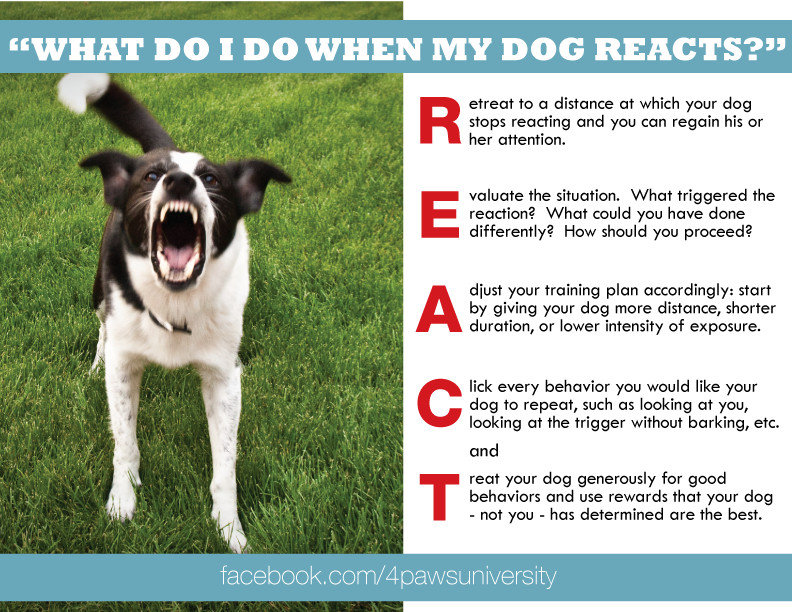
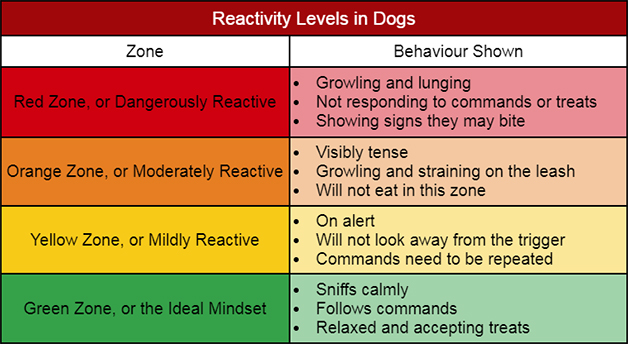
Identifying reactivity in dogs involves observing their behavior. A reactive dog may exhibit excessive barking. Lunging at people or other dogs is another sign. Growling or snapping can indicate discomfort. Watch for signs of stress. Panting or pacing can suggest a reactive state. Recognizing these signs is the first step in addressing the problem.
Credit: www.oaklandanimalservices.org
Setting Up A Training Environment
Creating a calm setting helps train dogs to manage reactivity. Use familiar spaces with minimal distractions. Reinforce positive behaviors with rewards to encourage progress.
Setting up a training environment is essential for a dog's learning. A well-prepared space makes training effective and stress-free. It helps the dog focus and reduces distractions. This section will guide you in creating an ideal setting.
Creating A Safe Space
A safe space is crucial for training. Choose a quiet area in your home or yard. Ensure it is away from loud noises and distractions. Remove any items that might cause harm or interest the dog too much. This space should feel secure and comfortable for both you and your dog. Use soft mats or rugs to mark the area. Familiar smells can help your dog feel at ease. The goal is to create a calm atmosphere.
Choosing The Right Equipment
The right equipment aids in effective training. Start with a sturdy leash and collar. Consider a harness if your dog pulls a lot. Use treats to motivate and reward your dog. A clicker can be a helpful tool for positive reinforcement. Toys can also keep your dog engaged. Ensure all equipment is safe and fits well. Avoid anything that could cause discomfort or harm. Equipment should enhance the training, not complicate it.
Building Trust And Bonding
Training a dog to reduce reactivity builds trust and strengthens your bond. Consistent training with positive reinforcement ensures a calm and happy pet. Patience and understanding play key roles in this process.
Building a strong bond with your dog is the cornerstone of training them not to be reactive. Trust is the foundation for a well-behaved pet, and it starts with understanding their needs and emotions. When your dog trusts you, they are more likely to follow your guidance and feel secure in stressful situations. Let’s explore some practical steps to help you build this trust effectively.
Establishing Consistent Routines
Dogs thrive on routine. It provides them with a sense of security and predictability. Try walking your dog at the same time each day. This not only helps in reducing anxiety but also strengthens your relationship. Feeding your dog at consistent times ensures they know what to expect. A predictable schedule can significantly reduce reactive behavior. Think about how you feel when your routine is disrupted. Dogs feel the same way, and a stable routine can help them remain calm.
Positive Reinforcement Techniques
Positive reinforcement is a powerful tool in dog training. Reward your dog with treats or affection when they display calm behavior. This encourages them to repeat these actions. Imagine your dog reacting calmly to a passerby instead of barking. A simple pat on the head or a tasty treat reinforces this good behavior. Over time, your dog will associate staying calm with positive outcomes. Avoid punishing your dog for being reactive. It can damage trust and exacerbate the problem. Focus on rewarding the behavior you want to see more of. Which would you prefer: fear-based obedience or a joyful willingness to cooperate? Building trust with your dog is a rewarding journey. By establishing consistent routines and using positive reinforcement, you’ll not only reduce reactivity but also create a lifelong bond. Isn’t it amazing how these small changes can make such a big difference?
Credit: www.alphapaws.com
Desensitization Techniques
Training a dog to be less reactive can be a challenge. Desensitization techniques are key to success. These methods help your dog stay calm around triggers. By gradually exposing them to triggers, dogs learn to remain composed. Let's explore effective desensitization techniques.
Gradual Exposure To Triggers
Start with a low level of exposure. If your dog reacts to other dogs, begin at a distance. Let them see the other dog from afar. Reward calm behavior with treats or praise. Gradually decrease the distance over time. This slow approach helps your dog adjust. They learn that the trigger is not a threat.
Controlled Environment Training
Training in a controlled space is crucial. Choose a familiar, quiet place for initial sessions. Keep distractions to a minimum. This helps your dog focus on the training. Introduce the trigger in small doses. Use a leash to maintain control. Reward calm responses immediately. Consistency is key. Repeat this process regularly. Over time, your dog will respond calmly. Controlled environments foster confidence and trust.
Counter-conditioning Strategies
Training a dog to not be reactive involves counter-conditioning strategies. These methods help change a dog's response to triggers. Gradually introduce positive experiences to replace negative reactions, creating a calm and more relaxed pet.
Training a dog to not be reactive can be both a challenging and rewarding experience. One effective method is counter-conditioning, which involves changing your dog's negative reactions to positive ones. Think of it as rewiring your dog’s emotions. By using this technique, your dog can learn to associate previously stressful situations with good things. This approach requires patience and consistency, but the results can be life-changing for both you and your furry friend.
Reward-based Systems
Reward-based systems are at the heart of counter-conditioning. The idea is simple: reward your dog when they remain calm in a situation that would usually trigger a reaction. Start by identifying the triggers. Is it the sight of another dog? A loud noise? Once you've pinpointed the trigger, use treats or toys to reward your dog for calm behavior. Keep these rewards handy and use them immediately when your dog shows restraint. Timing is crucial. Your dog needs to connect their calm behavior with receiving a treat. In my own experience, I found that using small, high-value treats worked wonders. My dog, Max, was reactive to bicycles. By rewarding him with his favorite chicken bits whenever a bike passed by, he soon looked forward to those moments.
Redirecting Attention
Redirecting your dog's attention can also help reduce reactivity. When you notice your dog fixating on a trigger, offer a distraction. This could be a favorite toy or a simple command like "sit" or "look at me." The goal is to break the cycle of reactivity before it escalates. By shifting focus, you're helping your dog learn that they don't need to react aggressively or fearfully. It's all about changing the narrative. Imagine this: you're out for a walk, and you spot another dog approaching. Before your dog can react, you call their name and engage them with a playful tug toy. You've redirected their attention and avoided a meltdown. Have you considered how powerful your presence can be? Sometimes just standing confidently and calmly can serve as the best redirect. Your dog trusts you. Show them that there's nothing to fear. By combining reward-based systems with redirecting attention, you're equipping yourself with practical tools to tackle reactivity. These strategies require effort and commitment, but remember, every small victory counts.

Credit: www.noblewoof.com
Behavior Modification Exercises
Training a reactive dog requires patience and consistency. Behavior modification exercises help in managing reactivity. These activities aim to change how dogs respond to triggers. By using structured exercises, dogs learn to remain calm. This approach helps build confidence in both the dog and owner.
Impulse Control Activities
Impulse control is vital for reactive dogs. Start with simple exercises like "sit" and "stay." Use treats to reward calm behavior. Practice regularly in low-distraction areas. Gradually increase the distractions as the dog improves. Another effective activity is "leave it." Place a treat on the ground and command "leave it." Reward your dog when it ignores the treat. This exercise strengthens self-control over time.
Focus And Obedience Drills
Focus and obedience drills are key in reducing reactivity. "Watch me" is a useful exercise. Hold a treat near your face and say "watch me." Reward the dog when it makes eye contact. This encourages focus on the owner instead of distractions. Practice "heel" during walks to improve obedience. Keep the dog close and reward when it follows commands. These drills foster a strong bond and enhance control.
Engaging Professional Help
Seeking professional help can be crucial in training dogs to not be reactive. Experts provide tailored guidance to manage your dog's behavior effectively. Enhance your dog's social skills with proven techniques from experienced trainers.
Engaging professional help can be a game changer when training your dog to not be reactive. While many dog owners try to tackle this issue on their own, sometimes the expertise of a professional is invaluable. It can provide you with new strategies and insights that you may not have considered.
When To Consult A Behaviorist
Recognizing the signs that your dog might need professional help is crucial. If your dog’s reactivity leads to aggression or causes them significant stress, it might be time to consult a behaviorist. They can assess your dog's behavior and identify triggers you might overlook. Behaviorists use science-backed techniques to address complex behavioral issues. Their expertise can help create a tailored plan for your dog. Have you noticed your dog reacting in ways you can't manage? A behaviorist might provide the guidance you need.
Working With A Dog Trainer
Partnering with a dog trainer can be incredibly beneficial for addressing reactivity. Trainers can offer hands-on support and teach you how to handle situations effectively. They can observe your dog in action and provide immediate feedback. Remember the first time I worked with a trainer for my reactive dog? I learned that my body language was inadvertently escalating the situation. With the trainer’s guidance, I adjusted my approach, and the improvement was noticeable. Dog trainers can also offer group classes, which can be a controlled environment for your dog to learn social skills. Have you considered how a trainer might help accelerate your dog’s progress? Their expertise could be the missing piece in your training puzzle. Engaging professional help isn't a sign of failure; it's a step towards success. Whether it's a behaviorist or a trainer, their insights could transform your dog's reactivity into calmness. Are you ready to make that change?
Consistency And Patience
Training a reactive dog requires consistency and patience. These two elements are the backbone of successful training. Consistency helps your dog understand expectations. Patience gives your dog the time to learn and adapt. Both play a key role in reducing reactivity.
Consistency means applying the same rules every day. Dogs thrive on routine. They feel secure when they know what to expect. Consistent training helps reinforce positive behavior. It also minimizes confusion and anxiety in your dog. Stick to your training schedule and methods.
Patience is essential. Training a reactive dog can be challenging. Progress may seem slow. Some days may feel like setbacks. Remember, patience leads to long-term success. Stay calm and composed. Your dog senses your emotions. A patient approach builds trust and confidence.
Tracking Progress
Keep a journal of your dog's progress. Note improvements and challenges. Record dates, times, and situations. This helps identify patterns and triggers. Tracking progress shows how far you've come. It also highlights areas needing more focus. Celebrate small victories.
Adjusting Techniques
Sometimes, methods need tweaking. Observe what works and what doesn't. Adjust techniques based on your dog's responses. Flexibility improves training outcomes. Consult a professional if needed. Remember, each dog is unique. Tailor your approach to suit your dog's needs.
Frequently Asked Questions
How Can I Calm My Reactive Dog?
Calming a reactive dog requires patience and consistency. First, identify triggers that make your dog react. Gradually expose your dog to these triggers in controlled settings. Use positive reinforcement to reward calm behavior. Consistent training and professional guidance can help your dog become less reactive.
What Are Common Triggers For Dog Reactivity?
Common triggers include unfamiliar people, other animals, loud noises, or specific environments. Dogs may react due to fear, excitement, or past trauma. Understanding your dog's specific triggers is crucial. This helps tailor training and management strategies effectively. Observing your dog's behavior closely can provide insights into their triggers.
Can Professional Trainers Help With Reactivity?
Yes, professional trainers can offer valuable guidance for reactive dogs. They can assess your dog's behavior and develop customized training plans. Professional trainers have experience dealing with various reactivity issues. Their expertise can speed up the process and improve outcomes.
Consider consulting a certified trainer for effective solutions.
How Long Does It Take To Train Reactivity?
Training reactivity varies based on the dog and severity. Some dogs show improvement within weeks, while others take months. Consistency in training and patience are crucial. Regular practice and positive reinforcement can help accelerate progress. Each dog is unique, so timeframes can differ significantly.
Conclusion
Training a dog to be calm takes patience and love. Stay consistent with routines. Positive reinforcement works wonders. Use treats to reward good behavior. Simple commands help dogs understand. Avoid harsh methods; they create fear. Build trust with gradual exposure.
Celebrate small victories. Every dog learns at its own pace. Keep sessions short and fun. Consult a trainer if needed. They offer valuable tips. Enjoy the journey with your furry friend. A calm dog is a happy dog. Your dedication makes all the difference.
Enjoy the bond you build together.


