

Imagine the joy of watching your dog roll over on command, delighting everyone around. Training your dog to roll is not just a fun trick; it’s a way to strengthen your bond and enhance communication with your furry friend.
You might think it’s a complex task, but with the right approach and a little patience, you can teach your dog this impressive trick. This guide will walk you through simple, step-by-step instructions to make the process enjoyable for both you and your dog.
Ready to transform your dog into the star of the show? Let’s dive in and get started!
Choosing The Right Environment
Training your dog to roll over is fun and rewarding. Choosing the right environment is key for successful training. A good environment helps your dog focus and learn quickly. This section will guide you in selecting the best place for training.
Quiet And Calm Spaces
Select a quiet and calm space for training. Noise can distract your dog. A serene environment helps your dog concentrate better. A familiar room in your house can be ideal. It should be free from loud sounds. This will make your dog feel safe and comfortable.
Minimizing Distractions
Minimize distractions for effective training. Remove toys and other pets from the area. Turn off the TV and avoid busy places. These distractions can break your dog's focus. A clear, simple space helps the dog understand commands easily. Consistency in the environment boosts learning.
Gathering Training Supplies
Gather treats and a comfortable mat to teach your dog to roll. Use a clicker for positive reinforcement. Patience is key to success.
Gathering Training Supplies Training your dog to roll over can be an exciting adventure, but it all starts with the right supplies. Having the right tools at your fingertips can make the process smoother and more enjoyable for both you and your furry friend. So, what exactly do you need to get started?
Selecting Treats
Choosing the perfect treat is crucial to keep your dog's attention. Opt for small, soft treats that are easy to chew and digest. My dog, Max, loves tiny pieces of boiled chicken, and it's a healthy option too! Consider experimenting with a few different treats to see what your dog responds to best. Remember, the tastier the treat, the more motivated your dog will be to roll over. What kind of treats does your dog go crazy for?
Using A Clicker
A clicker can be a game-changer in training sessions. This small device makes a distinct sound that signals your dog has done something right. It's like a mini celebration each time your dog accomplishes a step. Using a clicker can help your dog understand exactly what action earned the reward. If you're new to clicker training, don't worry. It's as simple as clicking the button when your dog rolls over, then following up with a treat. Have you tried clicker training before?
Choosing A Mat Or Blanket
Selecting a specific mat or blanket for training can create a sense of familiarity and focus for your dog. It marks a special spot where learning happens. I always use a colorful blanket for training, and now Max associates it with fun and rewards. A non-slip mat is ideal to prevent any sliding mishaps during the roll-over exercise. Ensure the mat is comfortable, as comfort can encourage your dog to engage more willingly. Do you have a favorite spot where your dog feels most comfortable training? By gathering these essential training supplies, you set the stage for successful learning experiences. What other training tools have you found useful?
Establishing Basic Commands
Teaching a dog to roll over involves simple steps. Start with a treat and a gentle command. Gradually guide your dog into the roll position, rewarding them for each attempt.
Training your dog to roll over is a delightful trick that showcases your pet's intelligence and obedience. But before diving into this fun exercise, it's crucial to establish basic commands. These foundational commands are the building blocks for more complex tricks and ensure your dog responds promptly and accurately. Let's delve into the key components of this essential training phase.
Sit And Stay Basics
Understanding sit and stay commands is vital. These are the first steps in establishing control and communication with your dog. Begin by teaching your dog to sit using treats as rewards. Hold the treat above your dog's nose and move it backward. As your dog follows the treat with its nose, it will naturally sit. Once seated, reward them immediately. Next, introduce the stay command. Once your dog sits, take a step back while maintaining eye contact. If they stay, reward them. Gradually increase the distance and duration, reinforcing their behavior with treats and praise. Consistency is key to mastering these commands.
Building Trust And Attention
Creating a bond with your dog enhances their learning experience. Trust is built through positive reinforcement and patience. Avoid frustration if your dog doesn't grasp commands immediately. Instead, celebrate small victories. Pay attention to your dog's cues. Are they eager to learn, or do they seem distracted? Adjust your training pace accordingly. Use a cheerful voice to keep them engaged. Your enthusiasm encourages them to focus. Consider setting aside dedicated training time each day. Consistent sessions keep your dog motivated and attentive. Reflect on your approach: Are you offering enough rewards? Are your instructions clear? This reflection strengthens your connection and boosts your dog's confidence. Are you ready to start this journey with your furry friend? Establishing basic commands is the first step toward a well-trained, happy dog.
Introducing The Roll Command
Teaching a dog to roll is a fun bonding activity. Begin by choosing a quiet space to practice. Use treats to encourage your pet to lie down and roll over gradually.
Training your dog to roll over can be a fun and rewarding experience for both you and your furry friend. The roll command is not just a cool trick; it enhances your dog's obedience and strengthens your bond. By breaking down the training process into manageable steps, you can make it a positive experience for your dog. Let's dive into how you can introduce the roll command effectively.
Using Hand Signals
Hand signals are a powerful tool in dog training. They provide a visual cue that your dog can easily recognize. Start by choosing a distinct hand signal, such as moving your hand in a circular motion. While your dog is in a lying position, use the chosen hand signal and encourage them to follow your hand. Consistency is key, so use the same motion each time. Patience is vital as your dog learns to associate the hand signal with the action of rolling over.
Incorporating Verbal Cues
Verbal cues complement hand signals and reinforce the command. Choose a simple word like "roll" to associate with the action. Speak clearly and in a friendly tone to maintain a positive atmosphere. Combine the verbal cue with your hand signal, saying "roll" just as your dog begins to follow your hand. Repetition helps your dog connect the word with the action. Soon, your dog will understand that "roll" means to perform the trick. Think about how proud you'll feel when your dog responds to your commands with enthusiasm. By using hand signals and verbal cues together, you're setting your dog up for success. Have you noticed how your dog reacts more to your voice or gestures? This insight can guide you in choosing which method to emphasize.
Step-by-step Training Process
Teaching a dog to roll over can be a fun activity. It strengthens the bond between you and your furry friend. This guide will walk you through the step-by-step process. With patience and practice, your dog will learn this trick in no time.
Starting With A Down Position
Begin by having your dog in a down position. This is a relaxed pose. It helps your dog prepare for the roll. Use a calm voice to instruct your dog to lie down. Reward them with a treat for following this command. Consistency is key here. Repeat until they are comfortable with this position.
Guiding With Treats
Once your dog is lying down, use a treat to guide them. Hold the treat near their nose. Slowly move it towards their shoulder. This movement encourages your dog to turn their head. Your dog will naturally follow the treat. This sets the stage for the roll motion.
Practicing The Roll Motion
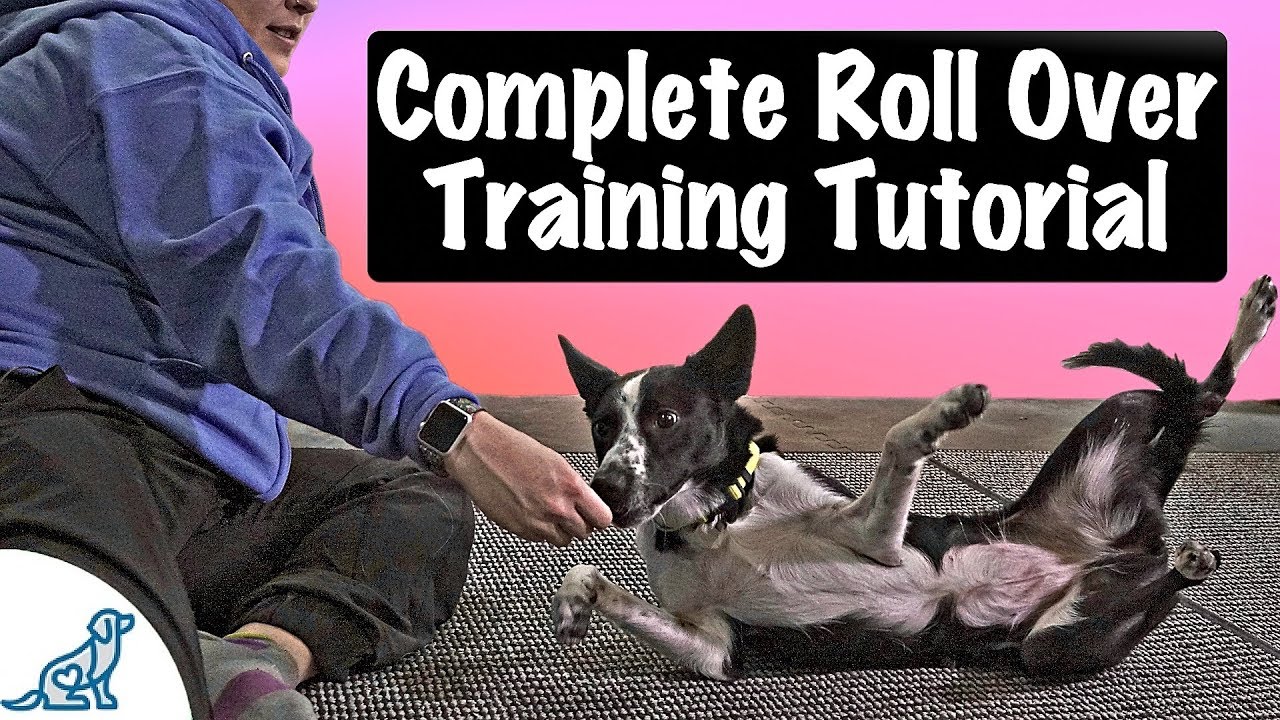
With the treat in hand, guide your dog further. Move the treat across their shoulder. Encourage them to roll onto their side. Continue moving the treat until they complete a full roll. Praise them warmly once they finish the roll. Repeat this process several times. Practice makes perfect in dog training.

Credit: www.tiktok.com
Reinforcing Positive Behavior
Teaching a dog to roll involves rewarding positive behavior with treats or praise. Start by gently guiding your dog's body into a rolling motion. Repeat the process consistently, always reinforcing with positive feedback to help them learn effectively.
Reinforcing positive behavior is crucial when teaching your dog to roll over. Positive reinforcement builds trust between you and your pet, making learning enjoyable and effective. You want your dog to associate rolling over with good things, like treats and praise.
Consistent Rewarding
Being consistent with rewards can make or break your training sessions. Every time your dog makes progress, even if it's just a small step, reward them with a treat or affectionate pat. Consistency helps your dog understand exactly what you want them to do. Consider using a specific word or clicker sound as a marker for success. This creates a clear connection between the action and the reward. Does your dog respond better to verbal praise or treats? Observing their reactions will guide you in rewarding effectively.
Maintaining Patience
Training your dog to roll over requires patience. Each dog learns at their own pace, and rushing the process can lead to confusion. If your dog struggles, take a step back and simplify the task. Remain calm and encouraging, even when progress seems slow. Dogs can sense your frustration, which might hinder their learning. Have you ever noticed how your dog mirrors your emotions? Staying patient not only helps your dog but also strengthens your bond. Encouraging your dog consistently and patiently will eventually lead to success. Remember, training is a journey that enhances your relationship with your furry friend.
Troubleshooting Common Challenges
Training your dog to roll can be fun, but some challenges may arise. These challenges can hinder progress and cause frustration. Understanding these issues is key to successful training. Let's tackle some common challenges.
Dealing With Disinterest
Your dog might not show interest in rolling. This can be due to boredom or distraction. Use treats that your dog loves. Keep the training sessions short and exciting. Show enthusiasm to capture your dog's attention. Avoid repeating commands too often. This can cause your dog to lose interest.
Addressing Anxiety Or Fear
Some dogs feel scared or anxious about rolling. They might fear getting hurt or feel uncomfortable. Create a safe and calm environment. Use a soft surface for training. Reward any small attempt your dog makes. Gradual steps can build confidence. Be patient and gentle with your dog.

Credit: articles.hepper.com
Gradually Reducing Treats
Teaching your dog to roll involves gradually reducing treats over time. Start with frequent treats, then slowly decrease them. This encourages the dog to follow commands without needing a treat each time. Consistency and patience are key for success.
Training a dog to roll over is rewarding and fun. Treats play a big role in the initial stages. They motivate your dog to follow commands. As your dog learns, it's important to gradually reduce treats. This helps your dog respond to commands without relying on food. Gradually transitioning from treats to praise ensures your dog rolls over willingly.
Transitioning To Praise
Switching from treats to praise is a key step. Start by using treats less often. Use them every second or third successful roll. Replace them with verbal praise and affection. Say "Good job!" or "Well done!" in an excited tone. Pet your dog as a reward. Dogs love attention. They respond well to positive feedback. This makes them eager to please you.
Ensuring Consistent Command Response
Consistency is crucial for training. Use the same command each time. For example, "Roll over" should always prompt the same action. Avoid changing words or tone. This might confuse your dog. Practice in short sessions. Five to ten minutes is ideal. Too long and your dog might lose focus. Train in a distraction-free environment. Gradually introduce distractions as your dog improves. This helps ensure command response in different settings.
Maintaining Training Over Time
Training a dog to roll over takes patience and consistency. Start with basic commands and use treats as motivation. Practice regularly to help your dog remember the trick.
Training your dog to roll over is just the beginning. To ensure your furry friend retains this fun trick, maintaining training over time is crucial. Dogs thrive on consistency and repetition. Without regular reinforcement, even well-trained behaviors can fade. Here’s how you can keep the training fresh and effective.
Regular Practice Sessions
Regular practice is key to maintaining your dog's ability to roll over. Dedicate a few minutes each day to practice the trick. Short, focused sessions are more effective than long, infrequent ones. Use treats or verbal praise to reward your dog immediately after a successful roll. This positive reinforcement strengthens their memory of the command. Practicing in different environments can also enhance their adaptability and understanding.
Incorporating Into Daily Routine
Think about how you can add rolling over into your dog's daily activities. Can you ask your dog to roll over before meals? Or perhaps during playtime in the backyard? By integrating the trick into routine moments, you keep it fresh in your dog’s mind. This also makes training feel less like a chore and more like a natural part of your day. Consistency in your commands and rewards is crucial. Does your dog get the same treat every time? If not, consider using a favorite treat to maintain enthusiasm. Training doesn’t have to be a tedious task. It can be an enjoyable bonding experience for both you and your dog. How do you keep your dog’s training lively and effective? Share your thoughts in the comments!
Credit: www.youtube.com
Frequently Asked Questions
How Do I Start Teaching My Dog To Roll?
Start with a quiet environment. Use treats to lure your dog into a lying position. Gradually guide them to roll, rewarding each step. Consistency and patience are key. Make training sessions short but frequent to maintain interest. Reinforce the behavior with praise and treats.
What Commands Should I Use For Rolling?
Use simple commands like "roll over" or "roll". Keep your tone consistent and encouraging. Pair verbal commands with hand gestures for clarity. Repetition helps your dog associate the command with the action. Praise your dog immediately after they follow the command correctly.
How Long Does It Take To Teach Rolling?
It varies by dog. Some learn in a few days, others take weeks. Consistency is crucial for quicker learning. Keep sessions short and positive to avoid frustration. Celebrate small successes and build on them. Patience and persistence help achieve the desired behavior.
Can All Dogs Learn To Roll?
Yes, most dogs can learn to roll with patience and consistent training. However, some might take longer due to age or temperament. Adjust your approach based on your dog's needs. If they struggle, consult a professional trainer for guidance. Always ensure your dog is comfortable and healthy.
Conclusion
Teaching your dog to roll over is fun and rewarding. Start with patience and stay consistent. Use treats to motivate your furry friend. Short training sessions work best. Celebrate small victories along the way. Your bond with your dog will strengthen.
Practice regularly for better results. Share your joy when your dog succeeds. Remember, every dog learns at its own pace. Enjoy each step of the journey. Roll over training builds trust and happiness. Happy training!


