
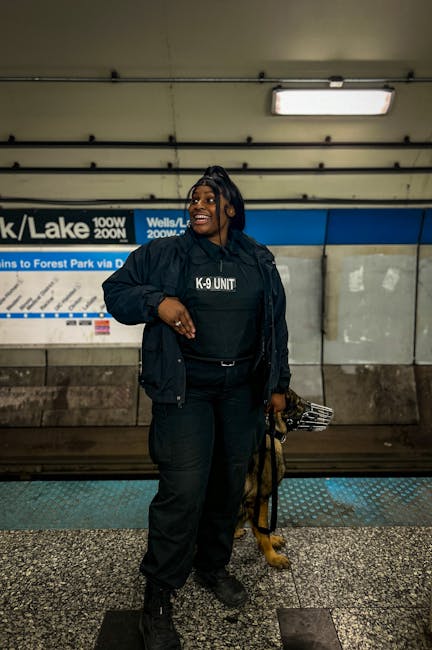
Are you considering enhancing the security of your home or business with a loyal canine companion? Training a security dog is not just about instilling obedience; it's about nurturing a protector who can keep you and your loved ones safe.
Imagine the peace of mind that comes with knowing your dog is expertly trained to handle threats and deter intruders. The process can seem daunting, but with the right guidance, you'll discover it's not just achievable—it's rewarding. You'll learn the essential steps and secrets to transforming your dog into a vigilant guardian.
Prepare to unlock the potential of your four-legged friend and empower them to be the ultimate protector. Let's dive in and explore how you can make this transformation a reality.
Choosing The Right Breed
Choosing the right breed for a security dog is crucial. Not all dogs possess the qualities needed for protection duties. Different breeds offer varied skills and temperaments. Selecting the best one ensures effective security training. Let's explore the factors that matter.
Best Breeds For Security
Some breeds excel in security roles. German Shepherds are popular. They are intelligent and loyal. Dobermans are also great choices. They are alert and fearless. Rottweilers are strong and protective. Each breed has unique traits beneficial for security tasks.
Considerations For Size And Temperament
Size impacts a dog's ability to protect. Larger breeds often deter intruders. Smaller breeds can be vigilant but less intimidating. Temperament is equally important. A calm dog reacts better under pressure. Aggressive dogs may pose risks to the family. Balance is key. Choose a breed that suits your environment and needs.
Early Socialization
Early socialization is crucial for training a security dog. It shapes their behavior and temperament. Proper socialization helps them adapt to various environments. Exposing them to different people, animals, and situations is key. This lays a foundation for a well-adjusted, confident security dog.
Importance Of Socialization
Socialization prevents fear and aggression in security dogs. It helps them remain calm under pressure. A well-socialized dog is more reliable. They can differentiate between real threats and normal situations. This ensures their responses are appropriate and controlled.
Techniques For Effective Socialization
Introduce the dog to different environments. Take them to parks, busy streets, and quiet areas. Let them meet various people and animals. Gradual exposure is important. Start with less crowded places. Increase complexity as they grow comfortable. Use positive reinforcement during these experiences. Rewards encourage positive associations.
Basic Obedience Training
Basic obedience training forms the foundation of a security dog's skills. This phase ensures that your dog listens and responds effectively. Establishing these skills is crucial for their future tasks. A well-trained dog is more reliable and confident. Let's dive into the essential aspects of basic obedience training.
Essential Commands
Start with simple commands like "sit," "stay," and "come." These commands build the groundwork for more complex tasks. Use clear and firm tones when giving commands. Reward your dog with treats or praise for correct responses. This positive reinforcement encourages learning. Gradually introduce more commands as your dog becomes comfortable.
Consistency In Training
Consistency is key to successful dog training. Train your dog at the same time each day. This helps create a routine that your dog can anticipate. Use the same words and gestures for each command. This avoids confusion and strengthens understanding. Ensure every family member follows the same training methods. Consistent practice leads to reliable behavior.
Advanced Protection Skills
Training a security dog requires patience and expertise. Advanced protection skills are crucial for a security dog. These skills ensure the dog can protect and respond effectively. Through proper training, a dog learns to handle complex situations. This section explores two important aspects of advanced protection skills.
Bite Work Fundamentals
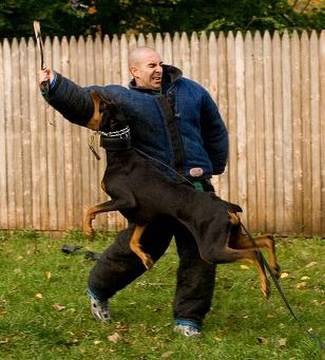
Bite work is an essential skill for security dogs. The dog learns to bite on command and release when told. This training ensures the dog acts only when necessary. Start with a bite sleeve for safe practice. Gradually, the dog gets used to controlled aggression. Consistent practice helps the dog understand boundaries. Reward the dog for correct actions to reinforce learning.
Building Confidence In Threat Situations
A confident dog reacts well to threats. Exposure to different scenarios builds this confidence. Simulated threat situations are useful. The dog learns to stay calm and focused. Gradual exposure to noise and distractions aids training. Use positive reinforcement to encourage desired behavior. Confidence training helps the dog protect without fear. An experienced trainer guides the process effectively.
Maintaining Physical Fitness
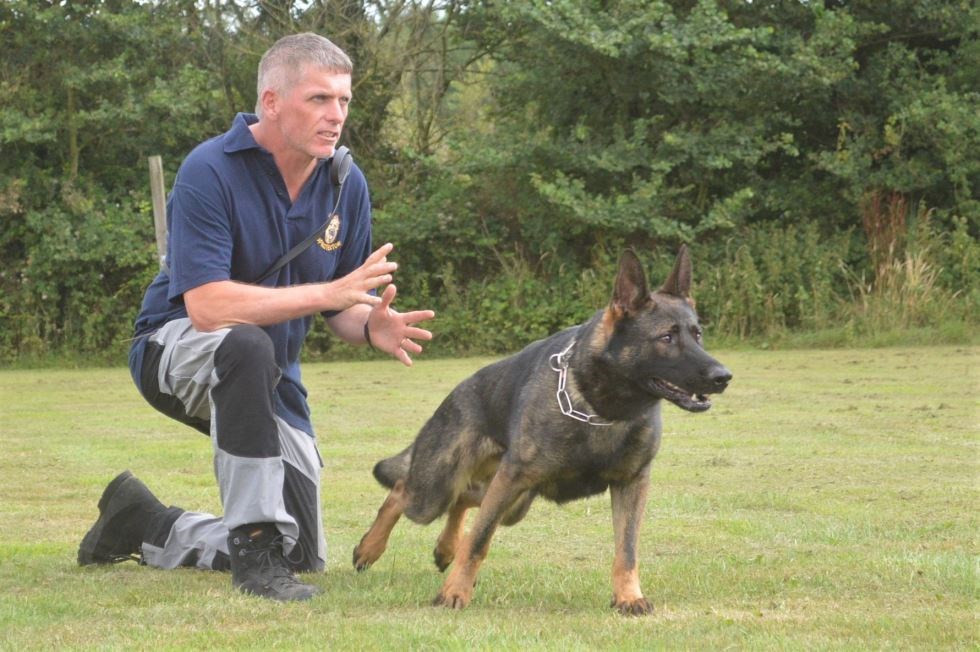
Physical fitness is vital for a security dog. A fit dog performs duties better. It stays alert and active. Regular exercise and a balanced diet are key. These keep your dog healthy and strong.
Exercise Routines
Exercise is crucial for a security dog's fitness. Daily walks help burn energy. They keep muscles strong. Try running or jogging too. It boosts endurance.
Include agility training in the routine. Jumping and climbing are useful skills. They enhance coordination and strength. Use toys for fun and exercise. Fetch games improve speed and focus.
Dietary Considerations
A balanced diet supports physical fitness. Choose high-quality dog food. It provides essential nutrients. Protein is important for muscle growth. Carbohydrates give energy for activities.
Consult a vet for a suitable diet plan. Avoid feeding table scraps. They can lead to weight gain. Ensure fresh water is always available. Hydration is crucial for active dogs.
Credit: www.k9protector.co.uk
Safety And Legal Considerations
Training a security dog requires careful attention to safety and legal rules. Ensure the dog's training complies with local laws. Prioritize the dog's well-being and the safety of others during training sessions.
Training a security dog is not just about teaching commands and behaviors. It involves understanding the safety and legal aspects to ensure a smooth process. You need to be aware of liability issues and handle the dog safely. This will not only protect you but also ensure the well-being of your dog.
Understanding Liability
When training a security dog, liability is a crucial consideration. If your dog bites someone or causes harm, you could be held responsible. Imagine the peace of mind you'll have knowing you're well-informed about legal responsibilities. Check local laws and regulations about owning and training security dogs. Different places have different rules, and these can affect how you train your dog. Consult with legal experts or trainers who specialize in security dogs. They can provide guidance on the best practices to minimize liability risks.
Safe Handling Techniques
Handling a security dog safely is paramount. You want to establish trust and ensure your dog feels secure. Use positive reinforcement techniques. These encourage good behavior without intimidation or force. Regular training sessions are essential. They help reinforce commands and maintain discipline. Your dog will respond better to a structured routine. Protective gear like gloves or padded sleeves can be useful. They help prevent accidents during training. Remember, your safety and your dog's safety should always be a priority. Have you ever thought about how safe handling can impact your dog's learning? It can make a world of difference in their responsiveness and your overall training success.
Working With Professional Trainers
Professional trainers offer valuable insights into teaching security dogs. Their expertise ensures the dog learns effectively and safely. With skilled guidance, dogs develop essential skills for protection and obedience.
Training a security dog is a rewarding yet challenging task. While you might feel confident in handling it yourself, working with professional trainers can significantly enhance the outcome. These experts bring a wealth of experience, which can make the training process smoother and more effective.
Finding A Qualified Trainer
Finding the right trainer is crucial. Start by asking for recommendations from friends who own well-trained dogs. Check online reviews and verify their certifications. Visit potential trainers and observe their interaction with dogs. A good trainer will be patient and knowledgeable. They should also be willing to discuss their training methods with you. Consider the trainer’s experience with security dogs specifically. Not all dog trainers have the same skill set. A trainer with a background in security dog training will understand the unique needs of these dogs.
Benefits Of Professional Guidance
Professional trainers offer many benefits. They can help you avoid common mistakes that could hinder your dog's progress. Their structured programs are tailored to meet the specific needs of your security dog. Think about the potential risks involved in training a security dog improperly. A professional can guide you through safe techniques to ensure your dog is both effective and well-behaved. Working with a trainer can also provide you with valuable insights into your dog’s behavior. You’ll learn how to reinforce training at home, ensuring consistent progress. You’ll be equipped to handle challenges that may arise during your dog’s training journey. Have you ever wondered how your dog perceives your commands? Professional guidance can help bridge the communication gap between you and your dog. With expert support, training becomes a rewarding experience for both you and your furry companion.
Credit: www.youtube.com
Ongoing Evaluation And Adjustment
Regular updates and modifications in training techniques enhance a security dog's effectiveness. Tailoring approaches ensures the dog remains alert and responsive. This ongoing process builds trust and sharpens skills, making the dog a reliable partner in security tasks.
Training a security dog is a journey, not a one-time event. Ongoing evaluation and adjustment ensure that your dog remains sharp, responsive, and perfectly aligned with your security needs. Think of it as keeping a car finely tuned; without regular check-ups and tweaks, even the best engine can start to falter. Let's explore how you can effectively evaluate and adjust your dog’s training for optimal performance.
Monitoring Progress
Tracking your dog's progress is crucial. Use a simple table or chart to note down behaviors, commands, and any issues. This visual aid helps you see patterns and improvements over time. Are there commands your dog struggles with? Regularly observe your dog's behavior in different scenarios. Do they remain calm under pressure or get distracted? You might discover they react differently in a crowded area compared to a quiet environment. This insight helps you tailor their training effectively.
Adapting Techniques As Needed
Training isn't a one-size-fits-all approach. If a technique isn't working, don't hesitate to switch things up. Your dog might respond better to a different reward system or more frequent breaks. Have you ever noticed your dog getting bored with repetitive tasks? Incorporate new challenges to keep them engaged. Maybe a friend of yours had a similar issue and resolved it by introducing more complex scenarios, which boosted their dog's problem-solving skills. Stay open to feedback and advice from other dog trainers. Attend workshops or join online forums where you can learn and exchange ideas. Your willingness to adapt will benefit both you and your loyal companion. By keeping a close eye on your dog's progress and being ready to adapt, you ensure that your security dog is always at its best. What's one change you could make today to enhance your dog's training?

Credit: www.benimellalkhenifra.ma
Frequently Asked Questions
How Do I Start Training A Security Dog?
Begin by establishing a strong bond with your dog. Use positive reinforcement techniques such as treats and praise. Start with basic obedience commands like sit, stay, and come. Gradually introduce more complex tasks related to security, like guarding and alerting.
Consistency and patience are key to successful training.
What Breeds Are Best For Security Training?
German Shepherds, Rottweilers, and Belgian Malinois are popular choices. These breeds possess natural protective instincts and intelligence. They are known for their loyalty and ability to follow commands. However, any breed with the right temperament and training can become a good security dog.
How Long Does It Take To Train A Security Dog?
Training a security dog typically takes several months. The exact duration depends on the dog's breed, age, and learning ability. Consistent daily training sessions are crucial for progress. Some dogs may take longer to master specific tasks. Always be patient and adjust the training pace to your dog's needs.
Can I Train A Security Dog Myself?
Yes, you can train a security dog yourself with dedication and patience. Start by learning basic training techniques through books or online resources. However, professional trainers can offer specialized skills and experience. Consider professional guidance if you encounter challenges or need advanced training for specific security tasks.
Conclusion
Training a security dog requires patience and consistency. Start with basic commands. Use rewards to encourage good behavior. Keep training sessions short and fun. Always ensure your dog feels safe. This builds trust and confidence. Observe your dog’s reactions. Adjust techniques to suit individual needs.
Celebrate small victories to boost morale. Remember, every dog learns at their own pace. Practice regularly to reinforce skills. With dedication, your dog becomes a reliable protector. Enjoy the journey of training your loyal friend. A well-trained security dog ensures peace of mind.


