

Training your dog to pee on a pad can feel like a tricky task. You’ve probably tried different methods, but nothing seems to stick.
Imagine the relief of having a clean, mess-free home while ensuring your furry friend knows exactly where to go. With just a few simple steps, you can transform this seemingly daunting challenge into a seamless routine. You’ll save time, reduce stress, and create a happier environment for both you and your pet.
So, if you’re ready to say goodbye to messy floors and hello to a more orderly space, keep reading. Discover the secrets to effective pad training that will make life easier for you and your beloved dog.
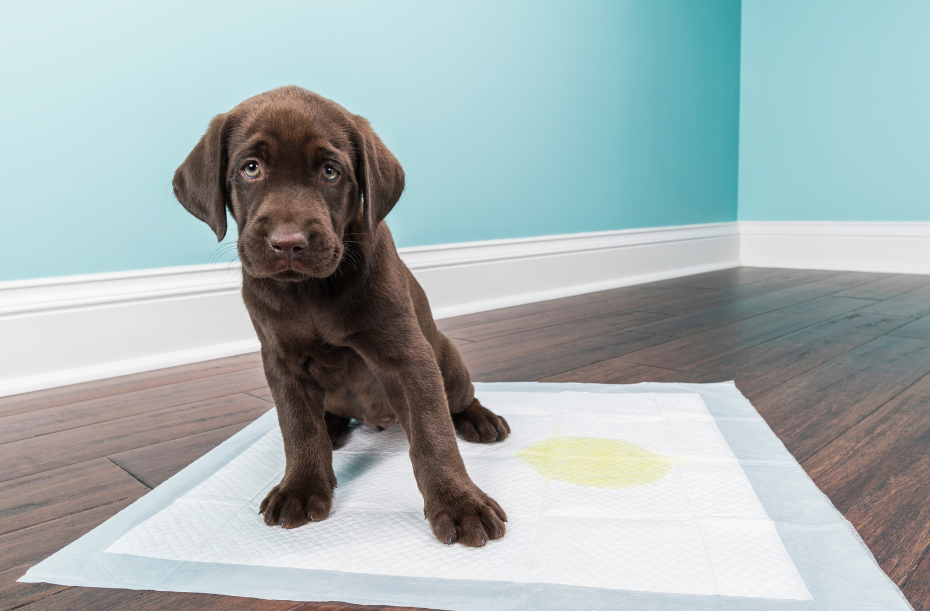
Credit: www.thepuppyacademy.com
Choosing The Right Pee Pad
Training your dog to pee on a pad requires choosing the right one. The choice impacts how quickly your dog adapts. A suitable pee pad ensures less mess and stress. It needs to fit your dog’s needs.
Types Of Pee Pads
Various types of pee pads are available. Disposable pads are convenient and easy to use. They often have a scent to attract dogs. Reusable pads are eco-friendly and washable. They save money over time. Some pads come with adhesive corners to stay in place.
Size And Material Considerations
Size matters when selecting a pee pad. Larger dogs need bigger pads. Small dogs may prefer smaller ones. Choose a pad that covers enough space for your dog.
Material is crucial for absorbency and durability. Pads with multiple layers absorb better. Quilted pads prevent leaks and reduce odors. Soft materials are comfortable for your dog. Ensure the material is non-toxic and safe.
Creating A Designated Pee Area
Training a dog to pee on a pad involves consistency and patience. Place the pad in a designated area and guide your dog to it regularly. Reward your dog with praise or treats when they use the pad correctly.
Creating a designated pee area for your dog is a crucial step in ensuring they understand where it’s acceptable to relieve themselves. By establishing a specific spot, you reduce confusion and make the training process smoother for both you and your furry friend. It also helps maintain a cleaner environment, keeping your home fresh and pleasant.
Finding The Ideal Location
Choosing the right spot for your dog's pee pad is important. Look for a place that's easily accessible for your dog but also out of the main traffic areas of your home. Consider a quiet corner where your dog feels comfortable and undisturbed. Some dogs prefer a spot near a door, as it mimics going outside. Watch your dog's behavior to see where they naturally gravitate when they need to go. Your observation can guide you in picking the perfect spot.
Setting Up The Area
Once you've identified the location, it's time to set up the pee pad area. Use a high-quality, absorbent pad to ensure no leakage onto your floor. You might want to place a waterproof mat underneath for added protection. Think about the surrounding area too. Keep it simple and clutter-free to avoid distractions. You can use a simple barricade to keep the pad in place and prevent it from moving around. Consistency is key. Always return the pad to the same spot after cleaning or replacing it. This helps your dog associate that area with doing their business. Have you considered using a specific command to guide your dog to the pee pad? This can be a great way to reinforce the behavior. Over time, your dog will learn to associate the command with using the pad. Training your dog to use a pee pad in a designated area requires patience and persistence. But with a well-chosen location and a thoughtfully set-up area, you're setting your dog up for success.
Introducing Your Dog To The Pee Pad
Training your dog to use a pee pad involves patience and consistency. Place the pad in a designated spot. Gently guide your dog to it during bathroom breaks. Reward successful attempts with treats to reinforce the behavior.
Introducing your dog to a pee pad might seem like a daunting task, but with patience and the right approach, it can become a smooth process. Dogs are naturally inclined to learn and adapt, especially when they feel comfortable and secure. Let’s explore some practical steps to help your furry friend get acquainted with using a pee pad.
Getting Your Dog Comfortable
The first step is to create a welcoming environment for your dog. Place the pee pad in a quiet and familiar area where your dog already spends time. This helps them associate the pad with a safe space. Spend some time sitting with your dog near the pad, allowing them to sniff and explore. Encourage their curiosity by calmly talking to them. Have you noticed how dogs respond to your tone? A gentle voice can do wonders in easing their anxiety.
Positive Reinforcement Techniques
Positive reinforcement is your best friend here. Every time your dog uses the pad successfully, reward them with a treat or praise. This reinforces the behavior and makes them more likely to repeat it. Consider using a specific command like “go potty” when guiding them to the pad. Consistency is key, and soon they’ll start associating the command with the action. Remember, dogs thrive on routine. Accidents will happen, and that’s okay. Avoid scolding your dog, as it may create fear or confusion. Instead, clean up the mess without fuss and gently lead them back to the pad. Patience and persistence are your allies in this journey. By focusing on these actionable techniques, you’ll not only train your dog to use the pee pad but also strengthen your bond. What challenges have you faced in training your pet? Share your thoughts and experiences to help others on this path.
:strip_icc()/potty-pad-training-4178382-hero-413f0c1f54ef4a89a18f79d60818f805.jpg)
Credit: www.thesprucepets.com
Establishing A Routine
Training your dog to pee on a pad requires patience and consistency. Establishing a routine is crucial for success. Dogs thrive on routines. They learn best with repetition and predictability. Having a set schedule helps your dog understand when and where to go. It reduces accidents and confusion. Let's break down how to establish a routine effectively.
Timing And Frequency
Timing is everything. Choose regular intervals for your dog's bathroom breaks. Start with early morning, after meals, and before bedtime. Puppies need more frequent breaks. Every two hours is a good start. Consistent timing helps your dog anticipate their bathroom schedule.
Observe your dog's habits. Adjust the timing based on their needs. Some dogs may need to go more often. Stay flexible but try to stick to the routine. This helps your dog build a habit.
Tracking Progress
Keep a log of your dog's bathroom activities. Note the time and success of each attempt. This helps you track progress and spot patterns. Use a notebook or a simple app. Regular updates give you insights into your dog's routine.
Celebrate successes. Praise your dog when they use the pad correctly. Positive reinforcement encourages repeat behavior. Be patient with setbacks. Training takes time and consistency.
Adjust the routine if necessary. If accidents happen frequently, revisit the timing. Make sure your dog has enough opportunities to use the pad. Progress tracking helps refine the routine over time.
Addressing Common Challenges
Training a dog to use a pee pad can be tricky. Many dog owners face common challenges during this process. Knowing how to address these issues can make training smoother. This section will guide you through dealing with accidents and handling resistance. These tips aim to make training effective and stress-free.
Dealing With Accidents
Accidents happen. Stay calm when your dog misses the pad. Clean the area thoroughly to remove scents. Dogs tend to return to spots they’ve marked. Use an enzyme cleaner to eliminate odors. Encourage your dog when they use the pad correctly. Positive reinforcement is key. Offer treats or praise to reinforce good behavior.
Handling Resistance
Some dogs resist using pee pads. Observe their behavior to understand why. They might dislike the pad's texture. Try different types to find one they prefer. Gradually introduce the pad. Place it in a familiar spot. Use treats to guide them onto the pad. Be patient. Training takes time and consistency. Stay positive throughout the process. Your encouragement helps build trust and cooperation.
Advanced Training Techniques
Training a dog to pee on a pad can be challenging. Advanced techniques make it easier. They involve commands and clicker training. Both methods improve communication with your dog. These techniques help establish good habits. They also reduce accidents and stress for both owner and pet.
Using Commands
Clear commands guide your dog during training. Use simple words like "pee" or "pad." Say the command each time your dog uses the pad. Consistency is key. Always use the same word. Praise your dog when it follows the command. Positive reinforcement encourages repetition. Repeat the command often.
Incorporating Clicker Training
Clicker training boosts the learning process. Use a clicker to mark correct behavior. Click the device when your dog uses the pad. Follow the click with a treat. This method creates a strong association. Your dog learns to connect the pad with the click and treat. It helps reinforce good habits quickly.
Maintaining Success
Training your dog to pee on a pad ensures a clean home. Start by placing the pad in a designated spot. Encourage your dog to sniff and explore the area. Reward them with treats and praise when they succeed. Consistency and patience are key to maintaining this success.
Maintaining success in training your dog to pee on a pad can be both rewarding and challenging. You've laid the foundation, but how do you ensure your furry friend continues to use the pad consistently? It's about keeping up with the training and knowing when to transition to outdoor potty habits. Let's dive into the key strategies to maintain this success.
Consistency In Training
Consistency is crucial in reinforcing any new behavior. Ensure the pad is in the same location daily. Dogs are creatures of habit, and a familiar spot helps them know where to go. Use positive reinforcement every time they use the pad correctly. Praise and treats are your best friends in this process. This builds a strong association between using the pad and receiving rewards. Consider setting up a schedule. Dogs thrive on routine. Regularly taking them to the pad after meals or playtime can reinforce their learning.
Transitioning To Outdoor Potty Training
Once your dog is reliably using the pad, you might want to transition them to outdoor potty training. Start by moving the pad closer to the door. Gradually decrease the size of the pad until it's just a small section. Introduce outdoor visits after they've successfully used the pad inside. This links the act of peeing to being outside, which is the ultimate goal. Monitor their behavior outdoors. Do they sniff around certain areas or show interest in grass? Encourage them by bringing the pad outside to these spots, then slowly remove it as they get more comfortable. You might wonder, is my dog ready for this transition? Watch for signs of readiness like consistent pad use and interest in outdoor potty areas. This ensures the shift is smooth and stress-free for both you and your pet. Maintaining success in your dog's potty training journey requires patience and awareness. What small changes can you make today to support your dog's progress?

Credit: www.youtube.com
Frequently Asked Questions
How To Start Pad Training A Puppy?
Begin by choosing a designated area for the pad. Introduce your puppy to the pad and encourage them to sniff it. Praise them when they use it correctly. Consistency is key, so maintain a regular schedule for taking them to the pad, especially after meals and naps.
What If My Dog Won't Use The Pad?
If your dog resists using the pad, try placing it in a quieter area. Ensure the pad is clean, as dogs prefer clean spaces. Use treats and praise to encourage them. Consistency and patience are important in reinforcing this behavior.
How Long Does Pad Training Take?
Pad training can vary based on your dog's age and temperament. On average, it may take a few weeks. Consistency, patience, and positive reinforcement are key factors in successful training. Always reward your dog for using the pad correctly.
Can Older Dogs Be Trained To Use Pads?
Yes, older dogs can be trained to use pads. Start by introducing the pad and rewarding them for using it. Consistency is crucial, and it may take time. Be patient and offer praise and treats to encourage the behavior.
Conclusion
Training your dog to use a pee pad can be simple. Consistency is key. Praise them when they succeed. Keep pads in the same spot. Gradually reduce pad size as they learn. Patience helps your dog understand. Accidents may happen.
Clean them quickly to avoid confusion. Reward progress with treats and affection. This strengthens their learning. Your dog will soon feel confident. Pee pads can be a helpful tool. They make indoor training easier. Your effort will pay off. A well-trained dog brings peace to your home.
Enjoy the journey with your furry friend.


