

Is your dog's barking or lunging making walks stressful? You're not alone.
Many pet owners face the challenge of having a reactive dog. It’s frustrating, right? But imagine peaceful strolls in the park where your dog stays calm and focused. Sounds amazing, doesn’t it? This can be your reality. By understanding what triggers your dog and using simple training techniques, you can transform those chaotic outings into serene adventures.
Keep reading to discover effective strategies that will not only make your life easier but also strengthen the bond with your furry friend. Let’s unlock the secret to a calmer, happier dog together.
Understanding Reactivity In Dogs
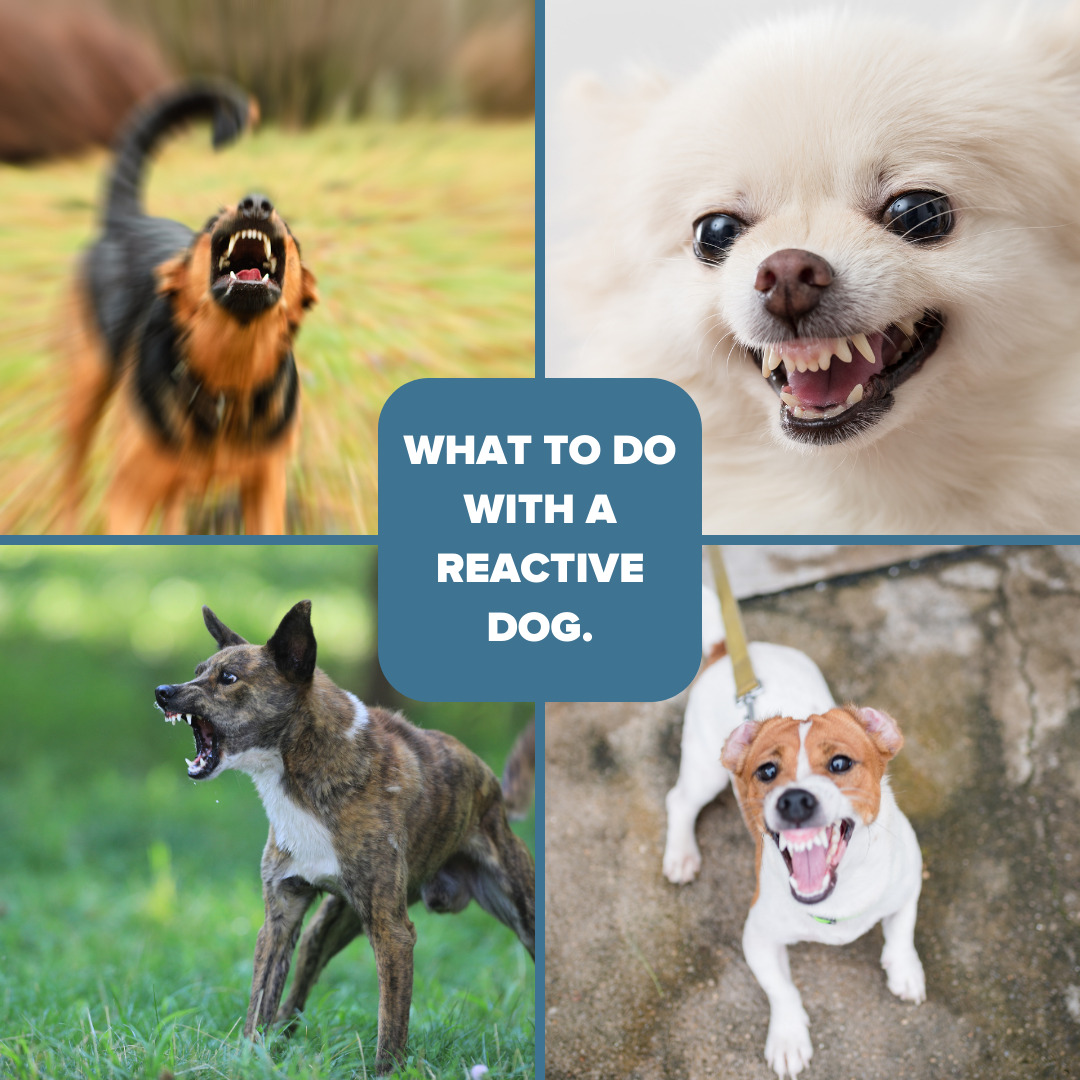
Understanding reactivity in dogs is crucial for nurturing a balanced relationship with your furry friend. Often, reactivity is mistaken for aggression, but it's more about your dog's response to certain stimuli. If your dog barks loudly at strangers or lunges at other pets during walks, you might be dealing with a reactive dog. Recognizing the signs and causes can help you address these behaviors effectively.
Signs Of Reactivity
Reactivity manifests in various ways, and it's essential to spot these signs early. Is your dog growling at the mailman or barking at every passing car? These are clear indicators. You might also notice your dog raising its hackles or staring intensely at other dogs.
Some dogs might whimper or try to retreat when faced with overwhelming stimuli. These reactions are your dog's way of expressing discomfort or fear. Observing these signs helps you identify triggers and manage them better.
Causes Of Reactive Behavior
Several factors can lead to reactive behavior in dogs. One common cause is a lack of socialization during the puppy stage. If your dog didn't interact with many people or animals early on, it might struggle now.
Past experiences can also shape your dog's reactions. A traumatic incident, like an attack by another dog, might lead to heightened reactivity. Consider your dog's history when assessing its behavior.
Sometimes, it's just about personality. Like humans, dogs have unique temperaments. Some are naturally more anxious or sensitive, making them prone to reactivity. Understanding this can guide your approach in training.
Have you ever wondered if your dog's reactivity is impacting its quality of life? Addressing these behaviors not only improves their well-being but also strengthens your bond. What steps will you take today to understand your dog's needs better?
Assessing Your Dog's Triggers
Training a reactive dog starts with understanding their triggers. A trigger is anything that causes your dog to overreact. This could be a sound, sight, or situation. Recognizing these triggers is crucial for effective training. It helps in creating a calm environment for your pet. Knowing what sets off your dog aids in managing their reactions better.
Identifying Common Triggers
Dogs react to different triggers. Some common ones include other dogs, loud noises, or strangers. A dog might react to moving cars or bikes. Some dogs have issues with certain people or animals. Identifying what causes your dog's reaction is the first step.
Observing Behavioral Patterns
Watch your dog closely. Note their behavior in various situations. Observe their body language and reactions. Do they bark or growl at specific things? Track these behaviors. This will help you understand their triggers better.
Keep a journal of your observations. Write down the situations and your dog's reactions. Over time, patterns will emerge. This information is vital for your training plan.
Positive Reinforcement Techniques
Training a reactive dog can be challenging. But positive reinforcement techniques can help. These methods focus on rewarding good behavior. This encourages your dog to repeat those actions. Let's explore some effective techniques.
Using Treats And Rewards
Treats are powerful motivators. They can quickly grab your dog's attention. Choose small, tasty treats your dog loves. Offer a treat when your dog behaves calmly. This can be during a walk or at home. The goal is to associate calm behavior with rewards. Gradually, your dog learns that staying calm brings treats.
Consistency In Training
Consistency is key in training. Always use the same command words. This helps your dog understand expectations. Practice sessions should be short but regular. Daily practice reinforces good habits. Consistent rewards encourage the behavior you want. Every family member should follow the same rules. This avoids confusing your dog.
Credit: spiritdogtraining.com
Desensitization Strategies
Calm your dog's reactivity with desensitization strategies. Gradually expose them to triggers in controlled environments. Reward calm behavior to reinforce positive responses. This approach helps create a more relaxed and confident dog.
Training your dog to be less reactive can feel daunting, especially when you’re dealing with unexpected outbursts. Desensitization strategies offer a structured approach to help your furry friend adjust to triggers. By gradually exposing your dog to stimuli in a controlled way, you can significantly reduce their reactivity over time.
Gradual Exposure To Triggers
Begin with identifying what sets your dog off. Is it the sight of another dog, the sound of the doorbell, or perhaps the presence of strangers? Once you know, start small. Introduce these triggers at a distance where your dog remains calm. Use treats and praise as rewards when they stay composed. Slowly decrease the distance over time, ensuring your dog continues to feel safe and secure. Remember, patience is key. Have you ever felt anxious about something new? Your dog might feel the same. Give them time to adapt and always end on a positive note.
Controlled Environments
Choose environments where you can manage the variables. A quiet park or a friend’s yard can work well. This allows your dog to focus without overwhelming distractions. If your dog reacts to other animals, start training sessions when there are fewer around. Gradually introduce more stimuli as they become more comfortable. Consider using a leash even in fenced areas. This gives you control if your dog becomes reactive, ensuring safety for both of you. How will you feel when you see your dog staying calm in situations that once triggered them? That’s the reward of diligent practice in controlled settings. Incorporate these strategies consistently. Your dog’s progress might surprise you and even inspire others facing similar challenges.
Counterconditioning Approaches
Training a dog to be less reactive involves counterconditioning approaches. These techniques help change your dog's emotional response to triggers. Gradually pair the trigger with positive experiences, like treats or play, to build a calm reaction.
Training your dog to be less reactive is a journey of patience and understanding. One effective method is counterconditioning, which involves changing your dog's emotional response to a stimulus. This approach helps your dog form positive associations with triggers that once caused stress or fear. It requires consistency and care but yields remarkable results in reshaping your dog's behavior.
Replacing Negative Associations
Start by identifying the specific triggers that cause your dog's reactivity. Is it the sight of other dogs, strangers, or loud noises? Once you know what sets your dog off, you can begin to replace those negative associations with something positive. Use treats or toys your dog loves during these encounters. When your dog sees the trigger but remains calm, reward them immediately. This teaches your dog that the presence of the trigger brings good things. Have you noticed how your dog perks up for treats? Harness that enthusiasm to create a new, positive reaction. Consistency is key. The more you repeat this process, the stronger the new associations become.
Creating Positive Experiences
It's not just about replacing the bad with good but also about creating entirely new positive experiences. Think of activities your dog enjoys and incorporate them into situations that used to be stressful. Does your dog love playing fetch? Use this game as a distraction during walks where triggers are present. Gradually, your dog will associate walks with fun rather than fear. Consider enrolling in a dog training class. This provides a controlled environment where your dog can encounter triggers in a safe setting. It also offers an opportunity to bond with your dog, reinforcing positive behaviors in a supportive space. Creating positive experiences encourages your dog to see the world differently. How amazing would it be to watch your once-reactive dog explore with confidence? This approach not only changes your dog's behavior but enhances your relationship.
Effective Use Of Commands
Training a dog to be less reactive can be challenging. But with effective use of commands, you can make a significant difference. Commands not only direct your dog's attention but also improve communication. They build trust and understanding between you and your furry friend.
Teaching Basic Commands
Start with simple commands. Focus on "sit," "stay," and "come." These form the foundation of obedience. Use clear, consistent words for each command. Always speak in a calm, firm voice. Reward your dog with treats or praise when they respond correctly.
Practice these commands daily. Short, regular sessions work best. Consistency is key. Repetition helps your dog learn faster. Never rush or show frustration. Patience ensures a positive learning environment. This builds confidence in your dog.
Incorporating Commands In Real Scenarios
Once your dog understands basic commands, use them in real situations. Try them during walks or at the park. If your dog sees another dog, use "sit" or "stay." This redirects their focus. It helps them stay calm. With practice, your dog will react less.
Gradually introduce distractions. Increase difficulty over time. Start with mild distractions, then progress. Your dog learns to obey commands despite distractions. This improves their self-control. Always reward positive behavior. Reinforcement strengthens the learning process.
Commands are not just words. They are tools for better behavior. Use them wisely. They can transform your dog's reactivity. With patience and practice, success is achievable.
Leash Training For Reactive Dogs
Leash training helps manage a dog's reactivity by promoting calm behavior during walks. Positive reinforcement encourages your dog to focus on you rather than distractions. Consistent practice builds confidence and reduces stress in reactive dogs.
Training a reactive dog can be challenging. Leash training helps manage their reactions. It provides control in stressful situations. This training builds confidence for both you and your dog.
Proper Leash Handling
Hold the leash firmly but not too tight. A relaxed grip helps keep you calm. Position your hand close to your body. This gives you better control. Keep the leash short, but allow some slack. This prevents tension, which can stress your dog.
Avoiding Pulling And Lunging
Teach your dog to walk beside you. Use treats to reward calm behavior. Stop walking if your dog pulls. Wait for them to settle before moving again. Consistent practice reinforces good habits. Redirect their focus with commands or toys. This keeps them engaged and less reactive. `

Credit: www.noblewoof.com
Managing Your Dog's Environment
Create a calm space for your dog to help reduce their reactivity. Use positive reinforcement to encourage calm behavior. Remove triggers and provide mental stimulation to support their emotional growth.
Managing your dog's environment is crucial in helping them become less reactive. The environment your dog is in can greatly influence their behavior. By making thoughtful adjustments, you can create a space where your dog feels secure and less prone to overreact.
Setting Up A Safe Space
Every dog benefits from having a dedicated safe space. Consider a quiet corner in your home where your dog can retreat when feeling overwhelmed. Equip this area with their favorite bed, toys, and a water bowl to make it inviting and comfortable. Think about the times your dog seems most anxious. Is it during loud family gatherings or when the neighbor's dog barks? Use this safe space to temporarily shield your dog from these stressors. A safe space isn't just physical; it's a mental refuge for your dog.
Minimizing Stressful Situations
Identify the specific triggers that make your dog react. Is it the sound of the doorbell or passing cyclists? Once you know these, you can start to minimize exposure to them. For instance, if your dog reacts to the doorbell, try using a sign asking visitors to knock instead. This small change can significantly reduce your dog's stress levels. Can you adjust your walking routine to avoid busy times or places? A quieter route might make your walks more enjoyable for both you and your dog. The goal isn't to shelter your dog from the world, but to manage their exposure to stressful situations effectively. Remember, your dog's environment plays a pivotal role in their behavior. What changes can you make today to create a more serene space for them?
Seeking Professional Help
Training a reactive dog can be challenging. Sometimes, professional help is necessary. Experts provide guidance that owners might lack. Seeking professional assistance can lead to better results.
When To Consult A Trainer
Notice your dog reacts aggressively? Or perhaps seems anxious around others? These are signs. Consider a trainer if progress is slow. Consistent fear or aggression indicates the need. A professional can assess your dog's behavior.
Have you tried many methods without success? A trainer offers new strategies. They have experience with various breeds. Recognizing when to seek help is crucial. Early intervention prevents escalation.
Benefits Of Professional Guidance
Trainers offer tailored solutions. They understand canine behavior deeply. This knowledge aids in effective training. Professionals can spot triggers quickly. They provide techniques for specific issues.
Consistent sessions build trust. Your dog learns from a calm environment. Trainers teach you, the owner, too. This empowers you to handle situations confidently. With guidance, your dog feels safer.
Maintaining Progress
Training a reactive dog requires patience and consistency. It's not just about reaching a milestone, but also ensuring that progress is maintained over time. Regular efforts can help your dog continue to improve and become more confident. This section explores ways to keep the progress going and ensure your dog remains calm and well-behaved.
Tracking Improvements
Keep a journal to note your dog's behavior changes. Record instances of calmness and reactivity. This helps you identify patterns and triggers. Set small goals for each week. Celebrate even minor improvements. Regular tracking boosts your motivation and highlights areas needing focus.
Ongoing Training Practices
Consistency is key in maintaining progress. Dedicate time each day to practice calming exercises with your dog. Revisit basic commands to reinforce positive behavior. Use treats and praise to reward calmness. Gradually introduce challenging situations to test your dog's response.
Include activities that promote relaxation. Engage in calming walks and controlled social interactions. Practice patience and stay calm during training. Your demeanor influences your dog's behavior. Be patient, as progress takes time.
.PNG)
Credit: visapoint.travel
Frequently Asked Questions
How Can I Calm My Reactive Dog?
To calm your reactive dog, start with identifying triggers. Use positive reinforcement and gradual desensitization. Consistent training and patience are key. Consult a professional if needed. Ensure your dog gets enough exercise and mental stimulation to reduce anxiety.
What Causes A Dog To Be Reactive?
Dogs may be reactive due to fear, lack of socialization, or past trauma. Genetics can play a role too. Understanding the root cause is crucial for effective training. Always approach training with empathy and patience.
Can Reactivity In Dogs Be Cured?
While reactivity may not be completely cured, it can be managed. Consistent training and proper techniques help reduce reactivity. Professional guidance can be beneficial for severe cases. Remember, patience and understanding are essential in the process.
Are Certain Breeds More Prone To Reactivity?
Yes, some breeds are more prone to reactivity due to their temperament. Breeds with strong guarding instincts may be more reactive. However, individual experiences and training significantly affect reactivity. Proper socialization and training can help manage reactivity in any breed.
Conclusion
Training a reactive dog takes patience and consistency. Small steps lead to big changes. Focus on positive reinforcement. Reward calm behavior. Practice regularly to build trust. Avoid stressful situations when possible. Each dog learns at their own pace. Celebrate small victories.
Seek professional help if needed. A less reactive dog means happier walks and stronger bonds. Remember, your effort brings peace and comfort to your furry friend. Consistent training creates a better environment for both. Keep working on it. Your dog will respond with love and loyalty.
Stay patient and committed to the journey.


