

Does your dog often bark, lunge, or growl at the sight of other dogs, people, or even loud noises? You’re not alone.
Many dog owners face the challenge of reactivity, where everyday walks can turn into stressful outings. But here's the good news: you can help your dog become calmer and more relaxed in these situations. Imagine strolling peacefully through the park, feeling proud of your well-behaved companion by your side.
This guide will show you simple, yet effective, techniques to transform your dog’s behavior. Ready to see a positive change and strengthen the bond with your furry friend? Keep reading to discover how you can make it happen.
Understanding Canine Reactivity
Training a dog to be less reactive involves patience and consistency. Focus on gradual exposure to triggers and rewarding calm behavior. Building trust through positive reinforcement can help your dog feel more secure and less anxious.
Understanding canine reactivity is crucial for any dog owner. It involves recognizing how certain situations or stimuli trigger your dog's defensive or aggressive responses. Whether it's a passing car, a stranger, or another dog, knowing the factors that influence your dog's behavior can help you address and manage reactivity effectively. You might have noticed your dog barking furiously at the mailman or lunging at other dogs during walks. These are signs of reactivity, and understanding them is the first step in training your dog to respond calmly.
Common Triggers
Dogs react to a variety of triggers, some more predictable than others. Loud noises, such as fireworks or thunderstorms, often cause anxiety. A personal experience taught me that my dog would become restless every time a motorcycle roared past our house. It's not just the sound; unfamiliar people or animals can also be triggers. You might find your dog reacting to new environments or sudden movements. Consider observing your dog closely to pinpoint these triggers. What sets them off? Identifying these can help tailor your training approach.
Signs And Symptoms
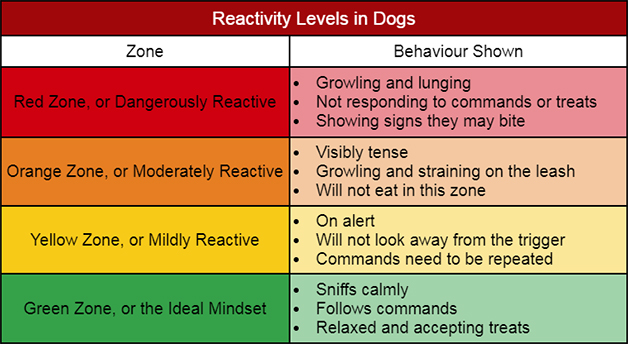
Recognizing the signs of reactivity is essential for timely intervention. A reactive dog might display behaviors such as growling, barking, or lunging. During one of our walks, my dog would pull intensely on the leash every time another dog approached. It's not just aggression; subtle signs like excessive panting or pacing can indicate stress. Does your dog freeze or tuck its tail when confronted with a trigger? These are cues that your dog is uncomfortable and needs guidance. Understanding these symptoms helps in crafting a training plan that addresses your dog's specific needs. By paying attention to these signs, you can prevent escalation and promote a calm response. --- By comprehending canine reactivity, you empower yourself to train your dog effectively. What steps will you take today to understand your dog's behavior better?
Credit: j9sk9s.com
Assessing Your Dog's Behavior
Training a dog to be less reactive involves patience and consistency. Focus on positive reinforcement techniques to encourage calm behavior. Gradually expose your dog to triggers while rewarding calm responses.
Understanding your dog's behavior is the first step to helping them become less reactive. It’s crucial to identify the causes of your dog's reactivity and determine how intense their reactions are. This allows you to create a tailored training plan that addresses their specific needs and challenges. Let’s dive into the details of assessing your dog's behavior.
Identifying Specific Triggers
Begin by observing your dog in different environments. What makes them bark or lunge? Is it another dog, a loud noise, or perhaps strangers approaching? Keep a journal of these observations. Note the time, location, and what was happening around you. This will help you spot patterns and understand what really bothers your dog. Remember my neighbor's dog, Max? He would bark uncontrollably every time a bike passed by. Identifying this specific trigger helped his owner focus on desensitization around bicycles.
Evaluating Severity
Next, consider the intensity of your dog’s reactions. Does your dog growl or snap? Or perhaps they simply whine or pull on the leash? Rate the severity on a scale from mild to severe. This helps you prioritize which behaviors need immediate attention. Think about how your dog’s reactivity affects your daily walks. Are you constantly on edge, worried they might overreact? Understanding the severity can guide you in choosing the right training techniques. By thoroughly assessing your dog's behavior, you set the stage for effective training. Are you ready to make your walks more enjoyable and less stressful?
Building A Positive Environment
Creating a calm atmosphere can help train dogs to be less reactive. Consistent routines and positive reinforcement are key. Encourage socialization with gentle introductions to new experiences.
Building a positive environment is key to helping your dog become less reactive. This approach focuses on reducing triggers. It also emphasizes creating a calm atmosphere. Dogs thrive in spaces where they feel safe and secure. By focusing on positive reinforcement and comfort, you can guide your dog towards better behavior.
Creating Safe Spaces
A safe space helps your dog feel secure. This can be a quiet corner in your home. A place with a soft bed and favorite toys. It's essential to keep this area free from stressors. Loud noises or too much foot traffic can cause anxiety. Ensure the space is consistent. Familiarity boosts your dog's confidence.
Using Calming Tools
Calming tools can greatly assist in reducing reactivity. Consider using pheromone diffusers in your home. These can create a soothing environment. Music designed for dogs also helps. It can mask outside noises that trigger reactions. Another option is anxiety wraps. These apply gentle pressure, which can calm your dog. Consistent use of these tools supports behavior improvement.
Implementing Training Techniques
Training a reactive dog requires patience and consistency. Implementing effective techniques can help manage your dog's behavior. Focus on gradual changes and positive reinforcement. This approach builds trust and calms your pet over time. Start with small steps and progress slowly.
Desensitization Strategies
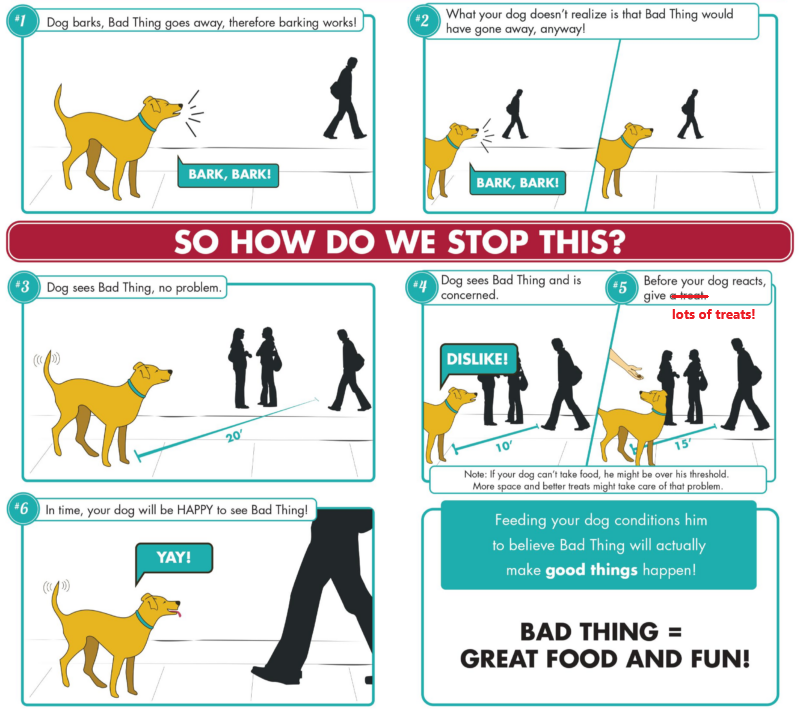
Desensitization reduces your dog's reaction to triggers. Expose your dog to the trigger at a distance. Ensure your dog stays calm. Gradually decrease the distance while maintaining calmness. Use treats to reward calm behavior. This method helps your dog adjust slowly.
Counterconditioning Methods
Counterconditioning changes your dog's emotional response. Pair triggers with positive experiences. When your dog sees a trigger, offer a treat. This creates a positive association. Over time, your dog expects good things when seeing triggers. This technique alters your dog's perception.
Using Positive Reinforcement
Training a reactive dog becomes easier with positive reinforcement. Reward calm behavior with treats and praise. Consistent practice helps your dog associate calmness with rewards.
Training your dog to not be reactive can feel like a daunting task, but with positive reinforcement, it becomes a rewarding journey. Using positive reinforcement not only helps in modifying your dog’s behavior but also strengthens the bond between you and your pet. By focusing on rewarding good behavior, you encourage your dog to repeat actions that earn praise and treats, making the training process enjoyable for both of you.
Reward-based Training
Reward-based training is the cornerstone of positive reinforcement. Each time your dog behaves calmly in a situation where they might usually react, reward them. This could be with a favorite treat, a toy, or even verbal praise like "Good job!" Think about what motivates your dog the most. Is it a delicious piece of chicken or a squeaky toy? Use that as a reward to reinforce calm behavior. Over time, your dog will start associating non-reactive behavior with positive outcomes.
Consistency And Patience
Consistency is key. Make sure everyone in your household follows the same training routine. If you reward your dog for sitting quietly when the doorbell rings, ensure everyone else does the same. Patience plays a vital role. Dogs, like humans, need time to learn new behaviors. There will be days when your dog regresses. When this happens, stay calm and continue rewarding the desired behavior. Remember, change doesn’t happen overnight. Have you ever tried learning a new skill and felt frustrated? Imagine how your dog feels. Keep the training sessions short and sweet, ideally around 5-10 minutes. This keeps your dog engaged and prevents them from becoming overwhelmed. By using positive reinforcement, you’re not just training your dog; you're building a foundation of trust and understanding. How will you start implementing these techniques today?
Credit: www.alphapaws.com
Managing Reactive Situations
Managing reactive situations is crucial in training a non-reactive dog. It involves understanding triggers and taking steps to prevent reactions. By managing these situations, you can ensure a calmer and more controlled pet. This process demands patience and consistency. Let's explore some strategies.
Avoiding Triggers
Identify what causes your dog's reactivity. It could be other dogs, loud noises, or certain people. Keep a list of these triggers. Try to steer clear of them whenever possible. Choose quiet routes for walks. Avoid crowded parks or busy streets. This reduces stress for both you and your dog. A relaxed environment is essential for effective training.
Redirecting Attention
Teach your dog to focus on you instead of the trigger. Use commands like "look at me" or "focus". Always have treats ready as rewards. Positive reinforcement strengthens their response. Practice this in a calm setting first. Gradually introduce mild triggers. Praise your dog for staying calm and attentive. This builds trust and redirects energy positively.
Incorporating Professional Help
Seeking guidance from a professional dog trainer can be crucial. They offer tailored strategies to address reactivity effectively. This support enhances training success and strengthens the bond with your pet.
Incorporating professional help can be crucial for reactive dogs. It provides guidance and support. Professional trainers offer expertise that owners might lack. They understand dog behavior deeply. Their methods can be more effective. This section explores when to seek a trainer and therapy options.
When To Consult A Trainer
Some dogs show signs of severe reactivity. In these cases, a trainer's help is essential. If your dog lunges or barks often, consider professional advice. Trainers assess your dog's behavior and triggers. They create personalized training plans. These plans help manage reactivity effectively. A trainer can also teach you handling techniques.
Therapy And Support Options
Therapy options exist for reactive dogs. Behavior modification therapy is popular. This therapy changes how dogs respond to triggers. It involves gradual exposure to stimuli. Support groups for dog owners also exist. These groups offer shared experiences. They provide emotional support and advice. Some owners find comfort in these communities. They learn new strategies and coping mechanisms.
Maintaining Progress
Maintaining progress in training your dog to be less reactive is crucial. Consistent effort ensures lasting results. The journey doesn't end with just a few training sessions. It's about embedding these practices into your dog's routine. Continued diligence helps your dog stay calm in challenging situations. Let's explore some key strategies to maintain progress.
Regular Practice
Practice makes perfect. Set aside time each day for short training sessions. Consistency reinforces positive behavior. Use familiar commands and gradually introduce new challenges. This keeps your dog engaged and focused. Regular practice helps your dog remember what they've learned. Repetition is key to reinforcing calm behavior.
Monitoring Behavioral Changes
Track your dog's behavior over time. Notice any changes, positive or negative. Keep a journal to document reactions in different situations. This helps identify triggers. Understanding these changes is essential for adjusting your training methods. Celebrate small victories. Acknowledge when your dog stays calm in a situation that used to be challenging.
.PNG)
Credit: visapoint.travel
Frequently Asked Questions
How Can I Calm A Reactive Dog?
To calm a reactive dog, use consistent training and desensitization techniques. Gradually expose them to triggers while rewarding calm behavior. Create a safe environment and use positive reinforcement. Consistent routines and patience are key to reducing reactivity over time.
What Triggers Dog Reactivity?
Dog reactivity can be triggered by unfamiliar people, animals, or noises. Lack of socialization or past trauma can increase reactivity. Understanding your dog's specific triggers helps tailor effective training strategies.
Why Is My Dog Suddenly Reactive?
Sudden reactivity may stem from changes in environment or routine. Health issues can also cause behavioral shifts. Consulting a veterinarian can help rule out medical causes and guide behavioral adjustments.
Can Professional Training Help With Reactivity?
Yes, professional training can effectively address reactivity in dogs. Trainers use specialized techniques to manage and reduce reactive behaviors. They provide guidance tailored to your dog's needs and improve socialization skills.
Conclusion
Training a reactive dog requires patience and consistency. Small steps make a big difference. Celebrate progress, no matter how small. Use positive reinforcement to encourage calm behavior. Build trust with your dog through regular practice. Create a safe environment that reduces stress.
Understand your dog's triggers to manage reactions better. Seek help from professional trainers if needed. Stay calm and patient during the process. Every effort counts towards a happier and more relaxed dog. A consistent approach leads to lasting improvement. Enjoy the journey of bonding with your pet.
Your dedication pays off in the end.


