

Imagine having the ability to save lives with the help of a loyal, four-legged partner. Training search and rescue dogs gives you this extraordinary power.
These incredible canines use their keen sense of smell and innate intelligence to locate missing persons in a variety of situations, from natural disasters to wilderness explorations gone awry. But how do you transform a playful puppy into a life-saving hero?
This guide is your roadmap to understanding the fascinating world of search and rescue dog training. Discover the steps, techniques, and secrets that can turn your dog into a skilled rescuer. By the end, you'll not only grasp the essentials but also feel empowered to make a real difference. Prepare to unlock the potential of your furry friend and embark on a mission that could change lives, including your own.
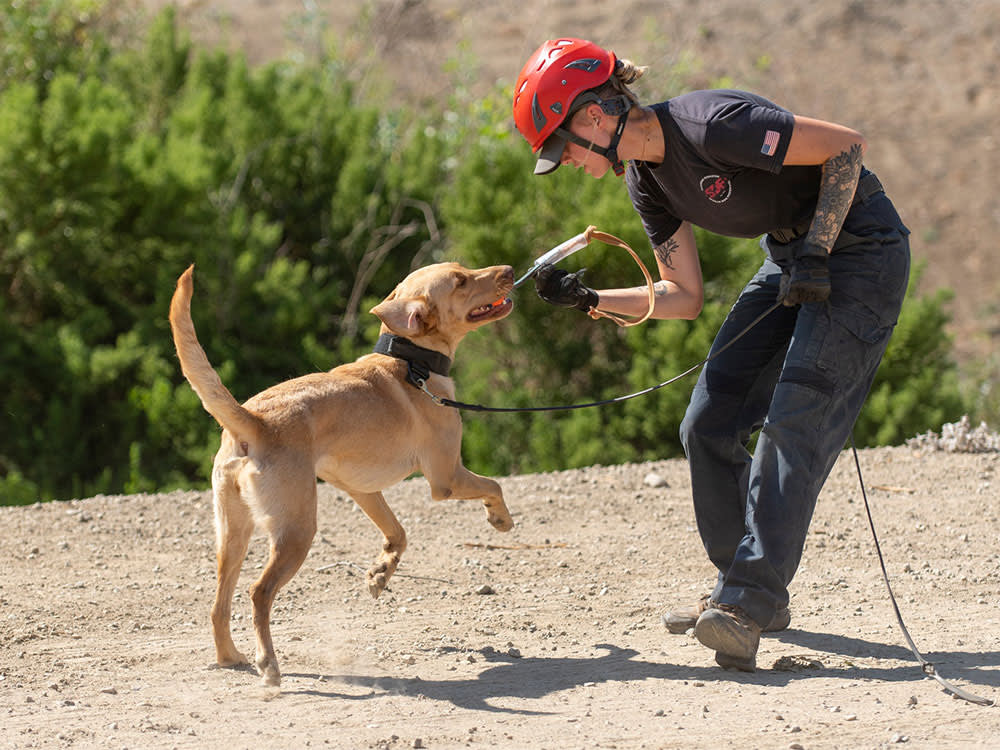
Credit: www.kinship.com
Choosing The Right Breed
Training search and rescue dogs demands careful selection of the right breed. Different breeds excel in varied environments and tasks. Choosing the right breed ensures effectiveness in search and rescue missions. Consider breed characteristics that align with mission requirements.
Physical Traits To Consider
Physical traits play a crucial role in a dog’s performance. Strong muscles and endurance are essential for long searches. A dog with a good sense of smell enhances search capabilities. Medium to large-sized dogs often handle rugged terrains better. Consider the dog's coat type for weather adaptability. Some breeds have water-resistant fur, ideal for wet conditions.
Temperament And Behavior
Temperament influences a dog's suitability for rescue tasks. Calm dogs handle stressful situations better. A dog that is eager to please learns commands quickly. Sociable dogs work well in teams and with handlers. High energy levels ensure sustained activity during missions. Balanced behavior prevents distractions during critical tasks.
Essential Skills For Sar Dogs
Training search and rescue dogs requires focus on essential skills like obedience, agility, and scent detection. Dogs must learn to follow commands quickly and navigate challenging terrains. Developing a strong bond with their handler is crucial for effective teamwork during missions.
Training search and rescue (SAR) dogs is a noble and rewarding endeavor. These heroic canines possess unique abilities that make them invaluable in emergency situations. However, to ensure their effectiveness in the field, SAR dogs must master a set of essential skills.
Tracking And Scent Detection
A SAR dog's nose is its most powerful tool. They can detect scents over long distances and through challenging terrains. Have you ever marveled at how dogs can track a missing person based solely on a scent article like a piece of clothing? Training begins with teaching dogs to differentiate between scents. Start with simple exercises using familiar scents and gradually introduce more complex scenarios. A practical tip is to hide a small object with your scent in a large area and let your dog find it. This encourages them to rely on their sense of smell. Use positive reinforcement like treats or praise to reward successful scent detection.
Obedience And Control
Obedience is the foundation of a well-trained SAR dog. Imagine a scenario where a dog runs off in the middle of a rescue operation. It's vital that SAR dogs respond promptly to commands, ensuring they remain safe and effective in the field. Begin with basic obedience commands like sit, stay, and come. Practice these commands regularly in different environments to reinforce learning. Control is equally important. SAR dogs must remain calm and focused in chaotic situations. Train them to resist distractions such as loud noises or other animals. You can simulate these conditions during training sessions to prepare them for real-life challenges. Do you see the importance of consistency and patience? Training SAR dogs is not just about teaching commands. It's about building a partnership where trust and communication are key. With the right skills, these amazing dogs can truly make a difference in saving lives.
Basic Training Techniques
Training search and rescue dogs involves teaching basic obedience and scent detection. Start with simple commands like sit and stay. Gradually introduce scent tracking exercises to develop their skills. Consistent practice and positive reinforcement are key to nurturing these essential abilities.
Training a search and rescue dog requires dedication, patience, and effective techniques. The foundation of any successful training program lies in basic training techniques. These techniques not only build essential skills but also establish a strong bond between you and your canine companion. Let's dive into some key strategies that will set your dog on the path to becoming a reliable search and rescue partner.
Positive Reinforcement
Positive reinforcement is a powerful tool in dog training. It encourages good behavior by rewarding your dog with treats, toys, or praise. Imagine the excitement in your dog's eyes when they hear your enthusiastic "good job!" after a successful task. Consistency is crucial here. Reward your dog immediately after they perform a desired action. This helps them associate the behavior with the positive outcome. Over time, your dog will repeat the behavior to receive more rewards. Have you ever wondered why dogs respond so well to positive reinforcement? It's because they thrive on pleasing their humans. This technique not only boosts their confidence but also strengthens your bond with them.
Command And Response
Establishing clear commands is essential for effective communication with your dog. Start with simple commands like "sit," "stay," and "come." Use a firm yet calm voice to give these commands. Repetition and patience are your allies here. Practice each command consistently, ensuring your dog understands what is expected. Use hand signals alongside verbal commands to reinforce understanding. Mistakes will happen, and that's okay. Gently correct your dog and guide them back to the correct response. Your patience will pay off as your dog learns to respond accurately to your commands. Training a search and rescue dog is a journey filled with challenges and triumphs. Have you ever experienced the joy of seeing your dog master a new command? It's a testament to your hard work and their determination. These techniques lay the groundwork for a successful search and rescue training program. Start small, be patient, and celebrate every milestone with your furry friend.
Advanced Training Methods
Training search and rescue dogs requires patience and expertise. Advanced methods help these dogs excel in their roles. These methods focus on realistic challenges and physical endurance. Let's explore key components of advanced training.
Simulating Real-life Scenarios
Real-life scenarios prepare dogs for actual missions. Trainers create diverse environments and obstacles. Dogs learn to navigate through forests, rubble, and water. This builds confidence in different settings. They also practice locating hidden objects and people. This enhances their detection skills.
Building Endurance And Stamina
Endurance is crucial for search and rescue tasks. Dogs must cover large areas efficiently. Training involves long-distance running and swimming. These activities boost their stamina over time. Interval training introduces varied intensity levels. This helps dogs maintain energy during lengthy operations.
Equipment And Gear
Training search and rescue dogs requires specialized equipment and gear. Essential items include harnesses, leashes, and rewards. These tools ensure safety while enhancing the dog's focus and performance during missions.
Training search and rescue dogs is an exciting journey that requires dedication and the right equipment and gear. The tools and protective gear you choose can make a significant difference in your dog's performance and safety. Let's dive into the essentials that will help you and your furry partner succeed in the challenging world of search and rescue.
Choosing The Right Tools
The tools you select for training are crucial. A sturdy leash and harness are your first investments. They provide control and ensure the dog’s safety during exercises. A GPS tracker is another valuable tool. It helps you monitor your dog’s location, especially in dense or unfamiliar terrain. Consider using clickers and whistles for communication. These tools are effective in signaling and reinforcing behaviors. A whistle can cut through noise, making it easier for your dog to hear commands even from a distance. Have you ever tried using a clicker to reinforce commands? It’s surprisingly effective.
Safety Gear For Dogs
Your dog’s safety is paramount. Equip them with a reflective vest. This increases visibility, particularly in low-light conditions. It's a simple addition that can prevent accidents. Boots are essential for protecting your dog's paws from sharp objects, hot surfaces, and rough terrain. They might take some getting used to, but they are invaluable in keeping your dog injury-free. Don’t forget hydration packs. These are great for long missions where water sources are scarce. They ensure your dog remains hydrated and ready to perform at their best. Have you equipped your dog with all the necessary gear? It’s a small step that ensures their safety and enhances their performance. Each piece of equipment and gear is a building block towards successful search and rescue missions. Whether you are starting out or have experience, choosing the right tools and ensuring safety can make a world of difference.
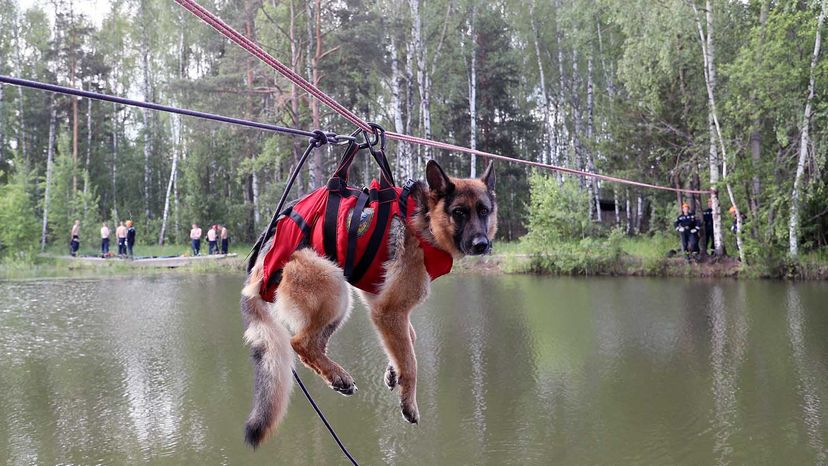
Credit: animals.howstuffworks.com
Role Of The Handler
Handlers play a crucial role in training search and rescue dogs. They guide and support the dogs. This bond ensures effective communication and teamwork during rescue missions.
Training search and rescue dogs is a rewarding yet challenging endeavor. At the heart of this process lies the crucial role of the handler. The handler is not just a guide but a partner, ensuring the dog understands commands and performs tasks efficiently. This relationship is pivotal to a successful search and rescue operation. Let's explore how you, as a handler, can enhance this partnership.
Building A Strong Bond
The connection between you and your dog is foundational. Spend quality time with your dog beyond training sessions. Engage in activities that your dog enjoys, like playing fetch or taking long walks. This bond fosters trust, which is essential when navigating challenging environments. Your dog should see you as a reliable companion. Have you ever noticed how your dog reacts to your emotions? Dogs are incredibly perceptive. Your calm and positive demeanor during training can significantly affect their performance.
Effective Communication
Clear communication is vital in search and rescue missions. Use simple, consistent commands to avoid confusion. A firm yet friendly tone can make a world of difference. Consider the use of hand signals alongside verbal commands. This can be especially useful in noisy environments. Practice these signals regularly to ensure your dog responds promptly. Feedback is another critical aspect. Praise your dog immediately when they follow a command correctly. This positive reinforcement encourages them to repeat the desired behavior. Imagine you're in a dense forest, and your dog leads you to a missing hiker. Such moments highlight the importance of effective communication and the handler's role. As you train, think about how your actions and reactions can either enhance or hinder your dog's abilities. What changes can you make today to become a better handler?
Health And Well-being
Training search and rescue dogs requires dedication. Their health and well-being are vital. A healthy dog can perform tasks efficiently. Regular care ensures longevity and peak performance. Owners must focus on diet and medical check-ups. These factors contribute to a dog's readiness and vitality.
Nutrition And Diet
A balanced diet is crucial for energy and stamina. Dogs need the right mix of proteins, carbs, and fats. Fresh water should always be available. High-quality dog food ensures they get essential nutrients. Avoid giving them table scraps or processed foods. Treats should be healthy and given sparingly. Consult a vet for personalized dietary advice. Each dog may have unique nutritional needs.
Regular Vet Check-ups
Regular vet visits keep dogs healthy and ready for action. Vets check for common health issues and ensure vaccinations are up-to-date. Parasite control is essential for dogs working outdoors. Discuss specific needs with your vet. Routine exams detect issues before they become serious. Regular dental cleanings are also important. A healthy mouth contributes to a dog's overall well-being.
Certifications And Evaluations
Training search and rescue dogs requires specific certifications and evaluations. These ensure dogs are ready for real-life situations. Regular assessments help maintain their skills and efficiency.
Certifications and evaluations are crucial for search and rescue dogs. They ensure these dogs meet high standards. Proper certifications prove a dog's skills and reliability. Evaluations help trainers understand their dogs' strengths and weaknesses.
Passing Standardized Tests
Standardized tests are essential for certification. They evaluate a dog's performance in various scenarios. Tests may include finding missing persons or objects. Dogs must show their skills under pressure. Accuracy and speed are important factors. Each dog must pass to receive certification. This ensures they are ready for real missions.
Continual Assessment
Continual assessment keeps dogs at peak performance. Trainers regularly evaluate their dogs' skills. This helps maintain their abilities over time. Regular practice is necessary for skill retention. Ongoing assessments identify areas needing improvement. Dogs and handlers both benefit from frequent evaluations. This commitment ensures the team is always prepared.
Real-world Deployment
Training search and rescue dogs involves real-world deployment exercises. Dogs learn to locate missing persons in various terrains. Consistent practice ensures they respond accurately to commands in emergencies.
Training search and rescue dogs for real-world deployment is a thrilling and vital endeavor. These specially trained dogs become heroes in times of crisis, offering hope and assistance in situations where every second counts. Let's dive into how these incredible animals are prepared and what their success stories look like on the ground.
Preparing For Missions
Getting a search and rescue dog ready for deployment is no small feat. It requires a combination of rigorous training, physical fitness, and mental preparation. You must ensure the dog can handle various terrains, from dense forests to urban rubble. Regular training sessions simulate real-life scenarios. This helps the dogs learn to stay calm under pressure and respond to commands with precision. You’ll also need to work on building a strong bond with the dog, as trust is crucial when navigating challenging environments together. Packing the right gear is essential. A well-stocked kit includes items like a first-aid kit for your dog, GPS tracking devices, and high-energy snacks. Are you ready for the unexpected challenges of the field?
Success Stories
Imagine a child lost in the woods, the family in despair, and time running out. A well-trained search and rescue dog, with its acute sense of smell, can quickly locate the missing child, bringing relief and joy to the family. These are not just stories; they are real-life rescues happening every day. One handler shared an experience where their dog found a missing elderly person in a snowstorm. The dog’s training to follow a scent trail despite adverse weather conditions proved invaluable. This success story highlights the importance of continuous training and readiness. Another memorable mission involved a dog that detected survivors under earthquake debris. This dog's ability to signal human presence under tons of rubble saved lives. How prepared is your dog to face such critical situations? These stories inspire both new trainers and seasoned handlers. They remind you of the life-saving impact that search and rescue dogs can have. What steps will you take to ensure your dog is mission-ready?

Credit: www.youtube.com
Frequently Asked Questions
What Age To Start Training A Rescue Dog?
Training should start when the dog is a puppy, around 8 to 12 weeks old. Early training helps establish foundational skills and socialization. It ensures the dog becomes adaptable and responsive. Consistent training builds a strong bond between the trainer and the dog, which is crucial for search and rescue tasks.
How Long Does Training Take For Search Dogs?
Training a search and rescue dog typically takes 1 to 2 years. The duration depends on the dog's breed, temperament, and the trainer's experience. Consistent practice and reinforcement are essential. Regular evaluations ensure the dog meets required standards for effective search operations.
What Skills Do Search And Rescue Dogs Need?
Search and rescue dogs need skills like scent detection, obedience, and agility. They must also have strong socialization and problem-solving abilities. These skills are crucial for locating missing persons in various environments. Continuous training and assessments help maintain their proficiency and effectiveness in real-world situations.
Can Any Dog Become A Search And Rescue Dog?
Not all dogs are suited for search and rescue work. Ideal candidates have high energy, intelligence, and a strong work drive. Breeds like German Shepherds, Labrador Retrievers, and Border Collies are commonly chosen. Proper assessment and training determine a dog's suitability for search and rescue roles.
Conclusion
Training search and rescue dogs requires dedication and patience. These dogs learn through positive reinforcement. They play a vital role in saving lives. With careful guidance, dogs can develop essential skills. Consistent practice enhances their abilities. Trainers must remain patient and encouraging.
Success depends on building a strong bond. Every dog has potential with the right approach. Communities benefit from trained search dogs. Their unique skills bring hope and safety. Investing time and effort truly pays off. Every step counts in their training journey.
Always remember, these dogs are heroes in fur.


