

How to Use a Shock Collar to Train a Dog?
Training your dog can sometimes feel like a daunting task. You want to communicate effectively, ensuring your furry friend understands what you expect.
Among the various training tools available, shock collars often spark curiosity and debate. How do you use a shock collar to train your dog safely and effectively? This question might linger in your mind as you search for ways to enhance your pet's behavior.
Imagine having a tool that helps bridge the communication gap, making training sessions more productive and less stressful for both you and your dog. Properly used, a shock collar can be that tool, transforming your training approach and strengthening the bond with your pet. But before you dive in, you need to know the right techniques and precautions. Ready to discover how a shock collar can become an ally in your training toolkit? Stay with us as we unravel the secrets to using this device effectively, ensuring a positive experience for you and your dog.
Choosing The Right Shock Collar
Choosing a shock collar requires careful consideration to ensure effective dog training. Select a collar with adjustable settings for safe use. Proper usage involves understanding your dog's temperament and gradually introducing the collar during training sessions.
Choosing the right shock collar is crucial for effective training. It ensures your dog's safety and comfort. With various types available, the selection process might seem daunting. Focus on finding a collar that suits your dog's specific needs. This guide will help you understand different collars and their features.
Types Of Shock Collars
There are three main types of shock collars. Basic shock collars deliver a single level of shock. They are simple and often more affordable. Variable shock collars offer adjustable levels of intensity. They provide more control over the correction level. Remote-controlled collars allow manual activation. They're ideal for training at a distance.
Features To Consider
Look for collars with adjustable intensity levels. This feature helps tailor the correction to your dog's size and temperament. Waterproof designs are essential for outdoor training. Rechargeable batteries reduce long-term costs and are eco-friendly. Some collars include a tone or vibration mode. These options can be less stressful for your dog.
Sizing And Fit
A proper fit is vital for your dog's comfort. Measure your dog's neck before purchasing. Ensure the collar isn't too tight or too loose. Most collars come with adjustable straps for a snug fit. Lightweight designs are more comfortable for small breeds. Always check the manufacturer's sizing guide for accuracy.
Understanding Shock Levels
Training dogs with shock collars involves understanding shock levels. Choose appropriate levels to ensure effective training. Start at the lowest setting and gradually increase if needed, ensuring the dog's comfort and safety.
Training a dog with a shock collar can be a highly effective method when used correctly. A crucial part of this process is understanding the shock levels. This helps ensure your dog’s safety and comfort while achieving the desired training outcomes. Many dog owners worry about the potential harm of shock collars, but with the right knowledge, you can use them responsibly and effectively. Let's delve into how you can manage shock levels to train your dog with care.
Adjustable Intensity
One of the key features of a modern shock collar is its adjustable intensity. This allows you to tailor the shock level to suit your dog’s size, temperament, and training needs. Start with the lowest setting and gradually increase it only if necessary. Remember, the goal is not to cause pain but to get your dog’s attention. A friend once shared how her timid Labrador responded well to just a gentle buzz. It's about finding that sweet spot where your dog acknowledges the signal without discomfort.
Recognizing Safe Levels
Determining safe levels is essential for effective training. Always begin with the lowest setting and observe how your dog reacts. If they seem startled or uncomfortable, the level is too high. It's crucial to avoid using the collar as a punishment tool. Instead, use it to reinforce positive behaviors. How can you tell if you've set the right level? Your dog should respond by stopping unwanted behavior or focusing on you without showing signs of distress.
Monitoring Dog's Reaction
Keep a close eye on your dog’s reaction each time you use the shock collar. Are they yelping or showing signs of fear? If so, it's time to reassess your approach. Notice subtle cues like ear movement or body posture changes. This can be more telling than vocalizations. A fellow dog trainer once emphasized the importance of watching for these signs to ensure the training remains a positive experience for the dog. Remember, every dog is different. What works for one might not work for another. Are you prepared to adjust your methods for your dog's well-being?
Establishing Training Goals
Setting clear training goals is essential when using a shock collar to train a dog. Focus on specific behaviors you want to change, like excessive barking or jumping. Ensure consistency in commands and rewards to reinforce positive actions effectively.
Establishing clear training goals is crucial when using a shock collar. These goals guide you and your dog throughout the training process. Goals help in measuring progress and ensuring safety. They also prevent misuse of the collar. Focused objectives create an effective training environment.
Behavioral Objectives
Identify specific behaviors you want to change. This could include reducing barking or stopping jumping. Clearly define these behaviors. Be precise. For example, aim for "reduce barking at strangers" instead of "stop barking." This clarity helps tailor your training sessions. It also helps in tracking progress over time.
Setting Realistic Expectations
Set achievable goals for both you and your dog. Understand your dog's learning pace. Dogs learn at different speeds. Patience is key. Expect gradual improvement rather than instant results. Avoid expecting too much too soon. Realistic goals prevent frustration. They also increase training success.
Consistent Training Routines
Consistency is vital for effective training. Establish a regular training schedule. Stick to it daily. Consistency helps your dog learn faster. It reinforces desired behaviors. Use the shock collar consistently during sessions. This builds a reliable association between behavior and correction. Consistent routines also create a stable learning environment.
Introducing The Collar To Your Dog
Training a dog with a shock collar requires patience and understanding. Start with low settings to gauge your dog's reaction. Gradually increase intensity, ensuring your dog remains comfortable and responsive throughout the process.
Introducing a shock collar to your dog can be a crucial step in their training journey. It's essential to approach this process with patience and care to ensure your dog feels comfortable and safe. By taking the right steps, you can help your dog understand that the collar is a tool for learning, not punishment. Let’s break down how you can make this introduction successful.
Familiarization Techniques
Start by allowing your dog to sniff and inspect the collar while it's off. This helps reduce any initial fear or anxiety. Hold the collar in your hand and let your dog come to it naturally. You might notice them being curious or cautious; both reactions are normal. Consider wearing the collar for short periods without activating it. This helps your dog get used to the feeling without any pressure or surprises.
Ensuring Comfort And Safety
Check that the collar fits snugly but not too tight. You should be able to fit two fingers between the collar and your dog's neck. Observe your dog closely for any signs of discomfort. If they seem to be scratching or trying to remove it, adjust the fit or take a break. Use the collar in a safe environment first. Avoid busy or noisy places where your dog might feel overwhelmed.
Positive Reinforcement Practices
Pair the collar with treats and praises. Each time your dog wears it, reward them with their favorite snack. Encourage good behavior by using the collar alongside commands and rewards. This creates a positive association in your dog’s mind. Ask yourself: How can you make this a fun experience for your pet? Turn it into a game or a special routine that your dog looks forward to. Remember, training is a journey, not a sprint. By taking thoughtful steps, you help your dog feel confident and secure, making the shock collar a helpful tool in their learning process.
Conducting Initial Training Sessions
Conducting initial training sessions with a shock collar requires patience and understanding. These sessions lay the foundation for your dog's obedience journey. It's important to start with clear goals and a calm environment. This ensures your dog associates training with positive outcomes. Begin with basic commands, then move to more complex tasks as your dog progresses. Short and frequent training sessions work best to keep your dog focused and engaged.
Basic Commands Training
Focus on essential commands like sit, stay, and come. Use the shock collar as a cue, not a punishment. Pair the collar's signal with verbal commands and hand signals. Praise your dog when they respond correctly. This builds trust and reinforces positive behavior.
Short And Frequent Sessions
Keep training sessions short, around 10 to 15 minutes each. Dogs have limited attention spans. Frequent sessions help reinforce learning without overwhelming them. Aim for two to three sessions daily. This keeps your dog engaged and improves retention of commands.
Evaluating Dog's Progress
Regularly assess your dog's response to training. Notice improvements in obedience and attention. Adjust your approach if needed. Some dogs learn faster, while others need more time. Be patient and consistent. Celebrate your dog's achievements to motivate continued success.
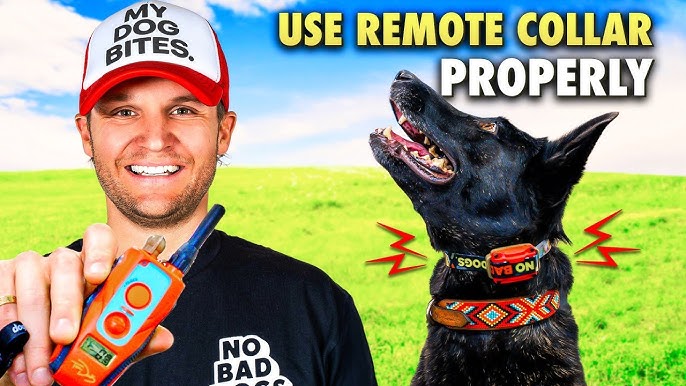
Credit: www.youtube.com
Addressing Common Challenges
Training a dog with a shock collar can be effective. Yet, it often comes with challenges. Understanding these can help improve the process. Resistance, anxiety, and overuse are common issues. Addressing them ensures a positive experience for your dog.
Handling Resistance
Some dogs resist shock collars. They may not respond well initially. Introduce the collar gradually. Use positive reinforcement alongside it. Praise your dog when they follow commands. This builds trust. Consistency is key. Keep sessions short and focused. This helps your dog adapt to the collar.
Managing Anxiety
Shock collars can cause anxiety. Watch your dog’s behavior closely. Signs like trembling or excessive barking indicate stress. Calm your dog before training. Use soothing tones and gentle actions. Ensure the collar fits properly. It should not be too tight. Comfort reduces anxiety significantly.
Avoiding Overuse
Overusing shock collars can harm your dog. Limit usage to necessary moments. Avoid using the collar for minor issues. This prevents fear and confusion. Always use the lowest effective setting. Monitor your dog’s reactions. Adjust as needed to keep them comfortable. Balance is crucial in training.
Transitioning To Off-collar Training
Transitioning to off-collar training can be a rewarding phase in your dog's training journey. This stage is all about shifting from reliance on the shock collar to a more natural form of communication. It might seem daunting, but with patience and consistency, your dog can learn to respond to commands without the need for a collar. The key is to maintain the behaviors you've taught while fostering trust and a stronger bond with your furry friend.
Gradual Reduction Of Collar Use
Start by slowly reducing the collar's use during training sessions. You can begin by using it intermittently, allowing your dog to perform tasks without constant collar cues. This gradual reduction helps the dog adjust to the absence of the collar, making them more confident in executing commands independently.
Consider setting specific days when the collar remains off during training. Observe how your dog responds and adjust accordingly. How does your dog react when they realize they can perform without the collar's guidance? This insight can guide your next steps.
Reinforcing Learned Behaviors
As you transition, it's crucial to reinforce learned behaviors consistently. Use positive reinforcement techniques, such as treats or verbal praise, to reward your dog whenever they perform a task correctly without the collar. This strengthens the association between the command and the desired behavior.
Think about the moments when your dog successfully follows a command without the collar. How can you enhance these successes with rewards? Reinforcement encourages repetition and helps cement the learned behaviors.
Building Trust And Bonding
Transitioning off-collar is an opportunity to build deeper trust with your dog. Spend quality time together, engaging in activities that strengthen your bond, such as play or leisurely walks. Trust grows when your dog feels secure and understood.
Reflect on how your relationship with your dog has evolved during training. What activities bring you both joy and mutual understanding? These experiences enhance the bond, making training more effective and enjoyable.

Credit: www.youtube.com
Ensuring Ethical Training Practices
Using a shock collar requires careful attention to ethical practices. Start with the lowest setting and monitor your dog's reaction closely. Positive reinforcement should always accompany training to ensure a safe and humane process.
Ensuring ethical training practices with a shock collar is crucial. It's important to use shock collars responsibly. Using them ethically ensures the dog's safety and happiness. Misusing them can lead to fear or aggression. Let's explore how to train ethically.
Prioritizing Dog's Well-being
Always put the dog's well-being first. Use the shock collar minimally. Start training with positive reinforcement. Use treats and praises for good behavior. Limit shock collar use to serious issues. Ensure the dog stays comfortable and stress-free.
Consulting Professional Trainers
Seek advice from professional dog trainers. They provide guidance on using shock collars correctly. Professionals have experience with different dog behaviors. They can tailor training to suit individual needs. Their expertise helps prevent misuse. Consulting them ensures effective and humane training.
Respecting Individual Dog Differences
Every dog is unique. Recognize individual differences in behavior and sensitivity. Not all dogs respond the same to shock collars. Adjust training methods based on the dog's personality. Pay attention to your dog's reactions. Modify the approach if needed. Respecting differences leads to better results.

Credit: www.chaostocalmk9training.com
Frequently Asked Questions
What Is A Shock Collar For Dogs?
A shock collar is a training device for dogs. It delivers a mild electric stimulation to the dog. It's used to correct unwanted behaviors. Always use it responsibly and as a part of a broader training plan. Consult a professional trainer for guidance.
Are Shock Collars Safe For Dogs?
When used correctly, shock collars are generally safe. They should only deliver mild stimulation to avoid harm. It's crucial to follow manufacturer instructions and consult a professional trainer. Overuse or misuse can lead to physical and psychological harm.
How Do Shock Collars Help In Training?
Shock collars provide immediate feedback to the dog. This helps in correcting unwanted behaviors effectively. They are most effective when combined with positive reinforcement. Using them consistently can help reinforce desired behaviors over time.
Can Shock Collars Be Used On All Dog Breeds?
Shock collars can be used on most dog breeds, but not all. Sensitive or small breeds may not tolerate them well. Always consider your dog's temperament and consult a vet or trainer. Proper assessment ensures the collar is suitable and humane for your dog.
Conclusion
Training with a shock collar requires care and patience. Start with low settings. Observe your dog's reactions closely. Always pair corrections with verbal commands. Build trust and understanding. Shock collars should not replace love and attention. Use them as a tool, not a solution.
Ensure your dog feels safe and secure. Consistency is key in successful training. Every dog is unique. Adjust the approach as needed. Your bond with your dog matters most. Happy training leads to a happy dog.


