

Are you struggling with training your dog? Wondering if a shock collar might be the solution you need?
You're not alone. Many dog owners face the same challenges, and the idea of using a shock collar can be daunting. But what if you could effectively train your furry friend without feeling overwhelmed or guilty? Imagine a world where your commands are respected, and your dog is happier and more obedient.
We will guide you through the process of using a shock collar safely and effectively. You'll learn the ins and outs, ensuring both you and your dog have a positive experience. Stay with us, and by the end, you'll feel confident and equipped to take the next step in your dog's training journey.
Choosing The Right Shock Collar
Choosing the right shock collar for your dog is crucial to ensuring effective training and maintaining your pet's safety and comfort. The market is flooded with various options, making it challenging to pick the right one. Understanding the types, features, and sizing will help you make an informed decision. Let's dive into these aspects and discover how you can select the perfect shock collar for your furry friend.
Types Of Shock Collars
Shock collars come in different types, each serving unique training purposes. Some collars offer vibration or sound in addition to the shock function, providing a gentler approach to correction. Others are designed specifically for boundary training, helping your dog understand limits without the need for physical barriers. Consider what you aim to achieve with the collar when choosing the type.
Features To Consider
Features play a significant role in the effectiveness of a shock collar. Look for adjustable intensity levels, allowing you to tailor the correction to your dog's size and temperament. A remote control can offer convenience in outdoor settings, enabling you to manage the correction from a distance. Waterproof options are essential if your dog enjoys splashing around, ensuring the collar remains functional in all weather conditions.
Sizing And Fit
A collar that fits well is crucial for both comfort and effectiveness. Measure your dog's neck carefully and check the manufacturer's guidelines for sizing. A collar that's too tight can cause discomfort, while one that's too loose might not deliver correction effectively. Try it on your dog and observe their comfort level. Adjust as necessary to ensure a snug but comfortable fit.
Have you ever noticed how your dog reacts differently to various collars? Choosing the right shock collar can make all the difference in their training journey. Keep these aspects in mind and you'll find a collar that suits your dog's needs, making training a more pleasant experience for both of you.
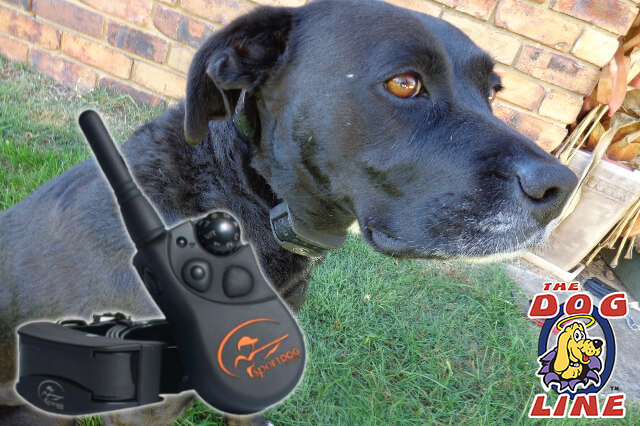
Credit: www.thedogline.com.au
Understanding Your Dog's Behavior
Understanding your dog's behavior is key in training with a shock collar. Observing and interpreting signals helps to communicate effectively with your pet. Dogs express themselves through body language and vocal cues. Recognizing these signals ensures a balanced training approach. It also fosters a positive relationship between you and your furry friend.
Reading Body Language
Dogs communicate largely through their bodies. Tail wagging can mean happiness. A stiff tail might indicate tension. Ears back usually signals fear or submission. Raised hackles often show aggression or fear. Observing these signs helps in adjusting training techniques. Ensure your dog is comfortable during sessions.
Identifying Training Needs
Every dog has unique training needs. Some need basic obedience skills. Others require behavioral adjustments. Identifying these needs is crucial for effective training. Consider your dog's temperament. Age and breed also play roles in training requirements. Assessing these factors guides the use of the shock collar.
Recognizing Stress Signals
Stress signals in dogs need careful attention. Panting may indicate stress or overheating. Excessive licking or yawning often shows anxiety. Avoid pushing your dog too hard during training. Respect these signals to maintain a healthy training environment. Adjust methods if stress signals persist.
Setting Up The Shock Collar
Setting up a shock collar involves placing the collar snugly on your dog’s neck. Ensure the contact points touch the skin. Start with the lowest setting to check your dog's response. Adjust gradually for effective training.
Training your dog with a shock collar can be an effective way to address behavioral issues, but setting it up correctly is crucial to ensure safety and effectiveness. If you're new to using a shock collar, understanding how to set it up might seem daunting. Let's break it down into manageable steps that will have both you and your dog ready for a successful training journey.
Proper Collar Placement
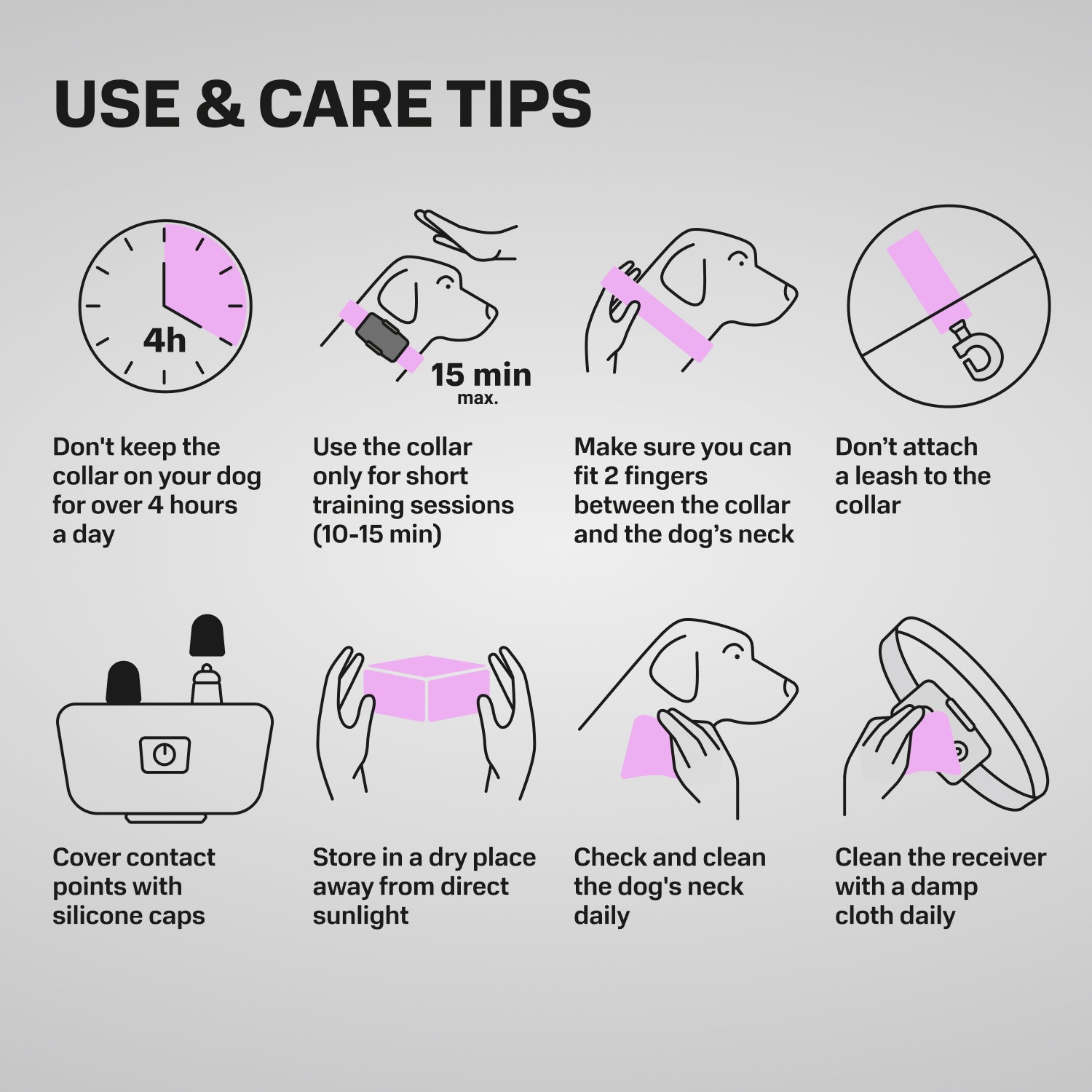
The way you place the collar on your dog's neck can significantly impact its effectiveness. Ensure the collar is snug but not too tight. You should be able to slip two fingers between the collar and your dog's skin. This helps avoid discomfort while maintaining contact with the electrodes. Position the collar high on your dog's neck, just beneath the jawline. This ensures proper contact and reduces the likelihood of the collar slipping. Have you ever worn a watch too loose or too tight? It’s similar for dogs—comfort leads to better results.
Adjusting Intensity Levels
Adjusting the intensity levels correctly is crucial for humane training. Start with the lowest setting and observe your dog's reaction. If your dog doesn’t respond, gradually increase the level until you see a slight reaction, such as a twitch of the ear. Remember, the goal is to get your dog’s attention, not to cause pain. Think about it like a gentle tap on the shoulder to get someone’s attention. Never set the collar to a level that causes distress or fear.
Testing The Device
Before you start training, test the shock collar to ensure it’s working as expected. Many collars come with a test light that allows you to check the functionality without putting it on your dog. This step is critical to avoid unexpected surprises during training sessions. Testing helps you familiarize yourself with the controls and the different settings. It builds confidence in using the device correctly. Have you ever tried using a new gadget without reading the manual? Testing is your manual for a smooth training experience. By focusing on these steps, you're setting the stage for a positive training experience. What challenges have you faced while setting up a shock collar? Share your stories and tips in the comments!
Credit: petspy.com
Implementing Training Sessions
Training your dog with a shock collar requires patience and understanding. Begin with short sessions to avoid stress. Adjust the collar's settings to find a level that gets attention without causing pain. Always reward good behavior to reinforce positive actions.
Implementing training sessions with a shock collar requires careful planning. It's crucial to ensure a positive experience for both you and your dog. The goal is to teach your dog effectively without causing distress. Consistency and patience play a vital role in the success of these sessions. This guide will walk you through the process. It will help you establish clear goals, maintain a regular schedule, and use positive reinforcement.
Establishing Training Goals
Clear goals guide successful training sessions. Know what you want your dog to learn. Whether it's basic commands or more advanced skills, set specific objectives. Write down these goals. Make them realistic and achievable. This clarity helps focus your efforts and track progress.
Scheduling Regular Sessions
Consistency is key to effective training. Set a regular schedule for your sessions. Short, daily sessions work best. They keep your dog engaged and prevent fatigue. Aim for 10 to 15 minutes each day. Regular practice helps reinforce learning. It also builds a routine that your dog will expect and enjoy.
Incorporating Positive Reinforcement
Positive reinforcement is essential in training. Pair the shock collar with rewards. Use treats, praise, or playtime as incentives. This approach encourages your dog to associate training with positive outcomes. Always reward good behavior immediately. This connection strengthens the training process.
Monitoring Progress
Training your dog with a shock collar requires careful monitoring. Tracking progress ensures effective and safe training. Consistent observation helps identify behavioral changes. It also aids in adapting techniques for better results. Monitoring is key to achieving desired outcomes.
Tracking Behavioral Changes
Watch your dog closely during training sessions. Note any changes in behavior. Is your dog responding positively to commands? Does he seem confused or scared? Record these observations. They guide your training approach.
Keep a training journal. Document each session's details. Include duration, commands used, and responses observed. This helps track patterns and improvements. Over time, you'll notice clear behavioral trends.
Adapting Techniques
Every dog is unique. What works for one may not work for another. Be flexible with your training methods. If a technique isn't effective, try a different approach.
Adjust the collar's settings as needed. Some dogs require a gentler touch. Others may need a firmer approach. Always prioritize your dog's comfort. Ensure the training remains positive.
Consult a professional if needed. Expert advice can provide new strategies. It can also ensure the safety and well-being of your dog.
Maintaining Consistency
Consistency is crucial in dog training. Stick to a regular schedule. This helps your dog understand expectations. It also reinforces learning.
Use the same commands and signals. Avoid confusing your dog with mixed messages. Consistent reinforcement builds confidence. It strengthens the bond between you and your dog.
Involve all family members in the training process. Ensure everyone uses the same techniques. This prevents inconsistency and strengthens training outcomes.
Addressing Common Concerns
Using a shock collar for dog training often raises concerns. Many dog owners worry about the safety and ethics of this method. They also wonder if other training options might be better. Addressing these concerns helps make informed decisions.
Safety Considerations
Ensuring the shock collar is safe is vital. Choose a collar with adjustable settings. This allows control over the intensity of the shock. Start with the lowest setting and observe your dog's reaction. Never use a shock collar on puppies under six months. Always consult with a vet or a professional trainer.
Proper fit is crucial. A collar that's too tight can harm your dog. Place the collar high on the neck and check for comfort. Regularly inspect the collar for damage or wear. A well-maintained collar ensures safety during training.
Ethical Implications
Ethical concerns often arise with shock collar use. Many worry it may cause unnecessary stress or fear. Understanding your dog’s temperament is key. Some dogs may not respond well to this method. It's important to use it as a last resort, not the first choice.
Training should always be humane. Focus on positive reinforcement whenever possible. Rewarding good behavior encourages trust and bond-building. A balance between discipline and reward creates an effective training environment.
Alternative Training Methods
Consider exploring other training methods. Positive reinforcement is a popular choice. Use treats, praise, or toys to reward good behavior. This builds a positive association with commands.
Clicker training is another option. It involves using a clicker to mark desired behavior. This method is less stressful and encourages learning. Obedience classes can also provide structured training with professional guidance.
Each dog is unique. What works for one may not work for another. Explore various methods to find the best fit for your pet. Training should be a positive experience for both you and your dog.
Credit: www.youtube.com
Frequently Asked Questions
What Is A Shock Collar For Dogs?
A shock collar is a device used in dog training to deliver mild electric shocks. It aims to correct undesirable behaviors. These collars are adjustable to ensure minimal discomfort. They should be used as part of a comprehensive training plan.
Proper guidance and positive reinforcement are essential for effective use.
How Does A Shock Collar Work?
Shock collars work by sending a signal to correct a dog's behavior. They deliver a mild electric shock when activated remotely. This aims to deter unwanted actions. Most collars allow for adjustable intensity levels. It's crucial to use them responsibly and always prioritize the dog's well-being.
Are Shock Collars Safe For Dogs?
Shock collars can be safe if used correctly and responsibly. They should not cause injury or distress. Always start with the lowest setting to ensure minimal discomfort. Consult a professional trainer for guidance. It's essential to combine their use with positive reinforcement techniques for effective training.
Can Shock Collars Be Used On Puppies?
Using shock collars on puppies is generally not recommended. Puppies are still learning and developing. Positive reinforcement is a safer and more effective method. If considering one, consult a professional trainer. Always prioritize gentle training techniques to nurture a puppy's growth and learning.
Conclusion
Training your dog with a shock collar needs care and patience. Always prioritize your dog's comfort and safety. Begin with low settings to avoid distress. Positive reinforcement is equally crucial. Pair shock collar training with rewards. Gradually increase settings only if needed.
Monitor your dog's reactions closely. Adjust techniques as your dog learns. Consistency is key for effective results. Seek professional advice if you face challenges. Remember, every dog learns differently. Your approach should reflect understanding and compassion. Successful training strengthens your bond.
Happy training creates a happy pet.


