You've seen it happen at the dog park, maybe even at home—your dog suddenly starts humping a pillow, another dog, or even your leg. This behavior can be confusing and sometimes downright embarrassing.
Why do dogs do this? Is it normal? Should you be worried? You're not alone in asking these questions. Understanding humping behavior in dogs is crucial for every pet owner. It’s not just about managing awkward moments; it’s about ensuring your furry friend is happy and healthy.
We’ll delve into the reasons behind this common canine behavior, helping you decode what your dog might be trying to tell you. Keep reading to discover practical tips and insights that could transform your relationship with your pet.
Common Causes Of Humping
Humping in dogs can puzzle many pet owners. This behavior can appear awkward or even embarrassing. Understanding the reasons behind it can help manage it better. Dogs may hump for various reasons, each with its own triggers and motivations.
Social Interaction
Dogs often hump as a way to interact socially. This behavior can occur during play with other dogs. It's a common way to show excitement or friendliness.
Excitement Or Overstimulation
Humping can happen when a dog feels excited. Overstimulation from play or new environments can lead to this behavior. The dog may not know how to express its excitement.
Dominance Display
Some dogs hump to show dominance. This behavior can occur in multi-dog households. The dog may try to establish its position within the group.
Sexual Behavior
Humping can also be related to sexual instincts. Unneutered or unsprayed dogs may hump more due to hormones. This is a natural behavior in their development.
Anxiety Or Stress
Dogs may hump when they feel anxious or stressed. Changes in environment or routine can trigger this. It may serve as a coping mechanism for the dog.
Age And Developmental Factors
Dogs often exhibit humping behavior, influenced by their age and developmental stage. Puppies may hump as a playful activity, while adult dogs might do so due to social or hormonal reasons. Understanding these factors can help in managing and redirecting such behavior effectively.
Understanding the age and developmental factors that influence humping behavior in dogs can help you manage and mitigate this sometimes embarrassing habit. Dogs, much like humans, experience different stages of growth that affect their behavior. Recognizing these stages can offer insights into why your furry friend might be humping and what you can do about it.
Puppy Play
Puppies often hump as a form of play. It's their way of exploring the world and learning about social interactions. At this stage, humping is rarely about dominance or sexual behavior. If you notice your puppy humping, redirect their attention with a toy or a game. Consistent redirection helps them understand that playtime doesn’t have to involve humping. Did you know that some puppies even hump to initiate play with their siblings?
Adolescent Phases
As dogs move into adolescence, usually around six to twelve months, hormones kick in. This surge can lead to an increase in humping behavior. It’s not uncommon for adolescent dogs to hump more frequently, especially if they haven’t been spayed or neutered. Consider spaying or neutering your dog to help reduce hormone-driven behaviors. Training and socialization are also crucial during this phase. How often have you seen a teenage dog try to assert themselves, only to learn better through consistent guidance?
Adult Dog Behavior
In adulthood, humping can be a sign of stress, excitement, or even a learned habit. Unlike puppies and adolescents, adult dogs might hump to cope with anxiety or to get attention. Observe the situations that trigger humping in your adult dog. Is it when guests arrive or during playtime? By identifying these triggers, you can better address the root cause. Sometimes, simple adjustments like more exercise or mental stimulation can make a big difference. Addressing humping behavior in dogs isn't just about stopping an action—it's about understanding your dog's needs and helping them adjust. How will you use these insights to improve your dog's behavior?
Breed-specific Tendencies
Humping behavior in dogs often varies with breed tendencies. Some breeds show this behavior more frequently than others. Understanding these tendencies can help manage unwanted behavior.
Understanding Breed-specific Humping Behavior
Each dog breed comes with unique traits. Some are more prone to humping. For instance, certain breeds are more energetic or dominant. These characteristics can influence their behavior.
The Role Of Size And Energy Levels
Smaller breeds might hump due to excitement or playfulness. Larger breeds often show dominance through humping. Energy levels can also play a significant role. High-energy dogs may hump to release pent-up energy.
Dominance In Certain Breeds
Dominant breeds like German Shepherds may hump to assert control. This behavior can be seen in both males and females. Training helps manage this dominance-driven humping.
Playfulness In Toy Breeds
Toy breeds often hump as a playful gesture. They might not mean to dominate. It's more about excitement and play.
Managing Humping In Specific Breeds
Training and attention are key to managing this behavior. Positive reinforcement can guide dogs away from humping. Knowing your breed's tendencies helps in planning effective strategies.
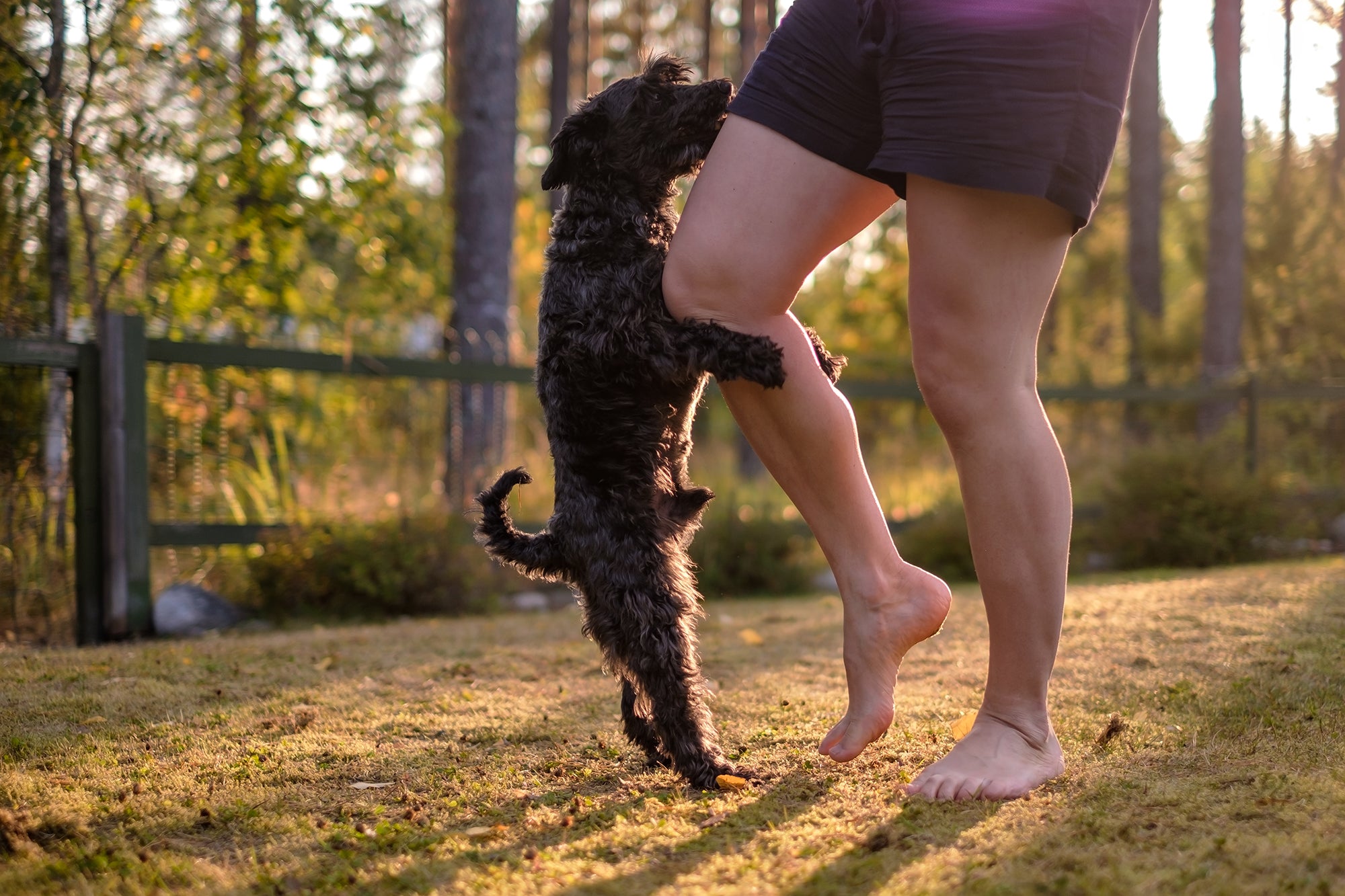
Credit: nativepet.com
Health-related Concerns
Dogs may hump due to stress, excitement, or medical issues. This behavior isn't always sexual. Consulting a vet ensures it's not a health concern.
When your dog starts humping everything in sight, it might be more than just an embarrassing behavior. Health-related concerns could be lurking behind this common canine habit. Understanding these issues can help you address the root cause and ensure your furry friend stays healthy and happy. Let's explore some health concerns linked to humping behavior in dogs.
Skin Irritations
Frequent humping can lead to skin irritations. This is especially true if your dog is rubbing against rough surfaces or objects. You might notice redness or even sores on your dog's skin. Keeping an eye on your dog's skin condition is crucial. If you spot any changes, consult your vet. They can recommend treatments to soothe and heal the irritated areas.
Urinary Tract Infections
Humping might also be a sign of a urinary tract infection (UTI). Dogs often hump to relieve discomfort caused by these infections. It's their way of telling you something is wrong. You might notice other signs like frequent urination or accidents inside the house. If you suspect a UTI, a vet visit is essential. They will provide medication to clear up the infection and relieve your dog's discomfort.
Neurological Issues
In some cases, humping can be linked to neurological issues. It's not just a behavioral quirk but a signal that something might be amiss in your dog's brain. Neurological problems can affect coordination and behavior. Have you noticed any other unusual behaviors in your dog? Things like confusion or changes in coordination might indicate a neurological issue. A professional evaluation can help rule out or confirm these concerns. --- Addressing health-related concerns is critical. Your dog's well-being depends on your vigilance and care. So, next time your dog starts humping, take a closer look. What might seem like a quirky habit could be a call for help.
Environmental And Situational Triggers
Environmental and situational triggers play a significant role in influencing humping behavior in dogs. These triggers can often be subtle, yet they profoundly impact your dog's actions. Understanding these factors can help you manage and minimize unwanted humping.
Changes In Routine
Dogs thrive on consistency and predictability. A sudden change in their daily routine can lead to stress and confusion. Imagine you’re used to a 7 AM walk, but suddenly, it shifts to 10 AM. This disruption can make your dog feel uneasy, often resulting in humping as a stress response.
Keep an eye on how your dog reacts to changes. If you notice increased humping, it might be time to return to a more structured schedule. Consistency provides comfort and reduces anxiety.
Presence Of Other Animals
Your dog might respond differently when other animals are around. Their behavior could be influenced by the excitement or territorial instincts. Ever brought a new pet home and noticed your dog’s humping behavior spike? This is often a way for them to assert dominance or cope with the new presence.
Introduce new animals gradually and monitor interactions. Ensure each pet has its own space to feel secure and less threatened. This can reduce humping triggered by competition or anxiety.
Lack Of Physical Activity
Physical activity is crucial for a dog’s mental and physical health. Without enough exercise, dogs can become restless and resort to humping as an outlet for pent-up energy. Think about those days when bad weather keeps you indoors; your dog’s energy levels don’t decrease just because the sun isn’t shining.
Regular exercise is key. Even short, frequent walks or play sessions can make a big difference. What unique activities do you engage in to keep your dog active? Sharing tips and tricks can help other dog owners navigate similar challenges.
Have you observed any of these triggers in your dog? Identifying them can lead to more effective management strategies, enhancing your dog's well-being and your peace of mind.
Training And Management Strategies
Understanding humping behavior in dogs is crucial for effective management and training. This common behavior often stems from excitement or stress. Training strategies focus on redirecting attention and reinforcing positive behavior, ensuring a balanced and harmonious environment for both pets and owners.
Training and managing humping behavior in dogs can be a rewarding journey. It’s about understanding your dog's needs and guiding them in the right direction. With the right strategies, you can turn a challenging situation into an opportunity for growth and bonding.
Positive Reinforcement
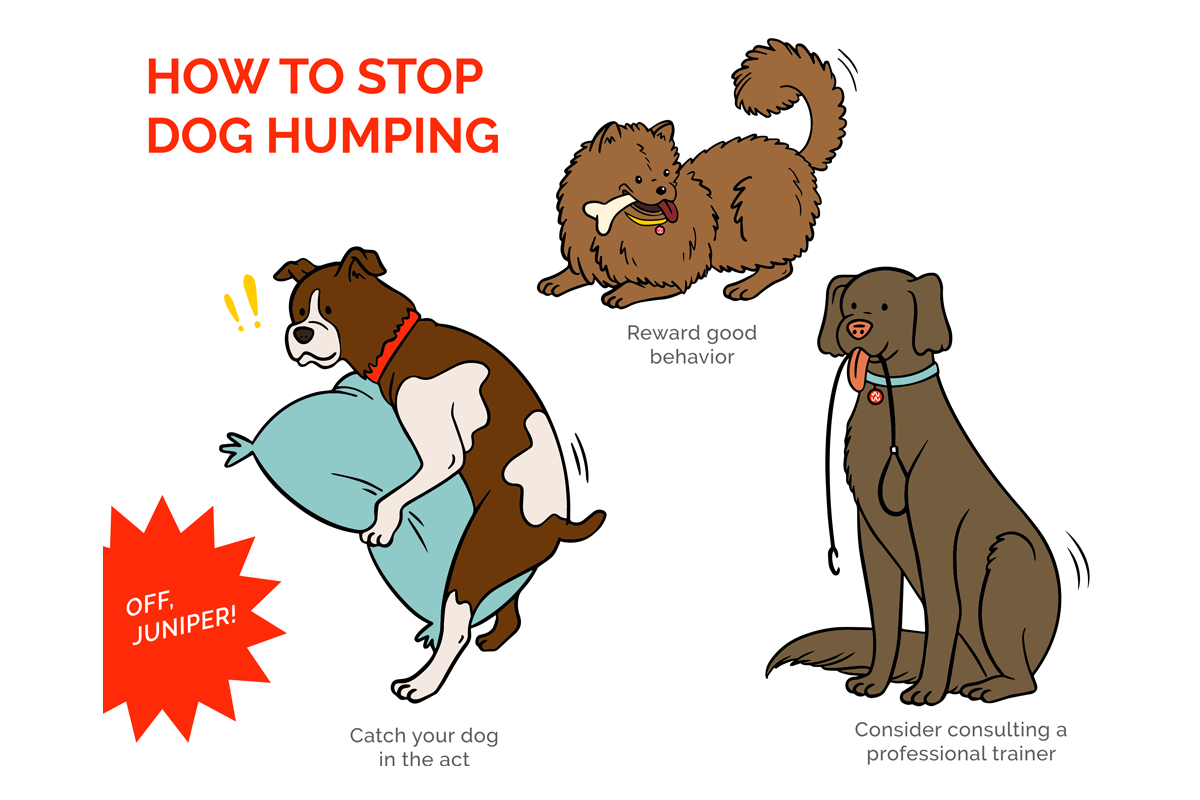
Harness the power of positive reinforcement to guide your dog’s behavior. Reward your furry friend with treats, praise, or extra playtime when they exhibit desired behaviors instead of humping. Celebrating these small victories can build a strong foundation for more positive habits. Think about a time when you learned something new. Wasn't it more enjoyable when someone cheered you on? Dogs feel the same way!
Redirecting Behavior
Redirecting is a clever strategy. Offer your dog a toy or engage them in an activity when they start to hump. This simple diversion can shift their focus and energy to something more appropriate. Have you ever tried redirecting your own habits? It’s a bit like choosing a fruit instead of a candy bar. Once the habit changes, it feels natural and rewarding.
Consistent Commands
Consistency is your secret weapon. Use the same command every time your dog begins to hump, like "off" or "stop." This helps them understand what you expect. Imagine if you changed traffic light colors every day. Confusing, right? Consistent commands provide clarity and help your dog learn faster. Training and managing humping behavior isn’t just about stopping a behavior. It’s about teaching your dog and growing your relationship with them. What strategies will you try first?
When To Seek Professional Help
Persistent humping behavior in dogs may signal stress or health issues. Consult a vet if it becomes frequent or uncontrollable. Understanding underlying causes helps ensure your dog's well-being.
Understanding when to seek professional help for your dog's humping behavior can be crucial for both their well-being and your peace of mind. While this behavior might seem harmless or simply embarrassing, it can sometimes indicate deeper issues that require expert attention. Knowing when to call in the professionals can make all the difference.
Persistent Behavior
If your dog is constantly humping, even after you've tried to manage it, it might be time to consult a professional. This behavior can become compulsive, much like a habit that's hard to break. Imagine your dog ignoring commands and continuing this behavior—this persistence signals a need for intervention. A dog trainer or behaviorist can help. They can observe your dog's behavior and suggest strategies tailored to your dog's needs. It's important to address this before it affects your dog's social interactions or your home life.
Aggressive Tendencies
Humping that's coupled with aggression isn't something to take lightly. If your dog becomes snappy or territorial during or after humping, it's time to act. This behavior can escalate and lead to situations that are unsafe for both your dog and others. Think about the last time your dog humped and growled at the same time—this could be a red flag. An animal behaviorist can help you identify triggers and work on modifying your dog's responses. Don't wait until the aggression becomes unmanageable.
Underlying Health Issues
Sometimes humping isn't just a behavioral issue—it's a health concern. Conditions like urinary tract infections or skin allergies can cause discomfort, leading dogs to hump as a way to cope. This isn't something you can fix with training alone. If you notice your dog is humping more than usual, or if it seems to be in discomfort, a vet visit is essential. A veterinarian can rule out or diagnose health issues and recommend treatments. This step ensures your dog isn't suffering silently from an unseen problem. In your experience, have you noticed any of these signs in your dog? Taking action sooner rather than later can prevent problems from escalating. Your dog's happiness and health are worth the effort of seeking professional guidance.
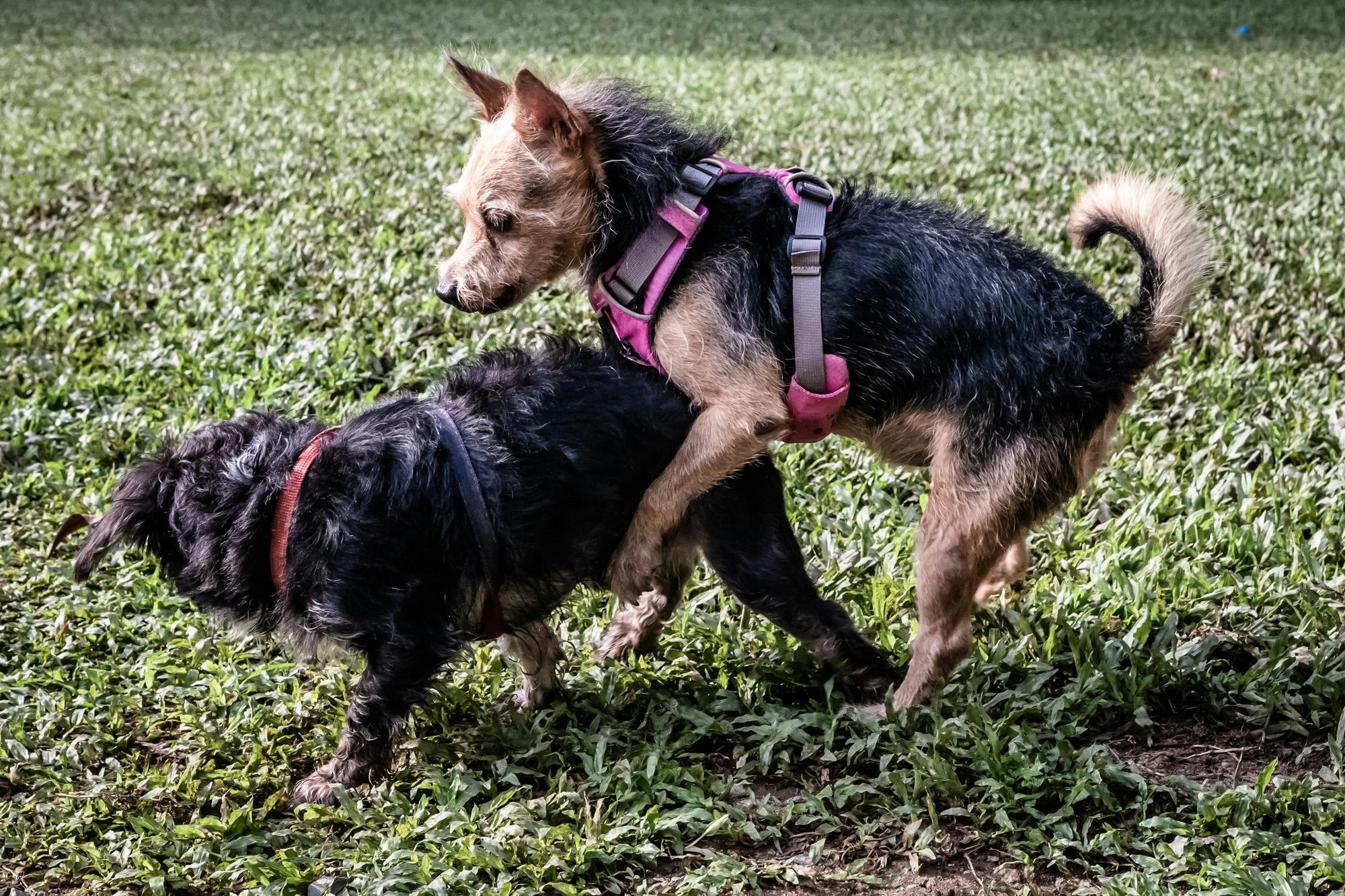
Credit: positively.com
Credit: goodheartbroadway.com
Frequently Asked Questions
Why Do Dogs Hump Objects?
Dogs hump objects for various reasons, including excitement, stress, or asserting dominance. This behavior is common and can also be a way for dogs to relieve pent-up energy. In some cases, it might be a sign of a medical issue, so observing the context is crucial.
Is Humping Behavior Normal In Dogs?
Yes, humping behavior is normal in dogs. It's often a natural part of their behavior and development. Both male and female dogs may exhibit this behavior. It can occur during play, as a form of communication, or when they're feeling anxious or excited.
How Can I Stop My Dog From Humping?
To stop your dog from humping, redirect their attention to toys or commands. Consistent training and positive reinforcement can help manage this behavior. Ensure your dog gets enough physical and mental exercise daily, as this might reduce excessive energy causing the humping.
Is Humping A Sign Of Aggression?
Humping is not typically a sign of aggression in dogs. Instead, it's often linked to excitement, stress, or social interactions. However, if accompanied by other aggressive behaviors, it's essential to consult a professional trainer or veterinarian for guidance.
Conclusion
Understanding humping behavior in dogs is important for every pet owner. This behavior can be natural or indicate other needs. Training can help manage it effectively. Observing your dog's behavior provides valuable insights. Consistent routines and patience are key. Remember, every dog is unique and may require different approaches.
If concerns arise, consulting a vet can provide guidance. Building a strong bond with your dog ensures happiness and well-being. Prioritize their needs and enjoy a harmonious relationship. Keep learning and adapting to your dog's behavior for a loving companionship.