Are you wondering if a raw food diet is the best choice for your furry friend? You're not alone.
Many dog owners are curious about this trend, which claims to bring dogs closer to their natural eating habits. But is it really beneficial, or could it be harmful? We'll dig into the facts, helping you make an informed decision that prioritizes your dog's health and happiness.
By the end, you'll have a clearer understanding of whether a raw food diet is right for your beloved pet. Let's explore this hot topic together and discover what's best for your dog's well-being.
What Is A Raw Food Diet For Dogs?
A raw food diet for dogs includes uncooked meat, bones, and vegetables. Many dog owners believe it improves energy and coat health. Yet, it's essential to ensure nutritional balance to prevent health issues.
Switching your dog to a raw food diet can be a significant decision. Many pet owners are curious about whether this diet can improve their dog’s health and well-being. Understanding what a raw food diet entails is the first step in making an informed choice for your furry friend.
What Exactly Is A Raw Food Diet?
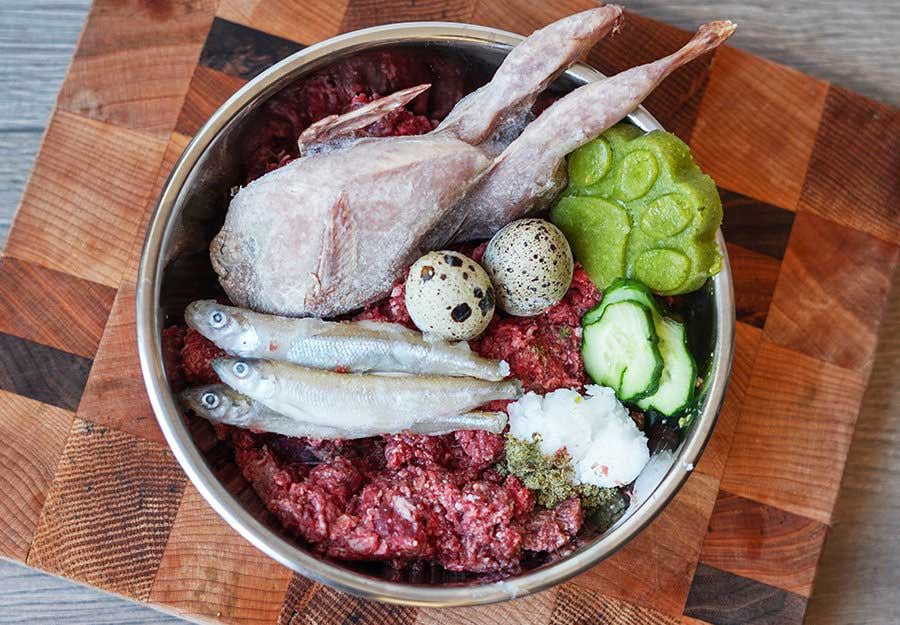
A raw food diet for dogs primarily consists of uncooked meats, bones, and organ meats. It can also include raw fruits and vegetables, eggs, and dairy products. This diet mimics what dogs might eat in the wild, emphasizing natural and unprocessed ingredients.
Components Of A Raw Food Diet
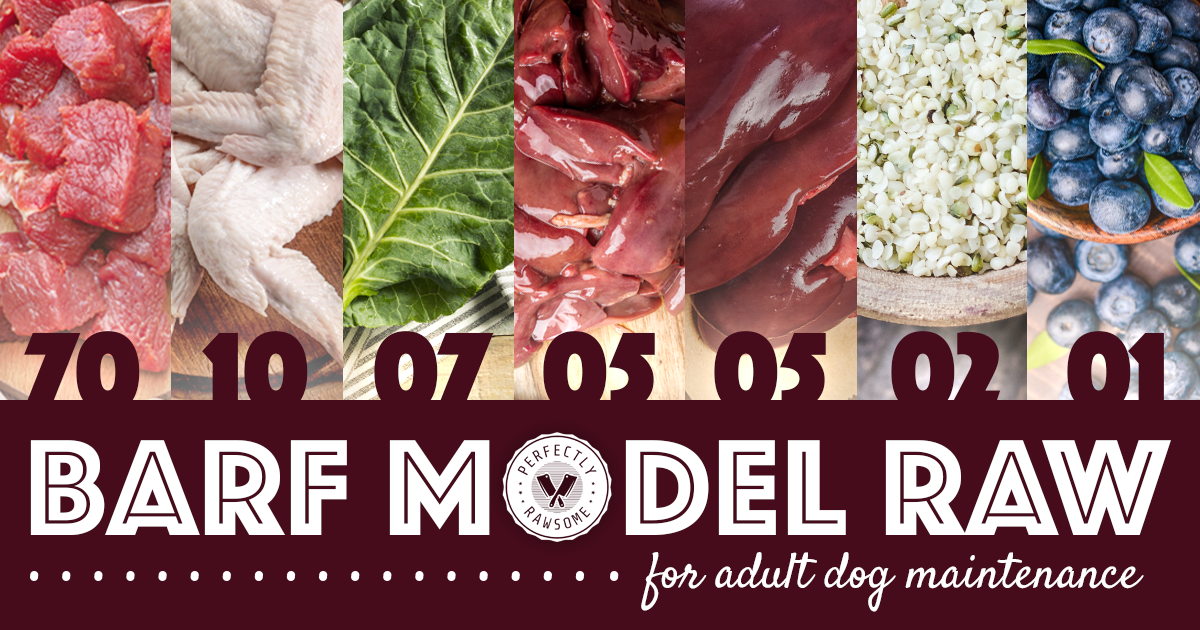
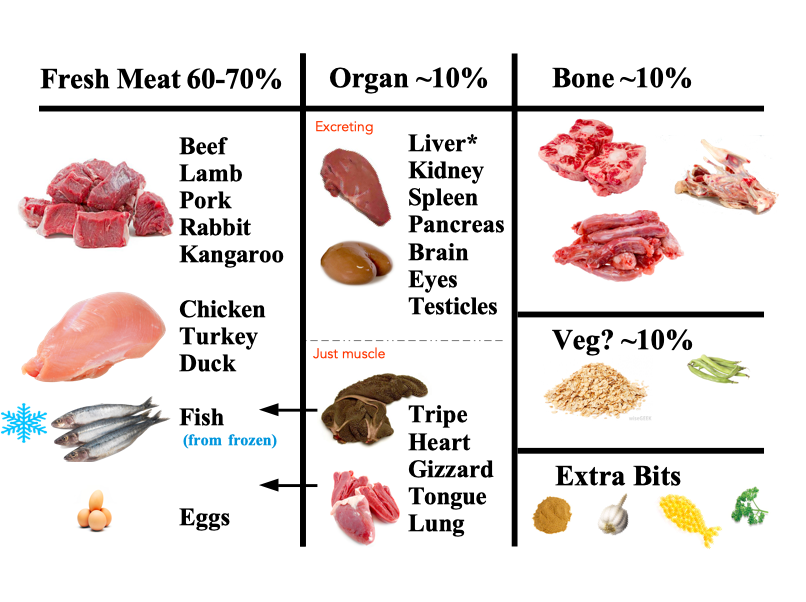
The main components are raw muscle meat, often still on the bone, and organs like the liver and kidneys. Raw bones provide calcium and phosphorus. Some diets also incorporate vegetables like spinach and carrots, which offer essential vitamins and minerals.
Different Types Of Raw Diets
There are several variations of raw diets. The BARF diet (Biologically Appropriate Raw Food) includes raw meat, bones, and vegetables. The prey model diet focuses on replicating the entire prey animal, including meat, bones, and organs, but often excludes vegetables.
The Appeal Of Raw Food Diets
Proponents believe raw diets improve coat shine, skin health, and energy levels. Some dog owners report fewer allergies and improved digestion. However, it's essential to consider if your dog can handle raw foods without adverse effects.
What To Consider Before Switching
Ask yourself if you can source high-quality raw ingredients consistently. Consider your dog’s specific health needs and consult with a veterinarian. Not all dogs thrive on raw diets, so observe your pet closely if you decide to make the switch.
Personal Experience With Raw Diets
I once switched my Labrador to a raw diet and noticed increased energy and a shinier coat. However, preparation was time-consuming and required learning about nutritional balance. This experience taught me the importance of careful planning and veterinary guidance. Thinking about a raw food diet for your dog? Weigh the benefits against the challenges, and always prioritize your dog’s health and safety. Would your dog thrive on this natural diet, or are there better options out there?
Benefits Of Raw Food Diet
Raw food diet for dogs offers potential health benefits like improved coat, energy, and digestion. Fresh ingredients can enhance their immune system and dental health. Many dog owners find this diet supports overall well-being.
Switching your dog to a raw food diet can be a game-changer for their overall health. Advocates of this diet swear by its benefits, noting transformations in their pets that are nothing short of remarkable. As you consider this dietary shift, understanding the tangible advantages can help you make an informed decision.
Improved Digestion
Many dog owners report that their pets experience better digestion on a raw food diet. You might notice fewer stomach upsets and more regular bowel movements. This is often due to the diet's natural enzymes, which aid in breaking down food efficiently.
Healthier Skin And Coat
A raw food diet can lead to a shinier, healthier coat for your dog. The natural oils found in raw meat and bones contribute to improved skin health. If your dog has been struggling with dry skin or excessive shedding, this diet might offer relief.
Increased Energy Levels
Have you observed your dog feeling sluggish? A raw food diet could be the solution to boosting their energy. Many pet parents find their dogs become more playful and active after making the switch. Switching to a raw food diet is a personal choice and should be made considering your dog's unique needs. Have you tried this diet for your dog? What changes did you notice? Engaging with these questions can help you determine if this is the right path for your furry friend. Remember, every dog is different, and what works for one may not work for another. Always consult with a vet before making significant changes to your pet's diet.
Potential Risks Of Raw Food Diet
Raw food diets for dogs may pose risks like nutritional imbalances and bacterial infections. Bones can cause choking hazards or digestive issues. Careful consideration is crucial to ensure safety and health.
Feeding your dog a raw food diet might sound appealing, especially with promises of shinier coats and more energy. However, it's crucial to weigh the potential risks against the benefits. Understanding these risks can help you make an informed decision about your furry friend's nutrition.
Bacterial Contamination
Raw food, especially meat, often harbors harmful bacteria like Salmonella and E. coli. These bacteria can cause serious health issues for your dog and even for you, as they can be transmitted to humans. It's vital to question if you're prepared to handle raw food safely and meticulously, ensuring cleanliness at all times.
Nutritional Imbalance
A raw diet might not provide all the necessary nutrients your dog needs. Unlike commercial dog foods, which are formulated to be complete, raw diets can lead to deficiencies or excesses of certain nutrients. Have you considered how you will ensure your dog gets a balanced diet without the guidance of a nutritionist?
Dental Health Concerns
While chewing on raw bones might seem like a natural way to clean your dog's teeth, it can pose risks. Bones can break teeth, cause choking, or lead to gastrointestinal blockages. Are you ready to manage these potential dental issues that may arise from a raw food diet? As someone who once tried a raw diet for my dog, I can attest to the excitement and anxiety that come with it. The promise of benefits was enticing, yet the constant worry about bacteria and nutrient balance was overwhelming. So, is the raw food diet truly worth the potential risks for your beloved pet?
Credit: blog.homesalive.ca
Comparing Raw Vs. Cooked Diets
Exploring raw food diets for dogs sparks debates on health benefits. Some claim it boosts energy and improves coat condition. Others worry about nutritional balance and bacterial risks.
Deciding between a raw and cooked diet for your dog can feel like choosing between apples and oranges. Both diets have their advocates, and each claims to offer the best health benefits for your furry friend. But how do you decide what’s best for your dog? By comparing the key differences in nutritional content, digestibility, and safety considerations, you can make an informed choice that suits your pet’s needs.
Nutritional Content
Raw diets are praised for their high nutrient density, as the ingredients are unprocessed. This can mean more vitamins and enzymes that are often lost during cooking. However, a raw diet may lack certain nutrients if not balanced correctly. On the other hand, cooked diets might seem less nutrient-rich due to the cooking process. Yet, cooking can enhance the absorption of some nutrients. For example, cooking meat can make certain proteins more digestible for dogs. Have you ever noticed how some dogs thrive on homemade meals? A balanced cooked diet can be tailored to meet specific nutritional needs.
Digestibility
Raw food enthusiasts claim that raw diets are easier for dogs to digest. The theory is that raw food retains natural enzymes that help in digestion. But is this true for every dog? Cooked diets can be easier on some dogs' stomachs, especially those with sensitive digestion. Cooking can break down fibers and proteins, making them easier to absorb. Think about your dog’s bathroom habits—does a cooked diet result in less waste? This might indicate better digestion and nutrient absorption.
Safety Considerations
Safety is a major concern with raw diets. Raw meat can carry bacteria like Salmonella and E. coli, which pose a risk to both dogs and their owners. Do you have the time and resources to handle raw food safely? Cooked diets generally pose fewer safety risks because the cooking process kills harmful bacteria. This can give you peace of mind, especially if you have young children or elderly individuals at home. Consider if you can maintain strict hygiene practices with a raw diet. If not, a cooked diet might be the safer choice.
Veterinary Perspectives On Raw Diets
Exploring raw diets for dogs involves weighing benefits and risks. Many veterinarians emphasize potential health benefits and concerns. Raw diets can offer natural nutrients, but might also pose risks like bacterial infections.
Veterinary Perspectives on Raw Diets When it comes to feeding your dog, the debate surrounding raw food diets is heating up in veterinary circles. Some vets swear by the benefits, while others raise cautionary flags. Understanding these different perspectives can help you make an informed decision about your pet's diet.
Supportive Views
Some veterinarians believe raw food diets can lead to shinier coats, healthier skin, and improved energy levels in dogs. These vets argue that raw diets mimic what canines ate in the wild, leading to better digestion and nutrient absorption. Have you ever noticed your dog thriving on a diet rich in fresh, unprocessed foods? Supporters also point out that raw diets allow for customization. You can tailor the diet to your dog's specific needs, adjusting for allergies or dietary restrictions. This flexibility can be a game-changer for dogs with sensitive stomachs or food intolerances.
Skeptical Views
However, not all vets are on board. Some express concerns about the potential risks of raw diets, such as bacterial contamination and an unbalanced nutrient profile. These skeptics warn that raw meat can harbor harmful bacteria like Salmonella or E. coli, which can be dangerous for both dogs and their owners. There's also the challenge of ensuring your dog gets all the necessary nutrients. Commercial dog foods are formulated to be balanced, but raw diets require careful planning to avoid deficiencies. Have you considered how you would address these concerns if you chose a raw diet for your dog? The veterinary community remains divided, emphasizing the need for you to weigh the pros and cons. What might work wonders for one dog could be problematic for another. Always consult with a trusted veterinarian to tailor the best dietary plan for your furry friend.
Credit: perfectlyrawsome.com
Preparing A Balanced Raw Diet
Considering a raw food diet for dogs raises important questions. This diet can boost energy and improve coat health. Yet, it's vital to ensure balanced nutrition to avoid deficiencies.
Preparing a balanced raw diet for your dog might seem daunting at first, but it can be a rewarding experience both for you and your furry friend. The idea is to provide a meal that mimics what their ancestors ate in the wild, ensuring they get all the nutrients they need to thrive. You might wonder how to achieve this balance and what ingredients are essential. Let’s break it down into digestible parts, so you can feel confident in your choices.
Essential Ingredients
Creating a balanced raw diet starts with choosing the right ingredients. The foundation typically includes raw meat, bones, and organs. Raw meat, such as chicken or beef, provides protein and essential amino acids. Bones offer calcium and phosphorus, crucial for healthy bones and teeth. Organs like liver are rich in vitamins and minerals. But is there more to it? Yes, adding vegetables like carrots and spinach can enhance the nutritional profile. These veggies provide fiber and antioxidants. Remember, variety is key to a balanced diet.
Supplementation Needs
Even with the right ingredients, supplementation might be necessary to fill nutritional gaps. Consider adding omega-3 fatty acids, often found in fish oil, to support skin and coat health. You can use a supplement like kelp powder to ensure iodine intake. Have you thought about vitamins? A multivitamin can cover bases like vitamin A and E. It’s important to consult your vet to avoid over-supplementing, which can lead to health issues. Balancing a raw diet isn't just about what you feed; it's about how you feed it. Is your dog thriving on their current diet, or could they benefit from a few tweaks? Explore these options and observe your dog’s health and happiness.
Transitioning Your Dog To Raw Diet
Switching your dog to a raw food diet can improve their health and energy. Many owners notice shinier coats and healthier skin. It's important to introduce new foods gradually to ensure your pet's digestive system adjusts smoothly. Always consult a vet to provide balanced and nutritious meals.
Transitioning your dog to a raw diet involves careful planning. It's not just about swapping kibble for meat. Your dog's health depends on a smooth transition. This change can boost energy levels and improve coat shine. The key is patience and observation.
Gradual Introduction
Begin with small portions of raw food. Mix it with their regular food. Gradually increase the raw portion every few days. This helps prevent digestive issues. It gives your dog's system time to adjust. Over a few weeks, the raw portion should become the main diet.
Monitoring Health Changes
Watch your dog closely for any changes. Look for improved energy levels. Notice any changes in fur texture. A shinier coat often means the diet suits them. Keep an eye on their stool consistency too. Sudden changes might need attention. Regular vet check-ups are essential. They ensure your dog stays healthy on the new diet.
Credit: dogsfirst.ie
Common Myths About Raw Feeding
Many believe raw feeding leads to dangerous bacteria. Others think raw diets lack essential nutrients. Both ideas are misleading.
Switching your dog's diet to raw food can be a big decision, often surrounded by a swirl of myths and misconceptions. While some swear by the benefits, others are skeptical. Let's address some common myths about raw feeding to help you make an informed choice for your furry friend.
Myth Of Natural Instinct
Many believe that dogs are naturally inclined to eat raw food because their wild ancestors did. However, domestic dogs have evolved alongside humans for thousands of years. Their digestive systems have adapted to process a variety of foods, not just raw meat. Think about your dog’s love for kibble or treats. It’s clear they enjoy more than just raw meat. While raw food can mimic what a wolf might eat, remember your dog is not a wolf. They’ve evolved significantly, becoming more omnivorous over time.
Myth Of Complete Safety
There's a common belief that raw feeding is entirely safe and free from risks. Raw meat can harbor bacteria like Salmonella or E. coli, which can affect both your dog and you. It’s essential to handle raw food with care, just as you would when preparing meals in your kitchen. Consider the logistics of meal prep. Storing and handling raw food properly becomes crucial to prevent contamination. It’s not just about tossing some meat into a bowl; it requires diligence and hygiene. Before you decide to switch to a raw food diet, ask yourself if you’re ready for the commitment. Are you equipped to manage the safety aspects? If not, it might be worth exploring other dietary options that align better with your lifestyle.
Real-life Experiences With Raw Diet
Many dog owners consider a raw food diet for their pets. Real-life experiences often guide their decisions. Some share stories of success, while others face challenges. This helps new pet owners make informed choices.
Success Stories
Jane from Texas switched her dog to raw food. She noticed a shiny coat and more energy. Her dog also had fewer allergies. Another owner, Mike, saw his dog's digestion improve. Less bloating and firmer stools. These positive changes made Mike a firm believer in raw diets.
Challenges Faced
Not everyone has a smooth transition. Sarah found it hard to balance nutrients. Her dog lost weight initially. She consulted a vet for guidance. Another challenge is sourcing quality ingredients. Fresh meat can be costly and hard to find. Some owners worry about bacteria in raw meat. They take extra care with cleanliness and preparation.
Making An Informed Decision
Choosing the right diet for your dog is crucial. A raw food diet is gaining popularity among pet owners. But is it the best choice for your furry friend? Making an informed decision requires understanding your dog's unique needs. It also involves seeking guidance from professionals. Let's explore how you can make the right choice for your beloved pet.
Assessing Your Dog's Needs
Every dog is different. Breed, age, and health affect dietary needs. A raw food diet might suit some dogs. Others might need more balanced nutrition. Consider your dog's activity level. High energy dogs may need more protein. Senior dogs might need softer foods. Observe your dog's behavior and health. Does your dog have allergies? Raw food might reduce them. But not always. Watch for any changes in your dog's coat and energy. These signals can guide your decision.
Consulting With Experts
Professional advice is invaluable. Veterinarians understand dog nutrition well. They can assess if a raw diet is suitable. Nutritionists can also provide insights. They might recommend specific recipes. This ensures your dog gets essential nutrients. Regular check-ups can track your dog's health. Experts can adjust the diet as needed. Consulting experts prevents potential health issues. It ensures your dog's diet is safe and beneficial.
Frequently Asked Questions
What Is A Raw Food Diet For Dogs?
A raw food diet consists of uncooked meats, bones, fruits, and vegetables. It's designed to mimic a dog's natural diet. Proponents believe it provides essential nutrients and improves health. However, some veterinarians advise caution due to potential risks, such as nutritional imbalances and bacterial contamination.
Are There Benefits To Feeding Dogs Raw Food?
Yes, raw food can offer benefits like improved coat condition and higher energy levels. It might also enhance dental health due to bone chewing. However, it's crucial to ensure a balanced diet. Consulting a vet can help assess if it's suitable for your dog's specific needs.
Can Raw Food Diet Cause Health Issues In Dogs?
Yes, a raw food diet can pose risks, such as bacterial infections and nutritional imbalances. Dogs may suffer from an upset stomach or diarrhea. It's essential to handle ingredients safely and consult a vet. A well-planned diet is vital to minimize health issues.
How Do I Transition My Dog To Raw Food?
Transition gradually by mixing raw food with your dog's current diet. Start with small portions and increase over time. Monitor your dog's response and adjust as needed. It's important to consult with a veterinarian to ensure a smooth and safe transition.
Conclusion
Choosing a raw food diet for dogs can be beneficial. It offers fresh nutrients and may improve health. But it requires careful planning. Understand your dog’s needs first. Consult a vet for guidance. Monitor your pet’s health regularly. Each dog is unique.
What works for one may not work for another. Be patient and observant. Ensure your dog is thriving on this diet. Raw feeding can be rewarding but demands responsibility. Always prioritize your dog’s well-being. Keep researching and learning. A balanced approach ensures the best outcome for your furry friend.