When it comes to feeding your furry friend, you want to make the best choice possible. After all, your dog isn't just a pet; they're a beloved member of your family.
You might have heard about the debate: is raw food really better than kibble for your dog? It's a question many dog owners like you are asking. The answer could significantly impact your dog's health and happiness. In this blog, we'll explore the pros and cons of both raw food and kibble.
You'll discover surprising insights that might just change the way you feed your four-legged companion. Stick around, because understanding the best diet for your dog could lead to a healthier, more energetic, and happier pet.
Credit: omaspride.com
Raw Food Diet Basics
Many pet owners are curious about raw food diets for their dogs. This method involves feeding uncooked meats and other natural ingredients. It aims to mimic what dogs might eat in the wild. Understanding the basics can help you decide if it's the right choice for your furry friend.
Components Of Raw Food
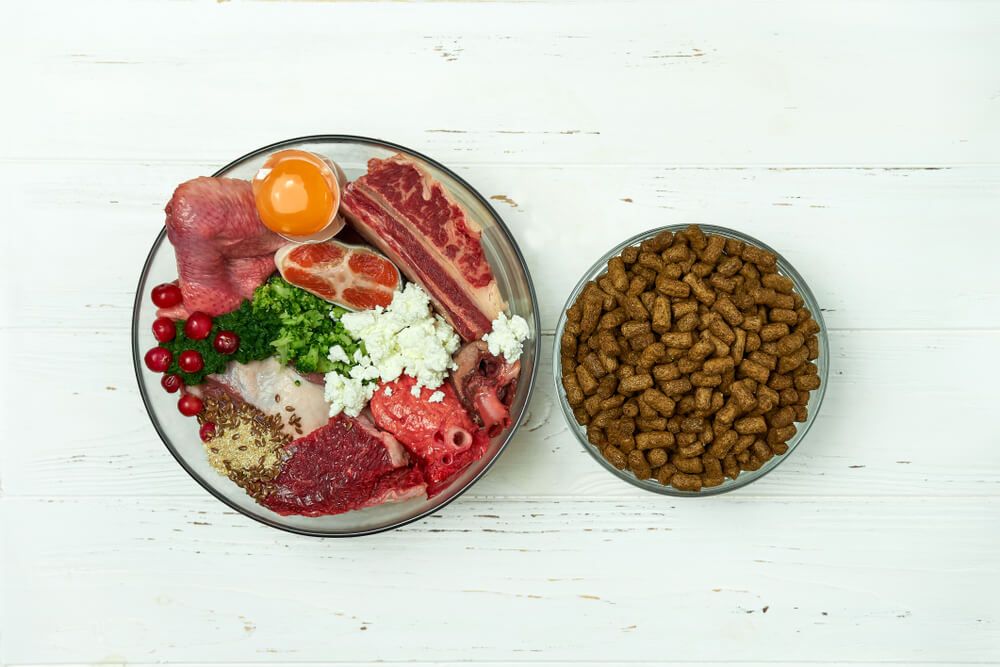
A raw food diet includes raw meats, bones, and organs. These provide essential proteins and nutrients. Fresh fruits and vegetables add vitamins and minerals. Eggs and dairy offer additional proteins and calcium. Some pet owners include fish for omega-3 fatty acids. Each component serves a unique purpose for your dog's health.
Benefits Of Raw Diet
Many dogs experience improved digestion with raw diets. Raw foods are easier to digest than kibble. This can lead to better nutrient absorption. Some dogs have shinier coats after switching. Skin irritations may reduce as well. Raw diets can support a healthy weight. Most dogs find raw food more flavorful than kibble.
Kibble Essentials
Kibble is a popular choice for dog owners. It offers convenience and nutrition. Understanding kibble can help make informed choices for your pet.
Ingredients In Kibble
Kibble contains proteins, grains, and vitamins. Proteins often come from meat or fish sources. Grains like corn and rice provide energy. Vitamins and minerals support overall health. Some kibbles include vegetables for added nutrients. The quality of ingredients can vary between brands.
Advantages Of Kibble
Kibble is easy to store and serves quickly. It is cost-effective for many dog owners. Kibble helps clean teeth due to its texture. Many brands offer balanced nutrition for all life stages. Its long shelf life reduces waste. Variety in flavors suits different dog tastes.
Nutritional Comparison
Choosing the right diet for your dog is crucial. Raw food and kibble both have their strengths. Understanding their nutritional content can guide your decision. Let's delve into the nutritional comparison of raw food and kibble for dogs.
Protein Content
Protein is essential for your dog's health. Raw food typically offers higher protein levels. It includes fresh meat, which is rich in quality protein. Kibble often contains processed protein sources. This can affect its nutritional value.
Vitamin And Mineral Profiles
Vitamins and minerals are vital for a dog's well-being. Raw food provides natural sources of these nutrients. Fruits and vegetables in raw diets ensure a variety of vitamins. Kibble often includes synthetic vitamins and minerals. This can impact absorption and effectiveness.
Digestive Health Impact
When deciding between raw food and kibble for your dog, it's essential to consider the impact on digestive health. Digestive health plays a crucial role in a dog's overall well-being. A healthy digestive system ensures your pet efficiently absorbs nutrients, maintains energy levels, and avoids common gastrointestinal issues. Let’s delve into how raw food and kibble affect your dog’s digestion.
Raw Food Digestion
Raw food diets often consist of fresh, uncooked meats, bones, and vegetables. These natural ingredients can be easier for some dogs to digest because they mimic what their ancestors consumed in the wild. Many dog owners report improved stool quality and less frequent issues like bloating or gas.
Some dogs have sensitive stomachs that thrive on the simplicity and purity of raw diets. The absence of artificial additives and preservatives is a significant plus. You might notice your dog having more energy and a shinier coat, which can be signs of better digestion.
However, raw diets require careful preparation to ensure they are balanced and free of harmful bacteria. Are you willing to dedicate the time and resources to prepare these meals safely?
Kibble Digestion
Kibble is a convenient option for many dog owners. It often contains a blend of meats, grains, and vitamins that provide a balanced diet. Quality kibble is designed to be digestible, though the processing can sometimes strip away natural enzymes that aid digestion.
Some dogs may develop allergies or intolerances to ingredients commonly found in kibble. If your dog frequently experiences digestive issues like diarrhea or vomiting, it might be worth examining the kibble's ingredient list. Switching to a grain-free option or one with novel proteins can sometimes help alleviate these problems.
Convenience is a significant advantage of kibble, but how do you balance that with your dog’s unique dietary needs? Monitoring your pet’s digestion can be a valuable guide in making this decision.
Ultimately, the choice between raw food and kibble should be based on your dog's specific health needs and lifestyle. Observing how each option affects their digestion can lead to a happier, healthier pet. What have you noticed in your dog's digestion when switching between these diets?
Safety And Hygiene
Raw food for dogs often seems healthier but demands careful attention to safety and hygiene. Proper handling prevents contamination and illness. Kibble provides convenience and balanced nutrition without the risks associated with raw diets.
Ensuring the safety and hygiene of your dog's food is crucial, whether you choose raw food or kibble. The way you handle and store your dog's meals can significantly impact their health. Let's delve into the specifics to help you make informed decisions.
Raw Food Handling
Handling raw food for your dog requires diligence. Raw meat can harbor harmful bacteria like Salmonella and E. coli. These pathogens can pose risks to both your dog and your household. Always wash your hands thoroughly before and after preparing raw meals. Use designated cutting boards and utensils for raw dog food to prevent cross-contamination. Consider this: How do you keep your kitchen clean after handling raw meat for yourself? The same level of care should apply to your dog's meals. Freeze raw food if you buy in bulk. This not only preserves freshness but also kills some bacteria. Thaw food in the refrigerator, not on the countertop, to avoid bacterial growth.
Kibble Storage
Kibble may seem straightforward, but proper storage is essential. Exposure to air and humidity can lead to mold and nutrient degradation. Keep kibble in its original bag, placing the bag inside an airtight container. This method helps maintain freshness and prevents pests. Label the container with the purchase date. This simple step ensures you feed your dog within the manufacturer's recommended timeframe. Do you store your kibble in the garage or basement? Be cautious, as temperature fluctuations can spoil the food. Aim for a cool, dry place for optimal storage. Maintaining food safety and hygiene is not just about avoiding illness. It's about ensuring your dog thrives on the diet you choose. How do you plan to enhance your pet's meal safety?
Cost Considerations
Choosing between raw food and kibble for dogs involves cost considerations. Raw food can be pricey due to fresh ingredients. Kibble often offers a more budget-friendly option, especially for large breeds. Balancing cost and nutritional needs is key for a healthy, happy dog.
When choosing the best diet for your dog, cost is a crucial factor to consider. It's easy to get caught up in the health benefits of raw food versus kibble, but understanding the financial implications can help you make a more informed decision. Let's break down the expenses involved in feeding your dog a raw diet compared to kibble.
Expense Of Raw Diet
Feeding your dog a raw diet can be quite costly. Purchasing fresh meat, bones, and organs regularly adds up quickly. Quality matters, and high-grade ingredients can be expensive. You might find yourself visiting specialty pet stores or even butchers to get the best for your furry friend. This is not just about buying meat; it's about buying variety to ensure a balanced diet. Moreover, storage becomes a challenge. Investing in a freezer to keep raw food fresh might be necessary. This adds another layer of expense that you might not initially consider.
Affordability Of Kibble
Kibble, on the other hand, tends to be more budget-friendly. You can buy in bulk, which saves money and time. Convenience is a big factor, as kibble is easily stored and has a longer shelf life. With kibble, you have a wide range of options to fit your budget. From premium brands to more affordable options, you can find something that suits your financial situation. Ask yourself, does affordability outweigh the potential benefits of a raw diet? It's a trade-off many pet owners grapple with. When considering the cost, think about your long-term budget. Are you prepared for the ongoing expense of a raw diet, or do you need the financial flexibility that kibble provides?
Veterinary Perspectives
Deciding between raw food and kibble for your dog can be challenging. Veterinary perspectives offer invaluable insights to help you make an informed choice. While some experts advocate for raw diets, others highlight the merits of kibble based on scientific research and practical experience. Understanding these perspectives can guide you in providing the best diet for your furry friend.
Expert Opinions On Raw Food
Raw food diets have gained popularity among pet owners, but what do veterinary experts say?
Many veterinarians acknowledge the benefits of raw food, such as improved coat quality and better digestion. They often note a reduction in allergies and an increase in energy levels.
However, concerns about safety and nutritional balance remain. Raw food can pose risks of bacterial contamination, which may affect both pets and their owners. It's crucial to handle and prepare raw food carefully to mitigate these risks.
Have you ever wondered if your dog might thrive on a raw diet? Some vets suggest trying it under professional guidance, especially for dogs with specific health issues.
Veterinarian Insights On Kibble
Kibble remains a staple in many households due to its convenience and affordability. Veterinarians often emphasize the balanced nutrition kibble provides, ensuring dogs receive essential vitamins and minerals.
While kibble may lack the freshness of raw food, it offers a long shelf life and easy storage. This can be a practical choice for busy pet owners or those with multiple pets.
Consider the benefits of a scientifically formulated kibble diet. Many vets recommend it for puppies and senior dogs, as it caters to their unique nutritional needs.
Have you ever noticed your dog's preference for kibble? Some dogs enjoy the crunch and taste, which can be more appealing than raw food.
In the end, the choice between raw food and kibble depends on your dog's health, lifestyle, and your ability to manage their diet safely. What does your vet recommend for your dog? Their insights can be a valuable part of your decision-making process.
Credit: blog.myollie.com
Convenience Factor
Choosing the right food for your dog involves many factors. Convenience is a major consideration for many pet owners. You need to ensure that feeding your dog fits into your routine. Both raw food and kibble have their own benefits. Each comes with its own level of convenience. Understanding these can help you make the right choice.
Ease Of Raw Feeding
Raw feeding involves fresh ingredients. This means more preparation time. You may need to plan meals in advance. Proper storage is crucial to keep the food safe. Raw food requires refrigeration or freezing. This can take up space in your kitchen.
Raw feeding also demands careful handling. You must ensure cleanliness to avoid contamination. This method might not fit into a busy lifestyle. Yet, some owners find joy in preparing meals for their dogs. It allows customization according to your dog's needs.
Practicality Of Kibble
Kibble offers a simple feeding solution. It's easy to store and serve. Kibble does not require refrigeration. You can keep it in a pantry or cupboard. This makes it ideal for pet owners with limited space.
Measuring kibble is straightforward. Most bags come with guidelines for portion sizes. Kibble suits busy schedules. You can pour it directly into your dog's bowl. Less preparation means more time for other activities.
Kibble is also travel-friendly. Pack some in a bag for trips or outings. This ease of use is appealing to many dog owners.
Long-term Health Outcomes
The debate over raw food versus kibble for dogs often centers on health. Pet owners want the best for their furry friends. Understanding long-term health outcomes can guide your choice. Each diet has its pros and cons. Let's explore both.
Longevity With Raw Diet
Many believe raw food offers better nutrition. It can improve dogs' longevity. Fresh ingredients provide natural vitamins and minerals. Raw diets may boost immune health. This can lead to fewer vet visits. Dogs may enjoy shinier coats and more energy. Some owners report fewer allergies and better digestion. Overall, raw food might contribute to a healthier life span.
Health Implications Of Kibble
Kibble is convenient and easy to store. It often contains balanced nutrients. Yet, some kibbles have fillers and artificial additives. These may affect long-term health. Some dogs might face weight gain or dental issues. The cooking process can reduce nutrient value. This might impact a dog's overall well-being. Choosing high-quality kibble can mitigate some risks.
Credit: everent.es
Frequently Asked Questions
Is Raw Food Safer Than Kibble For Dogs?
Raw food can contain harmful bacteria if not prepared properly. Kibble is generally safer due to its processing methods. Always consult a vet before switching your dog's diet to ensure safety and health.
Does Raw Food Improve Dog Digestion?
Raw food can aid digestion due to its natural enzymes. Many dogs experience less bloating and gas. However, individual results vary, so monitor your dog's response carefully.
Can Raw Food Boost A Dog's Energy Levels?
Some dog owners report increased energy levels with raw diets. Raw food provides nutrients that enhance vitality. Always balance meals to meet your dog's specific energy needs.
Is Kibble More Convenient Than Raw Food?
Kibble is more convenient due to its easy storage and preparation. Raw food requires careful handling and preparation. Consider your lifestyle when choosing your dog's diet.
Conclusion
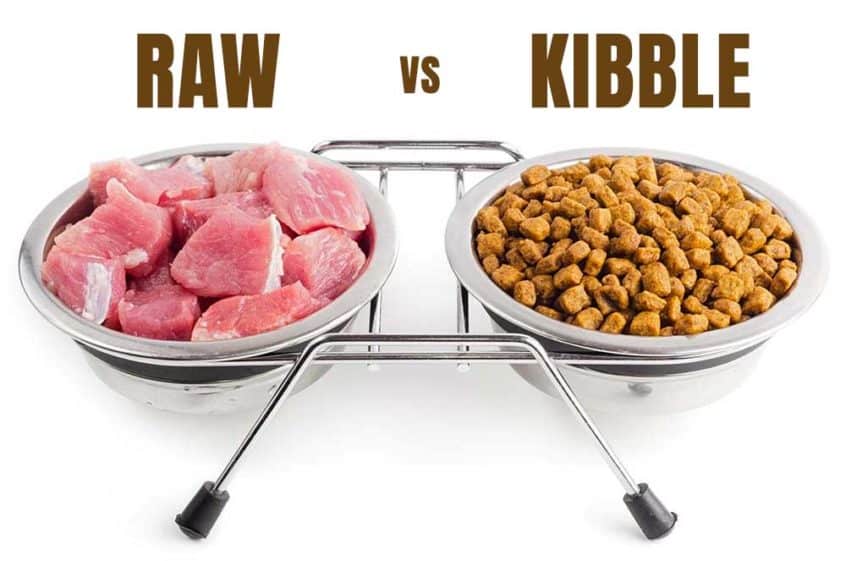
Choosing the right diet for your dog is crucial. Raw food offers fresh nutrients. Kibble provides convenience and balanced nutrition. Each option has its benefits and drawbacks. Consider your dog's needs and lifestyle. Discuss with your veterinarian for personalized advice.
Test small portions to see your dog's preference. Observe any changes in health or behavior. The key is a happy, healthy dog. Make a decision based on your dog's unique needs. Always prioritize their well-being and happiness.