Is your dog struggling with kidney disease, and you're wondering if a raw food diet might be the answer? You're not alone.
Many pet owners grapple with the best dietary choices to help manage this challenging condition. When your furry friend's health is on the line, every decision feels crucial. You want to ensure you're doing everything possible to support their well-being.
This article will delve into the potential benefits and risks of feeding raw food to dogs with kidney disease. By the end, you'll have a clearer understanding, allowing you to make informed decisions that could improve your dog's quality of life. Are you ready to discover what might just be the key to better health for your canine companion? Keep reading.

Credit: www.poochandmutt.co.uk
Raw Food Diet Overview
A raw food diet for dogs includes uncooked meats, bones, fruits, and vegetables. It mimics what wild dogs eat. This diet aims to provide more natural nutrition. Many dog owners believe it improves health and vitality.
Dogs with kidney disease need careful diet management. A raw food diet can be an option. But it's important to understand its pros and cons. This diet can help with hydration and nutrient absorption.
What Does A Raw Food Diet Include?
A typical raw food diet includes raw meats like chicken or beef. It may also have organ meats such as liver. Fresh fruits and vegetables are added for vitamins. Some owners include raw eggs or dairy.
Bones are often part of this diet. They provide calcium and help clean teeth. It's important to ensure bones are safe and not too hard.
Potential Benefits Of Raw Food For Dogs
Raw food diets offer potential benefits. They may improve coat health and reduce allergies. Some dogs show increased energy levels. Their stools may become smaller and less smelly.
For dogs with kidney disease, raw food can be hydrating. It may also reduce the workload on kidneys. This can help manage symptoms and improve quality of life.
Risks And Considerations
There are risks with raw food diets. Raw meats can carry bacteria. This can be harmful to dogs and humans. Owners must handle and store raw foods carefully.
Balancing nutrients is crucial. A diet lacking in certain vitamins or minerals can harm dogs. Consulting a vet is essential before making diet changes for a dog with kidney disease.
Consulting With A Veterinarian
Always consult a veterinarian when considering diet changes. They can advise if a raw food diet suits your dog's needs. They will check the dog's health and provide guidance. A tailored plan can ensure nutritional balance.
A vet can also monitor your dog's response to the diet. This ensures the dog's wellbeing is prioritized.
Nutritional Needs Of Dogs With Kidney Disease
Raw food may benefit dogs with kidney disease by providing fresh nutrients. It typically contains lower phosphorus levels. Consult your vet to ensure it meets your dog's specific needs.
Dogs with kidney disease have unique dietary needs. Their kidneys struggle to filter waste effectively. This means their diet must be carefully monitored. A balanced diet can help manage their condition. Understanding their nutritional needs is key.
Protein Needs
Dogs with kidney disease often need lower protein diets. High protein levels can stress their kidneys. Choose high-quality, easily digestible proteins. This helps reduce kidney workload.
Phosphorus Control
Phosphorus levels should be controlled in their diet. High phosphorus can harm kidneys further. Look for foods with low phosphorus content. This supports better kidney health.
Sodium Levels
Sodium intake should be limited. Too much sodium can raise blood pressure. This can worsen kidney issues. Opt for low-sodium food options.
Hydration Importance
Proper hydration is crucial for dogs with kidney disease. Encourage water intake throughout the day. Wet food can also help with hydration. Keeping them hydrated aids in kidney function.
Essential Fatty Acids
Essential fatty acids support overall health. Omega-3 fatty acids can be beneficial. They help reduce inflammation in the body. These can be found in fish oils.
Antioxidants And Vitamins
Antioxidants can support a dog's health. Vitamins such as E and C are helpful. They combat oxidative stress on kidneys. Including them in the diet is beneficial. `
Benefits Of Raw Food For Kidney Health
Raw food can benefit dogs with kidney disease by providing natural nutrients. It often contains less processed ingredients, potentially supporting kidney function. Always consult a vet before making dietary changes.
Raw food diets have gained popularity for dogs with kidney disease. Many pet owners seek natural ways to support their pet's health. Raw food offers several potential benefits for kidney health. These benefits may help ease symptoms and improve life quality.
Improved Hydration
Raw food is high in moisture content. This helps keep dogs well-hydrated. Dogs with kidney disease need more water. Their kidneys struggle to concentrate urine. Feeding raw food reduces dehydration risks. It supplies water directly through food. This is crucial for kidney support.
Natural Protein Sources
Raw diets provide fresh, high-quality proteins. These proteins are easier for dogs to digest. Processed foods often contain low-quality proteins. Natural proteins reduce strain on the kidneys. They support muscle maintenance and energy levels. Proteins from raw meat are less taxing on kidneys.
Reduced Additives And Preservatives
Commercial dog foods contain many additives. These can be harmful to kidney health. Raw diets are free from synthetic preservatives. They contain fewer artificial ingredients. This reduces the kidney's workload. The dog's body processes natural ingredients more easily. Raw foods thus offer a cleaner diet option.
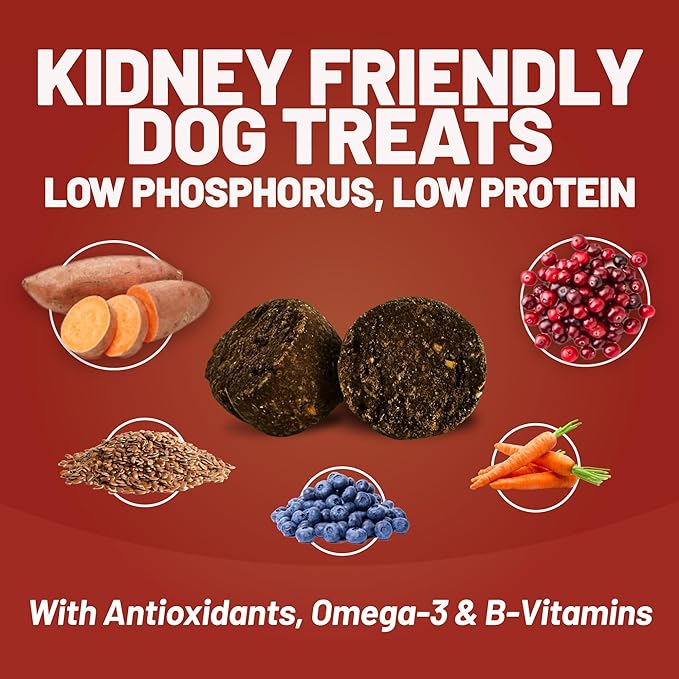
Credit: davespetfood.com
Potential Risks Of Raw Food Diet
Feeding dogs with kidney disease a raw food diet involves certain risks. While many pet owners prefer raw diets for their natural appeal, these diets can pose potential threats. Understanding these risks helps in making informed decisions for your pet's health.
Bacterial Contamination
Raw food diets often include uncooked meat. This meat can harbor harmful bacteria. Salmonella and E. coli are common concerns. These bacteria can make your dog sick. They can also pose a risk to humans. Handling raw meat requires extra care. It's crucial to maintain cleanliness. Wash your hands and surfaces thoroughly. This helps prevent bacterial spread.
Nutrient Imbalance
Raw diets may lack essential nutrients. Dogs with kidney disease need specific nutrients. These include low phosphorus and high-quality protein. A raw diet may not meet these needs. It can lead to nutrient deficiencies. This can worsen kidney disease. Consulting a vet is important. They can guide on a balanced diet. Supplements may also be necessary.
Digestive Challenges
Raw food diets can be hard to digest. Dogs with kidney disease have compromised digestion. Raw meat can strain their digestive system. This can lead to discomfort or illness. Some dogs may experience diarrhea. Others may have vomiting issues. Monitoring your dog's response is crucial. Adjust their diet as needed. Always consult your vet for advice.
Balancing Raw Food With Medical Advice
Balancing raw food with medical advice is crucial for dogs with kidney disease. Raw diets may lack essential nutrients. Always consult a vet before making dietary changes. This ensures your pet receives the best nutrition for their health condition.
Balancing raw food with medical advice for dogs with kidney disease is a delicate task. You want to ensure your furry friend enjoys their meals while also managing their health. It's not just about what you feed them, but how you integrate your vet's guidance into their diet.
Understanding Your Dog's Specific Needs
Each dog's kidney disease condition is unique. One diet plan won't fit all, so you must tailor your approach. Consult with your vet to get a clear understanding of your dog's specific dietary needs.
Collaborating With Your Vet
Open communication with your vet is crucial. Share your interest in raw food, and ask for their professional opinion. They might suggest adjustments to ensure your dog receives balanced nutrition.
Monitoring Your Dog's Health
Keep a close eye on your dog's health as you introduce raw food. Look for changes in their energy levels, digestion, and overall well-being. If something seems off, consult your vet immediately.
Incorporating Safe Raw Food Options
When choosing raw food, ensure it's safe and suitable for dogs with kidney issues. Some proteins might be better than others. You might want to explore options like lean meats and certain vegetables.
Adjusting Portions And Frequency
Balance is essential, so be mindful of portion sizes. Feeding smaller, more frequent meals can help. This approach can make it easier for your dog’s kidneys to process the food.
Seeking Support From Other Dog Owners
Join online forums or local groups where you can connect with other dog owners. Sharing experiences can provide new insights and tips. You might find comfort in knowing you're not alone on this journey. Balancing raw food with medical advice requires patience and attention to detail. Have you considered what changes you might make to your dog's diet today? Your proactive steps can make a difference in your dog's quality of life.
Alternatives To Raw Food Diet
When your dog is diagnosed with kidney disease, it's natural to worry about their diet. Raw food might not be the best choice, but there are other options that can help manage their condition effectively. Let's explore some alternatives that could make a significant difference in your dog's health.
Commercial Renal Diets
Commercial renal diets are specially formulated to support dogs with kidney disease. These diets are often low in protein and phosphorus, which helps reduce the workload on the kidneys. You can find them in both dry and wet varieties.
Brands like Hill's Prescription Diet and Royal Canin offer specific formulas for renal support. They include essential nutrients and vitamins tailored for dogs with kidney issues. It's worth considering these diets as they are designed based on scientific research.
Before choosing a commercial diet, consult with your vet. They can recommend the best option based on your dog's unique needs. Do you wonder if your dog will enjoy these special meals? Many pet owners report their dogs take well to these diets, especially if you gradually introduce them.
Home-cooked Meals
Preparing home-cooked meals for your dog can be a rewarding alternative. You have control over ingredients, ensuring they're fresh and suitable for kidney health. Simple recipes can be crafted with your dog's favorite meats and vegetables.
Consider using lean proteins like chicken or turkey. Pair them with low-phosphorus vegetables such as pumpkin or green beans. You might need to add supplements to balance their nutritional needs, so a conversation with your vet is crucial.
Cooking for your dog allows you to cater to their taste preferences while managing their health. Have you ever tried making a meal for your dog only to watch them enjoy it more than their kibble? It’s a great feeling to know exactly what goes into their bowl.
Exploring these alternatives to raw food can empower you to make informed decisions about your dog's diet. Which option resonates most with you? Your dedication to your dog's health can significantly impact their well-being.
Monitoring And Adjusting Diet
Monitoring and adjusting a dog's diet is crucial for managing kidney disease. Raw food diets can be beneficial, but they must be carefully tailored. The right diet supports kidney function and overall health. Regular assessment of your dog's condition ensures that dietary choices remain effective.
Regular Veterinary Checkups
Frequent vet visits are essential for dogs with kidney disease. Vets track kidney function and general health. These checkups help detect any changes early. Adjustments in diet can be made based on these findings. Your vet can recommend specific raw food components. This ensures a balanced nutritional intake.
Observing Changes In Health
Watch for shifts in your dog's health. Look for signs like changes in energy or appetite. These may indicate the need for dietary adjustments. Keep a journal of your dog's behavior and physical condition. This record assists in identifying patterns or issues. Quick action can prevent further kidney damage.

Credit: peterdobias.com
Frequently Asked Questions
Can Dogs With Kidney Disease Eat Raw Food?
Yes, but consult your vet first. Raw food can be rich in nutrients, but kidney disease requires a balanced diet. It's crucial to monitor protein and phosphorus levels to avoid health complications.
What Raw Foods Are Safe For Kidney Disease?
Safe options include lean meats, eggs, and certain vegetables. Avoid high-phosphorus foods like bones and organ meats. Always consult with a veterinarian to ensure the diet meets your dog's specific health needs.
How Does Raw Food Affect Kidney Health?
Raw food can be beneficial if balanced correctly. It may reduce processed ingredients, but nutrient balance is key. Overconsumption of certain nutrients can strain kidneys, so careful planning is necessary.
Is Homemade Raw Diet Better For Kidney Issues?
It can be, if well-planned. Homemade raw diets allow control over ingredients and nutrient levels. Consulting a veterinary nutritionist ensures the diet supports kidney health without causing harm.
Conclusion
Raw food can benefit dogs with kidney issues. It offers natural nutrients. Always consult a vet for personalized advice. Monitor your dog's health closely. Kidney disease needs careful management. Every dog is unique. What works for one might not suit another.
Transitioning diets should be gradual. Sudden changes can upset digestion. Consider your dog's age and health condition. Raw food isn't a one-size-fits-all solution. Research and expert guidance are key. Your dog's well-being should always come first. Make informed decisions for their health and happiness.