Are you wondering whether raw or cooked food is better for your furry friend? This is a common question that many dog owners face.
After all, you want to ensure your dog is as healthy and happy as possible. The food you choose plays a big role in that. But with so many opinions out there, it can be tough to know what's best.
Imagine feeling confident that you're making the right choice for your pet's nutrition and well-being. You'll discover the pros and cons of both raw and cooked diets for dogs. By the end, you'll have a clearer understanding of which option might be the best fit for your beloved companion. Let's dive into the facts so you can make an informed decision!
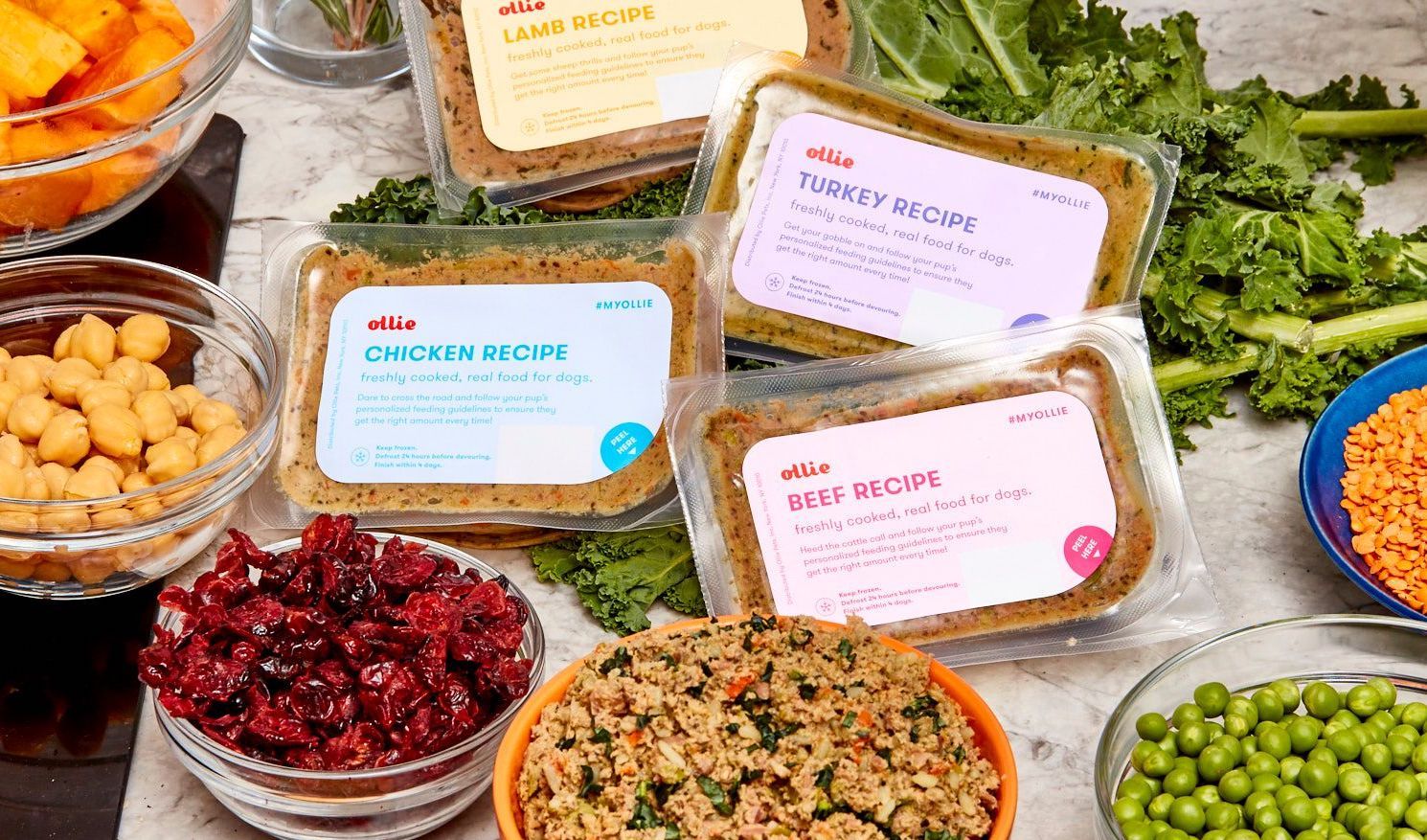
Credit: blog.myollie.com
Nutritional Benefits Of Raw Food
Choosing the right diet for your dog impacts their overall health. Raw food diets are gaining popularity among pet owners. They believe it offers superior nutritional benefits. Raw food can provide dogs with essential nutrients. These nutrients support their immune system, skin health, and energy levels. Let's explore the key nutritional benefits raw food offers.
Essential Vitamins And Minerals
Raw food diets often contain fresh fruits and vegetables. These are rich in vitamins and minerals. They provide Vitamin A, Vitamin C, and Vitamin E. These vitamins boost your dog's immune system. They also support healthy vision and skin. Minerals like calcium and phosphorus strengthen bones and teeth. Raw diets ensure dogs get these nutrients naturally.
Protein Content And Quality
Raw diets are high in protein. They include fresh meats like chicken, beef, or fish. High-quality protein supports muscle growth. It also aids in tissue repair and overall vitality. Raw protein sources are less processed. This means they retain more natural nutrients. Dogs digest raw protein more efficiently than cooked protein.
Enzymes And Natural Ingredients
Raw food contains natural enzymes. These enzymes aid in digestion. Cooking can destroy these enzymes. Raw diets ensure dogs benefit from them. They help break down food and absorb nutrients. Raw diets often include natural ingredients. These ingredients are free from additives and preservatives. This ensures a wholesome diet for your furry friend.
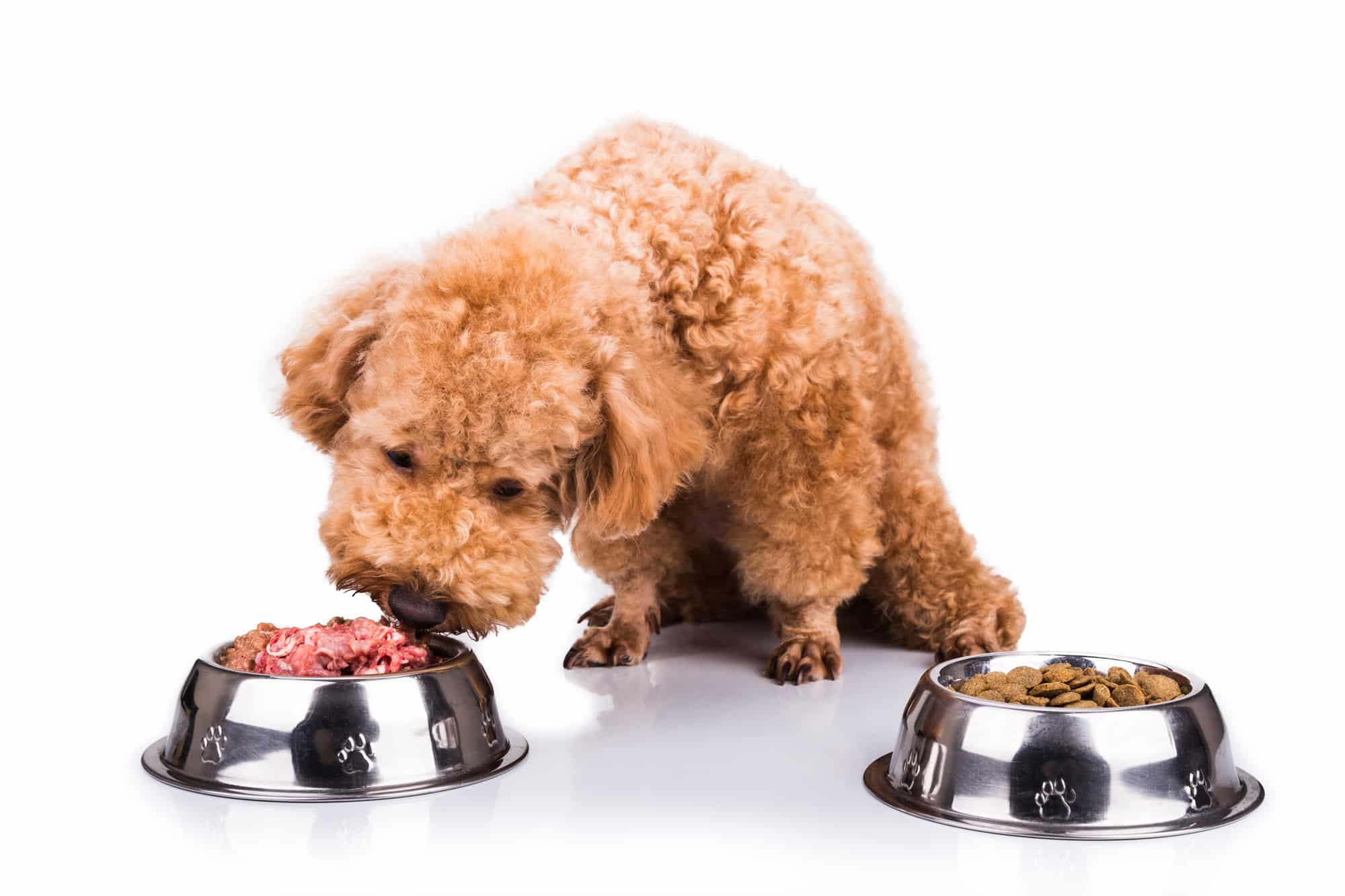
Credit: ricksdogdeli.com
Potential Risks Of Raw Food
Feeding dogs raw food is becoming popular among pet owners. But there are risks to consider. Raw food may have hidden dangers that can affect your pet's health. Understanding these risks can help make informed decisions for your dog's diet.
Bacterial Contamination
Raw food can carry harmful bacteria like Salmonella and E. coli. These bacteria can cause serious illness in dogs. Symptoms include vomiting and diarrhea. Handling raw food increases the risk of spreading bacteria to other areas. Proper hygiene can reduce this risk.
Nutritional Imbalance
Raw diets may lack essential nutrients. Dogs need a balanced diet for optimal health. Raw food can miss key vitamins and minerals. This imbalance can lead to health issues over time. Consulting with a vet can help ensure nutritional needs are met.
Safety Concerns For Humans
Handling raw food can pose risks to humans. Bacteria can transfer from pet food to surfaces in the home. This can lead to illness in people. Washing hands and surfaces can prevent contamination. It's crucial for everyone’s safety.
Advantages Of Cooked Food
Cooked food offers dogs easier digestion and better absorption of nutrients. It eliminates harmful bacteria, ensuring safer consumption. Enhanced aroma and texture make meals more appealing, promoting healthier eating habits.
When deciding what's best for your furry friend, understanding the advantages of cooked food is essential. Cooked meals for dogs have become a popular choice among pet owners for various reasons. From enhancing digestibility to providing a wide array of flavors, cooked food can be a game-changer in your dog's diet.
Digestibility And Absorption
Cooking food often makes it easier for dogs to digest. When you cook meat or vegetables, their structure changes, allowing your dog's system to break them down more efficiently. This means better absorption of nutrients, which is crucial for their health. Have you noticed your dog sometimes struggles with certain foods? Cooking can often resolve this issue by making food gentler on their stomach.
Variety And Palatability
Cooked meals can offer a delightful variety that raw diets simply can't. Think about the joy on your dog’s face when they get to try a new flavor or texture. Cooking allows you to mix different ingredients, creating meals that are both nutritious and exciting. Have you ever tried adding a dash of broth to your dog’s meal? It can transform a simple dish into a gourmet experience, keeping your pet eager for mealtime.
Elimination Of Pathogens
Safety is a significant concern when feeding dogs raw food. Cooking eliminates harmful bacteria and parasites that might be present in raw ingredients. This step reduces the risk of infections and ensures your dog stays healthy. Do you worry about the safety of your dog's meals? Cooking their food can give you peace of mind, knowing it’s free from potential threats. Choosing cooked food for your dog might be the solution you’ve been searching for. Have you tried incorporating cooked food into their diet? The benefits might just surprise you.

Credit: www.masterbowie.com
Drawbacks Of Cooked Food
Feeding your dog cooked food has several downsides. While it might seem convenient, it may not always be the healthiest choice for your furry friend. Understanding these drawbacks helps make informed decisions about your pet's diet.
Loss Of Nutrients
Cooking often leads to a loss of essential nutrients. Heat can destroy vitamins and minerals in food. This makes the food less nutritious for your dog. Important nutrients like Vitamin C and B vitamins can diminish significantly. Enzymes that aid digestion may also break down. Thus, cooked food may not provide complete nutrition.
Additives And Preservatives
Many cooked dog foods contain additives and preservatives. These additives keep food fresh longer but can harm your dog. Some preservatives may cause allergies or digestive issues. Artificial colors and flavors are also common in cooked foods. These ingredients offer no nutritional benefits.
Cost Implications
Preparing cooked meals for your dog can be costly. Quality ingredients can add up quickly. Buying commercial cooked dog food may also strain your budget. These products often have higher prices due to packaging and processing. This makes feeding cooked food a more expensive option.
Common Myths And Misconceptions
Debates about dog diets spark many myths, including the belief that raw food is always healthier than cooked. Both diets have benefits and risks. Understanding your dog's needs helps in choosing the best option.
When deciding between raw and cooked food for your dog, it's easy to get overwhelmed by conflicting information. Many dog owners struggle with myths and misconceptions about what is truly best for their furry friends. Let's break down some of these misunderstandings to help you make informed decisions.
Raw Food As A Natural Diet
Many people believe that raw food is the most natural diet for dogs, emulating what wild canines consume. While it's true that raw diets can be rich in nutrients, it's not always a simple swap from kibble. Raw food requires careful balance to ensure your dog gets all necessary vitamins and minerals. Some owners worry about the risk of bacteria in raw food. Proper handling and sourcing are key to minimizing these risks. Consider your dog's individual health needs before jumping into a raw diet.
Cooked Food And Allergies
There’s a misconception that cooked food can trigger allergies more than raw food. However, cooking can sometimes help break down allergens, making them less likely to cause a reaction. It's essential to identify the specific ingredients your dog is allergic to. Cooking food can also make it easier for dogs to digest. If your dog has a sensitive stomach, cooked meals might be the better choice. Always consult with your vet when dealing with potential food allergies.
Balancing Raw And Cooked Diets
Some dog owners find success in combining raw and cooked foods. This approach can offer the best of both worlds, providing variety and a more balanced diet. Consider starting with a small portion of raw food mixed with cooked to see how your dog responds. Balancing both types of food can cater to your dog's unique dietary needs. It's also a practical way to ensure your dog enjoys a diverse range of flavors and textures. Have you considered trying a mixed diet for your dog? Incorporating both raw and cooked foods requires attention to your dog's reactions and health changes. Keep an open mind and be ready to adjust based on what works best for your pet.
Veterinarian Recommendations
Dog owners often wonder if raw or cooked food is better for their pets. Veterinarians suggest that cooked food can be safer. Raw diets may carry risks like bacteria, making cooked meals a popular choice.
Veterinarians often advise pet owners on the best food choices for dogs. Raw or cooked food debates are common. Veterinarian recommendations provide valuable insights tailored to each dog's needs. Understanding these expert opinions can guide dog owners in making informed decisions.
Individual Health Assessments
Every dog has unique health requirements. Veterinarians assess these needs individually. They consider factors like age, weight, and activity level. Health issues also influence dietary advice. Some dogs may benefit from cooked meals. Others might thrive on a raw diet. Regular check-ups ensure food choices align with health goals.
Breed-specific Diet Needs
Breed plays a significant role in dietary recommendations. Different breeds have distinct nutritional requirements. Veterinarians understand these differences. They suggest diets that match a breed's specific needs. Some breeds may require more protein. Others might need more fiber. Tailored diets support optimal health for each breed.
Monitoring And Adjustments
Dietary needs can change over time. Veterinarians recommend monitoring a dog's health regularly. They advise adjustments to diet when necessary. Changes in lifestyle or health may prompt dietary tweaks. Regular vet visits help track progress. This ensures the diet continues to meet your dog's needs effectively.
Frequently Asked Questions
What Are Benefits Of Raw Food For Dogs?
Raw food diets can offer dogs improved digestion, healthier skin, and shinier coats. Many owners report increased energy levels in their pets. Raw foods contain natural enzymes and nutrients that can enhance overall health. However, it's essential to ensure the diet is balanced and safe for your dog's needs.
Is Cooked Food Safer For Dogs?
Cooked food can be safer as it eliminates harmful bacteria present in raw meat. Cooking also makes certain nutrients more digestible for dogs. It allows pet owners to control ingredients and avoid allergens. However, overcooking can reduce nutrient content, so maintaining a balanced diet is crucial.
Can Dogs Eat Raw Chicken Safely?
Dogs can eat raw chicken, but there are risks. Raw chicken may contain harmful bacteria like Salmonella. Ensuring the chicken is fresh and handled properly is essential. Consulting with a vet is recommended before introducing raw chicken to a dog's diet to ensure safety and balance.
Do Vets Recommend Raw Food Diets?
Many vets express caution regarding raw food diets due to potential bacteria risks. While some vets acknowledge benefits like improved digestion and coat health, they emphasize the need for proper nutrition balance. Consulting with a veterinarian can help ensure the diet is suitable for your dog's health.
Conclusion
Choosing the best food for your dog isn't easy. Both raw and cooked options have benefits. Raw food can boost energy. Cooked food ensures safety and ease of digestion. Consider your dog's health and preferences. Consult a vet for tailored advice.
Remember, every dog is unique. What works for one might not suit another. Balance is key. Mixing raw and cooked might offer the best of both worlds. Prioritize your dog's health and happiness. Make informed choices. Keep your furry friend thriving and content.