Are you wondering if raw food is the best choice for your furry friend? As a loving pet owner, you want nothing but the best for your dog.
You're not alone in questioning what's truly beneficial for your pet's health. With so many options available, it can be overwhelming to decide what to feed your dog. But what if there was a diet that promised shinier coats, stronger teeth, and more energy?
The raw food diet claims to offer all this and more. Before you make any changes to your pet's meal plan, let's dive into what raw food really means for your dog. Could it be the ultimate solution to your pet's dietary needs? Keep reading to discover whether this feeding approach is the right choice for you and your beloved canine.
Benefits Of Raw Food Diet
Raw food diets might boost a dog's energy and improve digestion. Fresh ingredients provide essential nutrients for healthier skin and coat. Many dogs enjoy the taste and texture of raw meals, enhancing their overall eating experience.
Thinking about switching your dog's diet to raw food? Many pet owners are considering this option due to its potential health benefits. Let's explore some of the advantages your furry friend might enjoy with a raw food diet.
Enhanced Nutrition
Raw food diets offer your dog fresh and unprocessed nutrients. When you feed your dog raw meat, bones, and organs, you ensure they receive essential proteins and minerals. This approach can often surpass the nutritional value found in processed kibble, which might contain fillers and artificial additives. You might notice your dog has more energy and vitality. Imagine them bounding through the park with renewed vigor. This could be a direct result of the natural proteins and fats in their diet.
Improved Digestive Health
A raw food diet can be easier on your dog's stomach. Many dogs experience less bloating and gas when they eat raw foods, as these are often more digestible. This diet may also lead to smaller, firmer stools, which can make clean-up easier for you. Your dog might also have fewer issues with upset stomachs, making them more comfortable and happy.
Shinier Coat And Healthier Skin
Notice your dog's coat? It might become shinier and softer with a raw diet. The natural oils and nutrients in raw food often lead to improved skin health. You might see a reduction in itchiness and dryness, which are common issues with processed foods. Imagine your dog strutting with a glossy, healthy coat—it's like they're ready for a dog show every day! Have you ever wondered if your dog could benefit from this dietary change? Observing these transformations in your pet could be the answer. Why not give it a try and see the difference it makes?
Risks Of Feeding Raw Food
Feeding dogs raw food can pose health risks. Raw meat may contain harmful bacteria, causing digestive issues or infections. Nutrient imbalances in raw diets could also affect a dog's overall health. Consider these factors when deciding on a feeding plan for your pet.
Feeding your dog a raw food diet might seem appealing due to its natural allure and promises of health benefits. However, it comes with its own set of risks that you should be aware of. Understanding these risks can help you make an informed decision about whether raw food is the best choice for your furry friend.
Bacterial Contamination
Raw food can be a playground for harmful bacteria like Salmonella and E. coli. These bacteria not only pose a threat to your dog's health but also to yours. Handling raw meat can easily lead to cross-contamination in your kitchen, increasing the risk of foodborne illnesses for your whole family. Imagine cleaning up after a playful puppy and accidentally spreading bacteria onto surfaces. It's a real possibility. Make sure to maintain strict hygiene practices if you decide to go down the raw food route.
Nutritional Imbalance
Balancing nutrients in a raw food diet can be challenging. Many raw food diets lack essential vitamins and minerals, leading to deficiencies. A poorly balanced diet can result in long-term health issues for your dog, like bone deformities or weakened immune systems. Have you ever wondered if your dog is getting all the nutrients they need? Commercial dog foods are formulated to meet nutritional standards, something a raw diet might miss without careful planning.
Potential Choking Hazards
Raw food often includes bones, which can be a choking hazard. Bones can splinter and cause internal injuries or blockages. Even if your dog is a seasoned chewer, accidents can happen. Consider if the risk of choking is worth the potential benefits of raw feeding. Are you willing to monitor every meal closely to ensure safety? Always supervise your pet while they eat to prevent any mishaps. Incorporating raw food into your dog's diet isn't a decision to take lightly. Weigh the risks and benefits carefully. Would you be prepared to handle the risks associated with raw feeding? Always consult with a veterinarian before making drastic changes to your dog's diet. Your dog's health and well-being should always come first.
Comparing Raw And Commercial Dog Food
Raw food for dogs includes fresh meat, bones, and vegetables. It offers natural nutrients and fewer additives. Comparing it with commercial options can help decide the best diet for your pet.
Comparing raw and commercial dog food sparks interest among pet owners. Each option has its own benefits and drawbacks. Understanding the differences can help decide what's best for your furry friend. Let's explore these options through nutrient, cost, and convenience aspects.
Nutrient Comparison
Raw food often contains fresh meats and vegetables. This provides essential nutrients for dogs. Commercial food is processed but balanced with vitamins and minerals. It ensures dogs receive all necessary nutrients in each serving. Raw diets may offer higher protein levels. Commercial foods can offer more consistent nutrient distribution.
Cost Analysis
Raw food can be expensive. Fresh ingredients often cost more than kibble or canned options. Buying in bulk or preparing meals at home might reduce costs. Commercial food usually costs less, especially dry kibble. It is mass-produced and readily available. Price varies based on brand and quality. High-end commercial brands might cost more.
Convenience Factor
Raw food requires preparation. It can be time-consuming to ensure proper balance. Refrigeration and portioning are necessary. Commercial food is convenient and easy to store. It comes ready to serve in bags or cans. Ideal for busy pet owners with limited time. Feeding guides on packaging make portioning simple.

Credit: keepthetailwagging.com
Veterinary Perspectives On Raw Diets
Raw food diets for dogs spark intense debates among pet owners. Some believe raw diets are natural and beneficial. Others express concerns about safety and nutrition. Veterinarians offer valuable insights into this topic. Their perspectives help guide pet owners towards informed decisions.
Veterinary Recommendations
Most veterinarians emphasize balanced nutrition. They recommend diets that meet all of a dog's nutritional needs. Some vets acknowledge benefits of raw diets but stress caution. Consulting with a vet ensures a diet plan that supports health. Many vets suggest mixing raw with commercial foods for balance.
Common Concerns From Professionals
Professionals worry about bacterial contamination in raw diets. This poses risks to both dogs and their owners. Raw diets might lack essential nutrients. This can lead to deficiencies over time. Some vets note the risk of bone injuries from raw bones. Proper preparation and handling are crucial for safety.
Transitioning To A Raw Food Diet
Many pet owners wonder if raw food suits their dogs best. This diet can offer fresh, natural nutrients. Yet, it's essential to ensure balanced meals for your furry friend.
Transitioning your dog to a raw food diet can feel like a big step, but with careful planning, it can be a rewarding change for both you and your furry friend. You might wonder if your pet will accept the new food or how it will affect their health. Transitioning doesn't have to be daunting; with gradual steps and careful monitoring, you can make the switch smoothly and effectively.
Gradual Introduction
Start with small changes. Mix a little bit of raw food into your dog's current meal. Increase the portion gradually over a week or two. This allows your dog’s digestive system to adjust without any shock. Your dog's body needs time to adapt to the new nutrients and textures. Observe your dog's reaction to the new food. If they seem hesitant, stay patient and consistent. Sometimes, a little persistence is all it takes.
Monitoring Health And Behavior
Keep a close eye on your dog's health. Look for improvements like a shinier coat or more energy. If you notice anything unusual, like digestive issues or a change in behavior, consult your vet. A professional opinion can offer reassurance and guidance. Track their progress with a simple checklist. This can help you pinpoint any changes, good or bad, as they adapt to their new diet.
Adjustments For Specific Needs
Every dog is unique, and their diet should reflect that. Consider your dog's age, breed, and any existing health conditions. For puppies or older dogs, consult your vet for specific dietary needs. They may need supplements or different types of raw food. If your dog has allergies, avoid ingredients that could trigger them. You can tailor the raw diet to suit their specific needs without compromising nutrition. Transitioning to a raw food diet is not a one-size-fits-all process. Have you tried any specific techniques that worked for your dog? Sharing experiences can be helpful to others on the same journey.

Credit: dogsfirst.ie
Alternatives To Raw Food
Choosing the best diet for your dog is crucial to their health and happiness. While raw food diets are popular, they may not be suitable for every dog. Some dogs may have digestive issues, or you might find it challenging to maintain such a diet. Let's explore some alternatives that could be just as beneficial.
Balanced Homemade Meals
Creating homemade meals for your dog allows you to control every ingredient. You can ensure your dog gets a balanced diet with proteins, vegetables, and grains. It’s a great option if your dog has allergies or specific dietary needs.
Consider using lean meats like chicken or turkey, paired with brown rice and carrots. This provides essential nutrients without overwhelming your dog's digestive system.
Have you ever considered adding supplements to homemade meals? Omega-3 oils can enhance your dog’s coat and joint health. Consult your vet to tailor the meals to your dog's unique needs.
High-quality Commercial Options
If cooking isn't your forte, high-quality commercial dog foods can offer a convenient alternative. Many brands focus on using natural ingredients without preservatives.
Look for options labeled as 'grain-free' or 'organic'. These often contain added vitamins and minerals, ensuring your dog gets all necessary nutrients.
Have you tried rotating different brands to keep your dog’s diet varied? It can prevent boredom and provide a wider range of nutrients. Check the ingredient list to avoid fillers like corn and soy.
What matters most is finding a diet that your dog enjoys and thrives on. Each dog is unique, and what works for one might not work for another. Have you found an alternative to raw food that your dog loves? Share your experience in the comments!
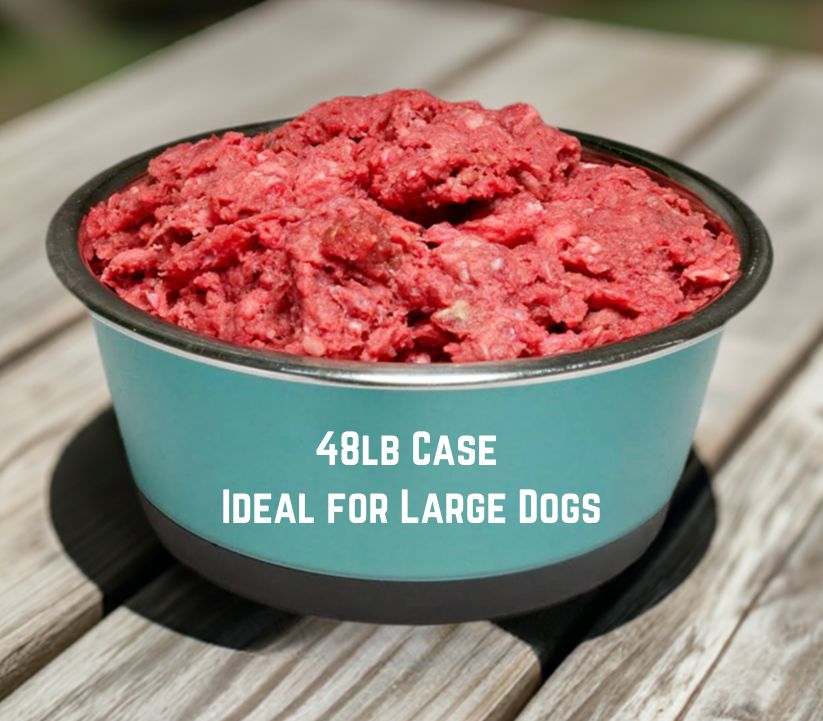
Credit: www.rawwild.com
Frequently Asked Questions
Is Raw Food Safe For All Dogs?
Raw food can be safe for many dogs, but not all. It's crucial to consider your dog's age, health, and dietary needs. Consulting a veterinarian is essential before switching to a raw diet. Puppies, older dogs, or those with specific health issues may not thrive on raw food.
What Are The Benefits Of Raw Food For Dogs?
Raw food diets can offer several benefits for dogs. These include improved coat health, increased energy levels, and healthier skin. Dogs may also experience better digestion and smaller, firmer stools. However, benefits can vary, so monitor your dog's response closely.
Can Raw Food Cause Health Issues In Dogs?
Feeding raw food can pose health risks if not done properly. Risks include bacterial contamination and unbalanced nutrition. It's important to ensure the diet is complete and safe. Always handle raw food with care and consult a veterinarian for guidance.
How To Transition A Dog To Raw Food?
Transitioning to a raw diet should be done gradually. Start by mixing small amounts of raw food with their current diet. Slowly increase the raw portion over a week or two. Monitor your dog's response closely and adjust as needed to ensure a smooth transition.
Conclusion
Choosing the right diet for dogs is important. Raw food offers many benefits. Fresh ingredients. No preservatives. Dogs may have better digestion. Healthier coats. Improved energy levels. But it's not perfect for every dog. Some dogs need more nutrients. Others may have health concerns.
Consult your vet for advice. Consider your dog's needs. A balanced diet is key. Raw food could be great. But not for all. Always check ingredients. Watch for allergies. Your dog's health matters most. Keep their diet safe and nutritious.
Make informed choices. Your dog will thank you!