Have you ever taken your dog for a walk, only to find yourself struggling as they bark and pull at the sight of another dog or a passing cyclist? You're not alone.
Reactive behavior in dogs can be challenging and, at times, frustrating. But what if understanding this behavior could transform your walks from chaotic to calm? Imagine confidently strolling through your neighborhood, knowing exactly how to manage your dog's reactions. You'll discover the secrets behind why dogs behave this way and learn practical strategies to help your furry friend feel more at ease.
Keep reading to unlock the potential for peaceful and enjoyable outings with your canine companion.

Credit: www.rufftranslation.com
Causes Of Reactive Behavior
Reactive behavior in dogs can be puzzling for many pet owners. Understanding the causes can help manage and improve these behaviors. Various factors contribute to a dog's reactive behavior. These include genetic factors, environmental influences, and past experiences. Each plays a significant role in shaping a dog's reactions.
Genetic Factors
Genetic factors greatly influence a dog's behavior. Some breeds are naturally more alert or protective. These traits can lead to reactive behavior. Breeds like Border Collies or German Shepherds often display such traits. Their genetics predispose them to heightened awareness. This can lead to reactivity, especially in unfamiliar settings.
Environmental Influences
Environmental influences also shape a dog's behavior. A dog's surroundings impact its reactions. Busy urban settings can cause stress. Constant noise or crowded places might overwhelm a dog. This can trigger reactive responses. On the other hand, calm environments often soothe dogs. A peaceful home can reduce reactive tendencies.
Past Experiences
Past experiences leave a lasting impact on dogs. Traumatic events can cause fear-based reactions. Negative encounters with other dogs or humans can lead to reactivity. Positive experiences help build a confident dog. Repeated exposure to stressors without resolution may worsen behavior. Addressing these experiences can aid in behavior improvement.
Credit: www.oaklandanimalservices.org
Signs Of Reactivity
Understanding the signs of reactivity in dogs is crucial. It helps in managing their behavior better. Recognizing these signs allows for timely intervention. Reactivity can manifest in different ways. This can include physical signs and behavioral cues. Identifying these signs early can prevent unwanted incidents. Let's delve into the signs of reactivity in dogs.
Physical Indicators
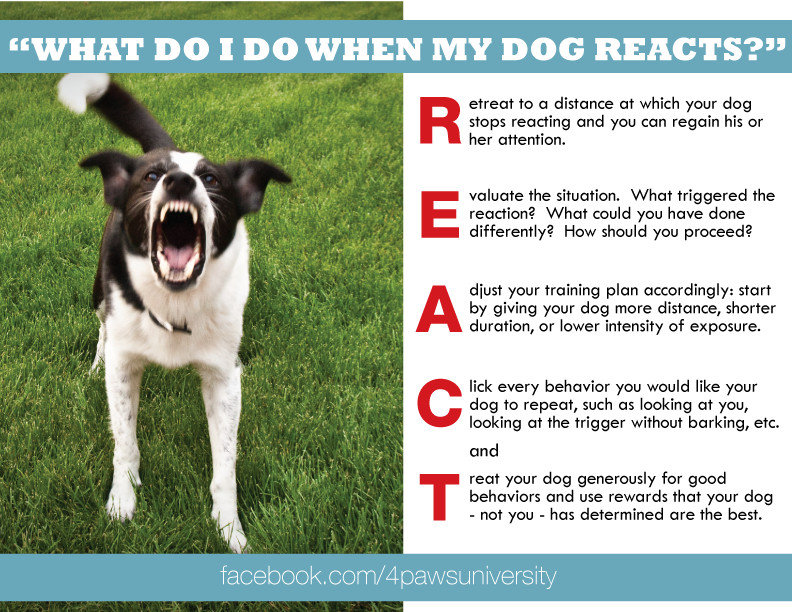
Physical signs are often the first clue. Raised hackles are a common indicator. A stiff body posture shows readiness to react. Dilated pupils can signal heightened alertness. Ears pinned back suggest discomfort or fear. These signs often appear before the dog reacts.
Behavioral Cues
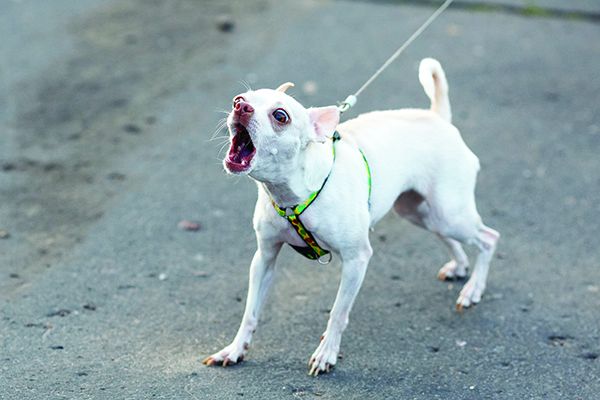
Barking is a clear behavioral sign. It often indicates stress or excitement. Growling is another cue of reactivity. It can mean the dog feels threatened. Lunging at objects or people shows a strong reaction. Tail wagging can be misleading. Rapid wagging with a tense body suggests anxiety. Observing these cues helps in understanding the dog’s state.
Impact On Dog And Owner
Reactive behavior in dogs can strain the bond between pet and owner. This behavior often leads to stress and frustration, affecting daily interactions and activities. Understanding and addressing this issue is crucial for harmonious companionship.
Reactive behavior in dogs can significantly affect both the pet and the owner. It's not just about the sudden barking or lunging; it's about the emotional and social challenges that arise. Understanding these impacts can help you and your dog lead a more harmonious life.
Emotional Stress
Reactive behavior can be emotionally taxing for your dog. Imagine being on high alert every time you step outside. This stress can lead to anxiety, affecting your dog's overall well-being. As an owner, watching your dog struggle can be heartbreaking. You might feel embarrassed or frustrated during walks. This emotional toll can strain your bond with your pet. But what if you could recognize the signs early? Identifying triggers could ease this shared burden.
Social Implications
Reactive dogs often miss out on social experiences. They might struggle with playdates or visits to the dog park. This isolation can limit their social skills and growth. For owners, social outings can become a source of anxiety. You might avoid certain places or times to prevent incidents. This can lead to a sense of loneliness or disconnect from the community. Have you ever skipped a family gathering because your dog couldn't handle the crowd? This can affect your social life and happiness. Understanding these impacts allows you to make informed choices. What small changes can you make to ease your dog's reactivity and improve your shared experiences?
Credit: www.whole-dog-journal.com
Strategies For Management
Understanding reactive behavior in dogs is crucial for effective management. Recognize triggers to reduce stress. Use positive reinforcement techniques to encourage calm responses. Establish a consistent routine to help dogs feel secure and reduce reactivity.
Managing reactive behavior in dogs requires patience, consistency, and a tailored approach. Understanding that each dog is unique is crucial. You might find that a combination of training techniques, behavioral modification, and environmental adjustments works best for your furry friend. The goal is not just to suppress the reactivity but to address its root cause, ensuring a happier and more peaceful life for both you and your dog.
Training Techniques
Training is your first line of defense in managing reactivity. Start with basic commands like sit, stay, and come. Consistent training builds trust and helps your dog focus on you rather than the trigger. Consider enrolling in a positive reinforcement-based obedience class. This approach uses rewards to encourage good behavior, making learning enjoyable for your dog. Have you ever tried clicker training? It's a fun way to reinforce positive behavior quickly.
Behavioral Modification
Behavioral modification involves understanding and changing your dog's response to triggers. Desensitization and counter-conditioning can be effective. You gradually expose your dog to the trigger at a distance where they remain calm, rewarding them for relaxed behavior. You might wonder if this really works. Many pet owners have successfully reduced their dog's reactivity using these methods. Remember, patience is key. Progress might be slow, but every small step counts.
Environmental Adjustments
Sometimes, adjusting your dog's environment can prevent triggers altogether. If your dog reacts to people walking by the window, consider using blinds or window film. This simple change can significantly reduce stress. Change your walking routes if your dog reacts to specific areas or dogs. Choose quieter times or places to walk. Have you considered using sound machines or calming music? They can help mask outside noises that might trigger your dog. Finding what works for your dog might take time, but your persistence will pay off. What strategies have you tried? Share your experiences and insights—it might help another pet owner in need.
Professional Assistance
Reactive behavior in dogs can be challenging for pet owners. Seeking professional assistance helps manage and improve these behaviors. Experts provide guidance tailored to your dog's needs. They offer structured plans and support. This can make a world of difference.
Consulting Trainers
Professional dog trainers specialize in behavior modification. They assess your dog's reactivity triggers. Trainers craft personalized training plans. These plans focus on positive reinforcement techniques. This helps your dog learn new, calm behaviors. Sessions usually include hands-on exercises. They teach both the dog and the owner. Consistency and patience are key. Trainers guide you in effective communication. This builds a strong bond with your dog.
Working With Veterinarians
Veterinarians play a crucial role in managing reactivity. They check for underlying health issues. Sometimes, medical conditions cause or worsen reactivity. Vets may suggest behavior-modifying medications. These can ease extreme reactions. Regular check-ups ensure your dog's well-being. Vets work with trainers for a holistic approach. This collaboration ensures comprehensive care. It addresses both physical and behavioral health. A well-rounded strategy leads to better outcomes.
Preventive Measures
Reactive behavior in dogs can be managed by identifying triggers early. Consistent training and socialization help dogs stay calm. Regular exercise also reduces anxiety, promoting better behavior.
Understanding the reactive behavior in dogs is crucial for any pet owner. Reactive dogs can be challenging, but taking preventive measures can make a huge difference. By focusing on early socialization and consistent routines, you can help your dog become more confident and relaxed.
Early Socialization
Early socialization is key in preventing reactive behavior. Puppies are like sponges, absorbing everything around them. Introduce your puppy to various environments, people, and other animals. Imagine visiting a park where your dog can meet new friends and explore different smells. This exposure helps them understand the world isn't a scary place. But remember, pace is important. Gradually increase the complexity of their experiences. A slow introduction to new situations prevents overwhelming your pup.
Consistent Routines
Consistency is comforting for dogs. Establishing a daily routine provides predictability and security. Regular feeding times, walks, and play sessions can ease anxiety and reduce reactivity. Think about how you feel when your plans change unexpectedly. Dogs experience similar stress without a routine. Keeping a consistent schedule helps them feel safe and in control. Ensure your dog knows what's expected of them. This can be achieved through regular training sessions. A well-trained dog is often less reactive because they trust you and understand the environment better. Have you noticed changes in your dog's behavior with a routine? Consistent patterns can transform a reactive pup into a calm and happy companion.
Frequently Asked Questions
What Causes Reactive Behavior In Dogs?
Reactive behavior in dogs is often triggered by fear or anxiety. Situations or stimuli that they perceive as threatening can lead to reactions. Common triggers include unfamiliar people, other dogs, or loud noises. Understanding the root cause is essential for effective management and training.
How To Identify A Reactive Dog?
Reactive dogs may bark, lunge, or growl in response to triggers. They often exhibit signs of stress, such as panting or pacing. Observing your dog's body language and behavior helps identify reactivity. Early recognition is crucial for addressing and managing the behavior effectively.
Can Reactive Behavior Be Trained Out?
Yes, with patience and consistent training, reactive behavior can be managed. Professional guidance from a dog trainer or behaviorist is often beneficial. Techniques like desensitization and counter-conditioning can help. Over time, these methods can reduce reactivity and improve your dog's responses.
Are Certain Breeds More Prone To Reactivity?
Some breeds may be more prone to reactive behavior due to their temperament. High-energy or working breeds might be more sensitive to stimuli. However, any dog can develop reactive behavior. Individual temperament, past experiences, and socialization play significant roles in reactivity.
Conclusion
Reactive behavior in dogs can be challenging. Yet, understanding is key. Learn your dog's triggers. Observe their behavior closely. Small steps lead to big improvements. Positive reinforcement works wonders. Patience and consistency are crucial. Engage with a professional if needed.
They offer tailored guidance. Every dog is unique. What works for one may not work for another. Stay patient and compassionate. Your bond with your dog matters most. Reactivity can improve over time. Keep learning and adapting. Your efforts will bring a calmer, happier companion.
Embrace the journey with love and care.