Are you a proud dog owner who wants to ensure your furry friend is as healthy as possible? Understanding a dog's nutritional requirements is vital to their overall well-being.
Just like humans, dogs have unique dietary needs that must be met to keep them energetic, happy, and thriving. But with so much information out there, how do you know what's best for your pet? We will unravel the essential nutrients your dog needs and how you can easily incorporate them into their diet.
Imagine the peace of mind you'll feel knowing you're providing the best care for your loyal companion. Keep reading to discover how you can enhance your dog's life through proper nutrition!
Credit: www.urbanpethospital.com
Key Nutrients For Dogs
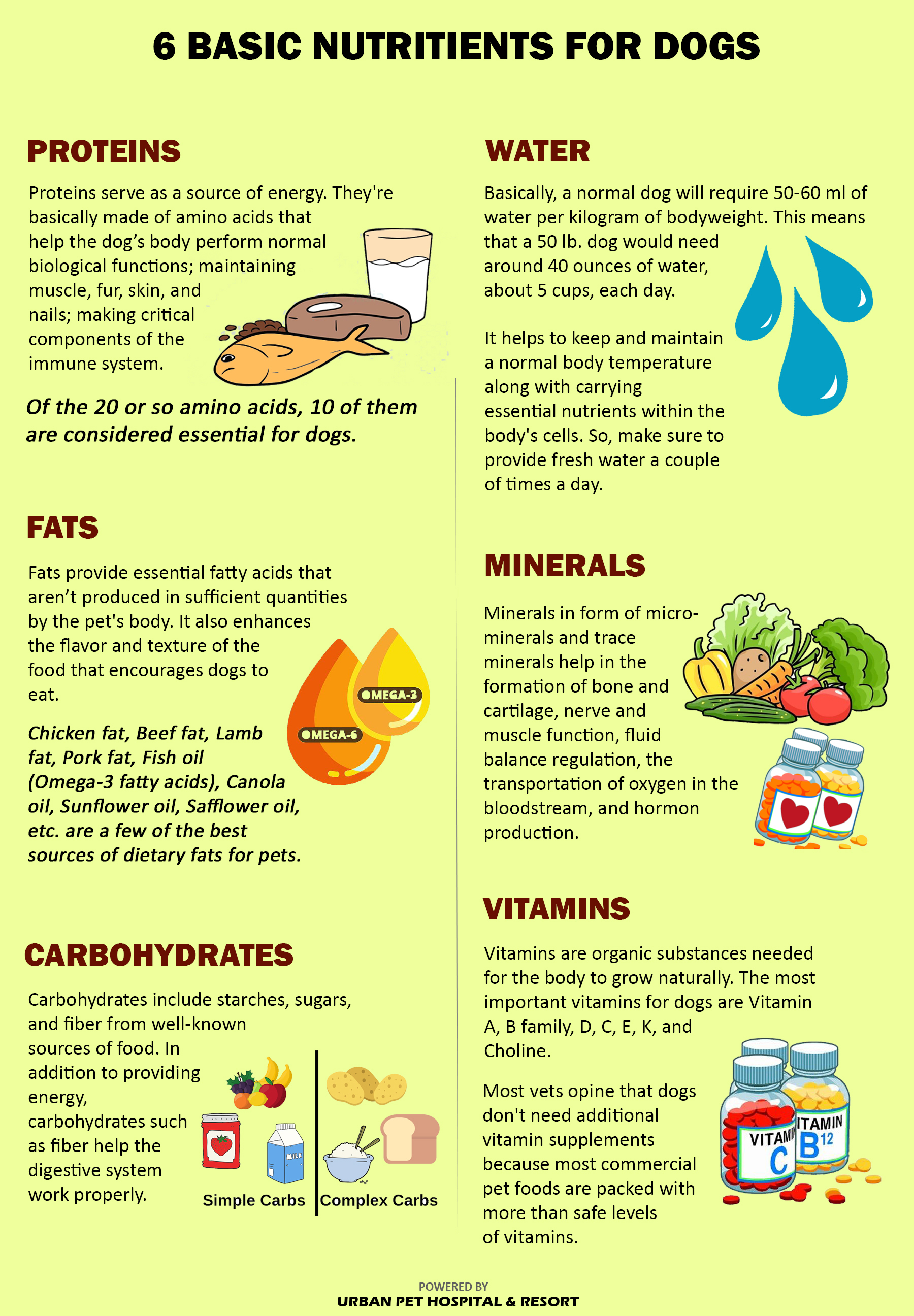
Dogs need essential nutrients for a healthy life. Proteins, fats, and carbohydrates provide energy. Vitamins and minerals support growth and immune function.
Every dog owner wants their furry friend to be happy and healthy. But do you know what nutrients are crucial for your dog's well-being? Understanding your dog's nutritional needs is essential to keeping them energetic and fit. Let's break down the key nutrients that your canine companion needs for optimal health.
Proteins And Amino Acids
Dogs thrive on proteins because they're the building blocks of life. Proteins support muscle development, tissue repair, and hormone production. Meats like chicken, beef, and fish are rich in protein and should be part of your dog's diet. Amino acids are the tiny components of proteins. Dogs need 10 essential amino acids that they can't produce on their own. Ensure your dog's food includes these by checking labels or consulting your vet.
Fats And Fatty Acids
Fats are a powerhouse of energy for dogs. They support brain function, skin health, and provide a shiny coat. Have you noticed your dog's coat looking dull? They might need more fats in their diet. Omega-3 and Omega-6 fatty acids are essential for reducing inflammation and promoting heart health. Fish oil supplements or foods rich in these nutrients can make a big difference.
Carbohydrates And Fiber
Carbohydrates give your dog the energy to chase balls and enjoy their walks. They also aid in proper digestion and provide important vitamins. Foods like rice, oats, and sweet potatoes are excellent carbohydrate sources. Fiber keeps your dog's digestive system running smoothly. It helps prevent constipation and maintains a healthy weight. Consider foods with added fiber if your dog seems sluggish or has digestion issues. Are you meeting all these nutritional needs in your dog's diet? Paying attention to these key nutrients can significantly improve your dog's quality of life. Always consult with a vet to tailor these guidelines specifically to your dog's needs.
Vitamins And Minerals
Dogs need essential vitamins and minerals for good health. These nutrients support strong bones, shiny coats, and a strong immune system. Providing a balanced diet ensures they get all the necessary nutrients for a happy and healthy life.
Understanding your dog's nutritional needs is key to keeping them healthy and happy. Among these needs, vitamins and minerals play a crucial role in ensuring your dog's well-being. They are essential for various bodily functions, from strengthening the immune system to maintaining healthy bones. Let's take a closer look at the specifics of these vital nutrients and how they contribute to your dog's health.
Essential Vitamins
Vitamins are organic compounds that your dog needs in small amounts for proper body function. They support everything from eyesight to the production of energy. For example, Vitamin A is vital for vision and immune function. B-vitamins are crucial for energy production and brain health. Think about the last time your dog had an extra spring in their step. It could be those B-vitamins at work! Ensure your dog's diet includes a variety of vitamins by offering a balanced diet or a vet-recommended supplement. Vitamin D is another powerhouse, helping in the absorption of calcium and phosphorus. This supports bone health. If your dog isn't getting enough sunlight, a diet rich in Vitamin D is essential. Have you noticed your dog's coat looking dull? It might be a lack of Vitamin E, which acts as an antioxidant, protecting cells and promoting a shiny coat.
Crucial Minerals
Minerals are inorganic elements that are just as important for your dog's health. Calcium is essential for healthy bones and teeth. It's the mineral that keeps your dog's skeletal system strong. Have you ever wondered why some dogs are more energetic than others? It could be the right balance of potassium and sodium. These minerals are key for muscle function and hydration. Iron is another critical mineral, playing a role in blood oxygenation. Without enough iron, your dog might feel lethargic or tired easily. Zinc supports skin health and the immune system. If your dog has skin issues, it might be worth considering their zinc intake. Providing a diet that meets these mineral requirements isn't just about preventing deficiencies. It's about enhancing your dog's quality of life. Whether it's through a specially formulated diet or natural food sources, ensuring your dog gets these minerals is essential. Do you think your dog's diet meets all these vitamin and mineral requirements? If not, it might be time to reassess their food intake. Always consult with your vet to make sure you're on the right track. Your dog's health depends on a balanced approach to nutrition.
Water: The Vital Element
Water is the most crucial nutrient for dogs. It plays a vital role in their overall health. A dog’s body consists of approximately 60% water. This essential element aids in digestion, nutrient absorption, and temperature regulation. Without adequate water, dogs can face severe health issues. Let’s explore why water is a vital element in a dog's diet.
1. The Role Of Water In Hydration
Water ensures a dog's body stays hydrated. Hydration supports organ function and energy levels. Dogs lose water through panting, urination, and even through their paws. Replenishing water is essential for maintaining health.
2. Water Supports Digestion
Water helps break down food in a dog's stomach. It enables the smooth passage of food through the intestines. Proper digestion prevents constipation and other digestive issues.
3. Temperature Regulation
Water helps regulate a dog’s body temperature. During hot weather, dogs pant to cool down. This process requires adequate water intake to prevent dehydration.
4. Water And Nutrient Transport
Water transports nutrients to cells in a dog's body. It ensures essential vitamins and minerals reach where they are needed. This transport is crucial for a dog's health and vitality.
5. Signs Of Dehydration In Dogs
Recognize signs of dehydration in dogs. Look for dry gums, lethargy, and sunken eyes. Ensure your dog always has access to fresh, clean water.
6. Providing Adequate Water
Offer your dog clean water throughout the day. Monitor their water intake, especially in hot weather or after exercise. Consider using a water bowl that is easy to clean and refill.
Age-based Nutritional Needs
Dogs need different nutrients as they grow older. Puppies require more protein for muscle growth and energy. Adult dogs need balanced nutrients to maintain health. Senior dogs benefit from fewer calories and additional joint-supporting nutrients. Tailoring their diet to age ensures optimal health.
Understanding a dog's nutritional requirements can feel overwhelming, especially since these needs change as they age. Just like humans, dogs require specific nutrients at different stages of their life. Tailoring your dog's diet to their age can make a significant difference in their health and happiness. So, what exactly does your furry friend need at each stage of their life?
Puppies And Growth
Puppies are little bundles of energy and growth. They need a diet rich in protein and fat to support their rapid development. Think about your puppy's energy like a battery that needs constant recharging. Protein is crucial for building strong muscles. A diet with 22-32% protein content is generally recommended. Fat provides the energy they need for all that running and playing. Calcium and phosphorus are also essential for healthy bones. However, too much can lead to developmental issues, so it's important to get the balance right. Do you remember how quickly your puppy grew out of their collar? That's a sign of their fast growth and the need for proper nutrition.
Adult Dogs
Once your dog reaches adulthood, their nutritional needs change. They no longer require as many calories as they did during their puppy stage. Maintaining a balanced diet becomes the focus. A diet with moderate protein and fat levels is typically sufficient. A protein content of around 18-25% and fat levels of about 10-15% are usually ideal. It's also important to manage their caloric intake to prevent obesity. Regular exercise combined with a balanced diet keeps your dog fit and healthy. Have you noticed your dog slowing down slightly? That's a natural shift as they transition from puppyhood to adulthood.
Senior Dogs
As dogs enter their senior years, their metabolism slows down. They require fewer calories but still need nutrient-rich meals. Older dogs might benefit from a diet lower in calories but higher in fiber. Fiber aids in digestion, which can become sluggish as dogs age. Joint support is crucial at this stage. Foods with added glucosamine and omega-3 fatty acids can help maintain joint health. Is your older dog spending more time napping? Adjusting their diet can help them stay comfortable and active. Age-based nutritional adjustments are not just about keeping your dog alive; they're about enhancing quality of life. How are you ensuring your dog gets the best out of each life stage?
Special Dietary Considerations
Special dietary considerations are crucial for a dog's health. These considerations help maintain optimal wellness. Each dog has unique needs. Some dogs require specific diets due to allergies or breed characteristics. Understanding these needs ensures a balanced diet. This section explores special dietary considerations. It focuses on allergies, sensitivities, and breed-specific diets.
Allergies And Sensitivities
Dogs can suffer from food allergies. Common allergens include beef, dairy, and wheat. Symptoms include itching, digestive issues, and ear infections. Identifying these allergies is vital. An elimination diet helps pinpoint allergens. Once identified, avoid those foods in their diet. Consider hypoallergenic dog foods. These foods minimize allergic reactions. Consulting a vet ensures the right dietary changes.
Breed-specific Diets
Different breeds have unique dietary needs. Large breeds need joint-supporting nutrients. Small breeds benefit from calorie-dense foods. Active breeds require high protein for energy. Less active breeds need fewer calories. A breed-specific diet supports overall health. Research your dog's breed requirements. Tailor their diet accordingly. This helps maintain their ideal weight and health.
Credit: www.barclondon.com
Balanced Feeding Practices
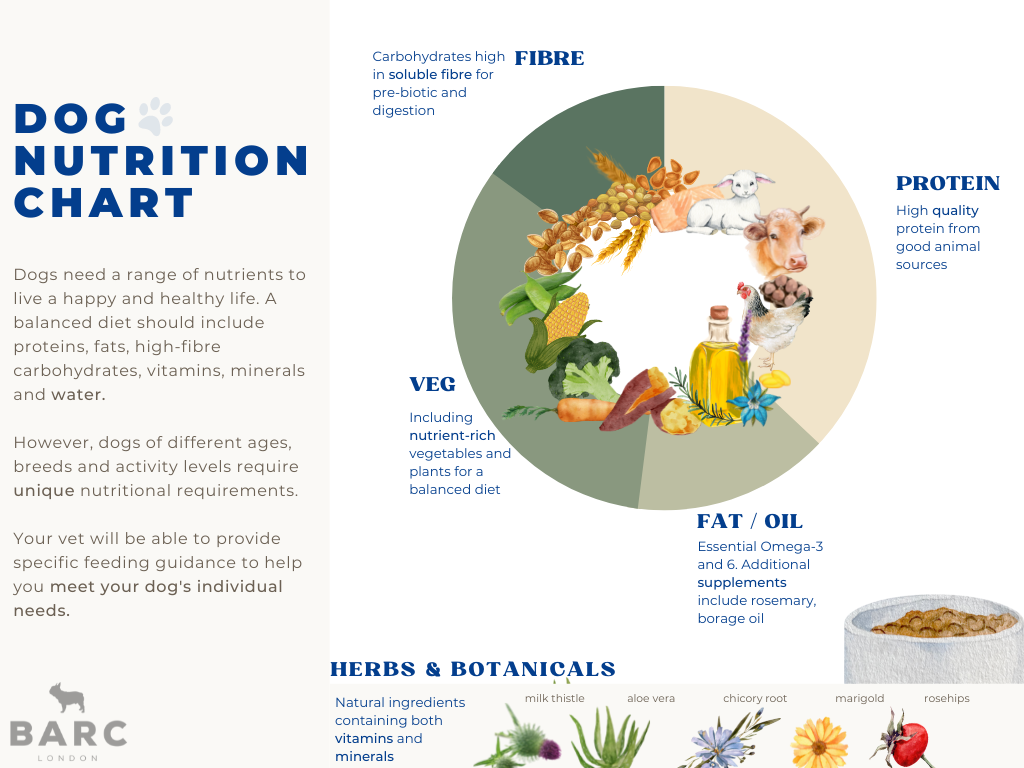
Dogs need a balanced diet for optimal health. Essential nutrients include proteins, fats, carbohydrates, vitamins, and minerals. Fresh water is crucial too.
Balanced feeding practices are the cornerstone of ensuring your dog remains happy and healthy. They aren't just about the ingredients you choose but also how you serve them. By focusing on portion control and feeding frequency, you can optimize your dog's nutrition, prevent obesity, and maintain their energy levels. Let's dive into these key aspects to elevate your dog's mealtime experience.
Portion Control
Understanding portion control is essential. You wouldn't want to overload your plate, so why do it to your dog? Overfeeding can lead to weight gain and health issues. Use your dog's weight and activity level as a guide to determine the right amount. Consider the time you gave your pup a little extra treat, thinking it wouldn't hurt. Did you notice them slowing down afterward? Monitoring their intake helps maintain a healthy weight and energy levels. Use a measuring cup to ensure accuracy. This simple tool can transform your feeding routine, making it precise and effective. Keeping an eye on portion sizes is a proactive step towards your dog's well-being.
Feeding Frequency
How often should you feed your dog? It's a question that puzzles many pet owners. Regular feeding times can help regulate digestion and energy. Think about how you feel when you skip a meal; your dog might experience the same discomfort. Puppies, for instance, often need more frequent meals due to their growth rate. Adult dogs typically thrive on two meals a day. However, some may require adjustments based on their breed, size, and lifestyle. You might find your dog is more active in the morning and needs more food then. Tailor their schedule to fit their needs. Balanced feeding isn't just about the what but also the how and when. Reflect on your dog's habits and adjust accordingly. Are they more energetic after a morning stroll or an evening romp? Use these insights to fine-tune their feeding times. By mastering portion control and feeding frequency, you empower your dog's health journey. Remember, every dog is unique, and finding what works best for yours is a rewarding experience.
Commercial Vs. Homemade Diets
Choosing the right diet for your dog is like finding the perfect balance between convenience and control. Commercial dog food offers ease, while homemade diets allow you to tailor meals specifically for your furry friend's needs. But which is better for your dog's health and happiness? Let's dig into the pros and cons of each option.
Pros And Cons Of Commercial Food
Commercial dog food comes with its own set of advantages. It's convenient and readily available, with options for every budget. You can trust that it's formulated to meet basic nutritional requirements.
However, it may contain fillers and additives that aren't ideal for your dog's health. Some brands prioritize shelf life over nutrition, which might not provide the optimal diet for your pet.
Consider how much you value convenience versus control over ingredients. Does your dog have specific dietary needs that commercial food can't meet?
Homemade Diet Guidelines
Preparing homemade meals allows you to choose fresh ingredients and avoid unwanted additives. You can tailor recipes to your dog's specific needs, whether they have allergies or specific health concerns.
Yet, it requires time and effort, and ensuring nutritional balance can be tricky. Consult a veterinarian or pet nutritionist to help plan meals that meet all your dog's dietary needs.
Start simple: lean meats, vegetables, and grains. Keep it balanced and varied. Test different recipes and observe your dog's energy and coat health.
What would you prefer: the convenience of commercial foods or the control of homemade meals? Your decision impacts your dog's health and well-being.
Monitoring And Adjusting Diet
Monitoring and adjusting a dog's diet is crucial for its health. Dogs, like humans, have specific nutritional needs. These needs can change over time. A balanced diet supports growth, energy, and overall wellness. Observing your dog’s eating habits is essential. Regular checks ensure they get the right nutrients. Adjustments may be necessary as they age or if health issues arise.
Signs Of Nutritional Deficiency
Watch for signs of nutritional deficiency in your dog. Dull coat and flaky skin can be indicators. Unexplained weight loss is another sign. Lethargy or low energy levels may also occur. Digestive issues can signal diet problems. Monitor their behavior and appearance closely. Early detection helps prevent serious health issues.
Regular Vet Consultations
Regular vet consultations are vital. Vets can assess your dog’s health accurately. They provide guidance on dietary needs. Routine check-ups catch potential issues early. Your vet may suggest dietary changes. They can recommend supplements if needed. Trust their expertise for your dog’s optimal nutrition.
Credit: drbillspetnutrition.com
Frequently Asked Questions
What Nutrients Do Dogs Need Daily?
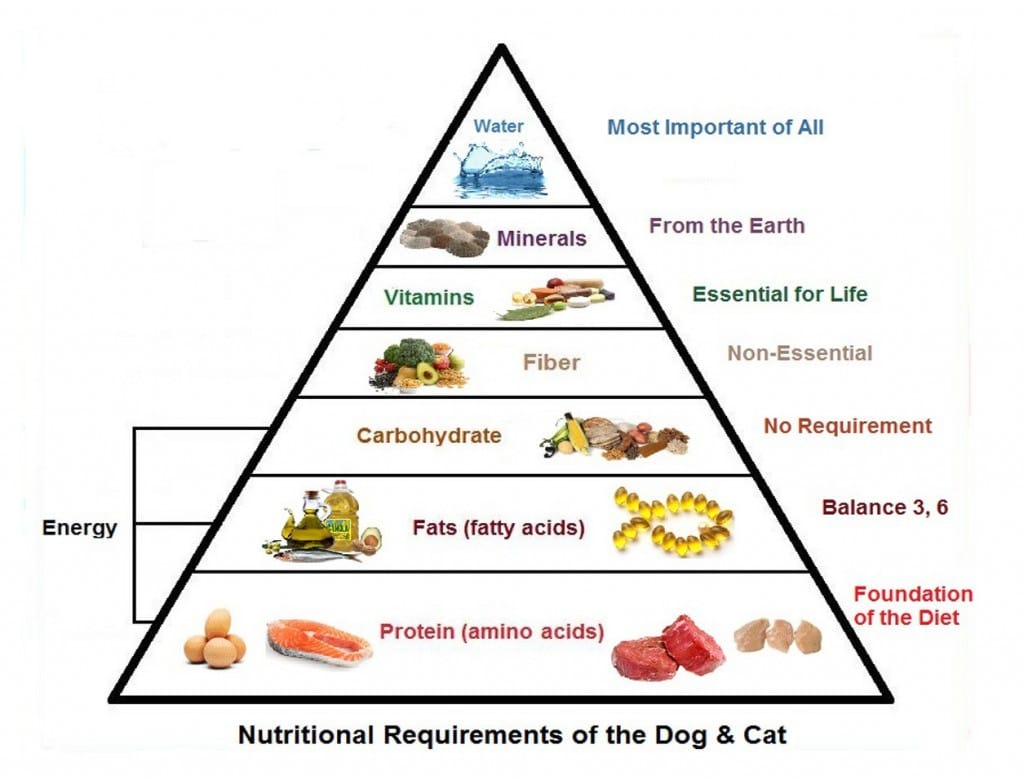
Dogs require proteins, fats, carbohydrates, vitamins, and minerals daily. Proteins help in muscle development, while fats provide energy. Carbohydrates support digestion, and vitamins and minerals ensure overall health. A balanced diet tailored to a dog's age, size, and activity level is crucial for their well-being.
How Much Protein Should A Dog Consume?
Dogs need a diet with 18-25% protein content. Puppies and active dogs often require more for growth and energy. Protein supports muscle development and tissue repair. It's essential to choose high-quality sources like chicken, beef, or fish to ensure optimal health and nutrition.
Is Grain-free Food Better For Dogs?
Grain-free diets are not always better for dogs. Some dogs benefit from grains for energy and digestion. Grain-free options can help dogs with specific allergies. Always consult a veterinarian before switching to grain-free food to ensure it meets your dog's nutritional requirements.
Can Dogs Eat Fruits And Vegetables?
Yes, dogs can eat fruits and vegetables. They provide essential vitamins and minerals. Apples, carrots, and blueberries are safe and nutritious options. Always introduce new foods gradually and ensure they're suitable for your dog's specific needs to avoid digestive issues.
Conclusion
Proper nutrition keeps dogs healthy. Balanced diets support energy and growth. Protein builds strong muscles. Carbohydrates provide energy. Fats are essential for skin and coat health. Vitamins and minerals boost immunity. Water keeps dogs hydrated. Choose high-quality dog food. Consult a vet for advice.
Tailor diets to breed, size, and age. Avoid feeding table scraps. Watch portion sizes to prevent obesity. Regular checks ensure nutritional needs are met. Happy dogs thrive on good nutrition. Keep your furry friend healthy and active. Feed them with love and care.