Have you ever gazed into the soulful eyes of a dog and wondered about their ancient roots? The world of dogs is as fascinating as it is diverse, but there's a special allure to the original dog breeds.
These are the breeds that have stood the test of time, maintaining their unique characteristics while the world around them changed. Are you curious to know which breeds have walked alongside humans for centuries, shaping history and our lives? Understanding these breeds offers a glimpse into the past and a deeper appreciation for the companions at our feet.
Stick around as we delve into the captivating world of these timeless canines and discover what makes them so special.
Ancient Origins Of Dogs
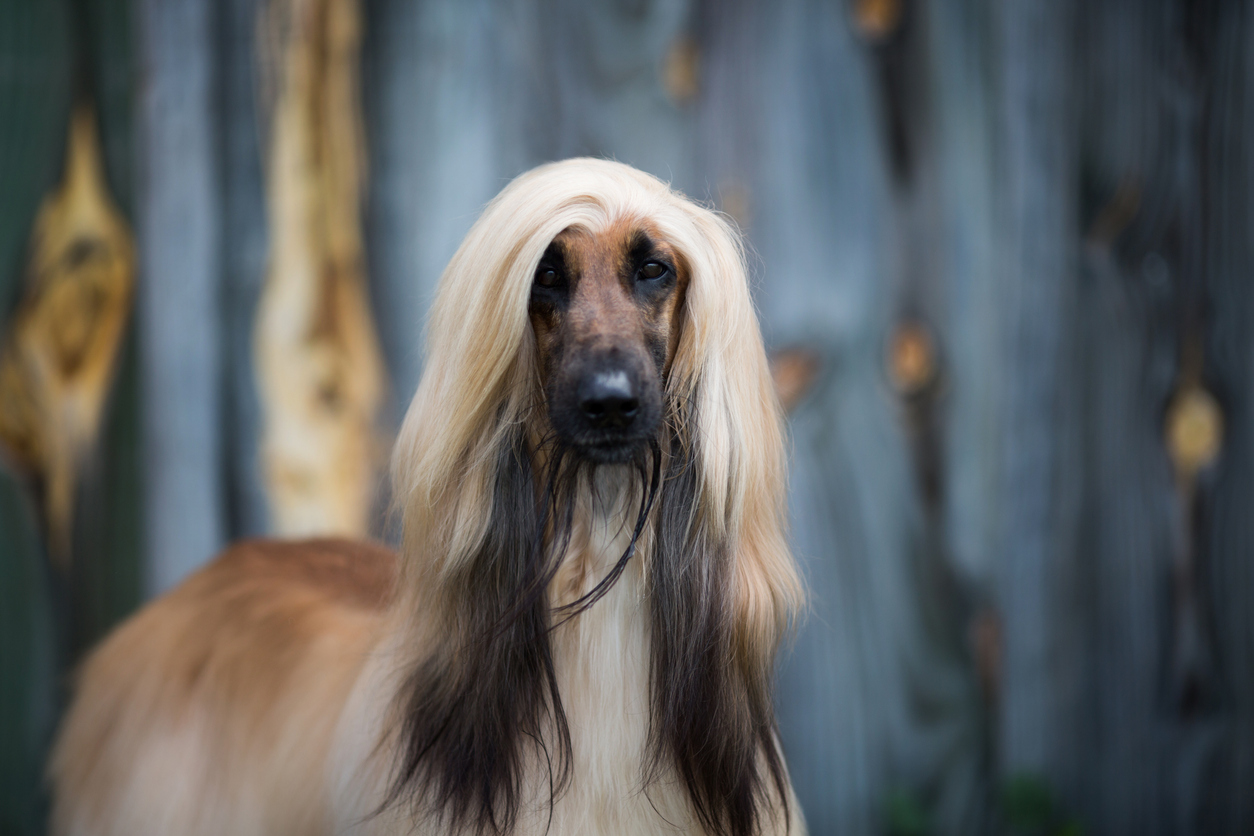
Original dog breeds trace back thousands of years to ancient civilizations. These breeds include the Afghan Hound, Basenji, and Saluki. Each breed developed distinct traits suited to their environment and tasks, such as hunting or herding.
Understanding the ancient origins of dogs offers a fascinating glimpse into the shared history between humans and canines. Dogs, often referred to as man's best friend, have been by our side for thousands of years. Their journey from wild wolves to beloved pets is a story of survival, companionship, and mutual benefit.
Domestication Timeline
The domestication of dogs began over 15,000 years ago. This timeline marks a significant shift from wild wolves to the domestic dogs we know today. Early humans and wolves formed a mutually beneficial relationship, where wolves helped in hunting and humans provided food scraps. This partnership eventually led to the evolution of wolves into domesticated dogs. Dogs adapted to living with humans, developing traits that made them loyal and trainable companions. Imagine living in a time when your survival depended on the keen senses and protective nature of these early dogs.
Role Of Wolves
Wolves played a crucial role in the development of domestic dogs. They were the first animals that humans managed to domesticate. Wolves' intelligence, social structure, and adaptability made them ideal candidates for domestication. Over generations, wolves that were less aggressive and more social were favored, leading to the emergence of dog breeds. These early dogs were not just pets; they were partners in hunting and guardians of human settlements. Think about the trust and understanding that must have developed between early humans and wolves. This bond laid the foundation for the diverse dog breeds we cherish today. Have you ever wondered how different your life would be without the company of dogs? Their ancient origins remind us of the deep connection we share with these remarkable animals.
Credit: puccicafe.com
Archeological Discoveries
Archeological discoveries give us a glimpse into the past. These findings reveal the history of original dog breeds. They show how dogs lived alongside humans. Ancient remains tell us about early domestication. They also highlight the bond between humans and dogs. Let's explore these fascinating archeological insights.
Early Dog Remains
Early dog remains date back thousands of years. Scientists found these remains in various parts of the world. They provide clues about the first domesticated dogs. Some remains suggest dogs were companions in hunting. Others show they were protectors. These discoveries help understand early human-dog relationships.
Significant Sites
Many significant sites hold ancient dog remains. In Germany, the Bonn-Oberkassel site is famous. It housed a dog's remains dating back 14,000 years. Another notable site is in Israel. The Ain Mallaha site shows evidence of early dog burials. In North America, the Danger Cave site revealed ancient dog bones. Each site tells a unique story of human-dog history.
Genetic Studies And Findings
Genetic studies reveal fascinating insights into the original dog breeds. Ancient breeds like the Afghan Hound, Saluki, and Siberian Husky show unique genetic markers. These breeds provide a glimpse into the early days of canine domestication.
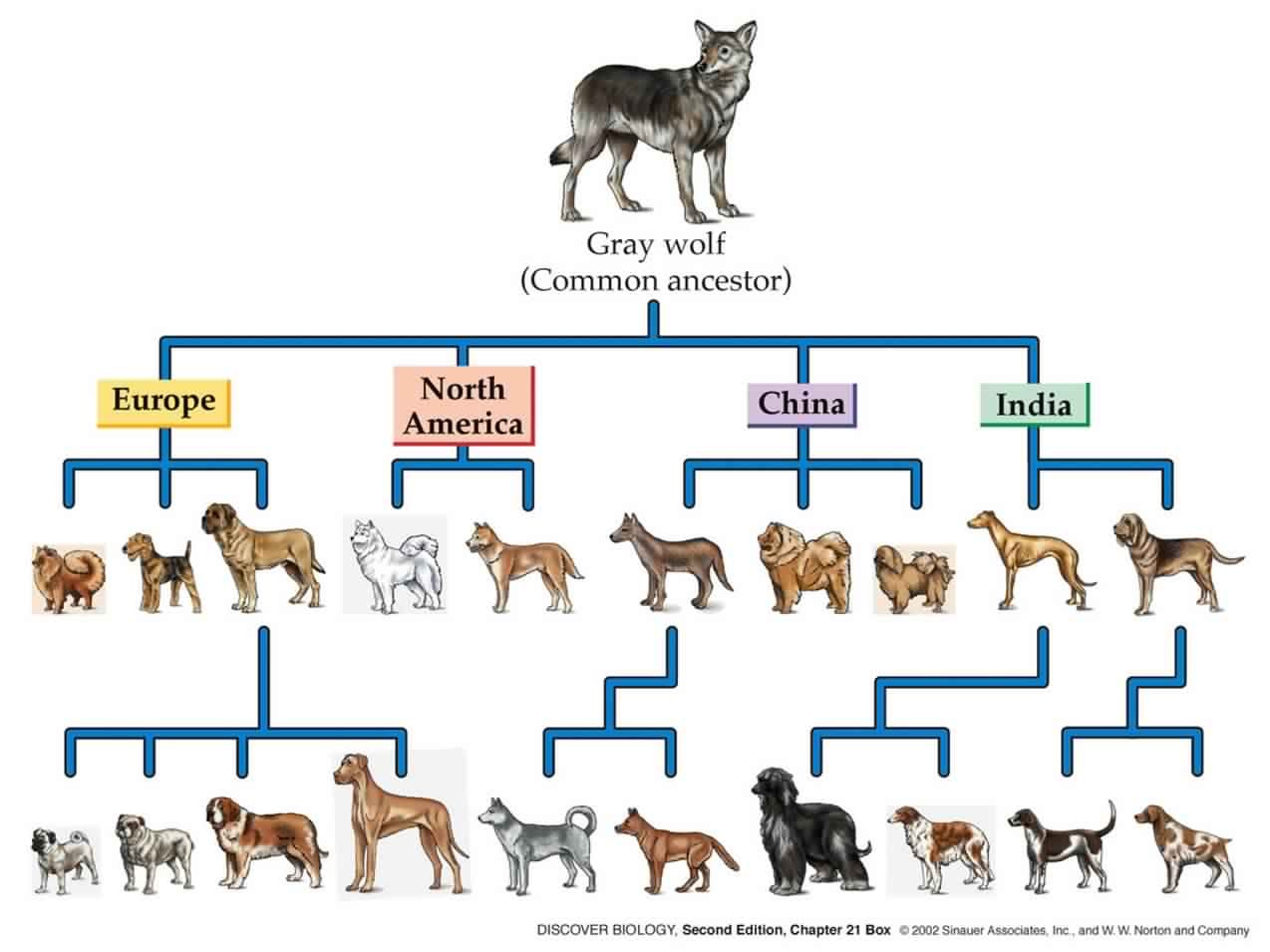
Genetic studies have transformed our understanding of original dog breeds. Scientists use these studies to trace the origins and evolution of various breeds. By analyzing genetic material, they uncover the history and journey of man's best friend.
Dna Analysis
DNA analysis reveals fascinating insights into the genetic makeup of dogs. Researchers collect DNA samples from different breeds worldwide. They then compare these samples to identify common ancestors. This helps determine which breeds are more closely related. The results often surprise dog lovers and breeders alike. DNA analysis can also pinpoint specific traits and characteristics. This includes coat color, size, and behavior, providing a deeper understanding of breed diversity.
Breed Development
Breed development is a complex process influenced by genetics. Early humans selected dogs for specific tasks and traits. Over time, these selections led to distinct breeds with unique features. Genetic studies show how ancient breeds evolved into today's varieties. Some breeds have changed dramatically, while others remain quite similar to their ancestors. Understanding breed development helps preserve the history and purpose of each breed. It also guides responsible breeding practices for the future.
Credit: namnguyenwrite.medium.com
Key Ancestral Breeds
Dog lovers often marvel at the diversity in breeds, from tiny Chihuahuas to towering Great Danes. But have you ever wondered about the original dog breeds? These key ancestral breeds have been around for thousands of years, shaping the characteristics of many modern dogs. Understanding these breeds gives us insight into the fascinating journey of canine evolution.
Saluki: The Ancient Hunter
The Saluki is often referred to as one of the oldest dog breeds, dating back to ancient Egypt. Known for its incredible speed and agility, the Saluki was a prized hunting companion. I remember seeing a Saluki at a dog show, its grace and elegance were mesmerizing.
These dogs were bred to hunt gazelles and hares across vast desert landscapes. Their slender bodies and long legs are a testament to their hunting prowess. Can you imagine a time when these dogs ran alongside Pharaohs?
Basenji: The Barkless Dog
The Basenji is unique, not just because it doesn't bark, but due to its ancient lineage. Originating in Central Africa, this breed was used for hunting and as a village watchdog. Its silence is not due to lack of communication, but a distinct yodel-like sound called a "barroo".
I once met a Basenji owner who shared how the dog's keen hunting instincts kept their home rodent-free. This breed's independence and intelligence often surprise first-time owners. Would you prefer a dog that communicates with a yodel?
Akita: The Noble Guardian
The Akita, hailing from Japan, is renowned for its loyalty and protective nature. Originally bred to guard royalty and hunt large game, this breed commands respect. A friend of mine has an Akita, and the dog's devotion to their family is inspiring.
The Akita's dense coat and robust build make it well-suited for cold climates. They are often seen as symbols of good health and happiness in Japan. Are you ready for the responsibility of such a devoted guardian?
Exploring these original dog breeds not only enriches our knowledge but deepens our connection with our canine companions. Which of these ancestral breeds resonates with you the most?
Cultural Significance
Original dog breeds hold immense cultural significance, reflecting human history and traditions. They embody ancient human-dog relationships and regional customs. Understanding these breeds offers insights into our shared past.
Dogs have been by our side for thousands of years, playing crucial roles beyond companionship. Their cultural significance is deeply rooted in ancient societies and myths, often embodying traits we admire and aspire to. This connection with dog breeds extends beyond mere utility, intertwining with human history and belief systems in fascinating ways.
Dogs In Ancient Societies
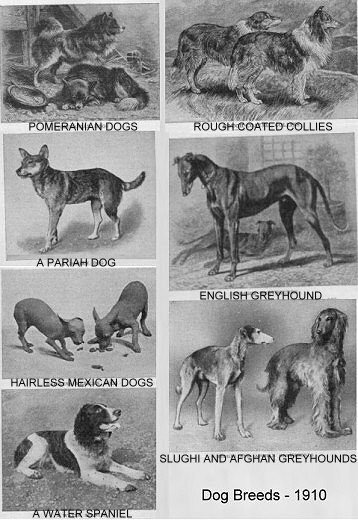
In ancient Egypt, dogs were more than just pets; they were sacred beings. They were often depicted alongside gods like Anubis, who had a jackal's head. This association highlights their role in the spiritual life of the time. In China, the Shar-Pei and Chow Chow were revered for their loyalty and protective nature. These breeds were even used in military settings. Their presence in ancient paintings and texts speaks volumes about their importance in Chinese culture. Have you ever wondered why some breeds are more prevalent in certain regions? It could be due to their historical roles and cultural impact in those areas. Consider the Saluki, often seen as the royal dog of Egypt, a status it still holds today.
Symbolism And Myths
Dogs have always been rich in symbolism, representing qualities like loyalty, courage, and vigilance. In Greek mythology, Cerberus, the three-headed dog, guarded the gates of the Underworld. This myth symbolizes the protective nature of dogs, a trait that continues to be valued today. In Norse mythology, the dog Garmr was seen as a guardian. Stories like these remind us of the protective roles dogs have played throughout history. In many cultures, dogs are seen as intermediaries between the living and the afterlife. Some believe that dogs can sense spirits, adding a layer of mysticism to their cultural significance. Think about your own experiences with dogs. Have they ever seemed to sense something beyond the ordinary? These interactions often reinforce our belief in their special role in the world. As you explore the history of original dog breeds, consider their cultural significance. These stories and symbols enrich our understanding of dogs and deepen our appreciation for their presence in our lives.
Credit: messybeast.com
Preservation Of Heritage Breeds
The preservation of heritage dog breeds is more than just a nod to history; it's about safeguarding the diversity and legacy of canine companions. Original dog breeds hold unique characteristics and stories that connect us to the past. These breeds deserve our attention and efforts to ensure they thrive for future generations.
Efforts In Breed Conservation
Dedicated organizations worldwide work tirelessly to protect heritage breeds. They host events, workshops, and seminars to educate the public on the importance of these dogs. Breeders collaborate to maintain pure bloodlines, sharing knowledge and resources to keep these breeds alive.
Take the example of the Basenji Club, which organizes annual meetings to discuss preservation strategies. They encourage responsible breeding practices and celebrate the breed's quirks and history. These efforts not only preserve the breed but also unite enthusiasts who care deeply about these dogs.
Challenges In Modern Times
Preserving heritage breeds isn't without its hurdles. In today's world, popular breeds often overshadow heritage breeds, making them less visible and less in demand. Urbanization and lifestyle changes also contribute to dwindling numbers as people opt for breeds that fit modern living.
Genetic health is another concern. How do we balance maintaining pure bloodlines with ensuring healthy, robust dogs? This challenge calls for innovative solutions and collaboration among breeders, veterinarians, and scientists.
As you consider getting a dog, why not explore a heritage breed? These dogs offer unique traits and a rich history that can add depth to your companionship. What role will you play in preserving our canine heritage?
Impact On Modern Breeds
Original dog breeds have shaped modern breeds significantly. Their traits contribute to diverse characteristics seen today. Understanding these roots helps in grasping the evolution of canine companions.
Dogs have been humanity's companions for thousands of years, evolving alongside us through the ages. Understanding the impact of original dog breeds on modern breeds helps you appreciate the variety and characteristics of today's dogs. They carry the legacy of their ancestors in their temperament, appearance, and abilities. Whether you're a dog owner or enthusiast, exploring this connection offers insights into why your furry friend behaves the way they do.
Influence On Today's Dogs
Original dog breeds, like the ancient Greyhound and Mastiff, set the foundation for the diverse canine world we know today. Their traits have trickled down through generations, shaping the personalities and skills of modern breeds. Consider the Greyhound's speed and agility. These attributes are evident in breeds such as the Whippet and Italian Greyhound. Their ancestors' prowess on the hunt continues to be seen in their swiftness and athletic build. Similarly, the Mastiff's protective nature is reflected in breeds like the Bullmastiff and Boxer. If you've ever felt safe with your dog by your side, thank the Mastiff's influence.
Hybridization And Crossbreeding
With the original breeds as a starting point, hybridization and crossbreeding have created a colorful tapestry of dogs. These practices have introduced unique combinations of traits, resulting in breeds that are tailored for specific roles or environments. Think about the Labradoodle. It's a mix of the Labrador Retriever and Poodle, designed for hypoallergenic purposes. This crossbreed showcases how original traits can be merged for practicality without losing the essence of their lineage. Have you ever wondered if your dog is a mix of various breeds? Even if they are a purebred, the impact of crossbreeding over centuries is undeniable in their genetic makeup. As you explore the characteristics and quirks of your pet, consider how these original breeds have shaped their identity. Could these ancient lineage traits be the reason your dog behaves a certain way? Reflect on this connection and deepen your understanding of your loyal companion.
Frequently Asked Questions
What Defines An Original Dog Breed?
Original dog breeds are those that have existed for centuries. They have maintained their distinct characteristics and lineage through natural selection and historical breeding practices. These breeds often serve specific roles such as hunting or guarding, and they possess traits suited to their traditional functions.
Which Are The Oldest Dog Breeds?
Some of the oldest dog breeds include the Basenji, Saluki, and Afghan Hound. These breeds have ancient origins and were developed in regions like Africa and the Middle East. They have unique physical and behavioral traits that have remained stable over time.
How Did Original Dog Breeds Evolve?
Original dog breeds evolved through natural selection and human intervention. Early humans selectively bred dogs for specific traits needed for survival. These breeds adapted to various climates and roles, resulting in the diverse breeds we see today.
Are Original Dog Breeds Still Popular?
Yes, original dog breeds remain popular due to their unique traits and historical significance. Many people appreciate their loyalty, intelligence, and specialized skills. These breeds often have a dedicated following and are valued for their contributions to human history.
Conclusion
Original dog breeds are fascinating and diverse. They hold rich histories. Each breed has unique traits. These traits are shaped by their environment and purpose. Understanding these breeds helps in appreciating dogs today. It connects us to ancient times. Learning about them enhances our bond with pets.
It reveals their enduring qualities. Dogs bring joy and companionship. Their legacy remains strong. Exploring their past provides insight. It enriches our relationship with these loyal friends. Celebrate these original breeds. Cherish their contributions. Discovering their origins enlightens our perspective.
Their stories continue to inspire dog lovers worldwide.